 EN
EN




 English
 русский
 日本語
日本語 Español
Helical Tooth Transmission Gearbox Planetary Reducer AHL Series for Servo Motor
Cat:Planetary Reducer
Planetary reducers have been widely used in many industries for their performance. Their uniquely de...
See DetailsPlanetary reducers are essential components in modern motion control systems, serving as the critical interface between servo motors and driven machinery. For manufacturers, system integrators, and engineers operating in the European and South American markets, understanding the technical differences between helical and straight-tooth planetary reducers is paramount for selecting the right component for high-performance applications. The choice between these two tooth geometries directly impacts system performance, noise levels, load capacity, maintenance requirements, and long-term reliability.
This comprehensive analysis provides an in-depth comparison of helical and straight-tooth planetary reducers, with particular focus on the AHL Series design philosophy. By examining critical factors such as gear geometry, noise and vibration characteristics, torque capacity, bearing design, lubrication strategy, and application suitability, this guide aims to equip industry professionals with the knowledge required to make informed decisions. Understanding these differences is essential for optimizing motion system performance in demanding industrial environments including robotics, automation, and precision machining.
The selection of a planetary reducer is not merely a matter of reduction ratio and torque rating. It requires a holistic evaluation of how the gearbox will interact with the servo system under various load conditions, speed profiles, and environmental factors. As a leading manufacturer with extensive export experience, we recognize the diverse requirements of global automation and robotics projects. This guide synthesizes technical expertise and market feedback to present a clear, actionable comparison for your critical applications.
Content
The primary distinction between helical and straight-tooth (also known as spur gear) planetary reducers lies in the tooth geometry. Straight-tooth gears feature teeth that are parallel to the gear axis, engaging suddenly and fully across the entire tooth face simultaneously. This design is mechanically simple and efficient for power transmission, but it results in higher vibration and noise levels due to the abrupt engagement and disengagement of teeth.
Helical gears, in contrast, feature teeth cut at an angle to the gear axis. This angled design allows for gradual engagement, with multiple teeth sharing the load at any given moment. The increased contact ratio results in smoother torque transmission, significantly reduced vibration, and quieter operation. However, helical gears generate axial thrust forces that must be managed by the bearing system, introducing additional design complexity.
In planetary gearboxes, this fundamental difference has profound implications for the entire system. The Helical Tooth Transmission Gearbox Planetary Reducer AHL Series utilizes helical gears to achieve its characteristic smooth and quiet operation, making it suitable for noise-critical applications such as medical equipment, laboratory automation, and precision printing machinery. The helical design also contributes to the reducer's ability to maintain precision positioning under varying load conditions.
One of the most significant advantages of helical gears in planetary reducers is their superior noise and vibration performance. In a straight-tooth gear system, the sudden engagement of teeth creates impact forces that propagate through the gearbox structure, generating distinct tonal noise and vibration. This can be particularly problematic in environments where acoustic emissions must be minimized, such as medical imaging rooms, research laboratories, or office-adjacent production areas.
Helical gears, by contrast, engage gradually, with the load transfer occurring over a longer period as each tooth slides into contact. This results in a continuous and smooth torque transmission, reducing the noise and vibration signature of the gearbox. The AHL Series is designed specifically to leverage this advantage, providing users with a quiet working environment that is essential for many modern industrial applications.
The reduced vibration also contributes to improved positioning accuracy. Lower vibration levels mean less disturbance to the servo control system, allowing for more stable and precise motion control. This is particularly important in high-speed, high-precision applications such as laser cutting, engraving, and automated inspection where any mechanical disturbance can affect product quality.
Both helical and straight-tooth planetary reducers are capable of high torque transmission, but the bearing design plays a critical role in achieving optimal performance. The AHL Series utilizes integral ball bearings to significantly improve both rigidity and torque output capacity. This design approach ensures that the reducer can meet high-load and high-demand working environments without compromising performance.
In a helical gear system, the angled tooth engagement generates axial forces that must be managed to maintain proper gear alignment. The integral ball bearing design in the AHL Series provides the necessary axial load capacity to handle these forces, ensuring that the gears remain properly meshed under varying load conditions. This contributes to the overall durability and reliability of the reducer, particularly in applications with frequent reversals or high cyclic loads.
For comparison, straight-tooth planetary reducers do not generate significant axial forces, allowing for simpler bearing arrangements. However, the abrupt tooth engagement creates higher impact forces that can stress the bearings and reduce service life in demanding applications. The choice between the two designs often depends on whether noise reduction and smooth operation are prioritized over mechanical simplicity.
To facilitate a clear comparison between helical and straight-tooth planetary reducers for servo motor applications, the following table summarizes the key performance parameters and their implications for different application scenarios.
| Parameter | Helical Planetary Reducer (AHL Series) | Straight-Tooth Planetary Reducer |
|---|---|---|
| Noise Level | Low; smooth gradual engagement | Higher; abrupt tooth impact |
| Vibration | Reduced; continuous torque transfer | Higher; impact-induced vibration |
| Axial Force Management | Requires robust bearing design | Minimal axial force generated |
| Torsional Rigidity | High; integral ball bearings | Moderate; simpler bearing arrangement |
| Torque Capacity | High; optimized for demanding loads | Good; torque density focused |
| Maintenance | Lifecycle lubrication; no grease replacement | Varies; may require periodic lubrication |
| Typical Applications | Robotics, medical equipment, laser cutting | General automation, material handling |
| Service Life | 20,000 hours under rated conditions | Varies by design and application |
Lubrication is a critical factor in the long-term reliability of planetary reducers. The AHL Series uses high-viscosity, non-separable grease that effectively prevents leakage and ensures long-term stable operation of the equipment. Moreover, there is no need to replace the grease throughout the life cycle of the product, which greatly reduces the complexity and cost of maintenance.
This maintenance-free approach is particularly valuable in applications where access to the reducer is difficult or where downtime for maintenance is costly. The grease formulation is designed to maintain its lubricating properties within the rated temperature range for the product's design life, eliminating the need for periodic re-lubrication that is common in many traditional gearbox designs.
In contrast, many straight-tooth planetary reducers require periodic grease replacement or re-lubrication, which can increase maintenance costs and the risk of contamination. The sealed, non-separable grease design of the AHL Series provides a significant advantage in terms of total cost of ownership, particularly for applications requiring continuous or near-continuous operation.
The selection of a planetary reducer must be aligned with the specific demands of the target application. The AHL Series is widely used in industrial automation, mobile robots, SCARA robots, parallel manipulators, printing machinery, laser cutting machines, packaging machinery, pharmaceutical machinery, pipe bending machines, spring machines, and non-standard automation equipment. The helical gear design makes it particularly suitable for applications where quiet operation and precise motion control are essential.
For applications in robotics, the AHL Series provides the smooth torque transmission and high rigidity needed for accurate joint control. The reduced vibration and noise are also beneficial in human-robot collaboration environments where operators work in close proximity to robotic systems. In medical equipment, the quiet operation is essential for maintaining a comfortable environment for patients and healthcare professionals.
In printing and packaging machinery, the high precision and low backlash of the AHL Series contribute to improved print quality and registration accuracy. The maintenance-free design is also valued in these applications where equipment is often operated continuously and downtime must be minimized. For laser cutting machines, the reduced vibration provided by the helical gear design contributes to improved cut quality and edge finish.
For critical industrial applications requiring smooth, quiet, and reliable motion control, exploring options like the Helical Tooth Transmission Gearbox Planetary Reducer AHL Series for Servo Motor provides insights into the benefits of helical gear design and advanced bearing technology.
The AHL Series provides flexible flange and connector methods to ensure seamless docking with various motors around the world, achieving wide compatibility. The output end screw holes are designed for specific fastener sizes, allowing the reducer to be securely fixed to customer equipment for stable operation in various working environments.
This universal compatibility simplifies system integration and reduces the need for custom adapters or mounting plates. Engineers can select the appropriate AHL Series model and mount it directly to their chosen servo motor without extensive modifications. The standardized flange interfaces follow international norms, ensuring compatibility with motors from major manufacturers globally.
Proper alignment during installation is essential for achieving optimal performance and service life. The motor shaft and reducer input bore must be aligned within specified concentricity tolerances to prevent bearing stress and premature wear. The installation manual provides detailed torque specifications for mounting bolts to ensure proper clamping force without damaging the housing or threads.
What is the primary advantage of helical gears over straight-tooth gears in planetary reducers for servo motor applications?
Helical gears provide smoother, quieter operation due to gradual tooth engagement. The increased contact ratio reduces vibration and noise, making them ideal for precision applications where noise control and motion quality are critical. However, they generate axial forces that must be managed by the bearing system.
How does the AHL Series achieve maintenance-free lubrication?
The AHL Series uses high-viscosity, non-separable grease that is factory-sealed and does not require replacement over the product's operational life. This eliminates the need for periodic re-lubrication, reducing maintenance complexity and costs. The grease maintains its properties within the rated temperature range for the design life.
What is the expected service life of the AHL Series reducer under rated conditions?
The AHL Series provides 20,000 hours of service life under rated operating conditions. Actual life depends on load profile, duty cycle, ambient temperature, and installation alignment. The integral ball bearing design and high-quality helical gears contribute to this extended service life.
What reduction ratios are available in the AHL Series?
Single-stage and multi-stage configurations are available with typical ratios including 3, 4, 5, 6, 7, 8, 9, 10, 15, 20, 25, 30, 35, 40, 50, 60, 70, 80, 90, and 100. Consult the product catalog for ratio-specific specifications and performance data.
Can the AHL Series reducer operate in vertical shaft orientation?
Yes, the AHL Series is designed for both horizontal and vertical mounting. For extended vertical operation with the output shaft pointing downward, it is recommended to consult the factory for specific lubrication guidance to ensure optimal grease distribution and performance.
1. Beitto Transmission Technology Co., Ltd. (2024). AHL Series Helical Planetary Reducer Product Technical Data Sheet. Zhejiang, China.
2. International Organization for Standardization. (2016). ISO 1122-1:2016 - Vocabulary of gear terms — Part 1: Definitions related to geometry. Geneva, Switzerland.
3. American Gear Manufacturers Association. (2020). AGMA 6123-B20 - Design Manual for Enclosed Epicyclic Gear Drives. Alexandria, VA, USA.
4. Shigley, J. E., & Mischke, C. R. (2001). Mechanical Engineering Design (6th ed.). McGraw-Hill, New York, NY.
5. German Institute for Standardization. (2018). DIN 3994-1:2018 - Involute cylindrical gears for industrial applications — Calculation of gear tooth flank load capacity. Berlin, Germany.
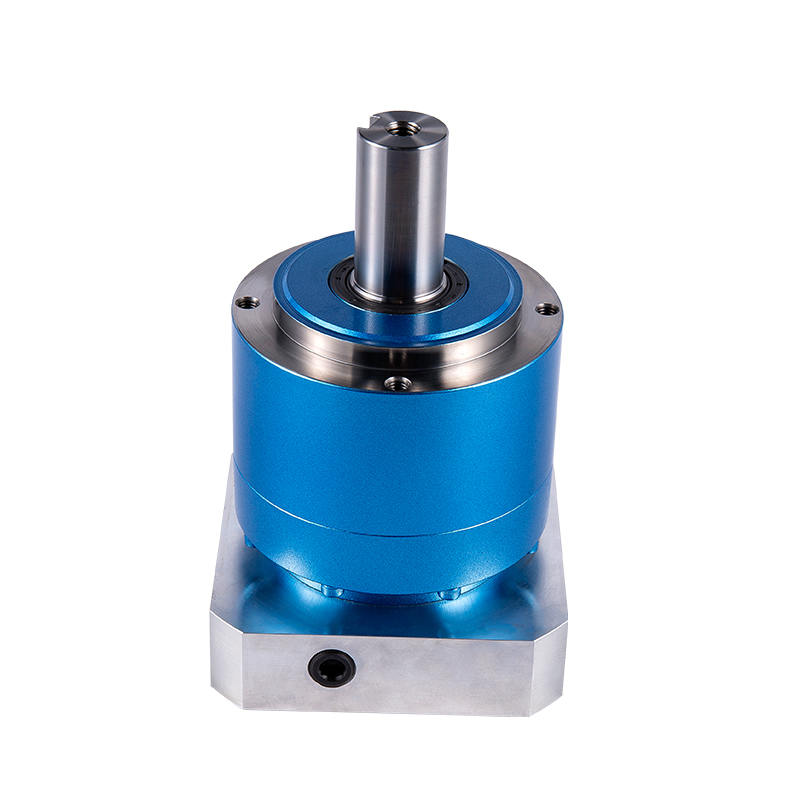
Planetary reducers have been widely used in many industries for their performance. Their uniquely de...
See Details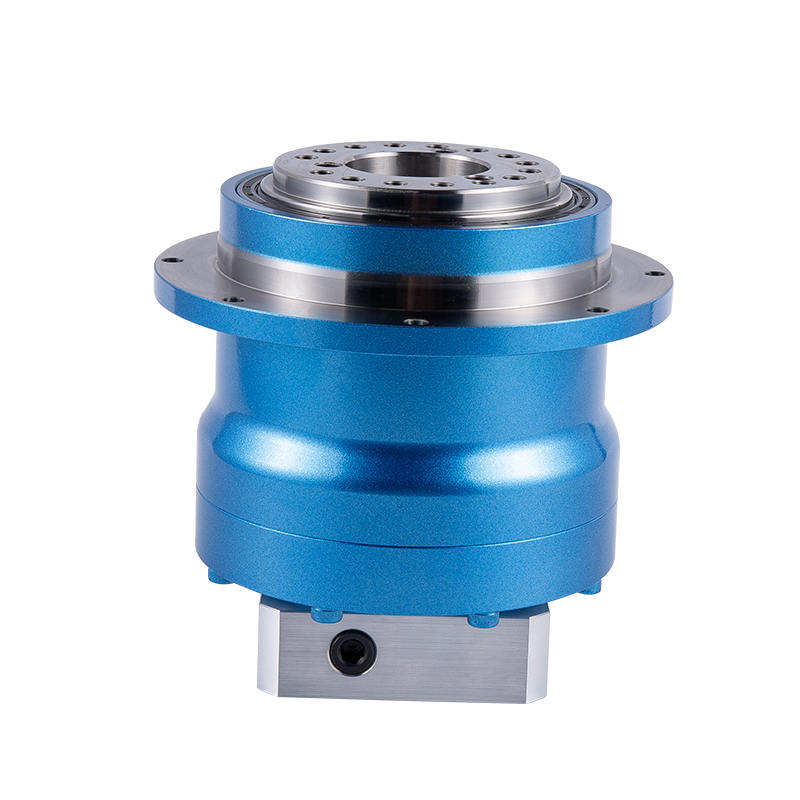
With its high-precision characteristics, the planetary reducer successfully controls the backlash wi...
See Details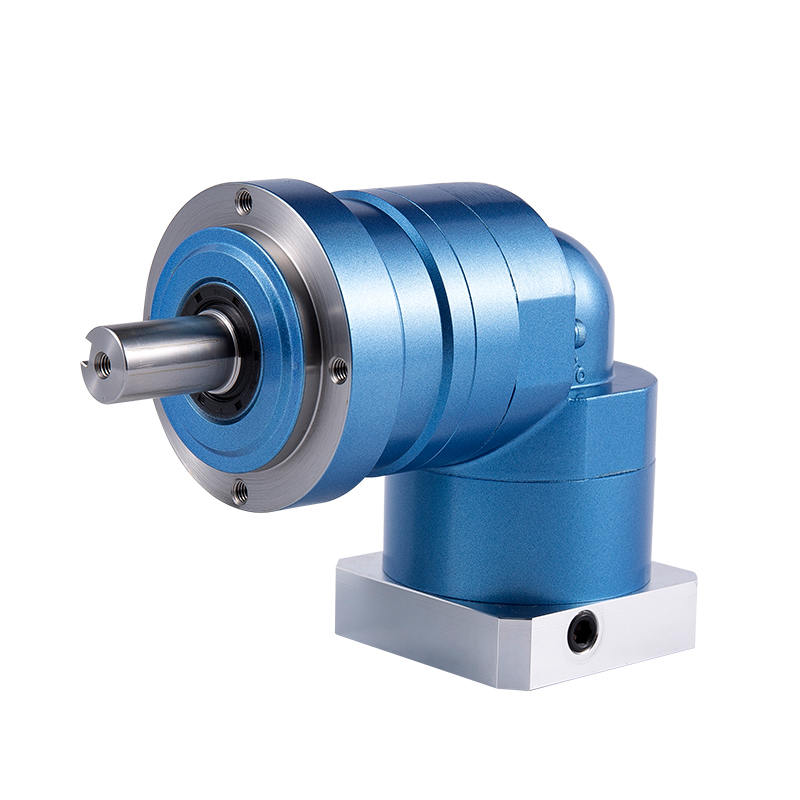
Features of planetary reducer1. Quiet: Use helical gears to achieve smooth and quiet operation;2. Hi...
See Details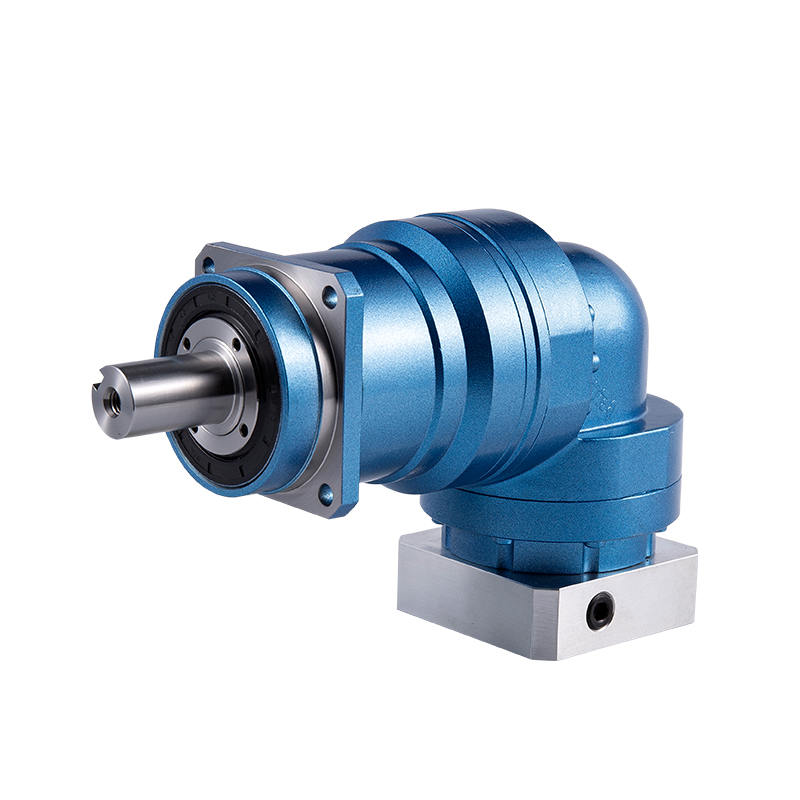
Features of planetary reducer1. Quiet: Use helical gears to achieve smooth and quiet operation;2. Hi...
See Details
Features of planetary reducer1. High precision: the standard backlash is 4 arc minutes, which is ver...
See Details
Features of planetary reducer1. Quiet: Use helical gears to achieve smooth and quiet operation;2. Hi...
See Details
The NHT series planetary reducer adopts an advanced helical gear design, which not only significantl...
See Details
Designed for applications with high radial loads, such as AGV wheel drives, pulley drives. Output op...
See Details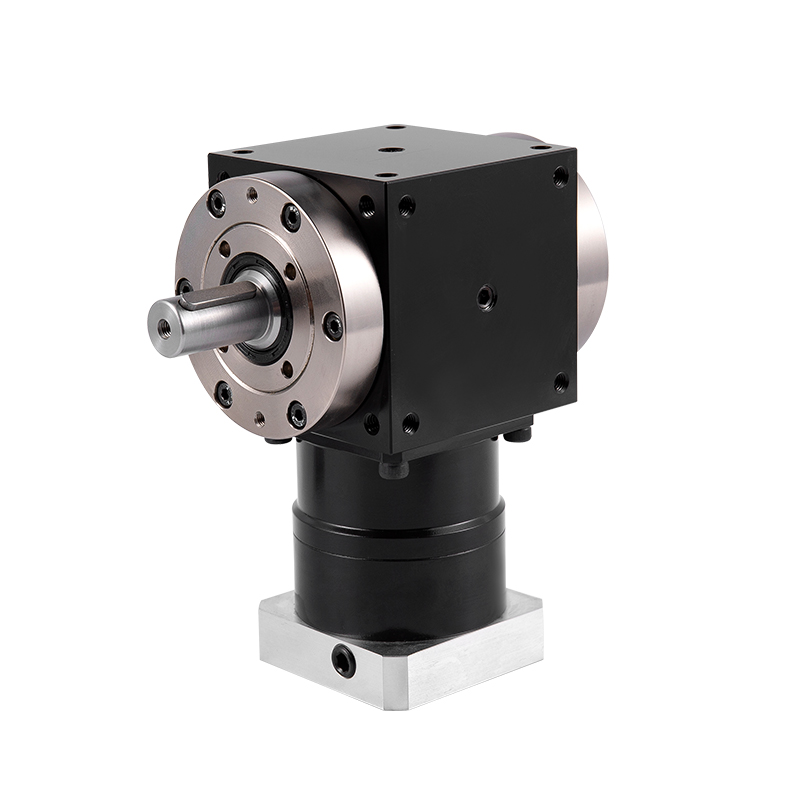
The TD-P series reducer has shown unique advantages in the field of industrial transmission with its...
See Details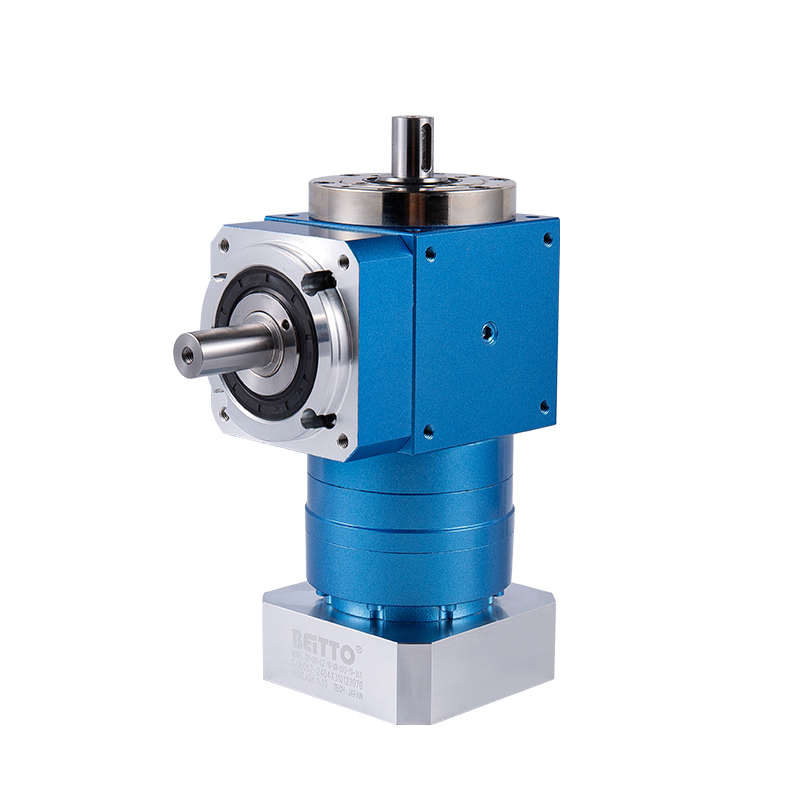
● Various output shaft options● High torque● High efficiency● Long service life● Low backlash● Maint...
See Details

