 EN
EN




 English
 русский
 日本語
日本語 Español
Low Backlash Transmission Planetary Reducer ASR Series For Automation Industry
Cat:Planetary Reducer
Features of planetary reducer1. Quiet: Use helical gears to achieve smooth and quiet operation;2. Hi...
See DetailsIn the domain of industrial automation, robotics, and precision motion control, the selection of appropriate transmission components is a critical decision that directly influences system performance, accuracy, and operational reliability. For mechanical engineers, system designers, and maintenance professionals, understanding the nuances of advanced gearbox technologies is essential for designing robust and efficient motion systems that require directional changes in power transmission. Among the various options available, the Low Backlash Bevel Gearbox stands out as a sophisticated and reliable solution designed to address the unique challenges of precision angle transmission applications. This article provides a detailed analysis of this essential component, exploring its design, materials, performance characteristics, and the advantages it offers over other gearbox technologies.
This comprehensive guide is intended for anyone responsible for the design, operation, or maintenance of precision motion systems requiring angular power transmission, from mechanical engineers and system integrators to maintenance technicians and procurement specialists. We will delve into the core advantages of low backlash bevel gearboxes, compare them with other common gearbox technologies, and explain why specific features like low backlash, bevel gear geometry, and precision engineering are so important. Understanding these elements is key to making an informed purchasing decision that enhances the performance and reliability of motion control systems.
Content
High-quality low backlash bevel gearboxes are engineered to provide a combination of precision, torque capacity, and directional flexibility. These products are constructed with advanced gear geometry and high-quality materials, designed to withstand the rigors of industrial applications and provide consistent performance over a long service life. The primary purpose of a low backlash bevel gearbox is to transmit power between intersecting shafts, typically at a 90-degree angle, while maintaining high positional accuracy. The selection of gear geometry, materials, and construction techniques is critical to the gearbox's performance and longevity.
Beyond basic angle transmission, modern low backlash bevel gearboxes are focused on several key performance features. One of the most critical is low backlash. Backlash is the amount of lost motion between the input and output of a gearbox. In precision applications where angular positioning is critical, even a small amount of backlash can lead to positioning errors, reduced accuracy, and instability in servo control systems. The low backlash bevel gearbox is designed with precision-ground gears and preloaded components to minimize backlash, ensuring accurate and repeatable angular positioning. The ability to achieve low backlash while maintaining high torque capacity is a key differentiator of high-quality bevel gearboxes.
Another key feature is the bevel gear geometry itself. Bevel gears are specifically designed for transmitting power between intersecting shafts, making them essential for applications where space constraints or system architecture require a change in the axis of rotation. The spiral bevel design, common in high-performance gearboxes, offers smoother operation, higher load capacity, and lower noise compared to straight bevel gears. This geometry, combined with precision manufacturing, ensures efficient power transmission and long-term reliability.
To fully appreciate the value of a low backlash bevel gearbox, it is useful to compare it against other common gearbox technologies used in precision motion control applications that require angle transmission. The choice between a bevel gearbox, a worm gearbox, a planetary gearbox with a bevel input, or a right-angle harmonic drive often comes down to the specific performance requirements, application constraints, and budget considerations.
| Feature | Low Backlash Bevel Gearbox | Worm Gearbox | Planetary with Bevel Input | Right-Angle Harmonic Drive |
|---|---|---|---|---|
| Backlash | Low; precision-ground bevel gears | Moderate to High; inherent clearance | Low; precision planetary design | Very Low; virtually zero backlash |
| Torque Capacity | High; robust bevel gear design | Moderate; limited by worm | High; planetary design | Moderate; depends on size |
| Efficiency | High; up to 98% | Low; 40-80% typical | High; up to 96% | Moderate; 70-85% typical |
| Cost | Moderate; good value | Low; simple design | Moderate to High | High; complex manufacturing |
| Self-Locking | No; cannot self-lock | Yes; can self-lock | No | No |
| Speed Capability | High; suitable for high-speed | Low; limited by worm | High; suitable for high-speed | Moderate; speed limited |
| Best Application | Precision positioning, robotics, machine tools | Low-speed, self-locking applications | High-precision automation | Ultra-precision applications |
As the table illustrates, the low backlash bevel gearbox offers a compelling combination of features that make it a leading choice for demanding precision angle transmission applications. While worm gearboxes are cost-effective and can self-lock, they suffer from higher backlash and lower efficiency. Planetary gearboxes with bevel inputs offer excellent performance but can be more complex and costly. Right-angle harmonic drives offer extremely low backlash but come at a premium price and lower efficiency. The low backlash bevel gearbox excels in its niche, delivering low backlash, high efficiency, good torque capacity, and excellent value.
The quality of a product like a low backlash bevel gearbox is measured by several key performance indicators. These metrics provide a quantifiable assessment of its suitability for various applications. The following data highlights the product's core capabilities, underscoring its value in the motion control industry.
These metrics demonstrate that the gearbox is engineered for professional-level performance and reliability. The low backlash ensures precision, the bevel geometry provides directional flexibility, and the high efficiency ensures optimal system performance. This combination of features provides exceptional value for system designers and operators.
The journey from selecting a low backlash bevel gearbox to integrating it into a motion control system is a process that requires careful consideration of the application requirements. Understanding the steps involved ensures optimal use and longevity of the product. This diagram outlines the step-by-step process, from system analysis to ongoing monitoring.
Analyze the application to determine the required torque, speed, ratio, and angular transmission requirements. Consider operating conditions, space constraints, and precision needs.
Install the gearbox according to manufacturer specifications. Ensure proper alignment of input and output shafts, secure mounting, and correct lubrication.
Monitor the gearbox's performance regularly. Check for unusual noise, vibration, or temperature increases that may indicate wear or lubrication issues.
This structured process, when followed by professionals, ensures that the gearbox provides optimal performance and reliability for the motion control system.
A low backlash bevel gearbox is a versatile product that lends itself to a wide range of industrial and commercial motion control applications requiring angular power transmission. Its robust design, performance characteristics, and reliability make it a preferred choice for many different scenarios. Its thoughtful construction and precision make it a preferred choice for a variety of uses.
It is ideally suited for industrial robotics and automation, where precise angular positioning is essential for efficient operation. In CNC machine tools and precision machining, the gearbox's low backlash ensures high-quality finished products. For packaging machinery and material handling equipment, the gearbox's reliability and torque capacity make it a dependable choice for demanding applications. In aerospace and defense, the gearbox's precision and reliability make it suitable for critical systems. The low backlash bevel gearbox is also used in medical equipment, semiconductor manufacturing, printing presses, and other high-precision applications where performance and reliability are paramount. The 90-degree transmission capability makes it ideal for space-constrained designs where the motor must be mounted perpendicular to the driven axis.
The versatility of this gearbox is a testament to its quality. Its ability to adapt to different applications and environments highlights its practicality and makes it a trusted choice among engineers and professionals.
Investing in a high-quality low backlash bevel gearbox also means investing in the longevity of the motion system. The robust construction and high-quality materials are key factors in its long service life. To maintain its performance, simple routine maintenance is recommended. Regular lubrication checks and oil changes according to the manufacturer's recommendations are essential for ensuring long-term reliability. Periodic inspection for signs of wear, such as unusual noise or vibration, will ensure that the gearbox continues to provide adequate performance.
This straightforward maintenance schedule, combined with the product's robust construction, ensures that it remains a reliable component in the motion control system for many years. The precision-ground gears and high-quality materials provide long-lasting performance, making it a cost-effective long-term investment for critical applications.
The low backlash bevel gearbox is a meticulously designed product that exemplifies the best of modern precision transmission technology. Its blend of low backlash, efficient 90-degree power transmission, and reliability offers an exceptional balance of functionality and durability. The product's design, defined by its advanced bevel gear geometry and precision construction, provides a sophisticated foundation for enhancing motion control system performance and reliability. Whether for industrial robotics, precision machining, or aerospace applications, this gearbox represents a leading choice for discerning engineers and professionals seeking quality and performance.
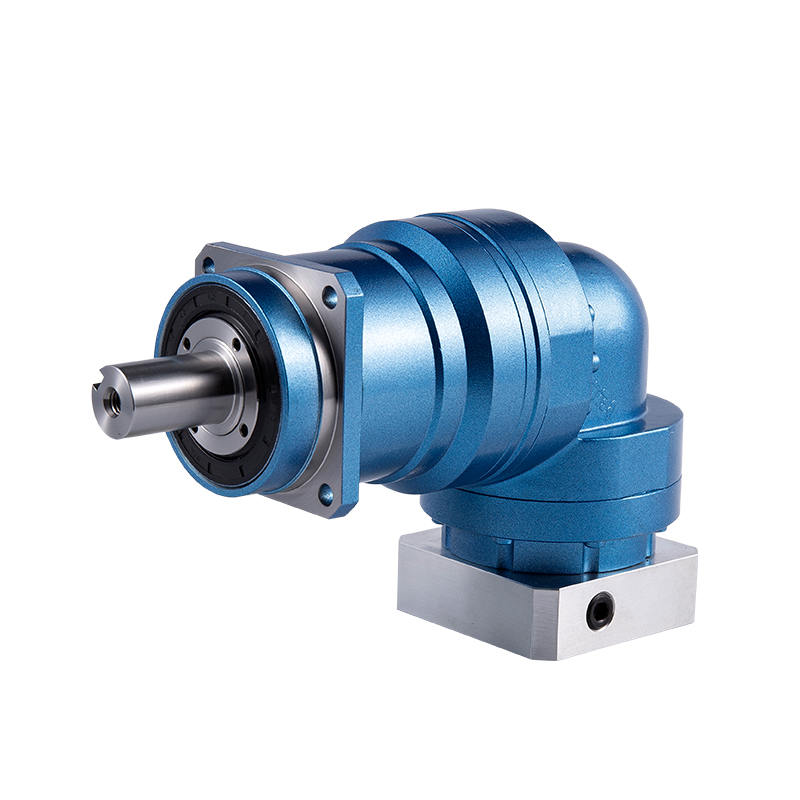
Features of planetary reducer1. Quiet: Use helical gears to achieve smooth and quiet operation;2. Hi...
See Details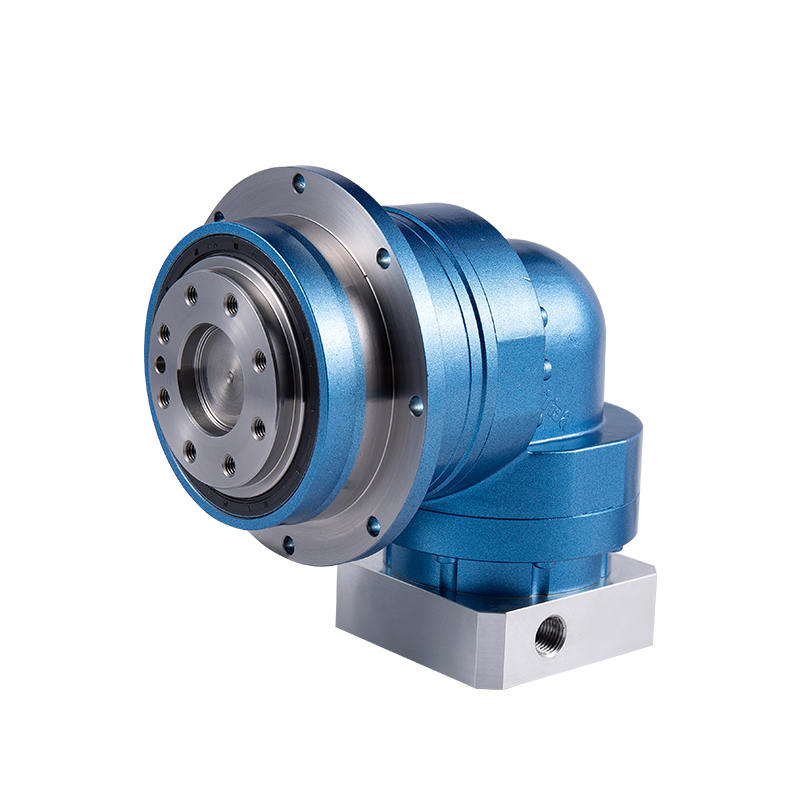
Features of planetary reducer1. High precision: the standard backlash is 4 arc minutes, which is ver...
See Details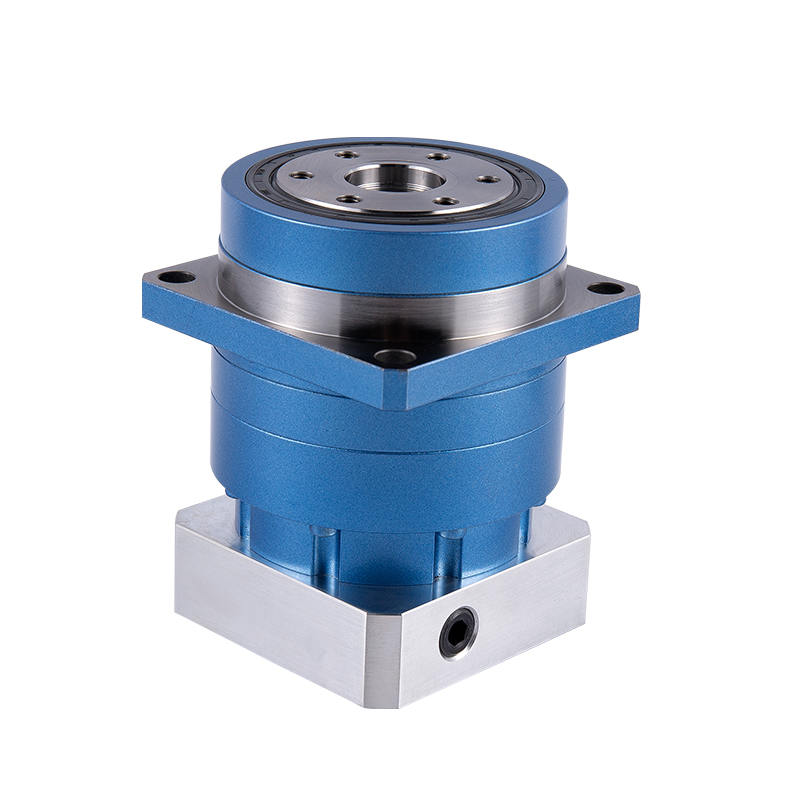
Features of planetary reducer1. Quiet: Use helical gears to achieve smooth and quiet operation;2. Hi...
See Details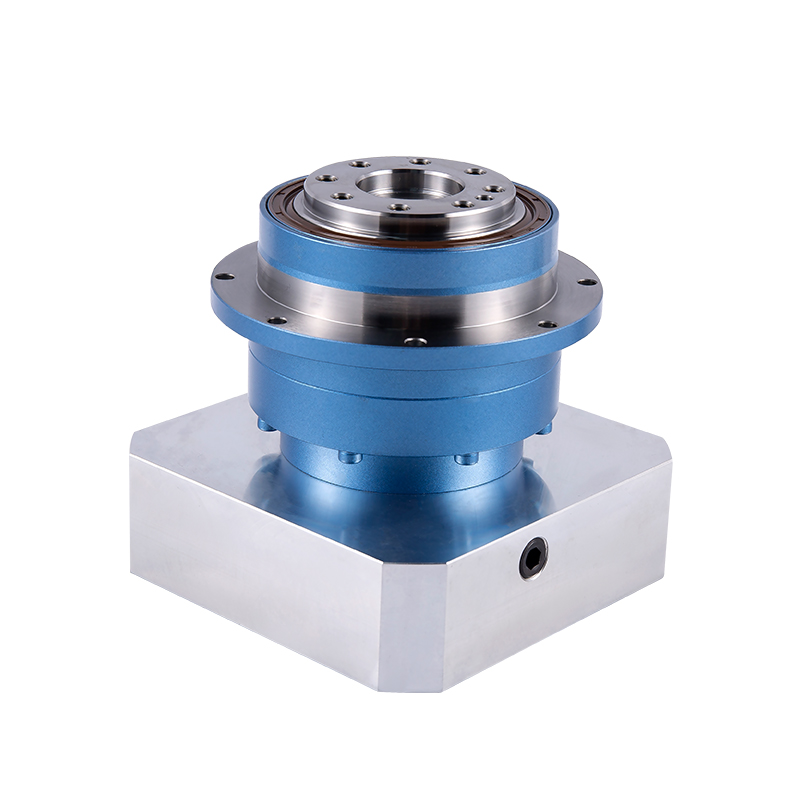
The NHT series planetary reducer adopts an advanced helical gear design, which not only significantl...
See Details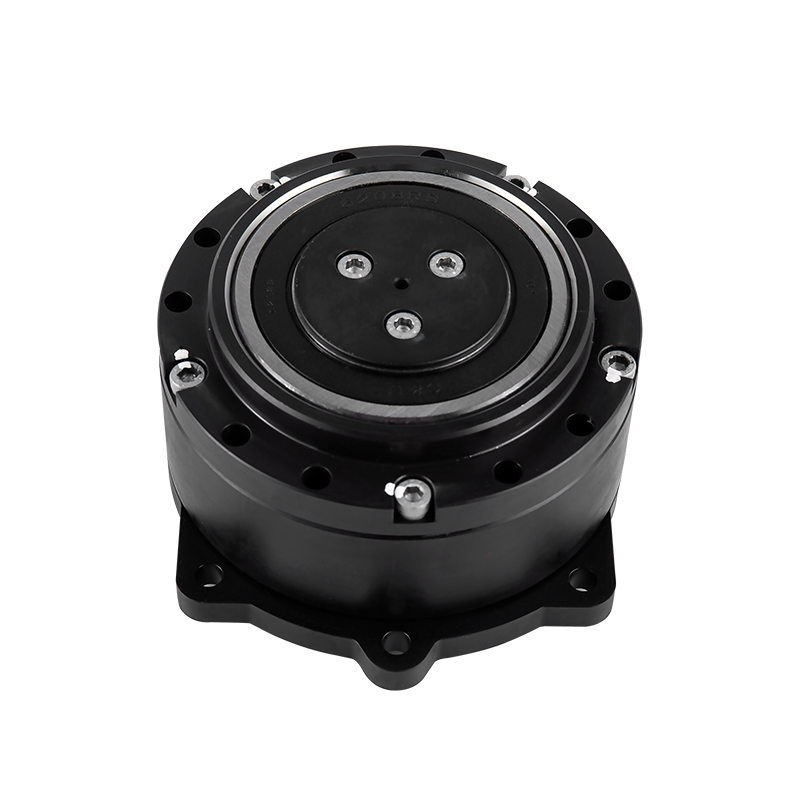
Designed for applications with high radial loads, such as AGV wheel drives, pulley drives. Output op...
See Details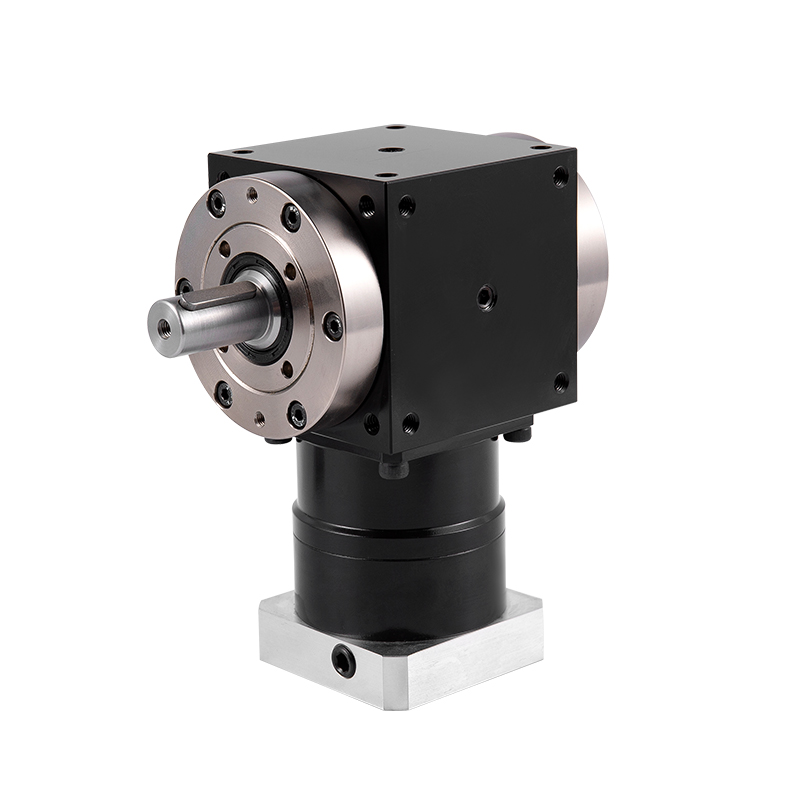
The TD-P series reducer has shown unique advantages in the field of industrial transmission with its...
See Details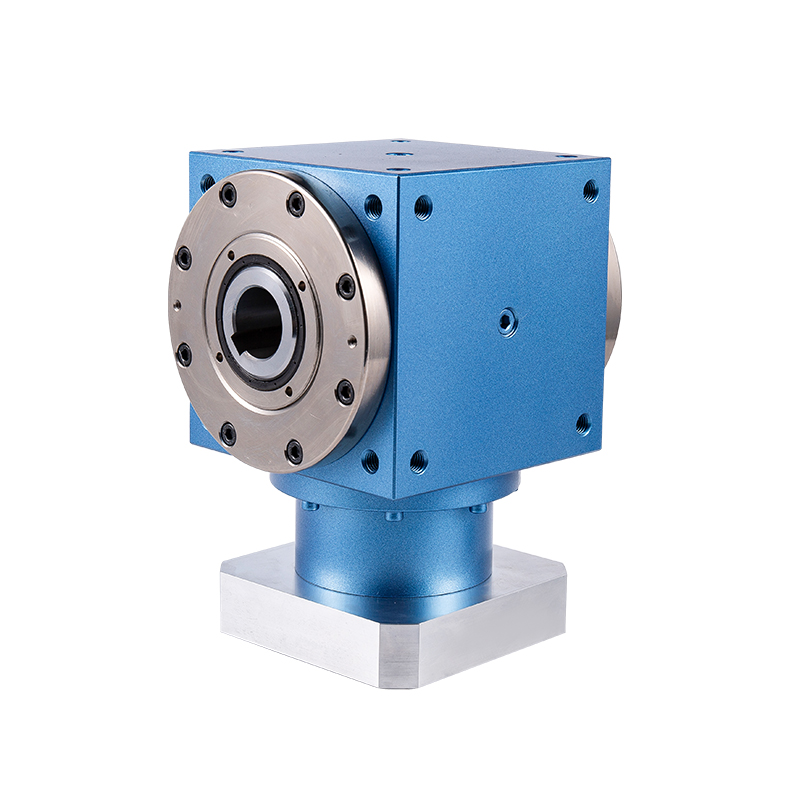
The TD-CR series reducer is centered on the design of hollow shaft output, which not only optimizes ...
See Details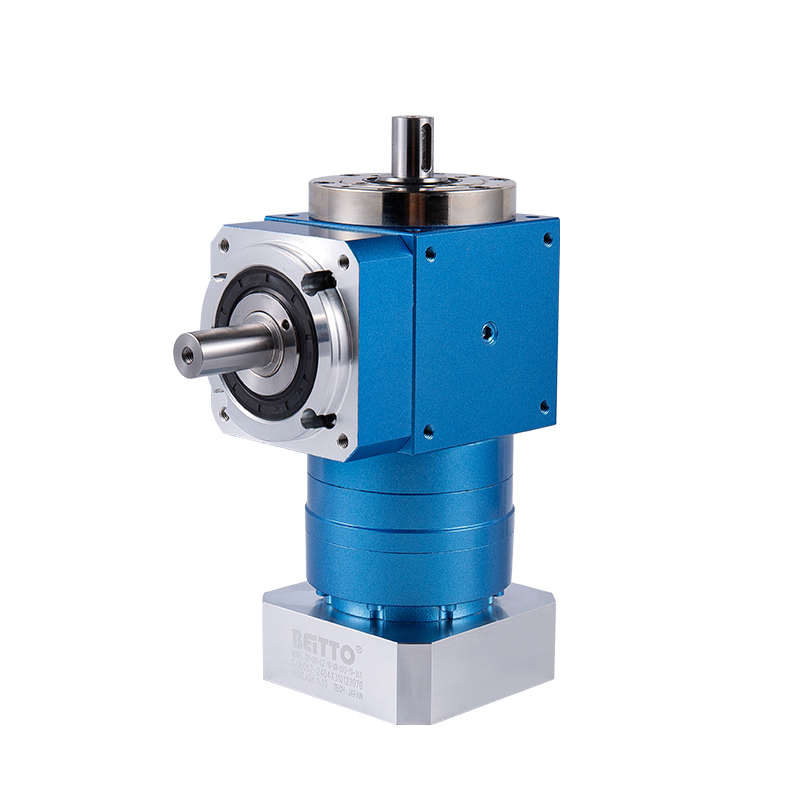
● Various output shaft options● High torque● High efficiency● Long service life● Low backlash● Maint...
See Details
1. Helical gear designThe speed reduction mechanism adopts a helical gear design, and its tooth mesh...
See Details
BSHF series Flexible gear reducer adopts a large-diameter hollow shaft design with a compact structu...
See Details

