 EN
EN




 English
 русский
 日本語
日本語 Español
Helical Tooth Transmission Gearbox Planetary Reducer AHL Series for Servo Motor
Cat:Planetary Reducer
Planetary reducers have been widely used in many industries for their performance. Their uniquely de...
See DetailsIn precision motion control systems, the combination of mechanical power transmission and electrical switching presents unique engineering challenges. A Spiral Bevel Gear Commutator integrates two critical functions into a single assembly. It provides the right-angle torque transfer of a spiral bevel gear set along with the electrical commutation required for DC motors or rotary sensors. This article explains the technical details, selection criteria, and application considerations for engineers and procurement specialists.
Content
A Spiral Bevel Gear Commutator consists of two primary subassemblies. The first part is a pair of spiral bevel gears that transmit rotational motion between intersecting shafts, typically at a 90-degree angle. The second part is a commutator segment that switches electrical current to maintain rotation in a DC motor or to provide positional feedback. Engineers value this integrated design because it reduces the overall component count and eliminates alignment issues that arise when connecting separate gearboxes and commutators.
When evaluating these components, engineers must examine several critical parameters. These parameters determine performance, longevity, and compatibility with the intended application.
The integration of a Spiral Bevel Gear Commutator offers a compact solution for applications where space is limited, and both mechanical and electrical functions are required at the same axis intersection.
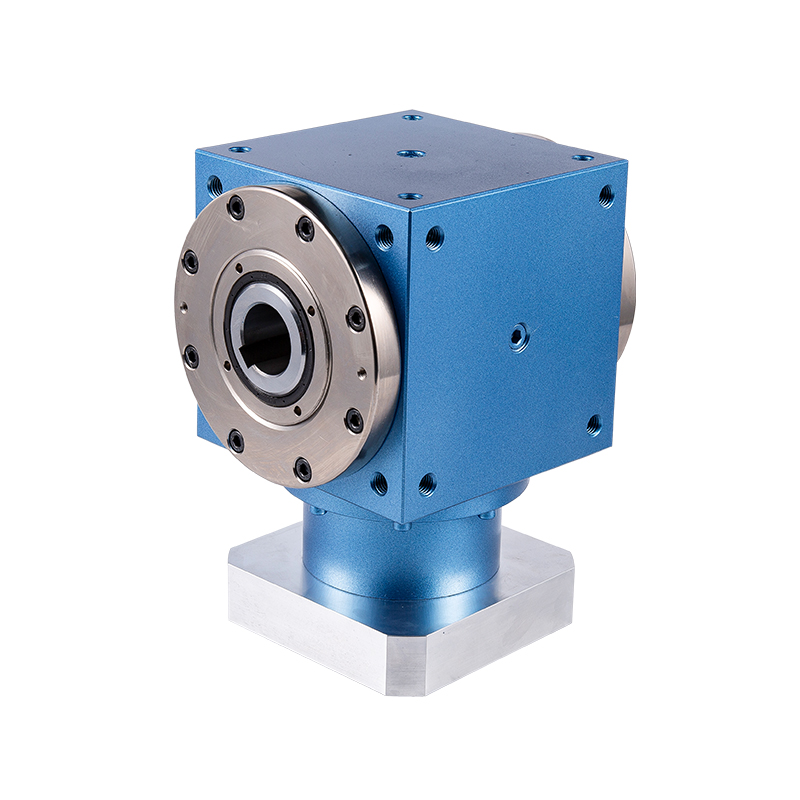
To address specific user intents, we focus on five high-search long-tail keywords that represent common procurement and engineering scenarios.
The choice between spiral and straight bevel gear geometries significantly impacts performance. Spiral bevel gears have curved, oblique teeth that engage gradually. Straight bevel gears have straight teeth that engage suddenly. The following comparison highlights the differences relevant to commutator assemblies.
For applications demanding smooth operation and high speeds, the Spiral Bevel Gear Commutator provides superior characteristics. The table below outlines key distinctions.
| Characteristic | Spiral Bevel Gear Commutator | Straight Bevel Gear Commutator |
|---|---|---|
| Tooth Engagement | Gradual, overlapping contact | Suddenly, line contact |
| Maximum RPM | Up to 15,000 RPM with proper balancing | Typically below 5,000 RPM |
| Noise Level | Lower, suitable for precision environments | Higher, audible whine at speed |
| Torque Capacity | Higher for the same size due to increased contact area | Lower, limited by tooth strength |
| Manufacturing Cost | Higher due to complex geometry | Lower, simpler machining |
Selecting the right Spiral Bevel Gear Commutator requires a balanced assessment of mechanical, electrical, and environmental factors. B2B buyers must ensure the component meets both performance specifications and long-term reliability requirements.
The gear materials typically consist of hardened steel alloys such as 8620 or 9310, which provide excellent wear resistance. For commutator segments, copper alloys with silver content ranging from 5% to 15% offer low contact resistance and high conductivity. Engineers should verify that the insulation between commutator segments uses high-temperature materials such as glass-reinforced epoxy or polyimide, especially for applications involving high current or elevated ambient temperatures.
For specialized equipment, a custom spiral bevel gear commutator assembly often becomes necessary. Customization can include modified shaft diameters, special mounting flanges, or integrated thermal sensors. For high-speed applications, a high-speed spiral bevel gear commutator requires precision balancing to ISO 1940 G2.5 standards or tighter to prevent vibration-induced wear on both the gears and the commutator brushes.
Different industries impose unique demands on these integrated components. In robotics, a spiral bevel gear commutator for a DC motor allows for compact joint designs where the motor axis is perpendicular to the output axis. For machine tool applications, a spiral bevel gear commutator with encoder mount enables precise position feedback without adding a separate gear train. When sourcing replacement spiral bevel gear commutator units, verifying the original gear tooth pattern and commutator timing is critical to ensure proper phasing between mechanical position and electrical switching.
For large-scale B2B purchases, verifying compliance with industry standards is essential. Reputable manufacturers typically adhere to AGMA (American Gear Manufacturers Association) standards for gear quality, such as AGMA 2000-A88 for gear tooth accuracy. Electrical components should meet UL 1004 for rotating electrical machinery or applicable IEC standards. Key procurement documents should include:
The market for spiral bevel gear commutator assemblies continues to evolve with the demand for higher power density and improved reliability in industrial automation and electric vehicle applications.
Under nominal operating conditions with proper lubrication and brush maintenance, the mechanical gear components typically last for 15,000 to 25,000 operating hours before exhibiting measurable wear. The commutator electrical lifespan depends heavily on current load and brush material, with silver-graphite brushes lasting 5,000 to 10,000 hours under rated load. Regular inspection of brush length and commutator surface condition is recommended for predictive maintenance.
The required gear ratio depends on your torque and speed requirements. Start by calculating the required output torque and speed from your load. Then divide the desired output speed by your motor's rated speed to find the reduction ratio. For most DC motor applications, ratios between 2:1 and 4:1 provide a good balance between torque multiplication and output speed. For custom requirements, consult the manufacturer's engineering team with your load profile data.
Standard assemblies typically use insulation materials rated for 105°C to 130°C. For ambient temperatures exceeding 80°C or applications with high internal heat generation, you should specify a custom spiral bevel gear commutator assembly with high-temperature insulation materials such as polyimide (rated to 220°C) and high-temperature lubricants. The gear materials themselves maintain strength up to approximately 150°C before tempering effects become a concern.
When installing replacement spiral bevel gear commutator units, you should perform several critical steps. First, verify the gear tooth contact pattern using marking compound to ensure proper meshing. Second, set the correct backlash according to the manufacturer's specifications, typically 0.05 to 0.15 mm for precision assemblies. Third, inspect the commutator surface and seat new brushes following the recommended break-in procedure. Finally, verify the timing between the commutator segments and the gear position if the assembly uses electrical switching synchronized with mechanical position.
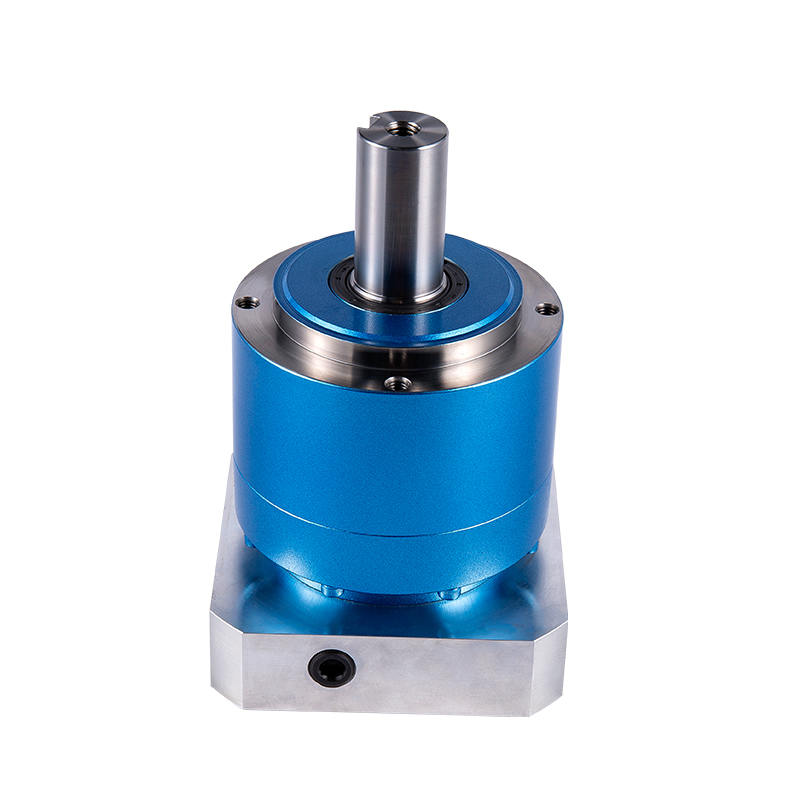
Planetary reducers have been widely used in many industries for their performance. Their uniquely de...
See Details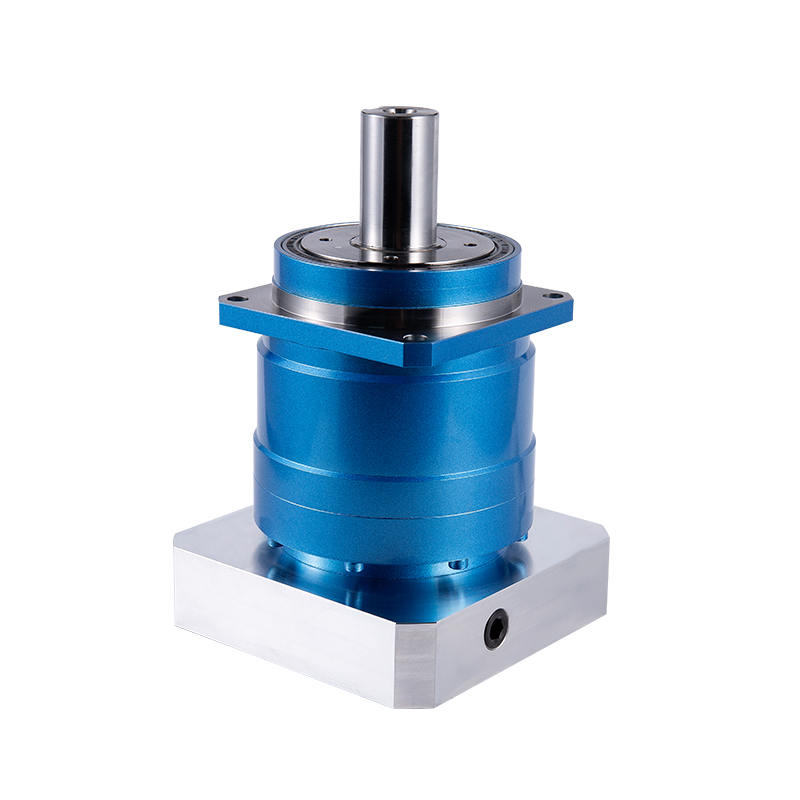
Planetary reducers occupy an important position in the field of industrial automation. The high-prec...
See Details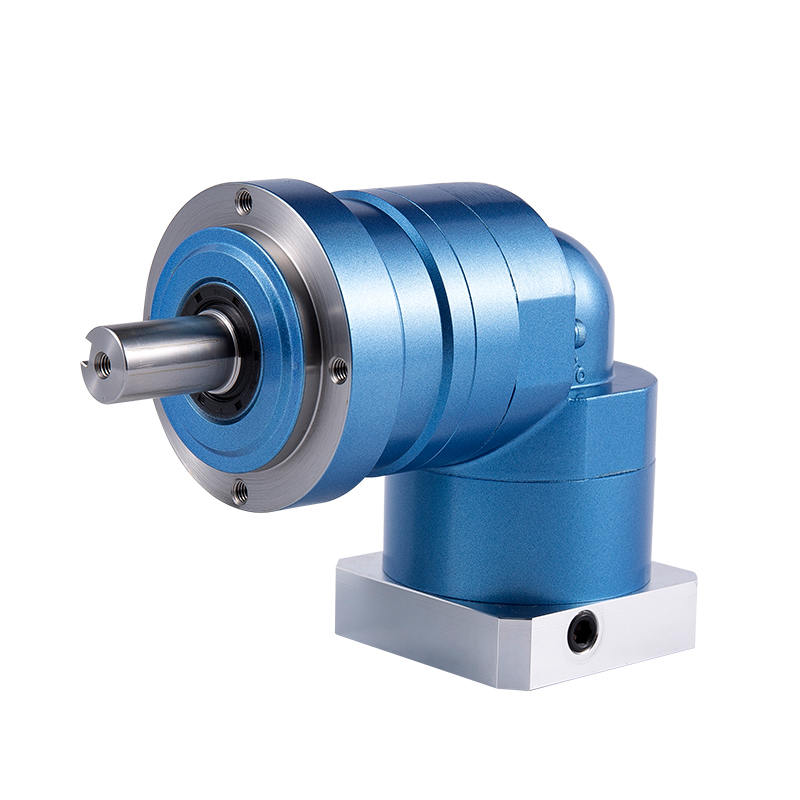
Features of planetary reducer1. Quiet: Use helical gears to achieve smooth and quiet operation;2. Hi...
See Details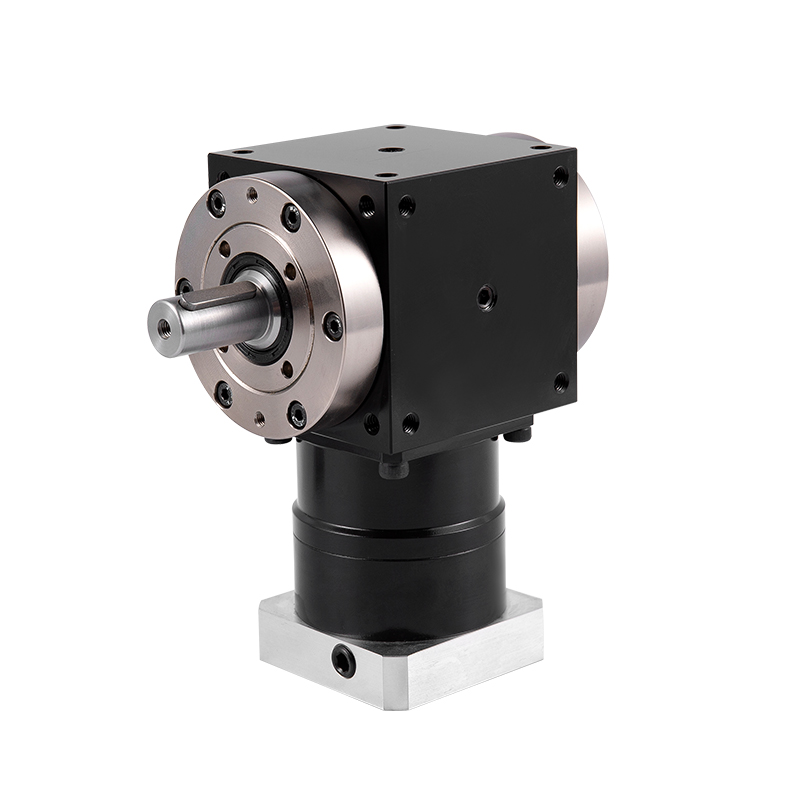
The TD-P series reducer has shown unique advantages in the field of industrial transmission with its...
See Details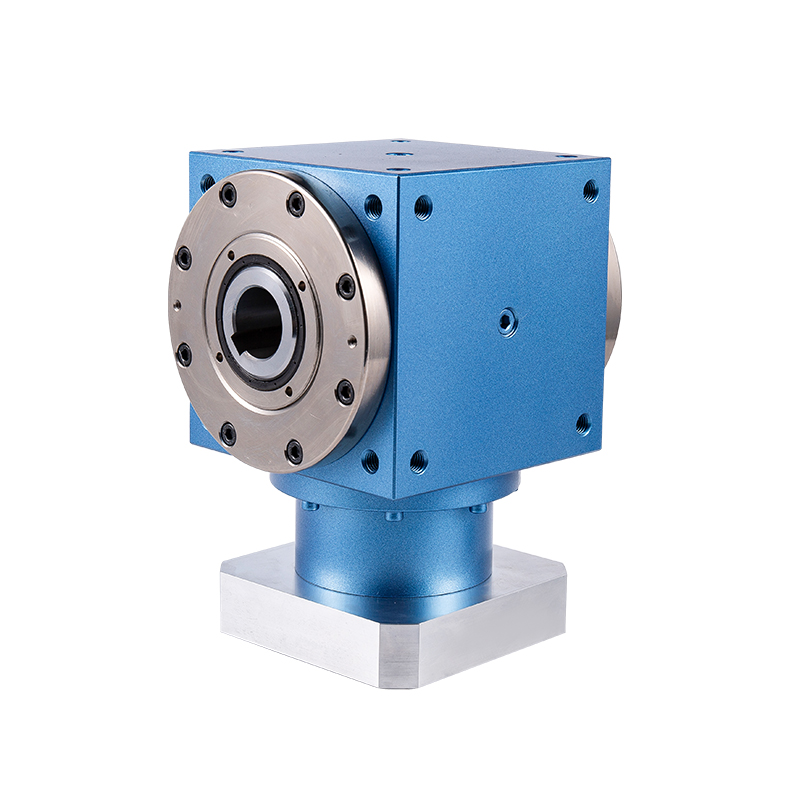
The TD-CR series reducer is centered on the design of hollow shaft output, which not only optimizes ...
See Details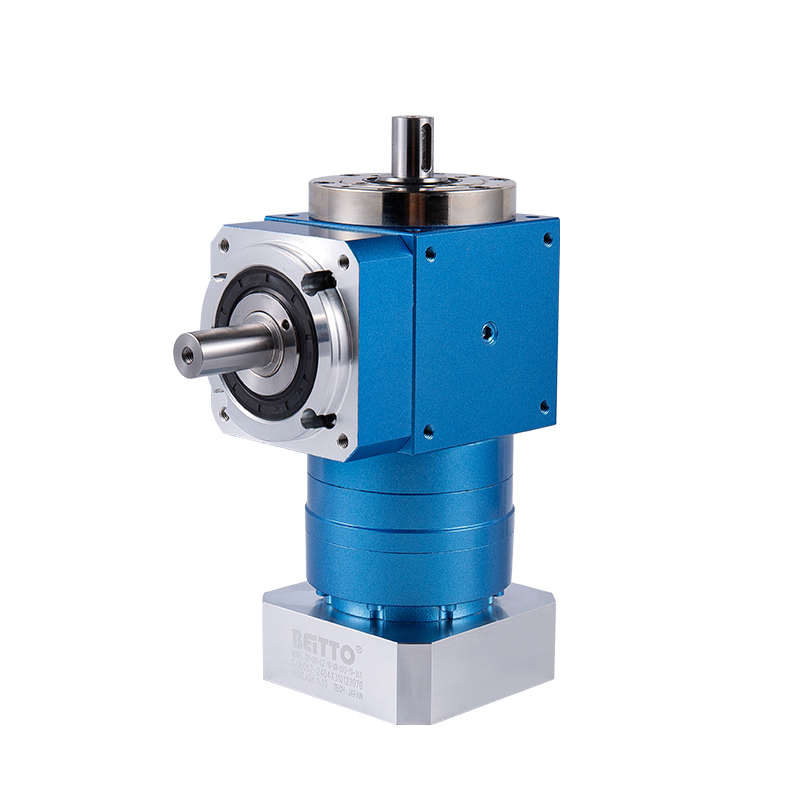
● Various output shaft options● High torque● High efficiency● Long service life● Low backlash● Maint...
See Details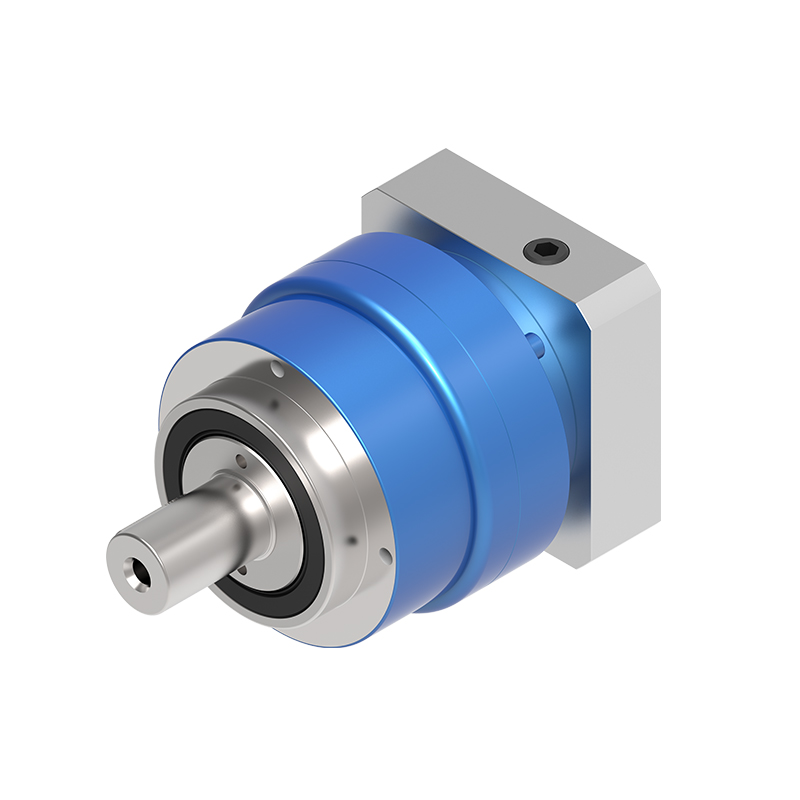
Innovative helical gear structureThe reduction mechanism introduces an innovative helical gear desig...
See Details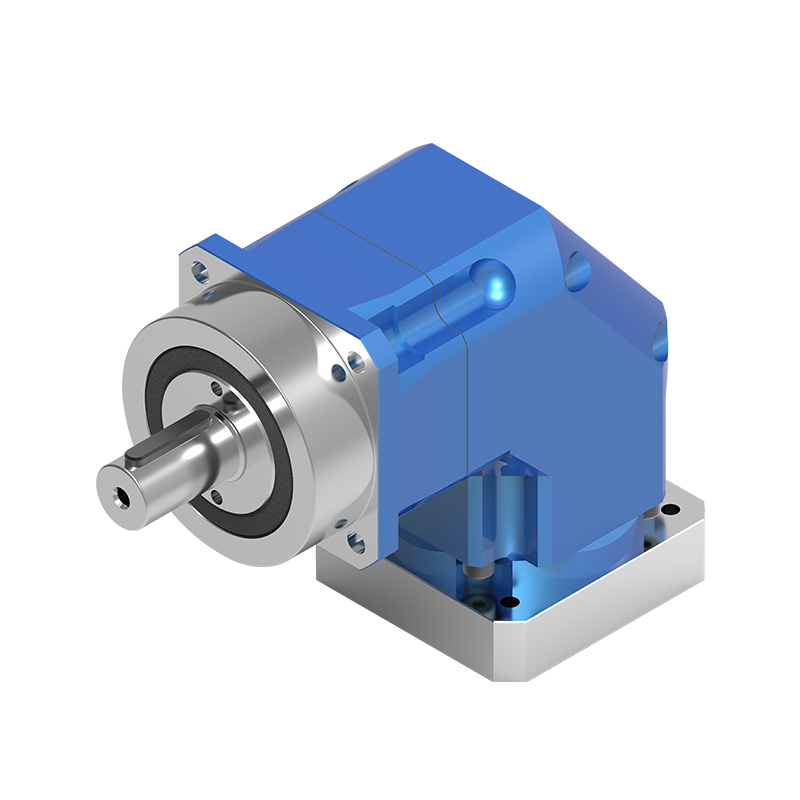
The NSR series planetary reducer adopts a spiral bevel gear design. This innovation not only makes t...
See Details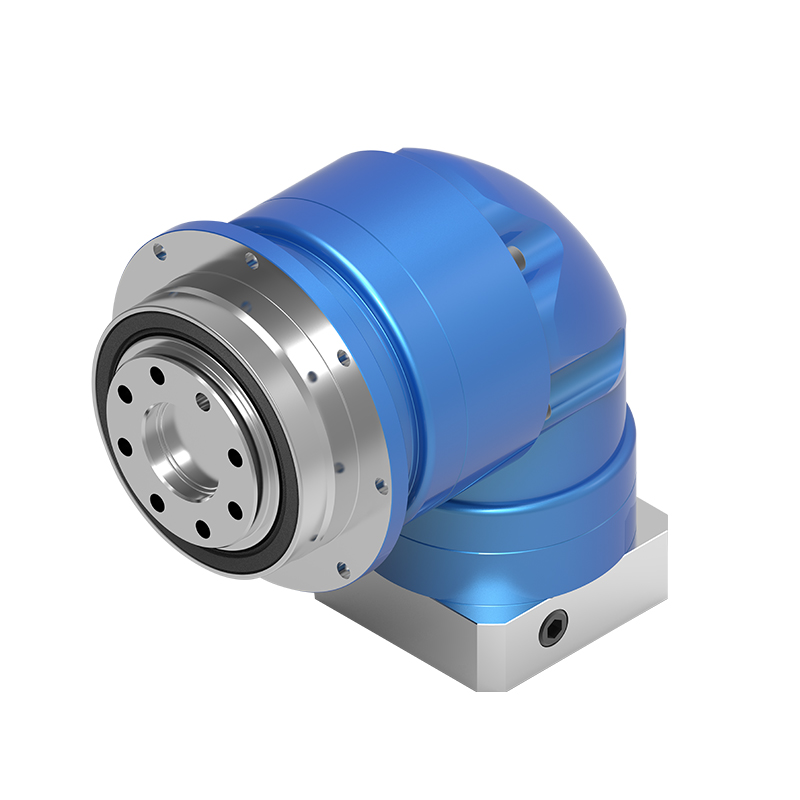
NTR series planetary reducer adopts spiral bevel gear design, which allows high-speed input of servo...
See Details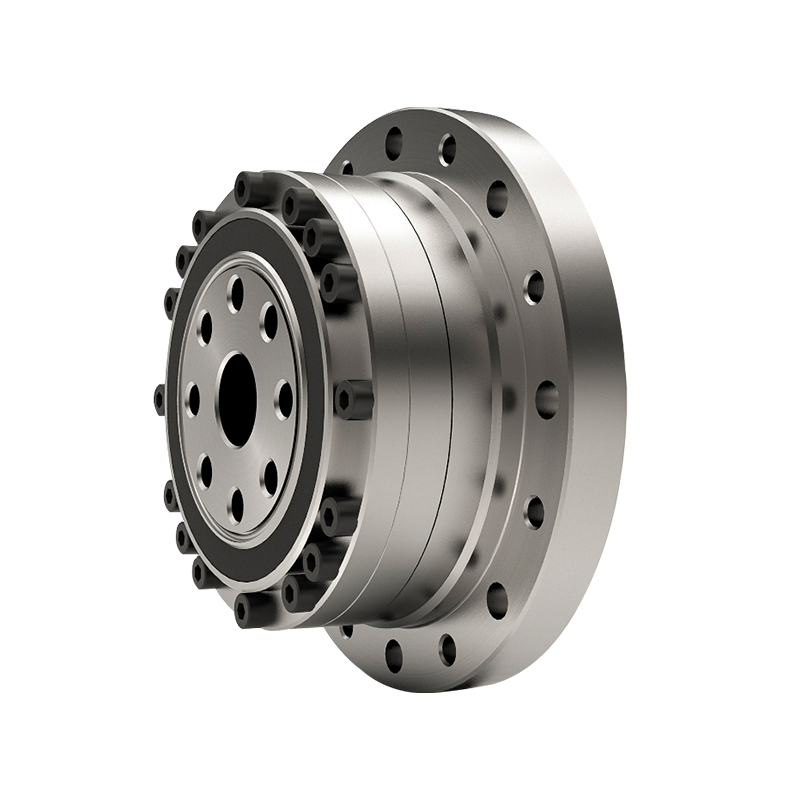
The BCSG series Flexible gear reducer is designed to be light and simple, which not only effectively...
See Details

