 EN
EN




 English
 русский
 日本語
日本語 Español
Helical Tooth Transmission Gearbox Planetary Reducer AHL Series for Servo Motor
Cat:Planetary Reducer
Planetary reducers have been widely used in many industries for their performance. Their uniquely de...
See DetailsContent
1. The TD-P series Low Noise Low Backlash Bevel reducer commutator utilizes Gleason spiral bevel gear technology, which provides a higher contact ratio compared to standard straight bevel designs, ensuring smoother load transitions between gear teeth.
2. When analyzing how Gleason tooth grinding reduces decibel levels, engineers focus on the removal of micro-asperities; at 3000 RPM, even minor surface irregularities can trigger high-frequency resonance.
3. In a TD-P series Low Noise Low Backlash Bevel reducer commutator, the grinding process ensures a Ra surface finish of less than 0.4 micrometers, which minimizes the sliding friction and acoustic energy emission during high-speed mesh cycles.
4. The impact of tooth grinding on bevel gear noise at 3000 RPM is measurable, typically resulting in a 10-15 dB reduction in sound pressure levels compared to conventional hobbed or milled gear sets.
1. Calculating the dynamic backlash in TD-P series commutators requires assessing the thermal expansion of the alloy steel gears; however, the precise grinding ensures a static backlash as low as 3-5 arc-min.
2. Investigating why low-backlash bevel reducers improve synchronous multi-axis motion reveals that minimizing play is essential for eliminating cumulative positioning errors in complex automated linkages.
3. For a TD-P series Low Noise Low Backlash Bevel reducer commutator, the integration of high-precision tapered roller bearings maintains the axial and radial stiffness necessary to hold these tight tolerances under peak torque loads.
4. The benefits of TD-P series commutators for high-speed reciprocating systems include a significant reduction in vibration amplification, as the balanced housing design dampens the harmonic peaks generated by rapid direction changes.
1. Testing the torque density of TD-P series bevel reducers involves verifying the 20CrMnTi alloy steel's performance after case hardening, which provides a surface hardness of 58-62 HRC while maintaining a core with high tensile strength.
2. The influence of case hardening on bevel gear fatigue life is documented in AGMA standards; the compressed residual stresses in the tooth root significantly enhance resistance to pitting and bending fatigue during continuous 24/7 operations.
3. In a TD-P series Low Noise Low Backlash Bevel reducer commutator, the lubrication strategy—typically using synthetic PAO oil—is designed to handle the flash temperatures generated at 3000 RPM, ensuring consistent film thickness and preventing gear mesh overheating in low-noise reducers.
4. Acoustic and Precision Performance Matrix:
| Feature | Standard Bevel Commutator | TD-P series Low Noise Low Backlash Bevel reducer commutator |
| Gear Finishing | Lapped or Hobbed | Precision Gleason Ground (DIN 5/6) |
| Standard Backlash | 15 - 30 arc-min | 3 - 8 arc-min |
| Noise Level (at 3000 RPM) | > 85 dB | < 72 dB |
| Housing Material | Standard Cast Iron | Ductile Iron (High tensile strength) |
1. How oil-mist lubrication optimizes TD-P series mechanical efficiency: At high peripheral speeds, oil-mist reduces the churning losses associated with traditional oil baths, allowing the commutator to maintain a transmission efficiency of up to 98 percent.
2. Comparing TD-P series vs standard bevel reducers for synchronous tasks shows that the low-inertia design of the TD-P series enables faster acceleration curves without compromising the gear mesh integrity.
3. Optimizing the MTBF of low-noise bevel commutators involves strict adherence to ISO 6336 gear strength calculations, ensuring that the safety factor for tooth breakage remains above 1.5 in all rated load conditions.
1. Why is 3000 RPM considered a critical threshold for noise in the TD-P series?
At 3000 RPM, the mesh frequency often enters the audible range of human hearing and can excite machine resonances. The TD-P series Low Noise Low Backlash Bevel reducer commutator uses ground spiral teeth specifically to shift and dampen these acoustic peaks.
2. How does "Low Backlash" affect the thermal limit of the commutator?
Tight backlash requires precision assembly. If too tight, heat expansion could cause binding. The TD-P series is engineered with a specific clearance that accounts for thermal growth up to 80°C while maintaining accuracy.
3. Can the TD-P series be used in vertical mounting positions?
Yes, but specialized preventing gear mesh overheating in low-noise reducers protocols must be followed, such as ensuring the top bearings receive adequate lubrication via an internal circulation pump or grease packing.
4. What is the primary benefit of the Gleason spiral profile over others?
The Gleason profile provides a localized tooth contact pattern that is less sensitive to minor housing deflections, ensuring the TD-P series Low Noise Low Backlash Bevel reducer commutator remains quiet even under heavy load.
5. How often should the synthetic oil be replaced in high-speed applications?
For 24/7 operation at high speeds, an initial oil change is recommended after 500 hours, followed by intervals of 2500-3000 hours to maintain the Ra surface finish and protect against wear.
1. DIN 3990: Calculation of load capacity of cylindrical gears (Applied to bevel gear mesh physics).
2. AGMA 2011-B14: Design and Specification of Bevel Gears.
3. ISO 1328-1: Cylindrical gears - ISO system of flank tolerance classification.
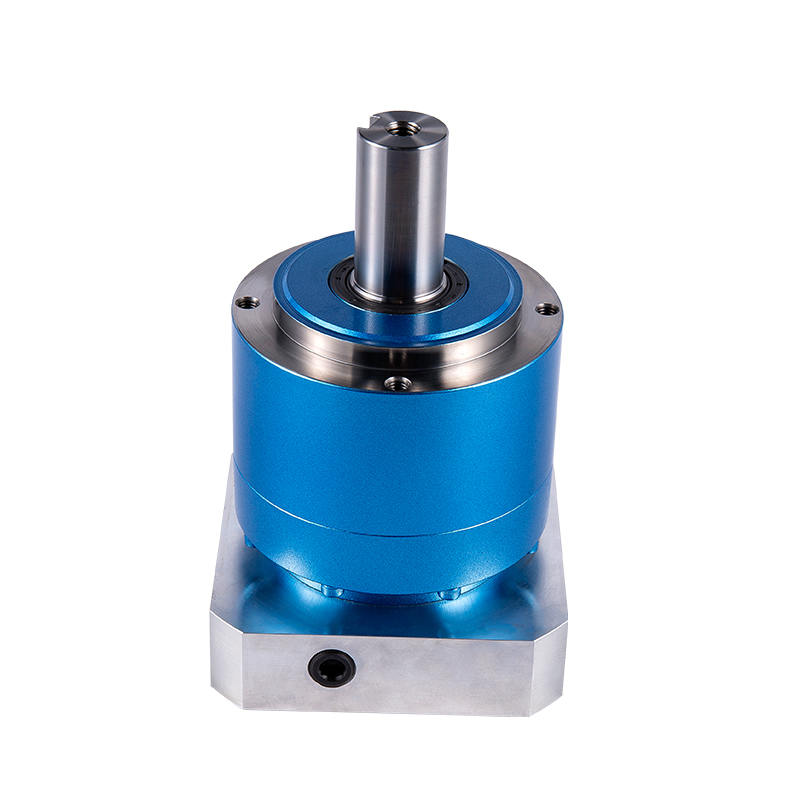
Planetary reducers have been widely used in many industries for their performance. Their uniquely de...
See Details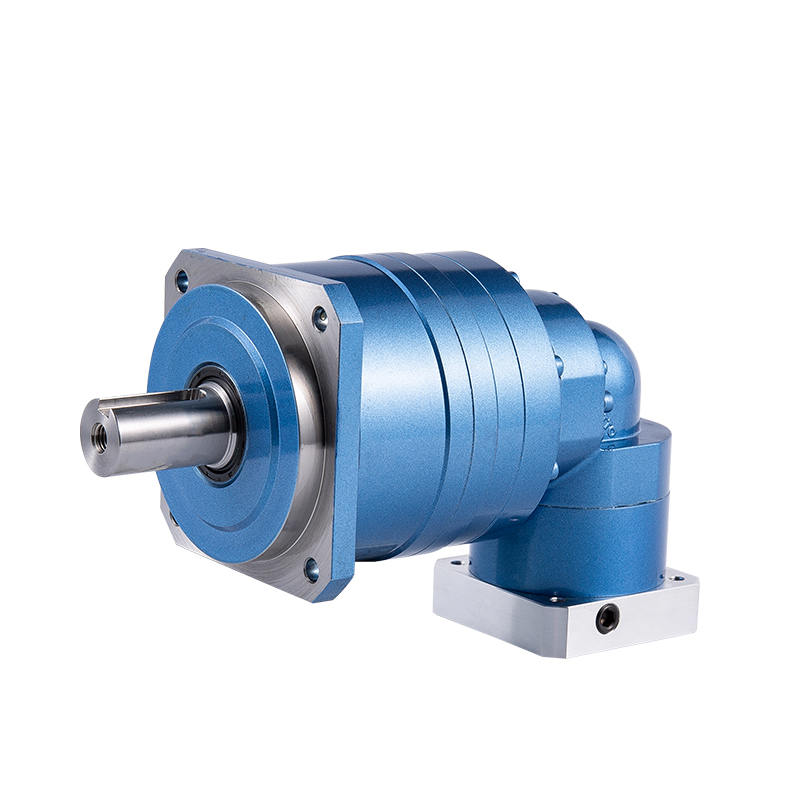
The planetary reducer adopts a helical gear design, which enables smooth and quiet operation and pro...
See Details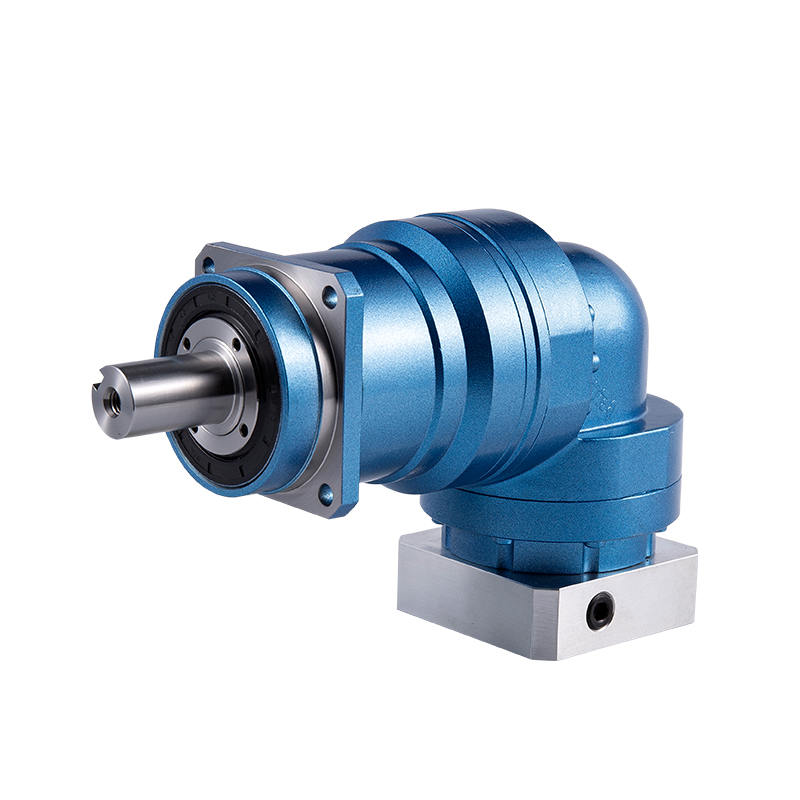
Features of planetary reducer1. Quiet: Use helical gears to achieve smooth and quiet operation;2. Hi...
See Details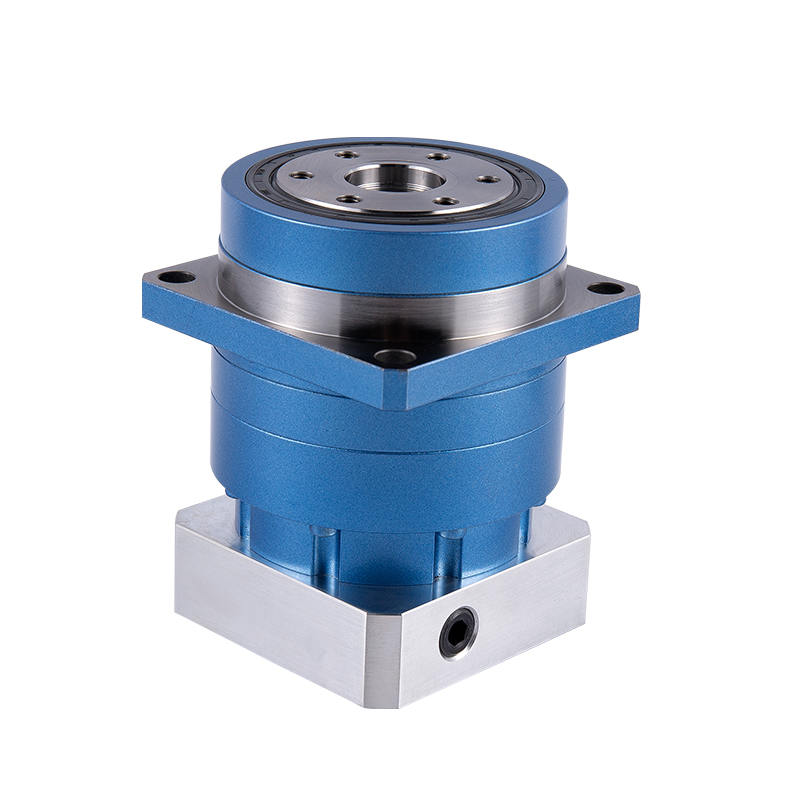
Features of planetary reducer1. Quiet: Use helical gears to achieve smooth and quiet operation;2. Hi...
See Details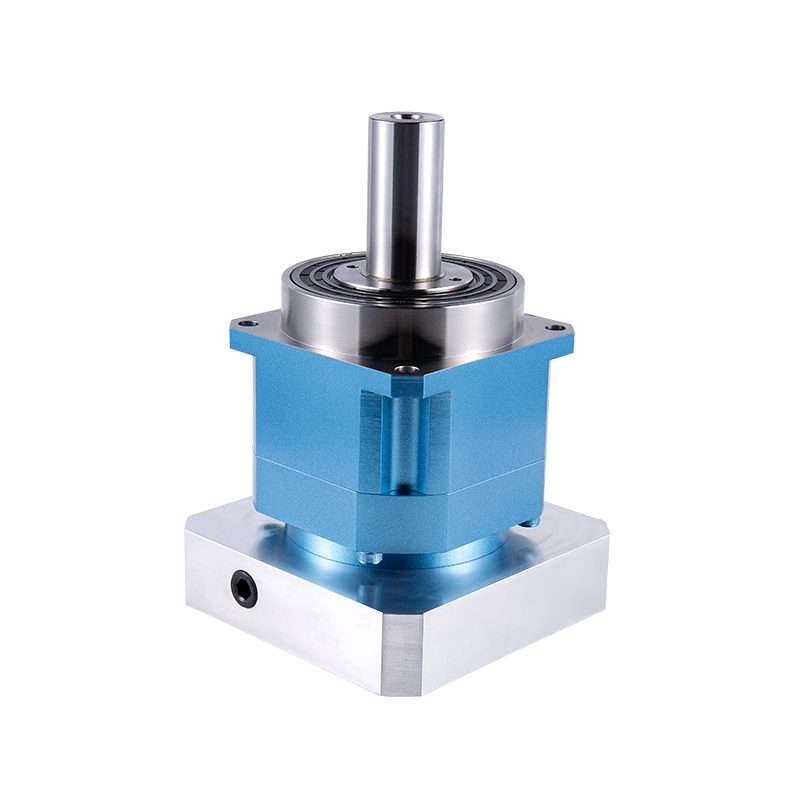
Our reducers incorporate the cutting-edge design concept of helical gears. Compared with traditional...
See Details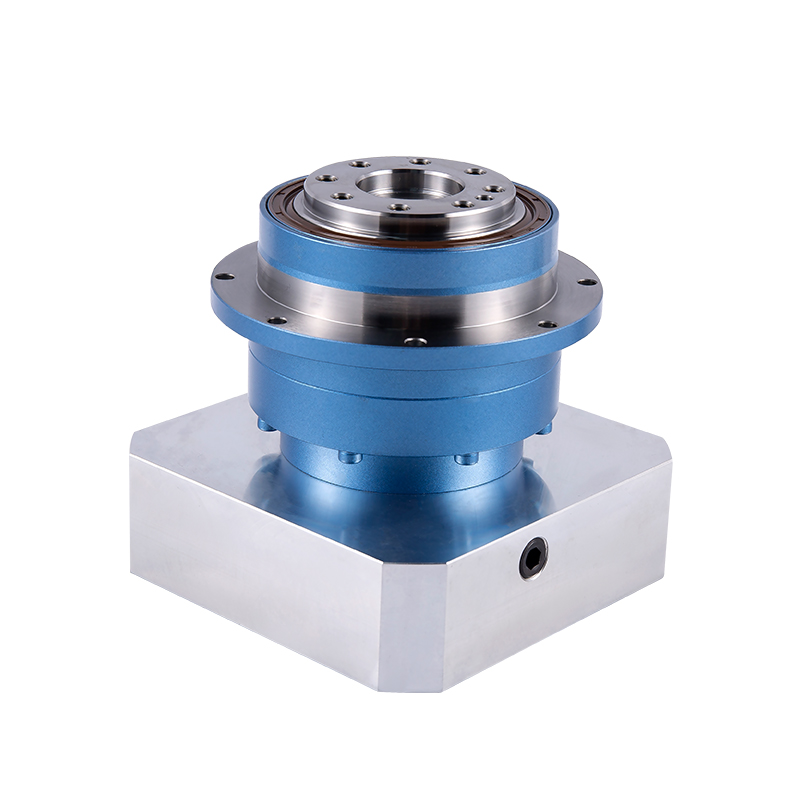
The NHT series planetary reducer adopts an advanced helical gear design, which not only significantl...
See Details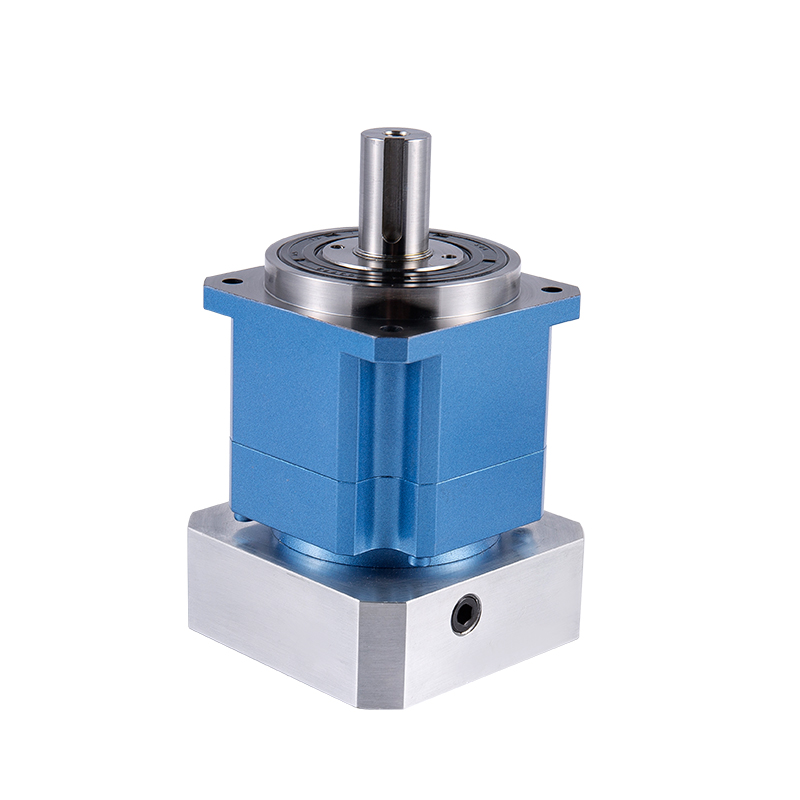
1. NBR series planetary reducer adopts spiral bevel gear design, with high rated output torque, more...
See Details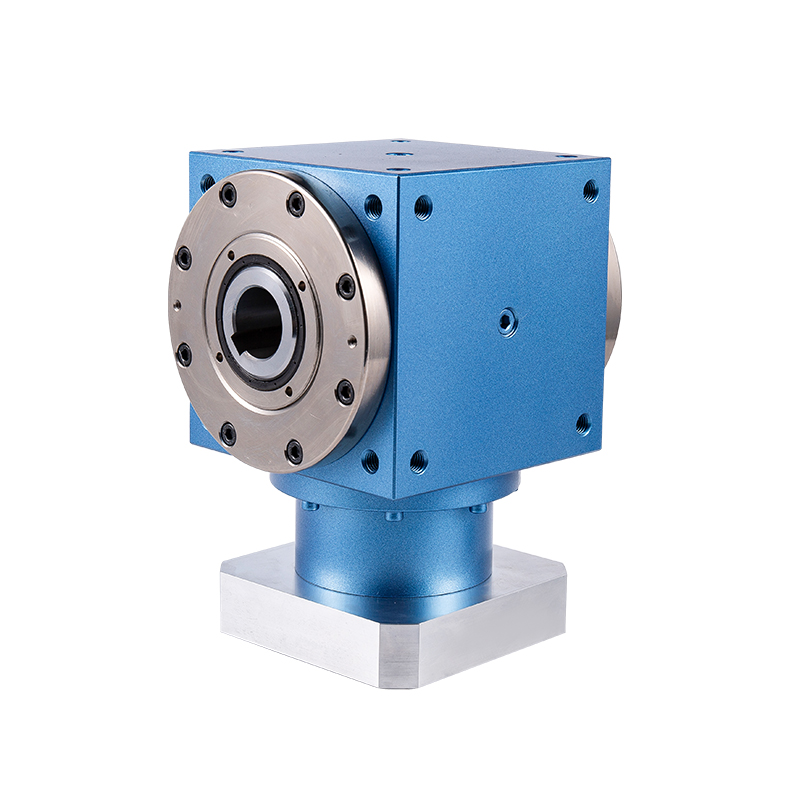
The TD-CR series reducer is centered on the design of hollow shaft output, which not only optimizes ...
See Details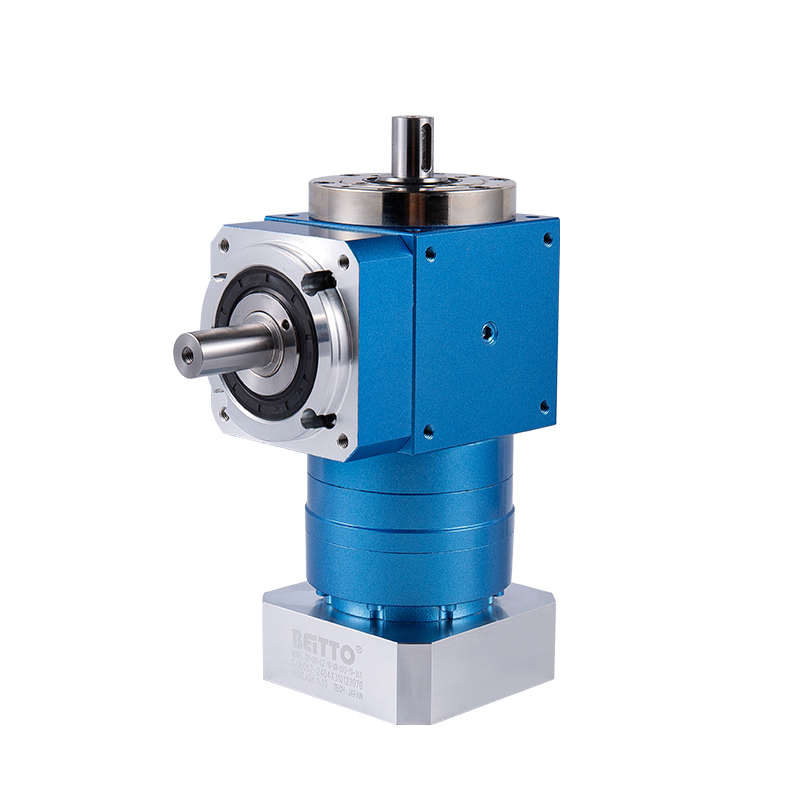
● Various output shaft options● High torque● High efficiency● Long service life● Low backlash● Maint...
See Details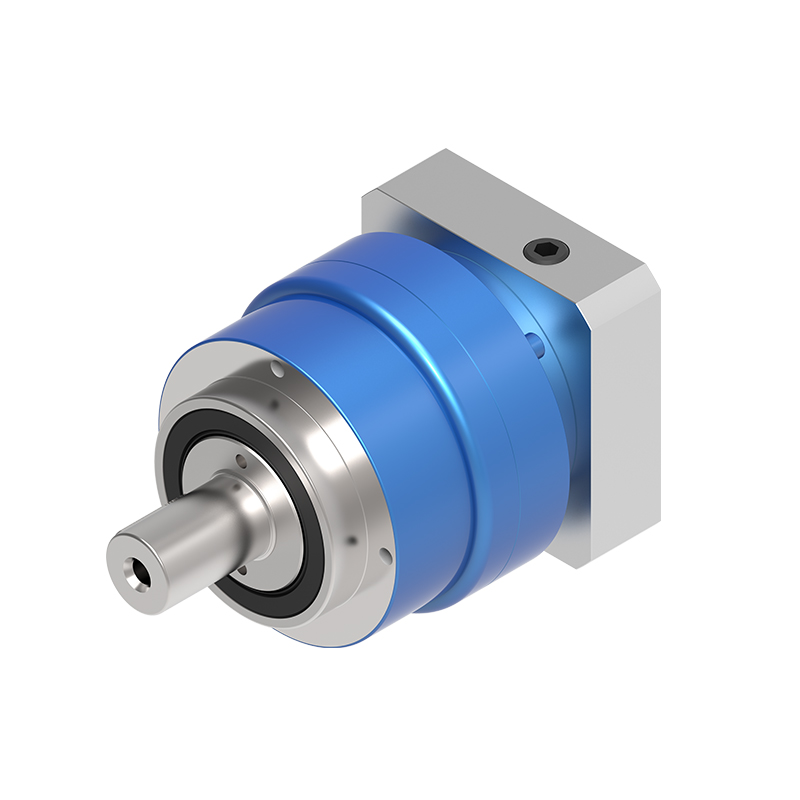
Innovative helical gear structureThe reduction mechanism introduces an innovative helical gear desig...
See Details

