 EN
EN




 English
 русский
 日本語
日本語 Español
Helical Tooth Transmission Gearbox Planetary Reducer ABR series
Cat:Planetary Reducer
The planetary reducer adopts a helical gear design, which enables smooth and quiet operation and pro...
See DetailsContent
1. In high-duty cycle industrial applications, the planetgear speed reducer operates under significant thermal stress, where the difference between input power and output power is converted into heat through friction and oil churning.
2. Understanding how mesh efficiency affects speed reducer heat generation is fundamental; for instance, a precision-ground gear set with 97% efficiency dissipates 3% of the transmitted power as thermal energy, which must be managed to prevent lubricant oxidation.
3. For a heavy-duty planetgear speed reducer, the thermal power limit is the maximum power it can transmit continuously without the oil sump temperature exceeding 95°C (203°F).
4. The impact of tooth profile modification on gear mesh efficiency cannot be overstated; by applying tip relief and crowning (per ISO 6336 standards), engineers reduce the sliding friction at the entry and exit points of the mesh cycle.
1. Calculating the thermal power limit for planetary gearboxes requires an assessment of the convective heat transfer coefficient of the housing and the ambient airflow velocity.
2. Investigating why high-duty cycle reducers require synthetic lubricants reveals that polyalphaolefin (PAO) based oils maintain a stable viscosity index even when the gear mesh generates intense flash temperatures.
3. In a planetgear speed reducer, achieving a Ra surface finish of less than 0.8 micrometers on the sun and planet gear teeth significantly lowers the friction coefficient compared to standard hobbed finishes.
4. The benefits of low-backlash planetgear speed reducers extend beyond precision; reduced play minimizes impact loading during reversals, which preserves the tensile strength of the gear teeth and prevents micro-pitting.
1. Measuring the load sharing factor in multi-planet gear systems is critical, as any imbalance (K-gamma factor) causes one planet gear to carry a disproportionate load, leading to localized overheating and decreased planetgear speed reducer efficiency.
2. Testing the torque density of planetary speed reducers under varying loads allows engineers to map the efficiency curve; typically, efficiency peaks at rated torque where the tooth deflection optimizes the contact area.
3. The influence of planet carrier stiffness on gear alignment is a primary factor in preventing edge loading, which otherwise accelerates wear and increases the heat dissipation requirements of the system.
4. Mechanical Performance Matrix:
| Engineering Parameter | Standard Gear Unit | High-Efficiency planetgear speed reducer |
| Single-Stage Efficiency | 92% - 94% | 96% - 98% |
| Heat Dissipation Rate | Low (Static Housing) | High (Optimized Fin Geometry) |
| Surface Hardness (HRC) | 52 - 56 HRC | 58 - 62 HRC (Case Hardened) |
| Max Operating Temp | 80°C | 95°C (Synthetic Oil) |
1. Analyzing the transmission error in planetgear speed reducers provides insight into the vibration frequency and noise levels; lower transmission error correlates directly with higher mechanical efficiency.
2. Comparing spur vs helical planetary gear efficiency: while helical gears offer higher contact ratios and smoother operation, they introduce axial thrust loads that must be managed by robust tapered roller bearings to maintain the tensile strength of the assembly.
3. Optimizing the MTBF of industrial speed reducers involves a strict adherence to material purity standards, ensuring that the alloy steel (e.g., 18CrNiMo7-6) is free of non-metallic inclusions that serve as crack initiation sites.
1. How does ambient temperature affect the planetgear speed reducer thermal limit?
As ambient temperature rises, the temperature gradient between the planetgear speed reducer housing and the air decreases, reducing the cooling rate and effectively lowering the allowable continuous power input.
2. Can mesh efficiency be improved after the gearbox is manufactured?
Significant improvements are difficult, but utilizing lower-viscosity synthetic oils or improving the Ra surface finish via isotropic superfinishing can marginally increase efficiency and lower heat.
3. What is the relationship between gear ratio and efficiency?
In a planetgear speed reducer, higher ratios often require multiple stages. Each additional stage introduces approximately 2% to 3% further power loss due to additional mesh points and bearing friction.
4. Why does the sun gear usually fail before the planet gears?
The sun gear experiences the highest frequency of mesh cycles. In a planetgear speed reducer with three planets, the sun gear meshes three times for every single mesh of a planet gear point.
5. What role does the Ra surface finish play in the thermal limit?
A smoother Ra surface finish reduces the asperity contact between teeth, allowing for a full elastohydrodynamic (EHL) film to form, which minimizes friction-induced heat.
1. ISO 6336-1: Calculation of load capacity of spur and helical gears - Part 1: Basic principles, introduction and general influence factors.
2. AGMA 6006: Standard for Design and Specification of Gearboxes for Wind Turbines.
3. DIN 3990: Calculation of load capacity of cylindrical gears.
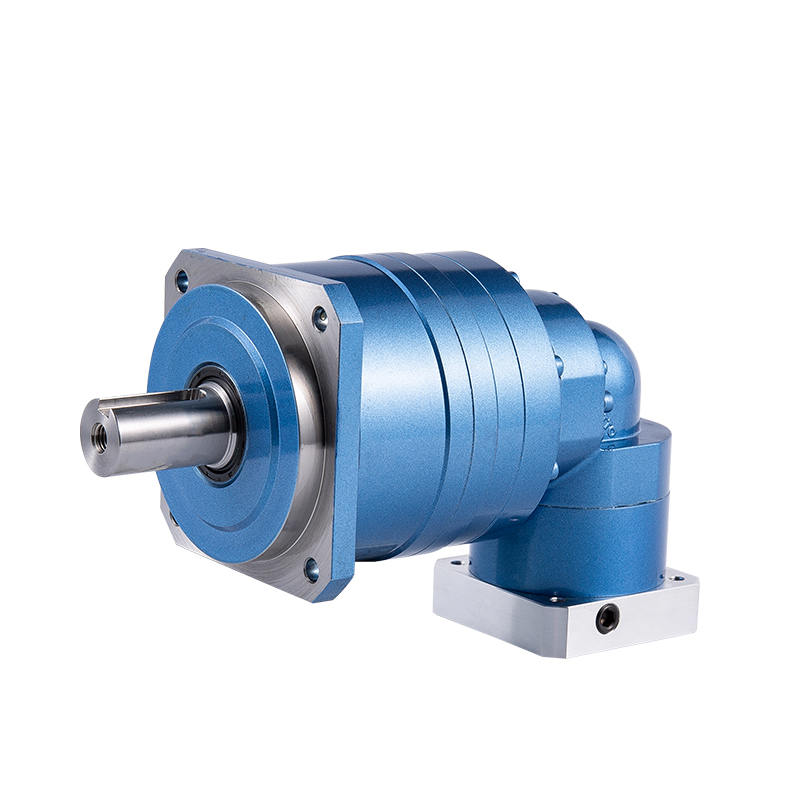
The planetary reducer adopts a helical gear design, which enables smooth and quiet operation and pro...
See Details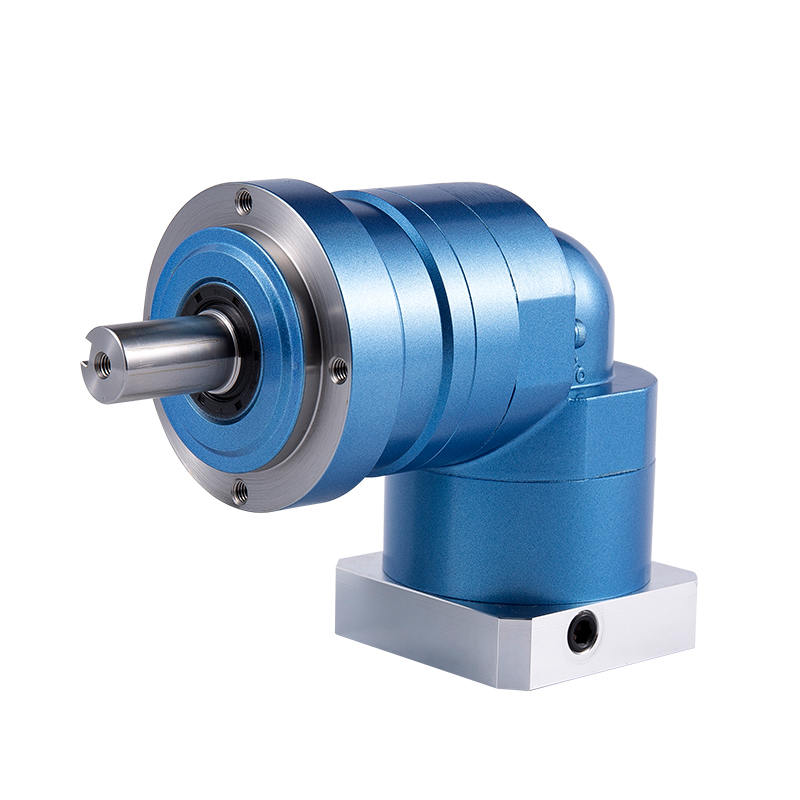
Features of planetary reducer1. Quiet: Use helical gears to achieve smooth and quiet operation;2. Hi...
See Details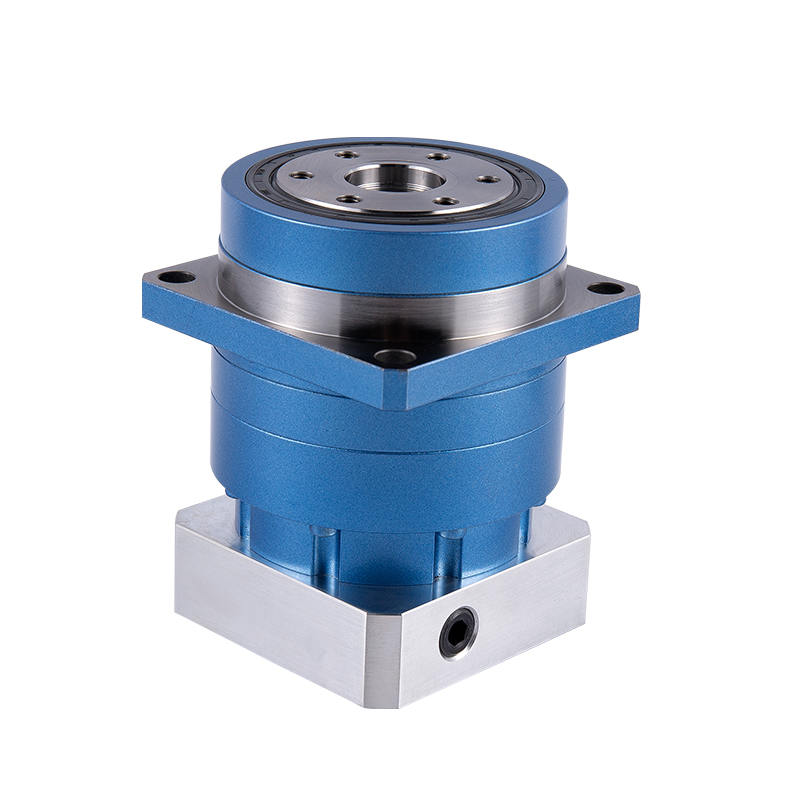
Features of planetary reducer1. Quiet: Use helical gears to achieve smooth and quiet operation;2. Hi...
See Details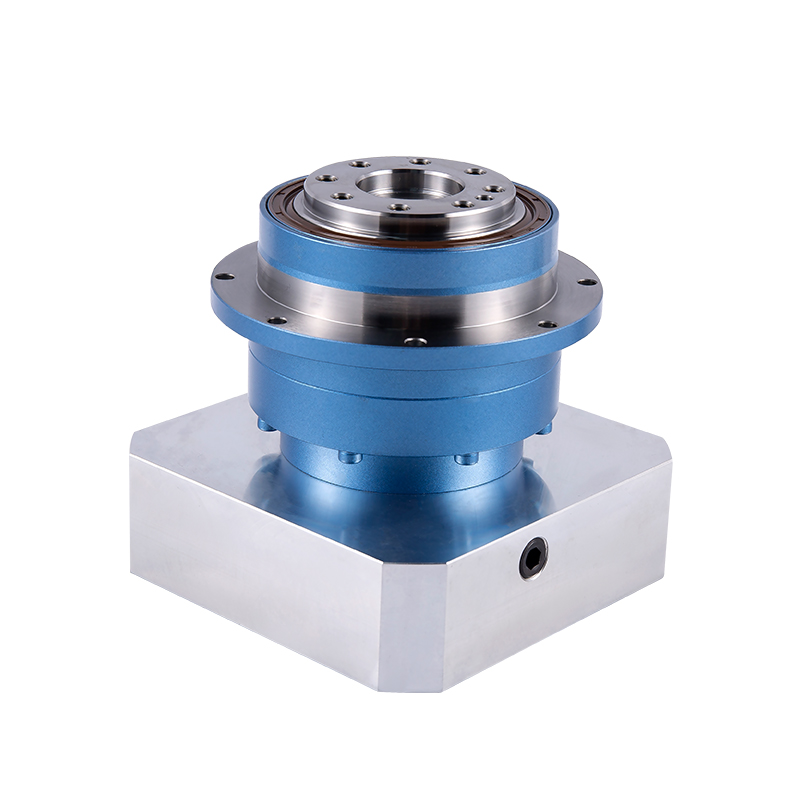
The NHT series planetary reducer adopts an advanced helical gear design, which not only significantl...
See Details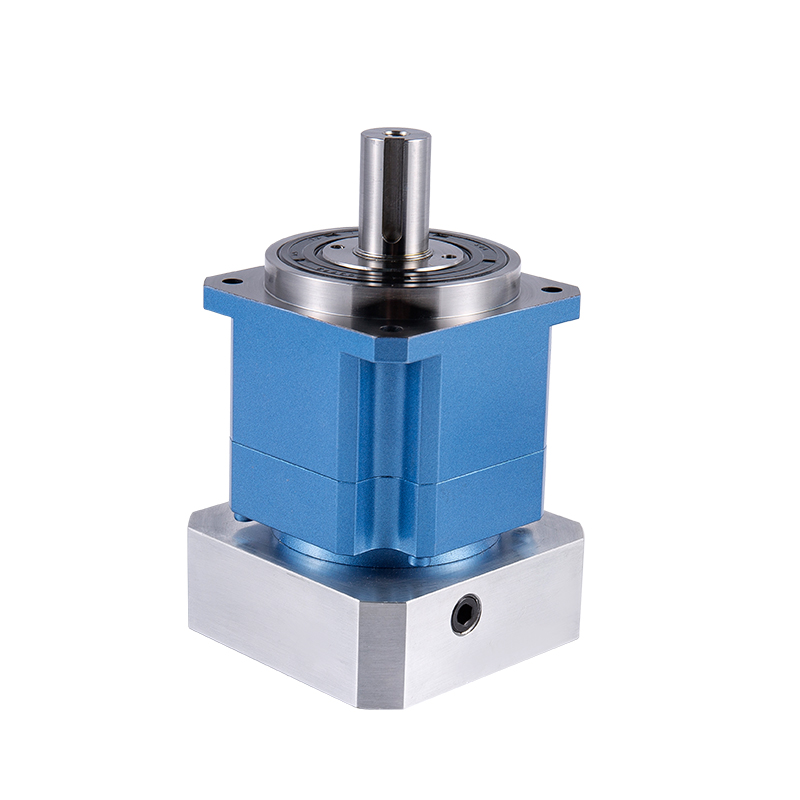
1. NBR series planetary reducer adopts spiral bevel gear design, with high rated output torque, more...
See Details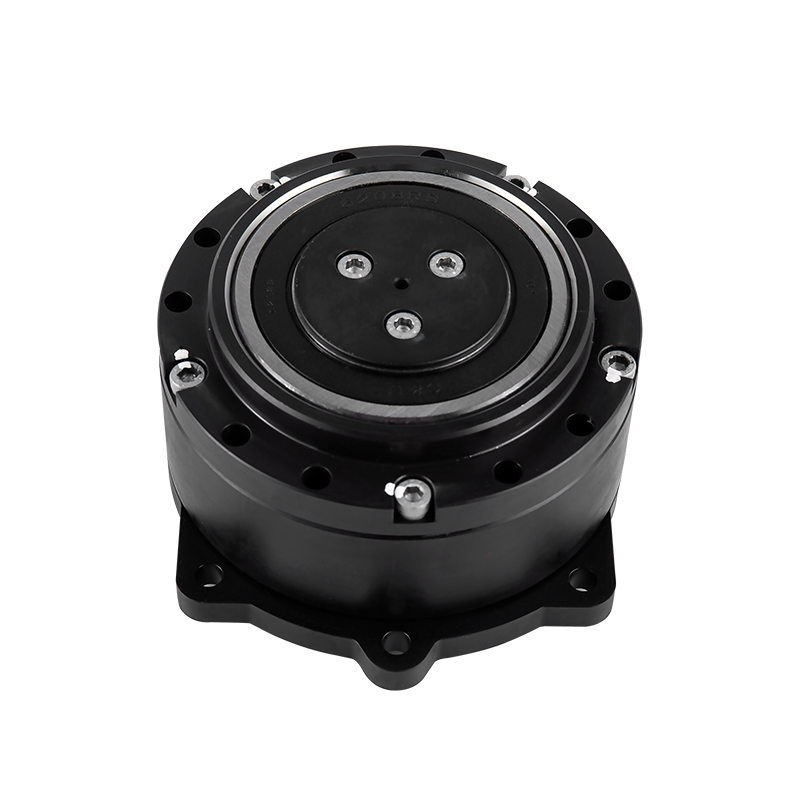
Designed for applications with high radial loads, such as AGV wheel drives, pulley drives. Output op...
See Details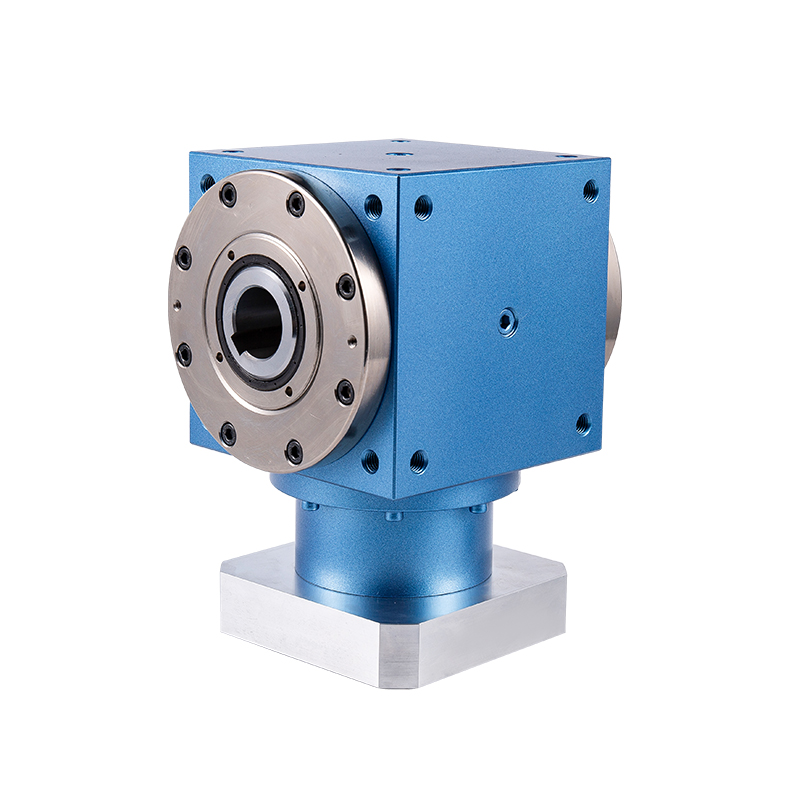
The TD-CR series reducer is centered on the design of hollow shaft output, which not only optimizes ...
See Details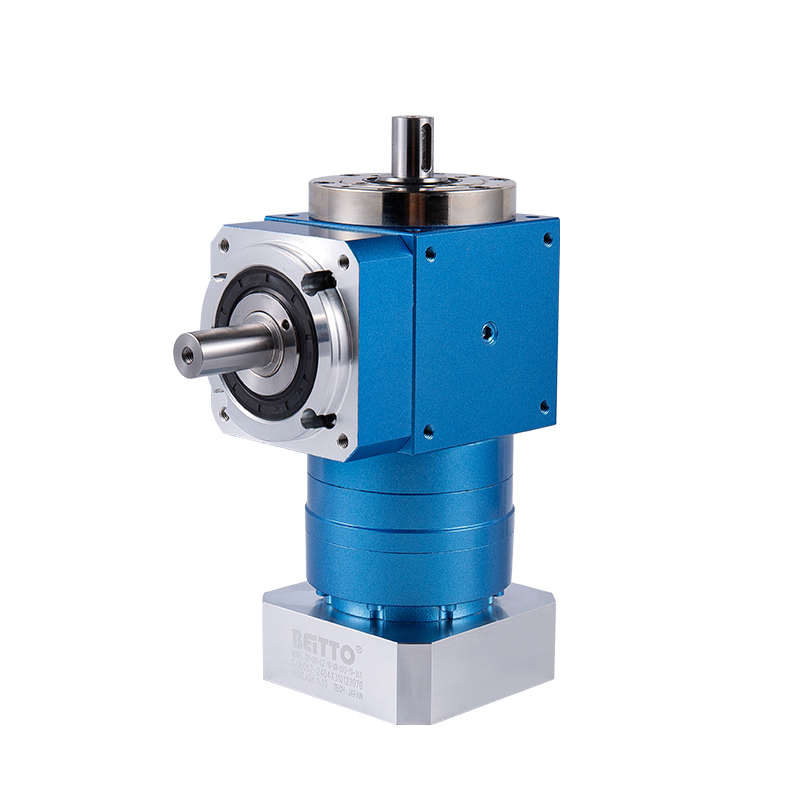
● Various output shaft options● High torque● High efficiency● Long service life● Low backlash● Maint...
See Details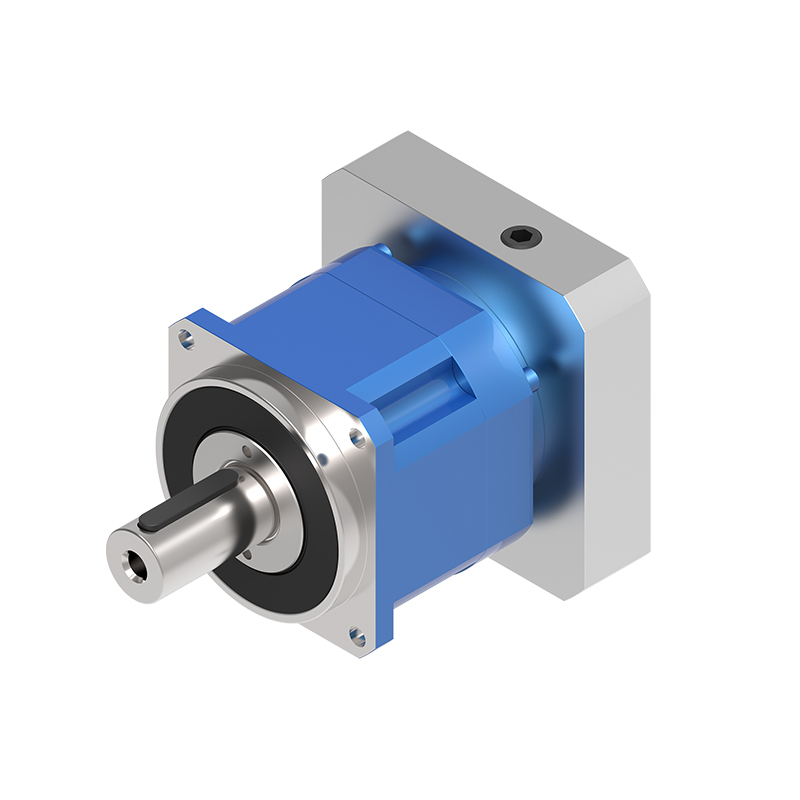
1. Helical gear designThe speed reduction mechanism adopts a helical gear design, and its tooth mesh...
See Details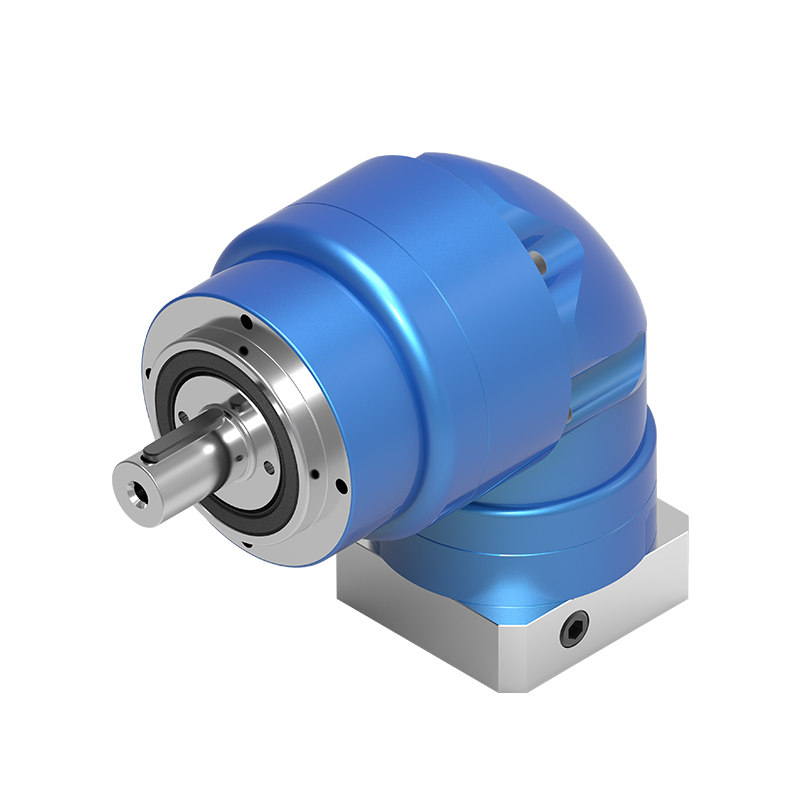
The NLR series planetary reducer adopts a spiral bevel gear design, which allows high-speed input of...
See Details

