 EN
EN




 English
 русский
 日本語
日本語 Español
Output Variable High Precision Torque Planetary Reducer ALR Series
Cat:Planetary Reducer
Features of planetary reducer1. Quiet: Use helical gears to achieve smooth and quiet operation;2. Hi...
See DetailsContent
The rapid advancement of robotics, aerospace systems, and medical devices has created unprecedented demands for motion control components. A robotic wrist must position an end effector with arcsecond accuracy. A surgical robot must move with zero detectable backlash. A satellite antenna deployment mechanism must operate flawlessly after years of storage. These applications require gear reducers that combine very high reduction ratios, exceptional precision, compact size, and long life.
Two technologies dominate this precision motion landscape: the flexible gear reducer (often referred to as harmonic drive) and the precision planetary gear reducer. While both serve high precision applications, their operating principles, performance characteristics, and optimal use cases differ significantly.
This article provides a comprehensive technical comparison of flexible gear reducers against planetary alternatives, with a focus on the unique design innovations in modern flexible gear reducers including tooth profile optimization, material formulations, and manufacturing processes. For robotics engineers and procurement professionals, this guide serves as a reference for selecting the appropriate reducer technology for different precision requirements, load conditions, and operating environments.
A flexible gear reducer is a compact, high ratio power transmission device that uses elastic deformation of a flexible component to achieve motion reduction. The term flexible refers to the flexspline, a thin, cup shaped gear that deflects elastically during operation. The most common type of flexible gear reducer is the harmonic drive, though proprietary variations exist.
The basic construction of a flexible gear reducer consists of three main components. The wave generator is an elliptical bearing assembly that mounts on the input shaft. The flexspline is a thin, flexible cup shaped gear with external teeth on its outer circumference. The circular spline is a rigid internal gear that meshes with the flexspline.
As the wave generator rotates, it deforms the flexspline into an elliptical shape. The flexspline teeth engage with the circular spline teeth at the two ends of the ellipse major axis. Because the flexspline has slightly fewer teeth than the circular spline, each rotation of the wave generator causes the flexspline to rotate backward by a small amount. This differential motion creates the reduction ratio.
The flexible gear reducer offers several unique advantages. Single stage reduction ratios from 30 to 160 to 1 are possible, far higher than planetary reducers which typically max out at 10 to 1 per stage. Zero backlash operation is achievable because the flexspline is always in contact with the circular spline under preload. The compact coaxial design provides very high torque density.
Modern flexible gear reducers incorporate significant technological innovations. Advanced tooth profile designs, such as the B DA tooth shape for the steel wheel flexspline and the B C contour curve for the cam, increase the number of simultaneously meshing teeth by 15 to 20 percent compared to conventional designs. This improvement directly enhances precision, load capacity, and service life.
The fundamental difference between flexible gear reducers and planetary reducers lies in the operating principle. Planetary reducers use rigid gear teeth and load sharing across multiple planet gears. Flexible gear reducers use elastic deformation of a flexspline to achieve very high reduction ratios in a single stage.
This difference leads to distinct performance characteristics. Flexible gear reducers excel in applications requiring very high reduction ratios, zero backlash, and compact size. Planetary reducers excel in applications requiring high efficiency, high shock load tolerance, and long service life.
The table below compares flexible gear reducers and precision planetary reducers across key parameters.
| Parameter | Flexible Gear Reducer | Precision Planetary Reducer |
|---|---|---|
| Single Stage Ratio Range | 30 to 160 | 3 to 10 |
| Backlash | Zero (preloaded) | 1 to 5 arcminutes |
| Transmission Precision | ≤1 arcminute typical | 1 to 5 arcminutes |
| Torsional Stiffness | Moderate to high | Very high |
| Efficiency | 60 to 85 percent | 93 to 98 percent |
| Service Life | 10,000 to 20,000 hours | 20,000+ hours |
| Shock Load Tolerance | Limited flexspline can fracture | Excellent |
| Compactness | Very high | High |
| Cost | High | Moderate to high |
| Best Application | Robotics, aerospace, medical | General automation, machine tools |
For robotic joints where reduction ratios of 50 to 100 to 1 are needed in a compact package and zero backlash is essential, flexible gear reducers are the preferred choice. For wheel drives, conveyor systems, and applications where shock loads are common, planetary reducers are more robust.
Flexible gear reducers offer three unique advantages that make them indispensable for certain applications.
The first advantage is very high single stage reduction ratios. A single stage flexible gear reducer can achieve ratios from 30 to 160 to 1. Achieving the same ratio with a planetary reducer would require two or three stages, significantly increasing length, weight, and complexity. The compact size of a single stage flexible reducer is critical for robotic joints where space is extremely limited.
The second advantage is zero backlash operation. The flexspline is preloaded against the circular spline, maintaining continuous tooth contact. There is no clearance between teeth, so there is no lost motion when direction reverses. For robotic applications requiring precise positioning and smooth motion, zero backlash is essential. Even the best planetary reducers have 1 to 5 arcminutes of backlash.
The third advantage is high positioning accuracy. The transmission error of a quality flexible gear reducer is typically less than 1 arcminute. After 10,000 hours of operation, precision degradation is typically less than 1 arcminute. This long term accuracy stability is critical for applications such as semiconductor manufacturing equipment that must maintain calibration over years of service.
When you select a Flexible Gear Reducer, these advantages directly translate to system performance benefits. Robotic arms achieve better path accuracy. Surgical instruments provide smoother, more precise control. Antenna positioning systems maintain pointing accuracy over time.
Modern flexible gear reducers have evolved significantly from the original harmonic drive designs. Several key innovations have improved performance, life, and reliability.
The tooth profile design is the most critical innovation. Conventional flexible gear reducers use tooth profiles that result in only a small percentage of teeth meshing simultaneously at any instant. The load is concentrated on a few teeth, limiting torque capacity and causing wear. Modern designs, such as the B DA tooth shape for the steel wheel flexspline and the B C contour curve for the cam, increase the number of simultaneously meshing teeth by 15 to 20 percent compared to conventional counterparts. This improvement distributes load across more teeth, increasing torque capacity and reducing wear.
The wave generator cam profile has also been optimized. The cam contour determines how the flexspline is deformed and how the teeth engage. Advanced contour curves reduce stress concentrations in the flexspline, increasing fatigue life. Simulation optimization tools allow engineers to model the elastic deformation of the flexspline and adjust the cam contour to achieve uniform stress distribution.
Material formulations have been advanced significantly. Self developed metal alloys with optimized compositions provide better fatigue resistance, wear resistance, and dimensional stability. These proprietary materials undergo specialized cold and hot treatment processes to achieve the required mechanical properties. The flexspline must endure millions of elastic deformation cycles without developing cracks. Advanced metallurgy and heat treatment are essential for long life.
Flexspline wall design has been optimized through simulation. The wall thickness profile is not uniform; it is sculpted to accommodate the elastic deformation required for operation while minimizing stress. A wall repair design adapts to larger elastic deformations, reducing the performance requirements for the flexible bearing and significantly improving reducer life. Test data shows product life exceeding 20,000 hours, far ahead of industry standards.
Cycloidal reducers are another precision gear technology that competes with flexible gear reducers in some applications. Understanding the differences helps engineers select the optimal technology.
Cycloidal reducers use a cycloidal disc that rolls inside a ring gear housing. The disc has lobes that engage with rollers or pins. As the input shaft rotates, the cycloidal disc nutates, creating the reduction. Cycloidal reducers offer high shock load tolerance and long life but are typically larger and heavier than flexible gear reducers for the same ratio.
The table below compares flexible gear reducers and cycloidal reducers.
| Parameter | Flexible Gear Reducer | Cycloidal Reducer |
|---|---|---|
| Single Stage Ratio Range | 30 to 160 | 30 to 200 |
| Backlash | Zero | 1 to 3 arcminutes |
| Efficiency | 60 to 85 percent | 80 to 90 percent |
| Shock Load Tolerance | Limited | Excellent |
| Compactness | Very high | Moderate |
| Weight | Light | Heavy |
| Cost | High | High |
| Best Application | Light to medium load precision | Heavy load, high shock |
For robotic arms and medical devices where weight is critical, flexible gear reducers are preferred. For heavy industrial robots and construction equipment, cycloidal reducers may be more appropriate.
Transmission precision is the most critical specification for flexible gear reducers in positioning applications. It encompasses static accuracy, dynamic accuracy, and long term stability.
Initial transmission precision refers to the maximum angular error between input and output when the reducer is new. For quality flexible gear reducers, initial precision is typically ≤1 arcminute. Some ultra precision models achieve 0.5 arcminutes or better. This precision is measured using a harmonic comprehensive performance tester that applies controlled inputs and measures output error with high resolution encoders.
Precision degradation over time is equally important. All reducers wear with use, and precision degrades gradually. For flexible gear reducers, the precision degradation is typically less than 1 arcminute after 10,000 hours of operation. This stability is achieved through the combination of optimized tooth profiles, advanced materials, and proper lubrication.
Torsional stiffness affects dynamic precision. When torque is applied, the reducer twists slightly. The amount of twist per unit torque is the torsional stiffness. Higher stiffness means less deflection under load, which improves dynamic positioning accuracy. Flexible gear reducers have lower torsional stiffness than planetary reducers of similar size, which can be a limitation for applications with high acceleration or high inertia loads.
Startup torque and torque fluctuation affect motion smoothness. Startup torque is the torque required to begin rotation from rest. Torque fluctuation is the variation in torque as the reducer rotates. Higher startup torque and torque fluctuation cause uneven motion, particularly at low speeds. Quality flexible gear reducers are designed to minimize these effects, achieving startup torque and torque fluctuation comparable to industry benchmarks.
Service life is a critical consideration for flexible gear reducers, particularly in applications where maintenance access is difficult, such as space mechanisms or surgical robots.
The flexspline is the life limiting component in a flexible gear reducer. It undergoes millions of elastic deformation cycles during operation. Each cycle stresses the material. Eventually, fatigue cracks can develop and propagate. The service life is determined by the number of cycles the flexspline can withstand before fatigue failure.
Several factors affect flexspline fatigue life. The amplitude of the elastic deformation, determined by the wave generator geometry, directly affects the stress level in the flexspline. Lower deformation amplitude reduces stress and increases life, but also reduces torque capacity. The material properties, including tensile strength, ductility, and fatigue resistance, determine how many cycles the material can endure. The surface finish and manufacturing quality affect initiation of fatigue cracks. The operating temperature and lubrication affect the fatigue process.
Modern flexible gear reducers achieve service lives of 10,000 to 20,000 hours under rated load. For continuous operation, this represents 1 to 2 years of operation. For intermittent operation, the service life extends proportionally. For applications requiring longer life, such as space mechanisms that must operate for decades, derating the load or selecting a larger reducer extends life.
Proper lubrication is essential for achieving rated service life. The lubricant must maintain an oil film between the flexspline and the circular spline teeth, reducing wear and preventing metal to metal contact. Specialized greases with extreme pressure additives and corrosion inhibitors are required. The lubrication schedule should follow manufacturer recommendations.
The exceptional precision of flexible gear reducers requires equally exceptional manufacturing processes and quality control.
Gear cutting of the circular spline and flexspline requires specialized equipment. The teeth are typically cut using high precision gear hobbing machines followed by shaving or grinding. For the flexspline, which is thin and flexible, fixturing is challenging. Distortion during cutting must be minimized through careful process design.
The wave generator cam is typically manufactured on CNC grinding machines. The elliptical contour must be accurate to within a few micrometers to ensure uniform flexspline deformation. The cam surface is hardened and ground to provide a smooth, wear resistant surface for the flexible bearing.
Self centering tooling for liquid expansion is an advanced manufacturing technique used by some manufacturers. This process expands the flexspline uniformly during assembly, ensuring concentricity and reducing residual stress. The self centering feature automatically aligns the components, improving both machining precision and assembly precision.
Each flexible gear reducer should be tested after assembly using a harmonic comprehensive performance tester. This instrument measures transmission error, torsional stiffness, backlash, startup torque, and torque fluctuation. The test results are compared to specification limits. Only units that pass all tests are shipped.
For manufacturers with ISO9001 certification, these tests are performed systematically on each production unit or on a statistical sample. Independent testing laboratories may also perform sample testing to verify compliance.
Flexible gear reducers are used in a wide range of high precision applications. Each application places different demands on the reducer.
In robotics, flexible gear reducers are used in the wrist, elbow, shoulder, and base joints of articulated robots. The high reduction ratio allows small, lightweight motors to drive heavy arms. Zero backlash ensures accurate path following. Compact size allows the reducer to fit within the robot joint. Collaborative robots, which must operate safely near humans, benefit from the smooth, back drivable motion of flexible reducers.
In aerospace, flexible gear reducers are used in antenna pointing mechanisms, solar array drives, and deployment mechanisms. High reliability and long life are critical. The ability to operate in vacuum environments without lubricant outgassing is essential. Lightweight construction reduces launch mass. Some space mechanisms require storage for years before deployment, and flexible gear reducers must operate correctly after this dormant period.
In medical equipment, flexible gear reducers are used in surgical robots, CT scanners, and rehabilitation devices. Surgical robots require smooth, precise, tremor free motion. The zero backlash and low torque fluctuation of flexible gear reducers provide the necessary performance. Medical devices must operate quietly to avoid patient anxiety, and flexible gear reducers are quieter than planetary alternatives.
In machine tools, flexible gear reducers are used in rotary tables and tool changers. The high positioning accuracy improves machining precision. The compact size allows integration into tight machine envelopes. For applications requiring high stiffness, such as heavy milling, planetary reducers may be preferred.
In semiconductor manufacturing equipment, flexible gear reducers are used in wafer handling robots and inspection stages. Extreme precision is required, often below 0.5 arcminutes. Cleanroom compatibility is essential, with special lubricants that do not outgas particles. Smooth, vibration free operation prevents damage to delicate wafers.
Proper installation and maintenance are essential for achieving the rated performance and service life of flexible gear reducers.
During installation, ensure that the reducer is properly aligned with the motor and load. Misalignment creates additional stresses that reduce life. The mounting surfaces must be clean and flat. Use the correct bolts torqued to specification. For flexible gear reducers, the input shaft must be centered within the wave generator bore within tight tolerances.
Lubrication is critical. Use only the lubricant specified by the manufacturer. For flexible gear reducers, specialized greases are required. The grease must maintain its consistency over temperature, provide extreme pressure protection, and resist oxidation. Do not substitute general purpose greases.
The lubrication schedule depends on operating conditions. For continuous operation, regreasing every 5,000 to 10,000 hours is typical. For intermittent operation, regreasing every 2 to 3 years may be sufficient. Follow the manufacturer recommendations. Over greasing can cause overheating and seal damage. Under greasing leads to wear and premature failure.
Inspect the reducer periodically for changes in noise or vibration. An increase in operating noise may indicate tooth wear or bearing degradation. A change in torque feel when rotating by hand may indicate loss of preload or bearing damage. If any abnormality is detected, remove the reducer from service for inspection.
For applications requiring very high reliability, such as surgical robots or space mechanisms, redundant reducers or condition monitoring systems may be employed. Condition monitoring can include vibration analysis, temperature monitoring, and oil debris analysis.
The selection of the right flexible gear reducer requires careful consideration of application requirements across multiple parameters.
For applications requiring very high reduction ratios of 50 to 160 to 1 in a single stage, flexible gear reducers are the only practical solution. Planetary reducers would require multiple stages, increasing length and weight. Harmonic drives or similar flexible gear technologies are the standard for robotic joints.
For applications requiring zero backlash, flexible gear reducers are preferred. The preloaded tooth contact eliminates lost motion. For applications where 1 to 5 arcminutes of backlash is acceptable, planetary reducers may be considered.
For applications requiring long life under shock loads, planetary reducers are more robust. The flexspline in a flexible gear reducer is vulnerable to damage from impact. For applications with smooth loads, such as servo driven robotics, flexible gear reducers are appropriate.
For applications requiring very high efficiency, planetary reducers are preferred. The 60 to 85 percent efficiency of flexible gear reducers generates heat that may require cooling. For battery powered applications, the lower efficiency reduces operating time.
For applications where weight and compactness are critical, flexible gear reducers excel. The single stage high ratio design is significantly shorter and lighter than multi stage planetary alternatives of the same ratio.
When selecting a flexible gear reducer, evaluate the manufacturer tooth profile design, material formulation, and manufacturing processes. Advanced designs with optimized tooth profiles, proprietary materials, and precision manufacturing deliver higher torque capacity, longer life, and better precision.
By understanding the technical comparisons and design considerations presented in this article, robotics engineers and procurement professionals can confidently select the appropriate flexible gear reducer for their specific application requirements.
Q1: What is the typical service life of a flexible gear reducer under rated load?
A: A quality flexible gear reducer achieves 10,000 to 20,000 hours of service life under rated load conditions. This represents approximately 1 to 2 years of continuous 24 hour operation. For intermittent operation, the service life extends proportionally. Advanced designs with optimized tooth profiles and proprietary materials have demonstrated life exceeding 20,000 hours, which is far ahead of industry standards. Proper lubrication and operation within torque ratings are essential for achieving rated life.
Q2: Can a flexible gear reducer be back driven?
A: Yes, flexible gear reducers are generally back drivable, meaning the output shaft can rotate the input shaft. The back driving torque is typically higher than the forward driving torque due to friction within the reducer. This property is useful for applications such as collaborative robots where external forces must be able to move the joints. However, the back drivability also means that a brake may be required to hold position when power is removed.
Q3: What is the difference between a flexible gear reducer and a harmonic drive?
A: Harmonic drive is a brand name for a specific type of flexible gear reducer. The term flexible gear reducer is more general, encompassing harmonic drives and similar technologies that use a flexible flexspline to achieve reduction. The operating principle is the same: an elliptical wave generator deforms a flexspline, causing it to mesh with a circular spline and rotate at a reduced speed.
Q4: How do I specify backlash for a flexible gear reducer?
A: Flexible gear reducers are typically specified as having zero backlash because the flexspline is preloaded against the circular spline. In practice, there is no measurable lost motion when the direction of rotation reverses. However, the torsional stiffness means that there is angular deflection under load. For precision applications, specify the required transmission precision in arcminutes (typically ≤1 arcminute) and the torsional stiffness in Newton meters per arcminute.
Q5: What lubricant should I use for a flexible gear reducer?
A: Use only the lubricant specified by the manufacturer. Flexible gear reducers require specialized greases with extreme pressure additives and corrosion inhibitors. The grease must maintain its consistency over the operating temperature range and resist oxidation. For vacuum applications such as space mechanisms, special low outgassing lubricants are required. Never substitute general purpose greases, as they will not provide adequate protection and may damage the flexspline.
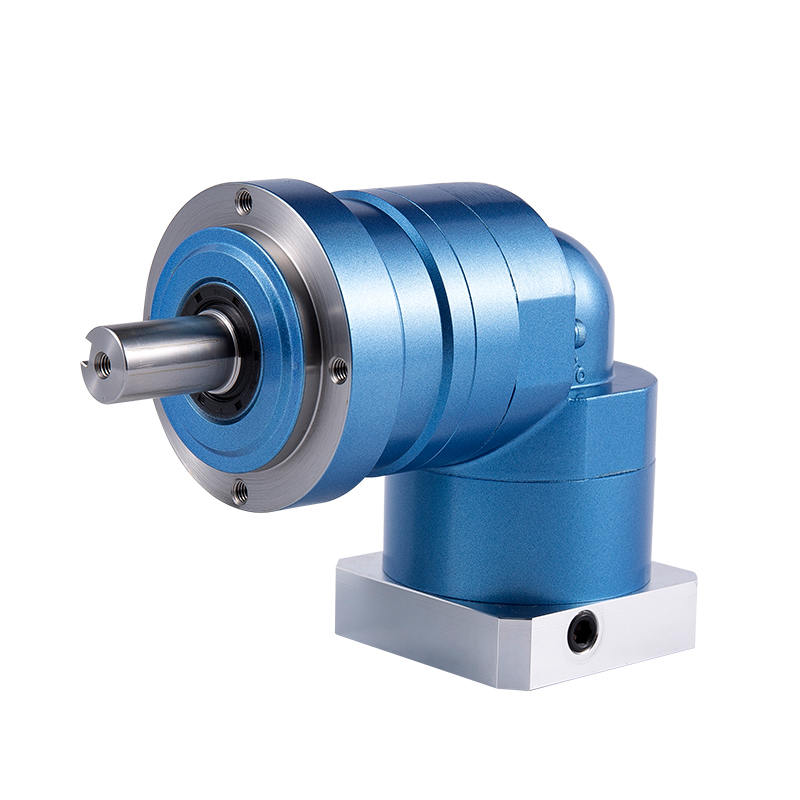
Features of planetary reducer1. Quiet: Use helical gears to achieve smooth and quiet operation;2. Hi...
See Details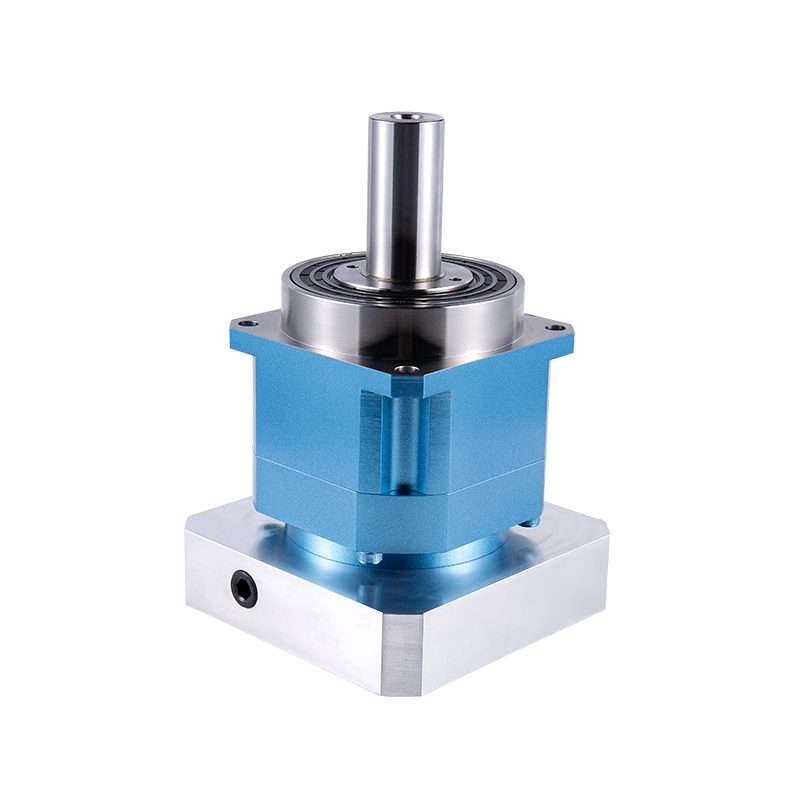
Our reducers incorporate the cutting-edge design concept of helical gears. Compared with traditional...
See Details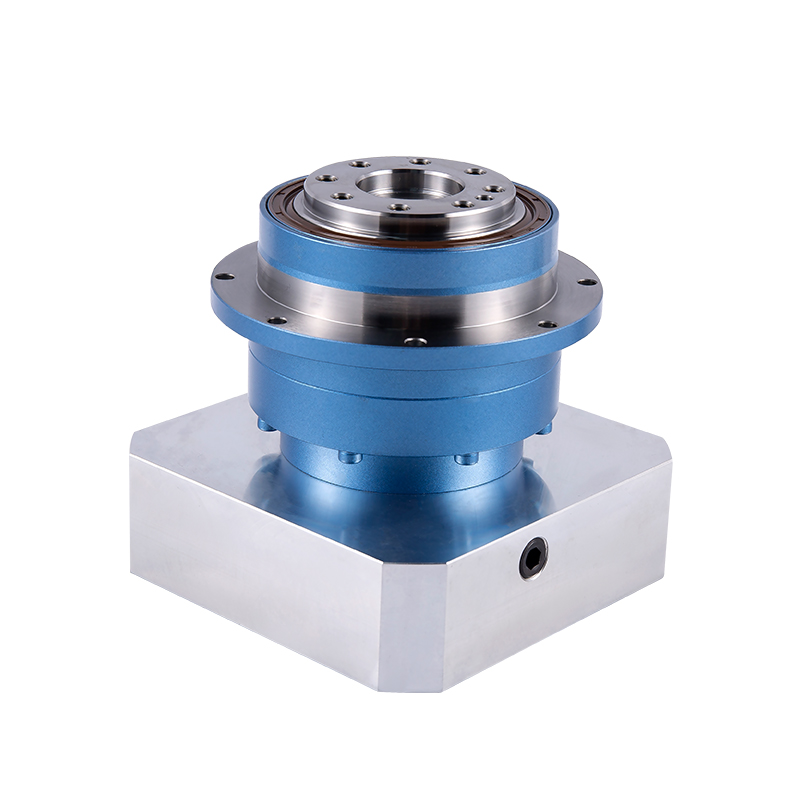
The NHT series planetary reducer adopts an advanced helical gear design, which not only significantl...
See Details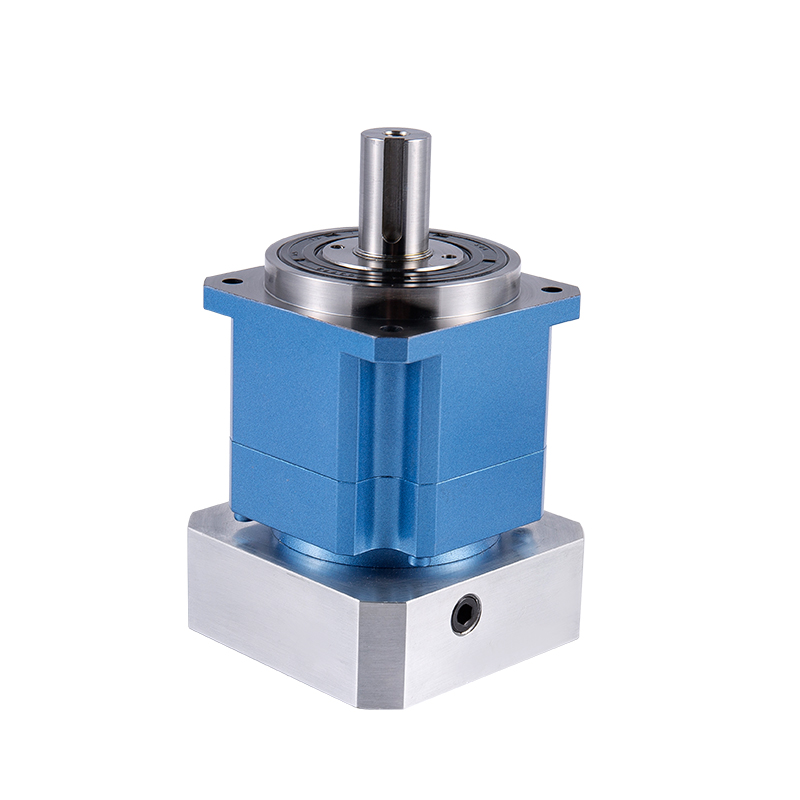
1. NBR series planetary reducer adopts spiral bevel gear design, with high rated output torque, more...
See Details
Designed for applications with high radial loads, such as AGV wheel drives, pulley drives. Output op...
See Details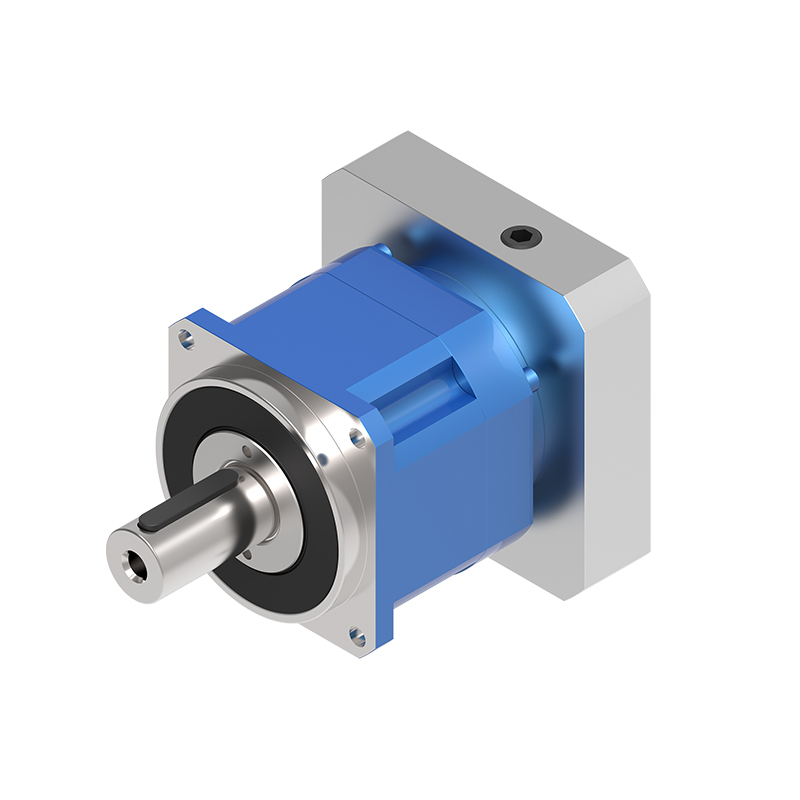
1. Helical gear designThe speed reduction mechanism adopts a helical gear design, and its tooth mesh...
See Details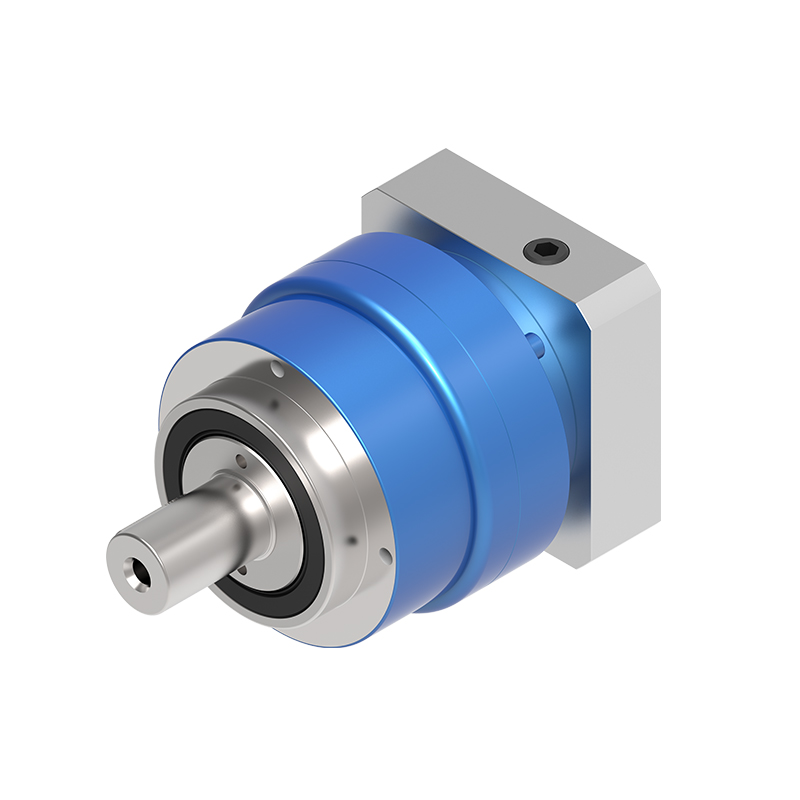
Innovative helical gear structureThe reduction mechanism introduces an innovative helical gear desig...
See Details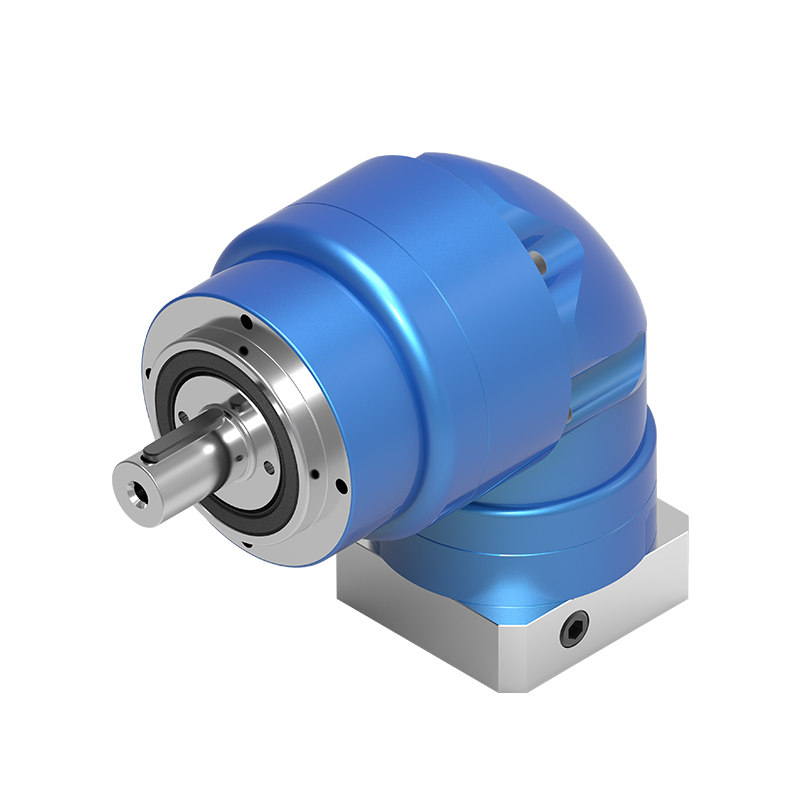
The NLR series planetary reducer adopts a spiral bevel gear design, which allows high-speed input of...
See Details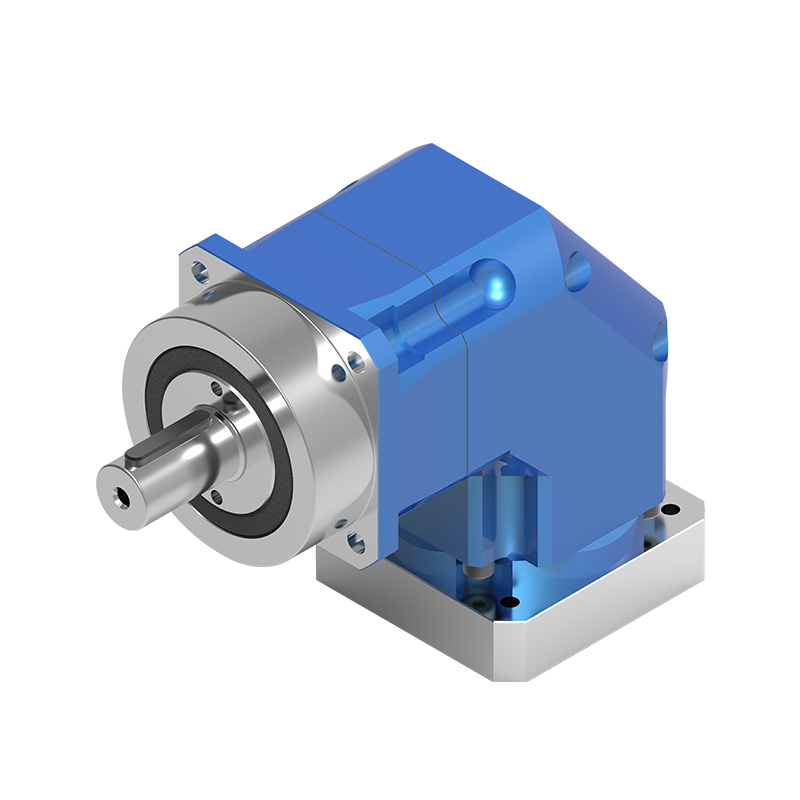
The NSR series planetary reducer adopts a spiral bevel gear design. This innovation not only makes t...
See Details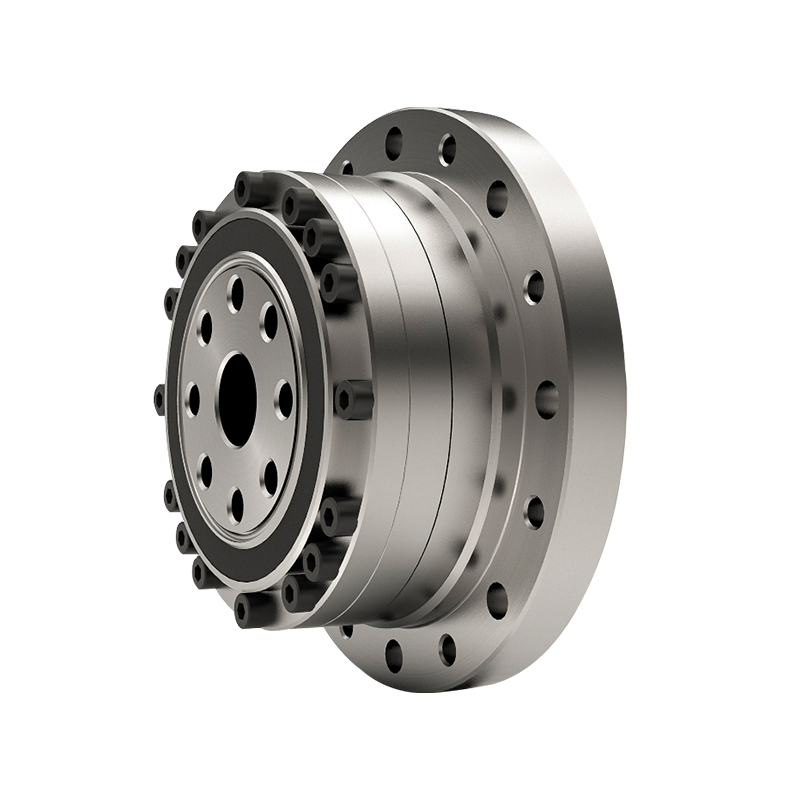
The BCSG series Flexible gear reducer is designed to be light and simple, which not only effectively...
See Details

