 EN
EN




 English
 русский
 日本語
日本語 Español
Low Noise Multi specification Integrated-Structure Planetary Reducer AHS Series
Cat:Planetary Reducer
Planetary reducers occupy an important position in the field of industrial automation. The high-prec...
See DetailsContent
Modern industrial machinery rarely operates with a single motion axis. A packaging machine may require multiple conveyors to run simultaneously. A printing press needs coordinated rotation of several rollers. An automated assembly line demands synchronized movement across multiple workstations. In each case, a single power source must drive multiple output shafts, often oriented at different angles.
The spiral bevel gear commutator solves this power distribution challenge. This specialized gearbox accepts input from one motor and delivers output to two or more shafts, typically at right angles to the input. The commutator changes the direction of rotation while splitting power between outputs. It is the essential component that enables complex machines to function with a single drive.
This article provides a comprehensive technical comparison of spiral bevel gear commutators against straight bevel gear alternatives. We will examine gear geometry, efficiency, noise, load capacity, and output configurations. For mechanical designers and procurement professionals, this guide serves as a reference for selecting the appropriate commutator for different speed, torque, and precision requirements.
A spiral bevel gear commutator is a right-angle gearbox that distributes power from a single input shaft to multiple output shafts. The term commutator refers to the device ability to change or commute the direction of power flow. The spiral bevel gears are the critical internal components that transmit torque between intersecting shafts.
The basic construction of a spiral bevel gear commutator consists of a housing, two or more bevel gears mounted on the input and output shafts, and bearings to support the shafts. The input shaft carries a bevel gear that meshes with the bevel gears on the output shafts. When the input shaft rotates, it drives the output shafts simultaneously.
The spiral bevel gear geometry distinguishes this commutator from straight bevel designs. Spiral bevel gears have curved, oblique teeth that engage gradually rather than along their full length at once. This curvature, similar to helical gears in parallel shaft drives, provides smoother operation, higher load capacity, and quieter running.
The TD series commutator, as a representative example, accepts input at one end and provides output at two ends. The output direction can be the same direction or opposite direction, depending on how the gears are arranged. Multiple output options include solid shaft output, hollow shaft with key, and hollow shaft without key.
The housing of a quality spiral bevel gear commutator is typically anodized aluminum or cast iron. Anodizing provides corrosion resistance and surface hardness. The housing must be rigid to maintain gear alignment under load. Flexible housings allow gear misalignment, which leads to noise, wear, and premature failure.
The fundamental difference between spiral and straight bevel gears lies in the tooth geometry. This difference affects nearly every performance characteristic.
Straight bevel gears have teeth that are straight and taper toward the gear center. The teeth engage along their full length simultaneously when the gears are correctly positioned. This sudden full contact creates impact loads, which generate noise and vibration. Straight bevel gears are simpler to manufacture and are less expensive. However, they are limited to moderate speeds and loads.
Spiral bevel gears have teeth that are curved and cut at an angle to the gear axis. The tooth contact begins at one end of the tooth and progresses across the tooth face as the gears rotate. This gradual engagement eliminates the sudden impact of straight bevel gears. The result is smoother operation, lower noise, and higher permissible speeds.
The table below compares spiral bevel and straight bevel gear commutators across key parameters.
| Parameter | Spiral Bevel Commutator | Straight Bevel Commutator |
|---|---|---|
| Tooth Engagement | Progressive across tooth face | Simultaneous full tooth contact |
| Operating Noise | Low 65 to 75 dB typical | Moderate to high 75 to 85 dB |
| Vibration Level | Low | Moderate to high |
| Maximum Speed Capability | Higher up to 4000 RPM | Lower up to 2000 RPM |
| Torque Capacity | Higher for same size | Lower |
| Manufacturing Complexity | Higher requires specialized cutting | Lower |
| Cost | Higher | Lower |
| Surface Finish Requirement | Smooth ground surfaces required | Less critical |
| Best Application | High speed, continuous operation, low noise | Low speed, intermittent operation, cost sensitive |
For applications requiring high speed operation, continuous duty cycles, or operation in noise sensitive environments such as medical equipment or office automation, spiral bevel commutators are strongly preferred. For simple, low speed machinery where noise is not a concern, straight bevel commutators may be adequate.
The curved tooth geometry of spiral bevel gears provides several technical advantages beyond noise reduction. Understanding these advantages helps engineers select the right commutator for demanding applications.
The first advantage is higher contact ratio. Contact ratio refers to the average number of teeth in contact at any moment. Straight bevel gears typically have a contact ratio between 1.0 and 1.5. Spiral bevel gears achieve contact ratios of 2.0 or higher. The higher contact ratio means that at least two teeth are always sharing the load, reducing the stress on each tooth.
The second advantage is improved load distribution across the tooth face. The curved tooth shape helps distribute the load more evenly from the toe to the heel of the tooth. This even distribution reduces peak stress concentrations that can cause tooth fatigue and pitting.
The third advantage is the ability to lap the gears to a precise fit. After the gears are cut and heat treated, they can be run together with an abrasive compound to wear in the tooth surfaces. This lapping process, which is only effective on spiral bevel gears, produces a perfect mating of the gear pair. Lapped spiral bevel gears run smoother and quieter and have longer life than un lapped gears.
The fourth advantage is stronger tooth geometry. The curved shape of the spiral tooth provides a longer effective tooth length for the same face width. The longer tooth provides greater resistance to bending stress. This allows spiral bevel gears to transmit higher torque than straight bevel gears of the same size and material.
For machinery designers, these geometric advantages translate to real world benefits. A spiral bevel gear commutator can be smaller and lighter than a straight bevel commutator for the same torque requirement. Alternatively, for the same size, the spiral bevel design provides a higher safety margin.
A fundamental system design choice exists between using a spiral bevel gear commutator with one motor and multiple outputs versus using multiple independent motors with separate gearboxes.
The single input multiple output approach uses one motor driving a commutator that splits power to several output shafts. This approach is simpler for control because only one motor needs to be controlled. The outputs are mechanically synchronized, ensuring exact speed ratios between the shafts. This is essential for applications such as printing presses where all rollers must turn at precisely coordinated speeds.
The multiple independent drives approach uses separate motors for each output shaft. Each motor can have its own gearbox. This approach allows independent speed control of each output, which is useful when different shafts need to operate at different speeds or at different times. However, the control system is more complex, and electronic synchronization may be required.
The table below compares these two approaches.
| Feature | Single Motor with Commutator | Multiple Independent Motors |
|---|---|---|
| Number of Motors | One | One per output shaft |
| Control Complexity | Low | High |
| Synchronization | Mechanical exact | Electronic may have drift |
| Energy Efficiency | High one motor operating near full load | Lower multiple motors at partial load |
| Initial Cost | Lower one motor one commutator | Higher multiple motors multiple gearboxes |
| Maintenance | Lower single drive train | Higher multiple drive trains |
| Flexibility | Fixed speed ratios | Independent speed control |
| Best Application | Coordinated multi axis machines | Independent axis control |
For many industrial applications, the single motor with commutator approach is preferred. The cost savings from using one motor instead of several are significant. The mechanical synchronization is perfectly reliable and requires no control system effort. The main limitation is that all output shafts must rotate at the same speed or at fixed ratios determined by the gear arrangement.
When you select a Spiral Bevel Gear Commutator, consider whether the fixed speed ratio between outputs meets your application requirements. If independent speed control is needed, multiple drives may be necessary.
Spiral bevel gear commutators are available in several output configurations to match different machine connection requirements. The choice of output type affects installation complexity, maintenance access, and coupling method.
Solid shaft output is the simplest and most common configuration. The output shaft extends from the gearbox housing and is supported by bearings within the housing. The user attaches a coupling, pulley, or sprocket to the shaft using a key and setscrew or locking device. Solid shaft outputs are suitable for most general purpose applications.
Hollow shaft with key provides a bore through the output shaft. The user slides the driven machine shaft into the hollow bore and secures it with a key. This configuration eliminates the need for a separate coupling, saving axial space. The hollow shaft output is ideal for direct mounting onto a machine input shaft.
Hollow shaft without key uses a shrink disk or locking assembly to clamp the hollow shaft onto the driven shaft. This configuration provides a zero backlash connection that is essential for precision positioning applications. The clamping force is distributed evenly around the shaft circumference, avoiding stress concentrations that can occur with keyways.
The housing design must accommodate the chosen output configuration while maintaining structural rigidity. Anodized aluminum housings are common for lightweight applications. For high torque or harsh environment applications, cast iron housings provide greater rigidity and vibration damping.
The mounting orientation must be considered. The commutator can be mounted with input shaft horizontal or vertical, depending on the machine layout. Oil seals must be selected based on the mounting orientation to prevent leakage from the low side of the housing.
Spiral bevel gear commutators are efficient power transmission devices, but power losses occur through several mechanisms. Understanding these losses helps engineers estimate total system efficiency.
Gear mesh friction is the primary loss mechanism. As the gear teeth slide against each other during engagement, friction converts some mechanical energy into heat. The friction loss depends on the gear surface finish, the lubricant properties, and the transmitted load. At full load, gear mesh efficiency for a single spiral bevel gear stage is typically 96 to 98 percent.
Bearing friction is the second loss mechanism. The input and output shafts are supported by rolling element bearings. Bearings have very low friction, typically accounting for 1 to 2 percent power loss. The loss is proportional to shaft speed and is relatively constant regardless of load.
Oil churning loss occurs when the gears rotate through the lubricant pool. At high speeds, churning can be a significant loss mechanism. Splash lubrication, where the gears dip into the oil, creates drag. For high speed applications, forced circulation lubrication with minimal oil level in the housing reduces churning loss.
Seal friction occurs at the shaft seals where the shafts exit the housing. Seal friction is small but constant and does not vary with load. For continuous low load operation, seal friction may represent a noticeable proportion of the total loss.
The total efficiency of a single stage spiral bevel gear commutator is typically 94 to 97 percent. The higher efficiency occurs at full load where gear mesh losses are proportionally lower relative to transmitted power. The lower efficiency occurs at light load where constant losses from bearings, seals, and oil churning dominate.
For a commutator with two output shafts, the power splits between the outputs. The total output power equals the input power minus total losses. If both outputs are equally loaded, each receives approximately half of the input power minus losses. If the loads are unequal, the commutator will still transmit power to both shafts, but the lightly loaded shaft may run faster due to lower reaction torque.
For precision applications such as robotics and CNC machinery, the backlash in the gear commutator is a critical specification. Backlash is the lost motion between the input and output when the direction of rotation reverses.
In a spiral bevel gear commutator, backlash comes from several sources. The primary source is the clearance between the gear teeth. A small gap must be provided between mating teeth to allow for lubrication and to prevent thermal expansion from causing binding. This gap creates backlash.
Additional backlash comes from bearing clearance. The shafts must have some radial and axial clearance to rotate freely. This clearance allows the gears to move slightly relative to each other, contributing to total backlash.
Housing deflection under load also contributes to backlash. When torque is applied, the housing flexes slightly, allowing the gears to separate. The separation increases the effective clearance between teeth.
Precision spiral bevel gear commutators are manufactured with carefully controlled backlash. Standard backlash for industrial commutators is typically 15 to 30 arcminutes. Precision commutators achieve 5 to 10 arcminutes. Ultra precision commutators for robotics and aerospace can achieve 1 to 3 arcminutes.
For applications requiring zero backlash, special designs are available. These designs use a split gear or spring loaded arrangement to eliminate the clearance between mating teeth. However, zero backlash designs have lower torque capacity and higher friction than standard designs.
When selecting a commutator for a positioning application, specify the required backlash based on the system accuracy needs. A rotary axis with a resolver or encoder on the output shaft can compensate for backlash through control algorithms. An axis with open loop control cannot compensate and requires very low backlash.
Proper lubrication is essential for the reliable operation and long life of a spiral bevel gear commutator. The lubricant separates the gear teeth, reduces friction, carries away heat, and protects against corrosion.
The viscosity of the lubricant must be matched to the operating speed and temperature. High speed operation requires lower viscosity oil to reduce churning losses. High load and high temperature operation require higher viscosity oil to maintain an adequate oil film between the gear teeth.
Synthetic lubricants are recommended for spiral bevel gear commutators. Synthetics provide better viscosity stability over temperature, longer service life, and better oxidation resistance than mineral oils. For food processing applications, food grade lubricants are required.
The lubrication method depends on the operating speed and mounting orientation. For low speed horizontal mounting, splash lubrication is sufficient. The lower gears dip into the oil sump and throw oil onto the upper gears and bearings. For high speed operation or vertical mounting, forced circulation lubrication with an external pump may be required.
The lubrication schedule should be based on operating hours rather than calendar time. A typical schedule is oil change every 2000 to 4000 hours of operation. For continuous operation, this means every 3 to 6 months. For intermittent operation, annual oil changes may be sufficient.
Regular oil analysis can extend the change interval. Oil samples are tested for viscosity, water content, acidity, and wear metal content. If the oil meets specifications, it can be left in service. If any parameter exceeds the limit, the oil should be changed.
Inspection should be performed during oil changes. Look for metal particles in the drained oil. Fine particles are normal as gears wear in. Larger particles or chunks indicate gear or bearing damage. Check for water contamination, which causes rust and oil degradation.
The gears in a spiral bevel gear commutator are manufactured from high quality alloy steels with controlled heat treatment. The material and heat treatment determine the gear strength, wear resistance, and fatigue life.
Case hardening steel is the standard material for bevel gears. Common grades include 20MnCr5, 16MnCr5, and 8620. These steels contain manganese and chromium to improve hardenability. The alloy composition allows the gear surface to be hardened while maintaining a tough, shock resistant core.
The heat treatment process begins with carburizing. The gear is heated in a carbon rich atmosphere, allowing carbon to diffuse into the surface. The carburized layer, typically 0.5 to 1.0 mm deep, becomes high carbon steel. The core remains low carbon steel.
After carburizing, the gear is quenched and tempered. Quenching rapidly cools the gear, transforming the surface to hard martensite. Tempering reheats the gear to a moderate temperature, reducing brittleness while maintaining high hardness. The final surface hardness is typically 58 to 62 HRC. The core hardness is 30 to 40 HRC.
After heat treatment, the gears must be ground to final dimensions. Heat treatment causes distortion that must be removed by grinding. The gear teeth are profile ground to achieve the required accuracy and surface finish. For precision commutators, the gears are lapped together after grinding to create a perfect mating pair.
The housing material must also be selected. Aluminum housings with anodized surfaces are light weight and corrosion resistant. They are suitable for most industrial applications. Cast iron housings provide higher rigidity and better vibration damping. They are preferred for high torque or high precision applications.
Spiral bevel gear commutators are used in a wide range of industries. Each application places different demands on the commutator design.
In packaging machinery, the commutator drives multiple conveyor belts from a single motor. The belts must run at the same speed to transfer products smoothly between sections. The commutator provides mechanical synchronization that cannot drift. The operating speed is moderate, typically 100 to 500 RPM at the output. Noise is a consideration because packaging lines operate near workers.
In robotics, the commutator is used in the wrist and arm joints to transmit power around corners. The compact size of the spiral bevel commutator fits within the robot structure. Low backlash is essential for accurate positioning. High torsional stiffness is required to prevent deflection under load.
In printing presses, multiple printing units must be driven in exact synchronization. A main motor drives a line shaft that connects to commutators at each printing unit. The commutators turn the drive direction to match the press layout. Continuous operation for days or weeks requires high reliability and long life.
In medical equipment such as CT scanners and surgical robots, quiet operation is essential. The low noise of spiral bevel commutators is a significant advantage over straight bevel designs. Reliability is critical because equipment downtime affects patient care.
In textile machinery, multiple spindles must rotate at identical speeds to produce uniform yarn. A single motor driving a line shaft with commutators provides the necessary synchronization. The commutators must operate in dusty environments, requiring good seals.
The spiral bevel gear commutator is a proven, reliable solution for distributing power from a single input to multiple output shafts. The selection of the right commutator depends on several factors.
For high speed applications above 2000 RPM, spiral bevel gears are essential. Straight bevel gears generate excessive noise and vibration at high speeds. For low speed applications below 1000 RPM, straight bevel gears may be acceptable if cost is the primary concern.
For applications requiring precision positioning, specify low backlash commutators. Standard backlash is 15 to 30 arcminutes. Precision commutators achieve 5 to 10 arcminutes. For the highest precision, consult the manufacturer about ultra low backlash options.
For applications with continuous duty cycles, pay attention to efficiency and lubrication. Synthetic lubricants and proper cooling extend component life. For intermittent duty cycles, standard lubricants and natural cooling are usually sufficient.
For harsh environments, select commutators with sealed housings and corrosion resistant finishes. Anodized aluminum resists corrosion in humid environments. Cast iron with paint is suitable for dry environments.
For applications requiring exact speed synchronization between outputs, the commutator provides mechanical synchronization that cannot be achieved with multiple independent drives. The fixed gear ratios ensure that the outputs maintain the correct relative speed indefinitely.
By understanding the technical comparisons and design considerations presented in this article, mechanical designers and procurement professionals can confidently select the appropriate spiral bevel gear commutator for their specific application requirements.
Q1: What is the difference between a spiral bevel gear commutator and a right angle gearbox?
A: A right angle gearbox is a general term for any gearbox that changes the direction of power transmission by 90 degrees. A spiral bevel gear commutator is a specific type of right angle gearbox that uses spiral bevel gears and typically provides multiple output shafts. The commutator name emphasizes the ability to commute or distribute power from one input to two or more outputs, often with the same direction or opposite direction rotation.
Q2: Can a spiral bevel gear commutator drive outputs in opposite directions?
A: Yes, depending on the gear arrangement. If the two output gears are both on the same side of the input gear, they rotate in the same direction. If one output gear is on one side of the input gear and the second output gear is on the opposite side, the outputs rotate in opposite directions. The TD series commutator offers both same direction and opposite direction output configurations.
Q3: What is the typical service life of a spiral bevel gear commutator?
A: With proper lubrication and operation within rated torque, a quality spiral bevel gear commutator will last 15,000 to 25,000 hours of operation before gear wear requires replacement. For continuous operation, this represents 2 to 3 years. For intermittent operation, the service life can be 5 to 10 years or more. Regular oil changes and inspection extend service life.
Q4: How do I calculate the torque required at each output of a commutator?
A: The input torque multiplied by the gear ratio equals the sum of the output torques, minus losses. If both outputs are identical and equally loaded, each output receives half of the input torque minus half of the losses. If the outputs are unequally loaded, the commutator still transmits torque to both shafts, but the output with lower load may run slightly faster due to the torque speed characteristic of induction loads.
Q5: Can a spiral bevel gear commutator be mounted vertically?
A: Yes, vertical mounting is possible, but special considerations apply. The oil level must be adjusted to prevent the lower bearings and gears from being submerged too deeply, which causes churning loss and overheating. The upper bearings may require additional lubrication, either through oil slingers or forced circulation. Consult the manufacturer for vertical mounting kits that include the necessary seals and lubrication modifications.
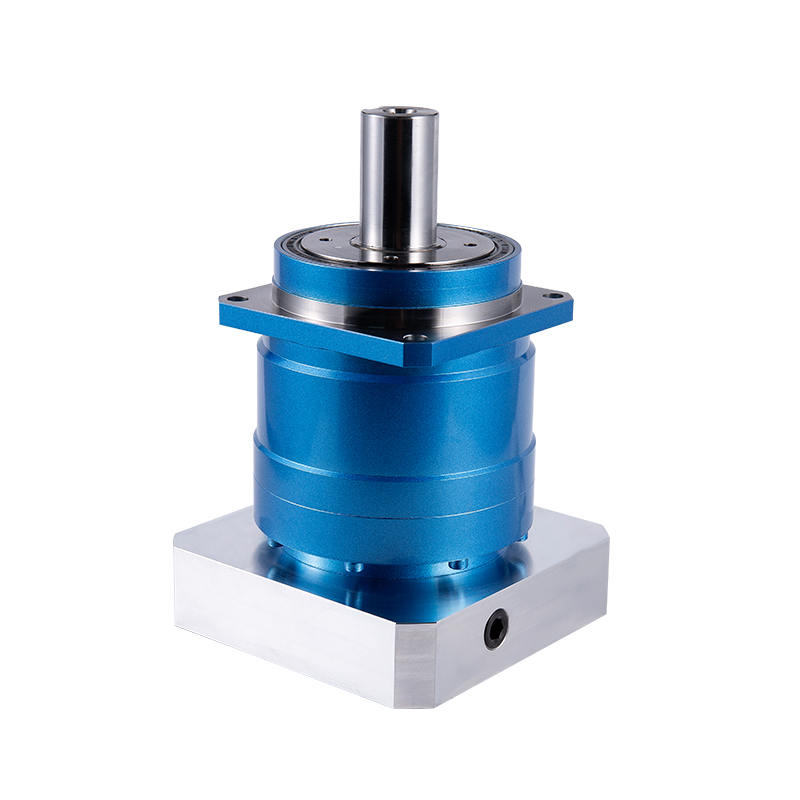
Planetary reducers occupy an important position in the field of industrial automation. The high-prec...
See Details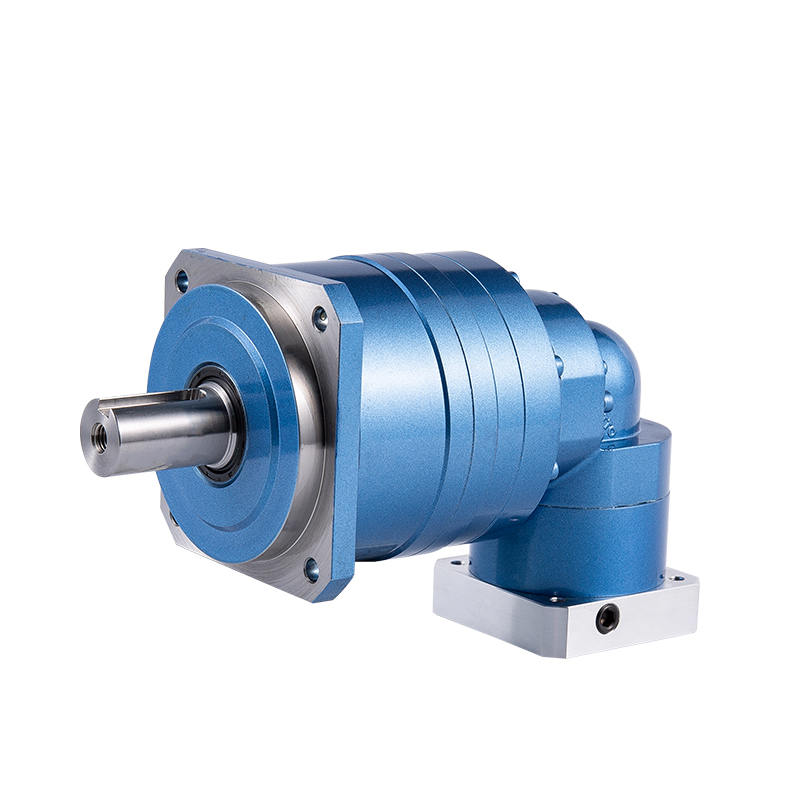
The planetary reducer adopts a helical gear design, which enables smooth and quiet operation and pro...
See Details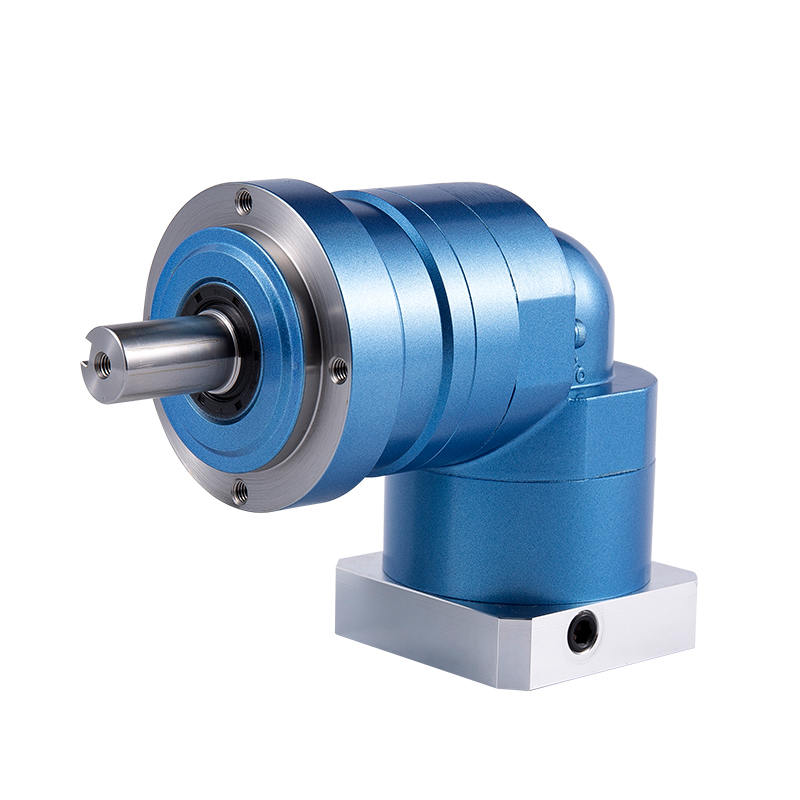
Features of planetary reducer1. Quiet: Use helical gears to achieve smooth and quiet operation;2. Hi...
See Details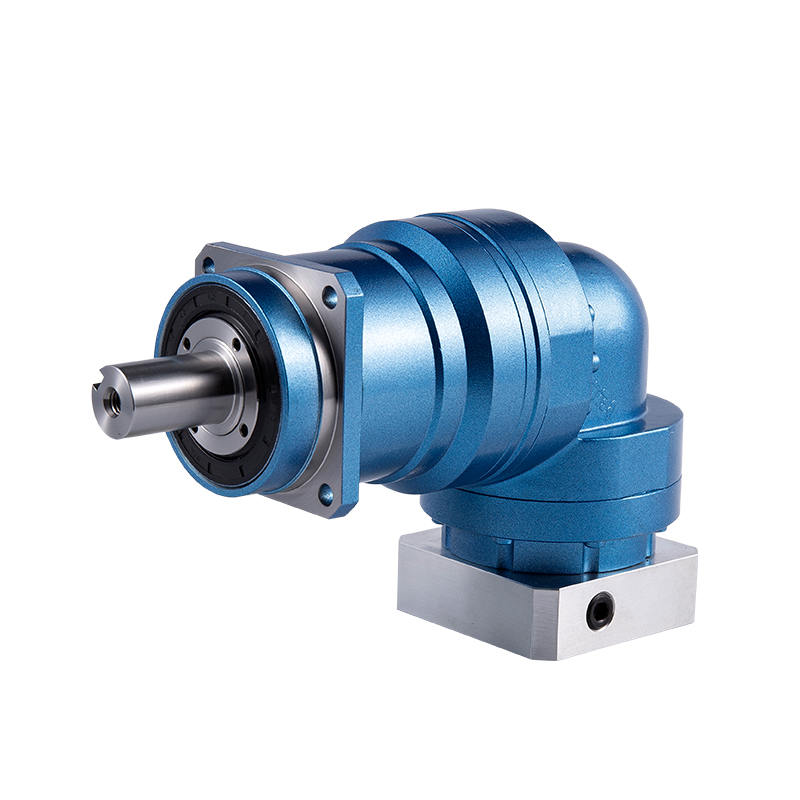
Features of planetary reducer1. Quiet: Use helical gears to achieve smooth and quiet operation;2. Hi...
See Details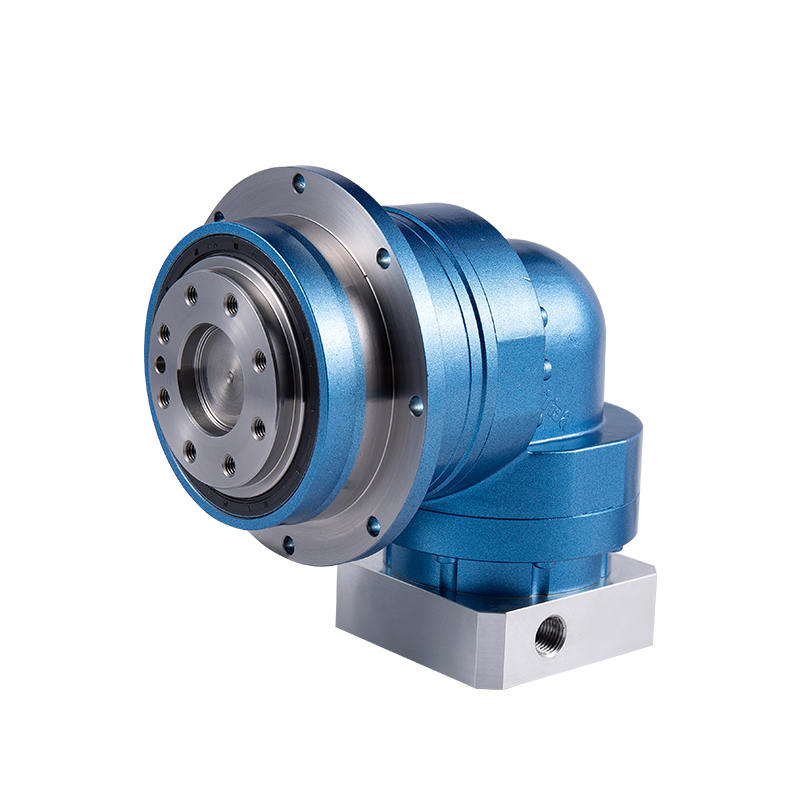
Features of planetary reducer1. High precision: the standard backlash is 4 arc minutes, which is ver...
See Details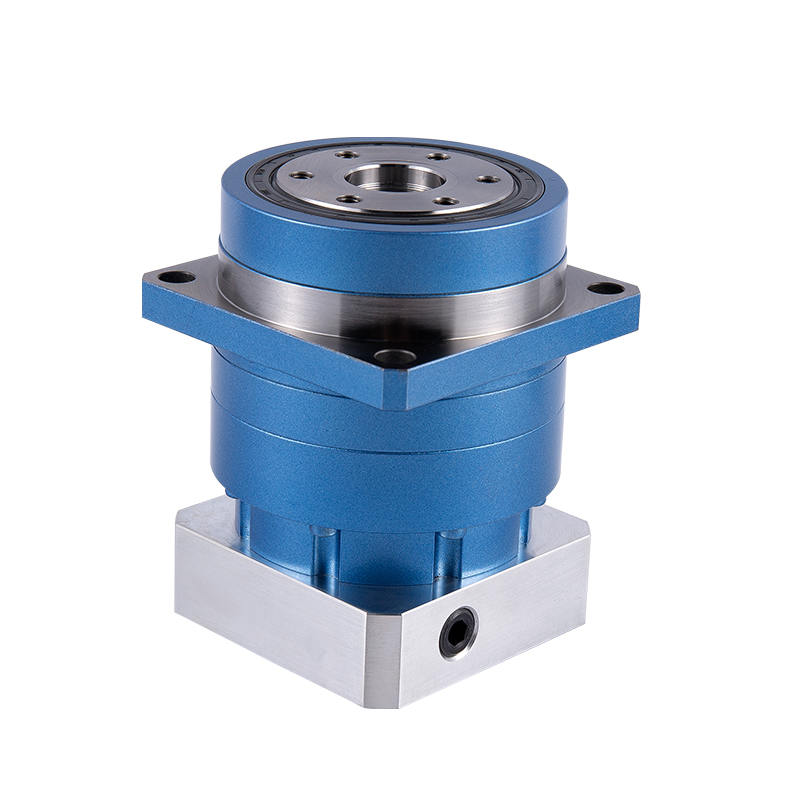
Features of planetary reducer1. Quiet: Use helical gears to achieve smooth and quiet operation;2. Hi...
See Details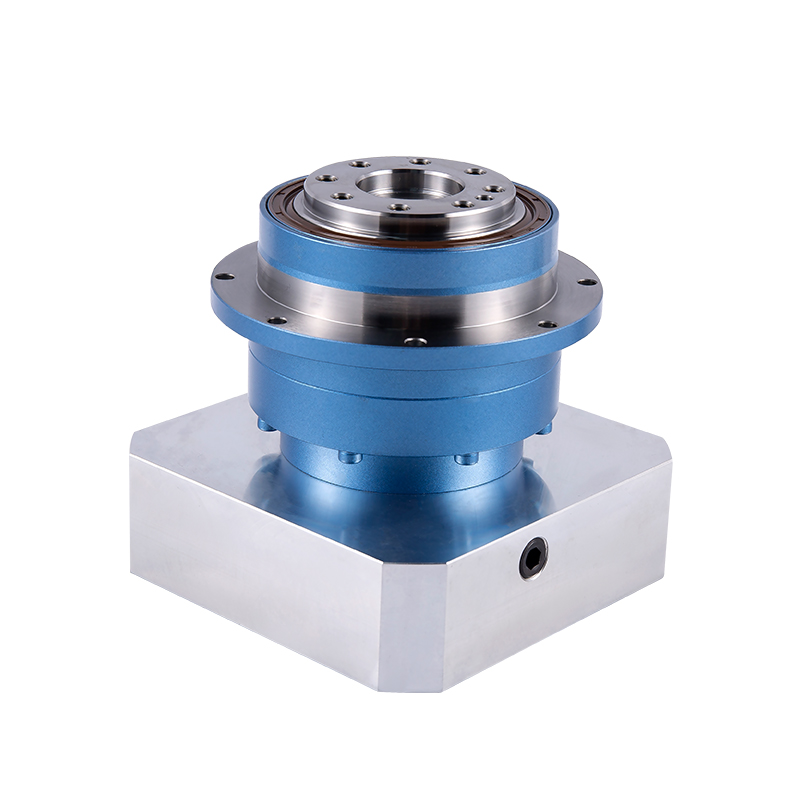
The NHT series planetary reducer adopts an advanced helical gear design, which not only significantl...
See Details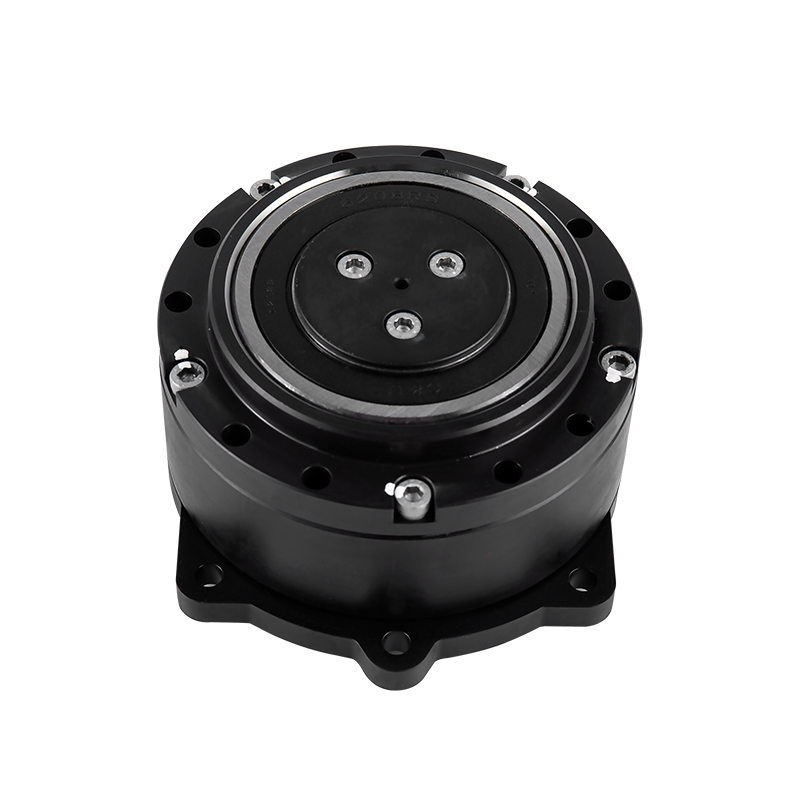
Designed for applications with high radial loads, such as AGV wheel drives, pulley drives. Output op...
See Details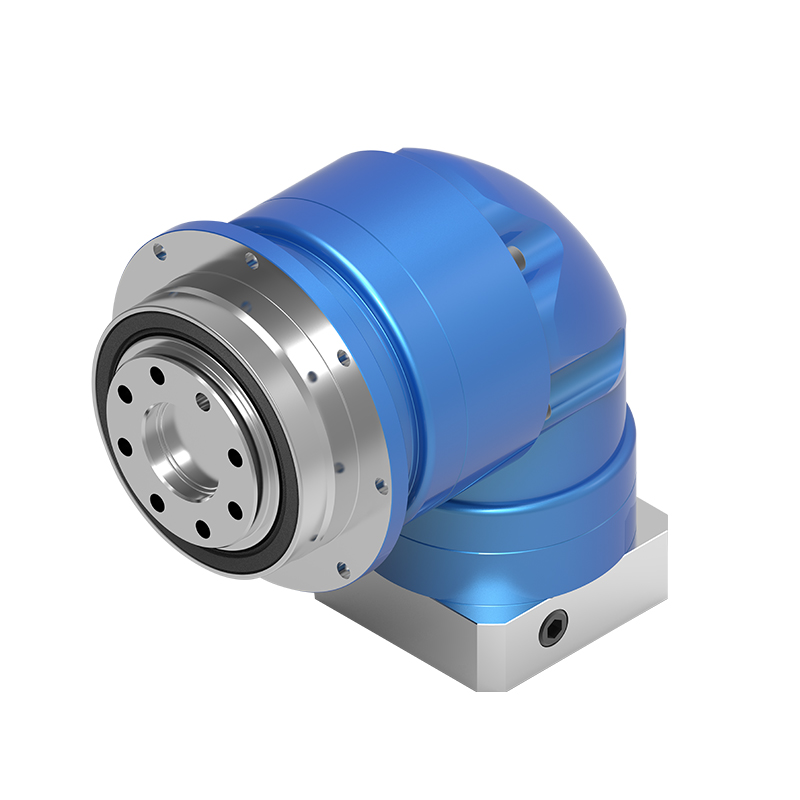
NTR series planetary reducer adopts spiral bevel gear design, which allows high-speed input of servo...
See Details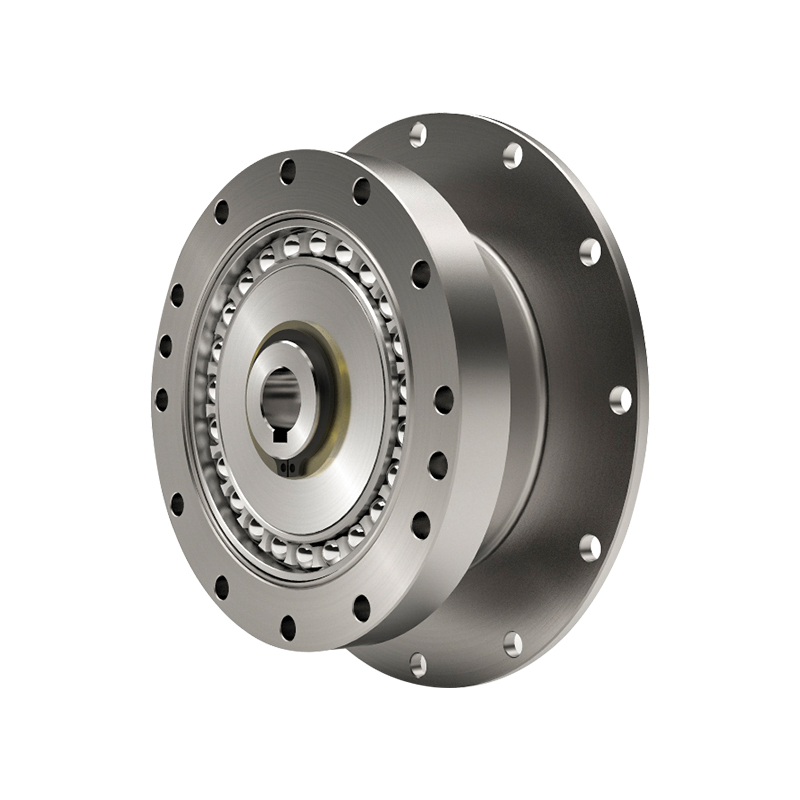
BSHF series Flexible gear reducer adopts a large-diameter hollow shaft design with a compact structu...
See Details

