 EN
EN




 English
 русский
 日本語
日本語 Español
Helical Tooth Transmission Gearbox Planetary Reducer AHL Series for Servo Motor
Cat:Planetary Reducer
Planetary reducers have been widely used in many industries for their performance. Their uniquely de...
See DetailsContent
At the heart of advanced robotics and sophisticated automation systems lies a relentless pursuit of precise, reliable, and efficient motion. The performance of these systems is fundamentally dictated by the quality of their mechanical power transmission components. Among these, the harmonic reducer stands out as a pivotal technology that has enabled leaps in capability. Unlike conventional gear systems, harmonic reducers operate on a unique principle involving a flexible spline, a circular spline, and a wave generator. This distinctive design is the key to their exceptional performance characteristics, which directly address the most stringent demands of modern industrial applications. From delicate assembly tasks requiring sub-millimeter accuracy to heavy-duty material handling that demands unwavering torque, the implementation of a harmonic drive system is often the differentiating factor between adequate and exceptional system performance. This article delves into the specific mechanisms through which harmonic reducers elevate automation, exploring key areas such as precision, compactness, reliability, and efficiency.
The paramount importance of precision in robotics cannot be overstated. Whether a robot is performing micro-surgery, placing electronic components on a circuit board, or conducting precise laser welding, any deviation from the intended path or position can lead to catastrophic results. This is where the inherent advantages of the harmonic reducer become critically important.
One of the most significant contributions of harmonic reducers to robotic precision is their inherent near-zero backlash. Backlash, defined as the clearance or lost motion between mating gear teeth, is the enemy of accuracy in any positioning system. In traditional gearboxes, this slack must be compensated for by the control system, often leading to positioning errors, oscillations, and reduced repeatability. The harmonic reducer's design, with its pre-stressed flexible spline engaging with the circular spline across many teeth simultaneously, effectively eliminates this clearance. The result is a direct and immediate transmission of motion from the input to the output. For an engineer or system integrator, this translates to a robot arm that stops exactly where commanded, every single time, without overshoot or hunting. This capability is essential for high precision robotic arm gearbox selection, as it allows designers to choose a transmission that guarantees positional fidelity at the endpoint, simplifying control algorithms and enhancing the overall quality of the task performed.
Harmonic reducers achieve high reduction ratios—often ranging from 30:1 to over 320:1—in a single, compact stage. This is a stark contrast to planetary gearboxes, which require multiple stages stacked together to achieve similar ratios. Each additional stage in a conventional gearbox introduces more potential sources of error, including cumulative backlash, torsional windup, and manufacturing tolerance stack-up. The single-stage nature of the harmonic drive means the motor's precise rotational control is translated to the output with minimal distortion and a unified, predictable torsional stiffness. This characteristic directly supports the need for compact high torque reduction for collaborative robots. Cobots operate in shared spaces with humans and must be inherently safe, which often means using smaller, lower-inertia motors. Achieving high output torque from these motors in a confined space is a major challenge. The harmonic reducer's ability to provide a large speed reduction and torque multiplication in an extremely compact envelope makes it the ideal solution, allowing cobot joints to be both powerful and precise without becoming bulky or dangerous.
The spatial constraints in modern automation equipment are severe. Robots need to be as slim and dexterous as possible, and machine builders constantly strive to miniaturize their equipment without sacrificing power. Harmonic reducers excel in this arena due to their exceptional torque density.
Torque density refers to the amount of output torque a device can generate relative to its size and mass. The harmonic reducer's coaxial design, with the input and output shafts sharing the same centerline, and its utilization of elastic mechanics allow it to deliver remarkably high torque from a very small package. When comparing a harmonic reducer to a similarly rated planetary reducer, the differences are clear. The planetary reducer will typically be longer or require additional stages, increasing its footprint along the axis of rotation. The harmonic reducer, in contrast, offers a more pancake-like form factor, saving crucial space in the joint of a robot or within a compact automated module. This advantage is not merely about saving space; it reduces the overall mass and inertia of the moving parts. Lower moving mass means actuators can accelerate and decelerate faster, improving cycle times and reducing the energy required for motion. This combination of high torque in a small package is precisely what drives inquiries into the benefits of harmonic drive in CNC rotary tables. CNC rotary tables require extremely high stiffness and precision in a confined space to hold and position heavy workpieces accurately under cutting forces. A harmonic reducer provides the direct-drive-like performance with massive torque multiplication, ensuring the table does not deviate under load while maintaining a compact design that integrates seamlessly into the machine tool.
The following table contrasts typical characteristics between a harmonic reducer and a multi-stage planetary reducer of comparable output torque, highlighting the design advantages for space-constrained applications.
| Metric | Harmonic Reducer | Multi-Stage Planetary Reducer |
|---|---|---|
| Typical Form Factor | Short, pancake-like (high axial compactness) | Long, cylindrical (larger axial length) |
| Torque-to-Weight Ratio | Very High | Moderate |
| Installation Footprint | Coaxial, simplified mounting | May require additional support for overhung load |
| Primary Advantage for Design | Saves space in the joint axis, lowers inertia | Widely available, cost-effective for some ratios |
In 24/7 manufacturing environments and mission-critical applications, equipment reliability is synonymous with productivity and profitability. Unexpected downtime for maintenance or repair is extraordinarily costly. Harmonic reducers are engineered for exceptional longevity and reliable operation under demanding conditions.
The operating principle of the harmonic reducer involves rolling motion and elastic deformation rather than the sliding friction and impact that characterize traditional gear meshes. The teeth of the flexible spline engage with the circular spline with a rolling action, which drastically reduces wear. Furthermore, because many teeth (often 20% or more of the total) are engaged at any given moment, the load is distributed over a large surface area, significantly reducing stress on individual teeth. This leads to a much longer functional life compared to gear systems that rely on fewer, more heavily loaded contact points. For users, this means the drive can often last for tens of thousands of operating hours with minimal attention. This reliability is a cornerstone for harmonic reducer maintenance and lifespan considerations. While all mechanical systems require some oversight, the maintenance schedule for a harmonic reducer is predominantly focused on periodic lubrication interval checks rather than adjustments for wear or backlash compensation. This predictable, low-maintenance profile allows plant managers to implement proactive rather than reactive maintenance strategies, ensuring continuous operation.
The simplicity of the harmonic reducer's design, with fewer moving parts than a multi-stage planetary gearbox, also contributes to its robustness. It is less susceptible to issues from component misalignment or shock loads being distributed across many teeth. When properly sealed, harmonic reducers can perform reliably in environments with dust, moisture, or temperature variations that would compromise other types of gearboxes. This durability makes them a preferred choice for applications exposed to challenging conditions, such as food and beverage processing, outdoor robotics, or cleanrooms where reliability is non-negotiable. Understanding the difference between harmonic drive and cycloidal drive is crucial here, as both are used in robotics. While cycloidal drives also offer high reduction and zero-backlash, they operate on a different principle using eccentric bearings and cycloidal discs. The comparison often centers on torque density, shock load capacity, and torsional stiffness. Harmonic drives typically offer higher torsional stiffness and positional accuracy, while cycloidal drives may excel in handling extreme shock loads. The choice depends on the specific demands of the application, but for pure precision and stiffness in a compact size, the harmonic drive frequently holds the advantage.
Beyond precision and reliability, the overall efficiency and dynamic response of a drive system directly impact energy consumption, heat generation, and speed of operation. Harmonic reducers contribute positively to these system-level performance metrics.
Despite their complex-sounding operating principle, well-designed harmonic reducers achieve high mechanical efficiency, typically ranging from 80% to 90% for a single stage. This efficiency means that a large percentage of the input motor power is translated into useful output work, with minimal losses dissipated as heat. High efficiency allows for the use of smaller, more economical motors and drives, as less power is wasted in the transmission. It also reduces thermal stress on the reducer itself and the surrounding components, contributing to longer service life. In battery-powered applications like mobile robots or automated guided vehicles (AGVs), every percentage point of efficiency is critical for extending operational runtime between charges. Therefore, when evaluating a harmonic reducer for AGV wheel drive, efficiency becomes a top-tier specification alongside torque and compactness. An efficient reducer ensures maximum mileage from the onboard energy source and reduces the cooling requirements for the drive system, enabling a simpler and more reliable AGV design.
Torsional stiffness is a measure of a component's resistance to twisting under load. High torsional stiffness is vital for dynamic performance; it ensures that when the motor applies a torque command, the output shaft responds immediately and proportionally, without a delayed "wind-up" of the transmission element. The harmonic reducer's monolithic flexspline and multi-tooth engagement give it exceptionally high torsional stiffness. This results in a very high natural frequency for the mechanical system, which allows for higher control loop gains in the servo system. Higher gains enable faster settling times, improved tracking accuracy at speed, and better rejection of disturbances like variable payloads. In practical terms, a robot with high-stiffness reducers in its joints can move faster to a position, stop more quickly and accurately, and maintain precision even when handling objects of different weights. This dynamic capability is essential for high-throughput automation where speed and accuracy are equally important.
Understanding the strengths of harmonic reducer technology is only the first step. Successfully leveraging these advantages requires careful selection and integration based on the specific demands of the application.
The decision-making process should be guided by a systematic evaluation of key parameters. It is not a one-size-fits-all solution, and its superior characteristics in precision and compactness must be weighed against factors like cost sensitivity and ultimate torque ceiling for the very largest industrial robots. A thorough analysis ensures the technology aligns with the performance and economic goals of the project.
By meticulously addressing these points, engineers can confidently specify harmonic reducers where their unique properties—such as enabling high precision robotic arm gearbox selection, providing compact high torque reduction for collaborative robots, fulfilling the benefits of harmonic drive in CNC rotary tables, ensuring predictable harmonic reducer maintenance and lifespan, and understanding the key difference between harmonic drive and cycloidal drive—deliver transformative improvements in robot and automation performance. The result is equipment that is faster, more accurate, more reliable, and ultimately more valuable in the competitive landscape of modern manufacturing and automation.
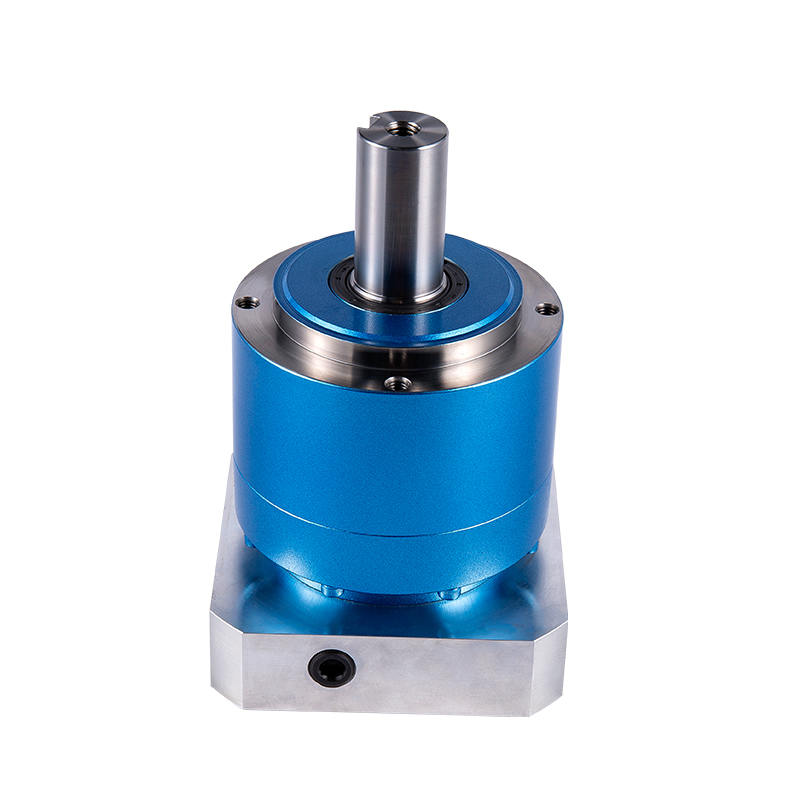
Planetary reducers have been widely used in many industries for their performance. Their uniquely de...
See Details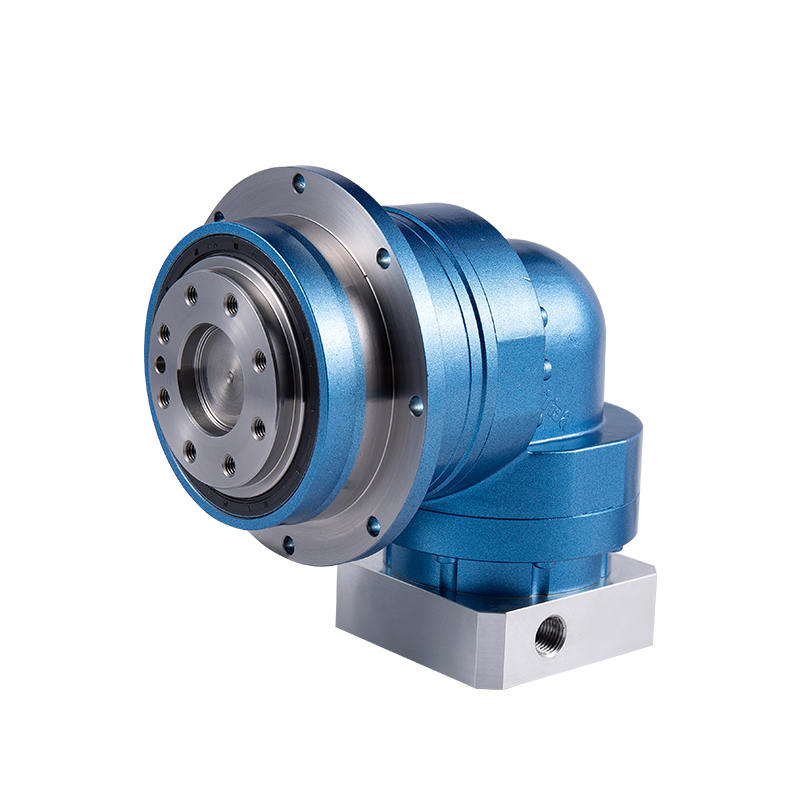
Features of planetary reducer1. High precision: the standard backlash is 4 arc minutes, which is ver...
See Details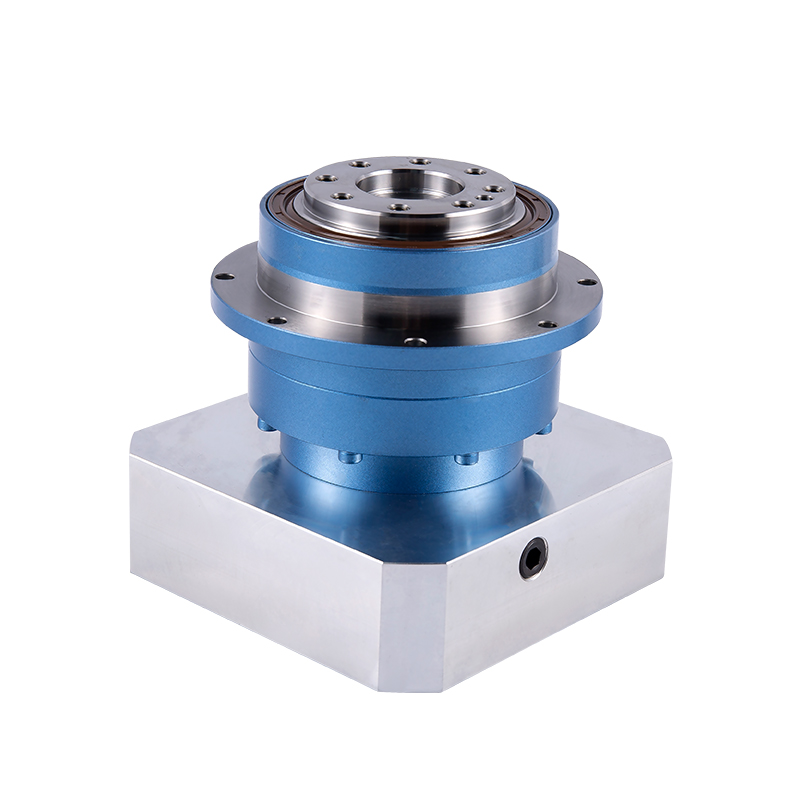
The NHT series planetary reducer adopts an advanced helical gear design, which not only significantl...
See Details
Designed for applications with high radial loads, such as AGV wheel drives, pulley drives. Output op...
See Details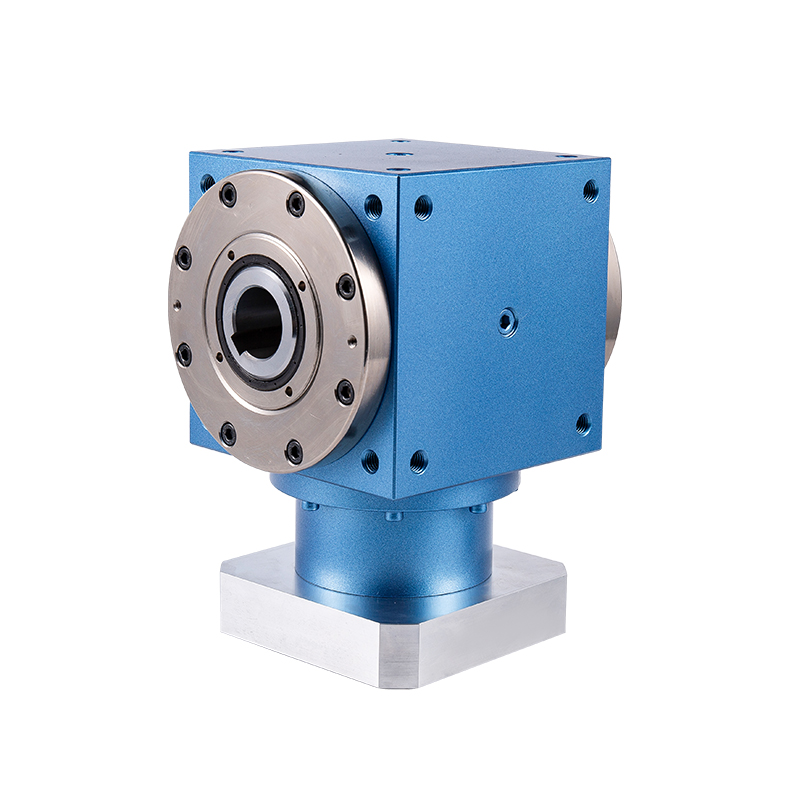
The TD-CR series reducer is centered on the design of hollow shaft output, which not only optimizes ...
See Details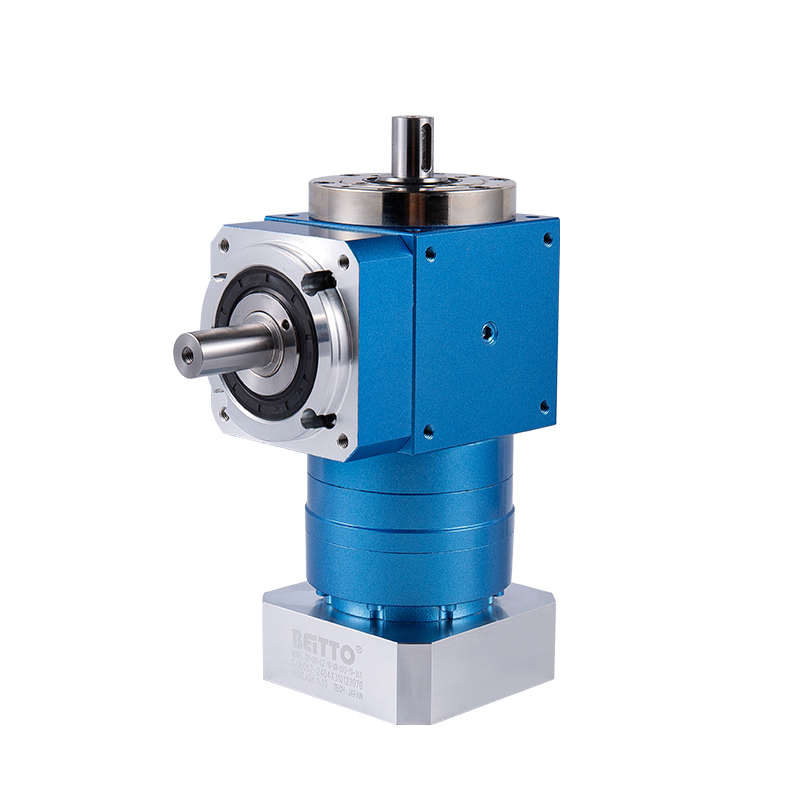
● Various output shaft options● High torque● High efficiency● Long service life● Low backlash● Maint...
See Details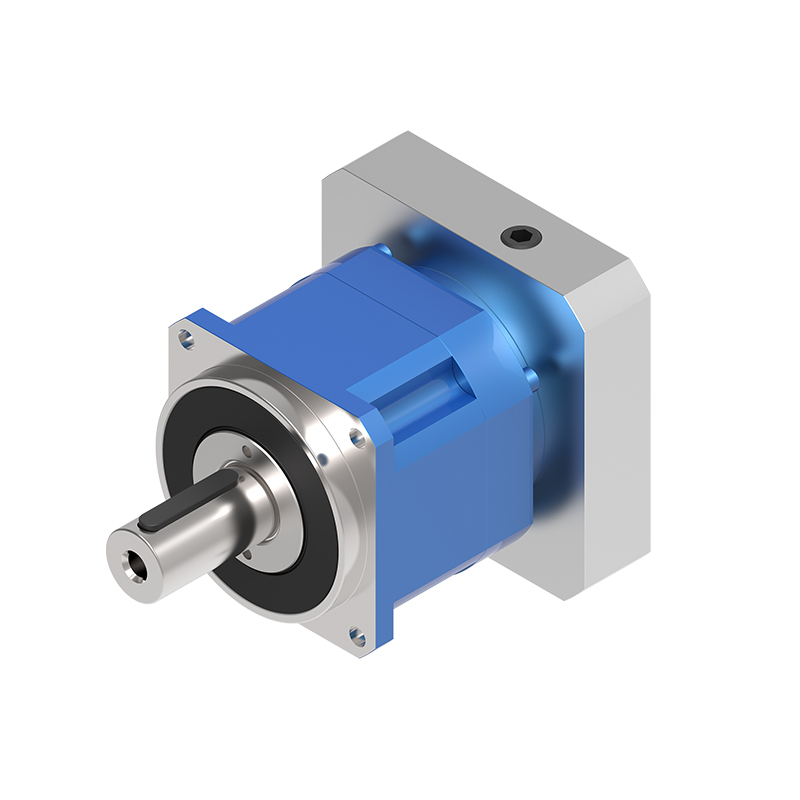
1. Helical gear designThe speed reduction mechanism adopts a helical gear design, and its tooth mesh...
See Details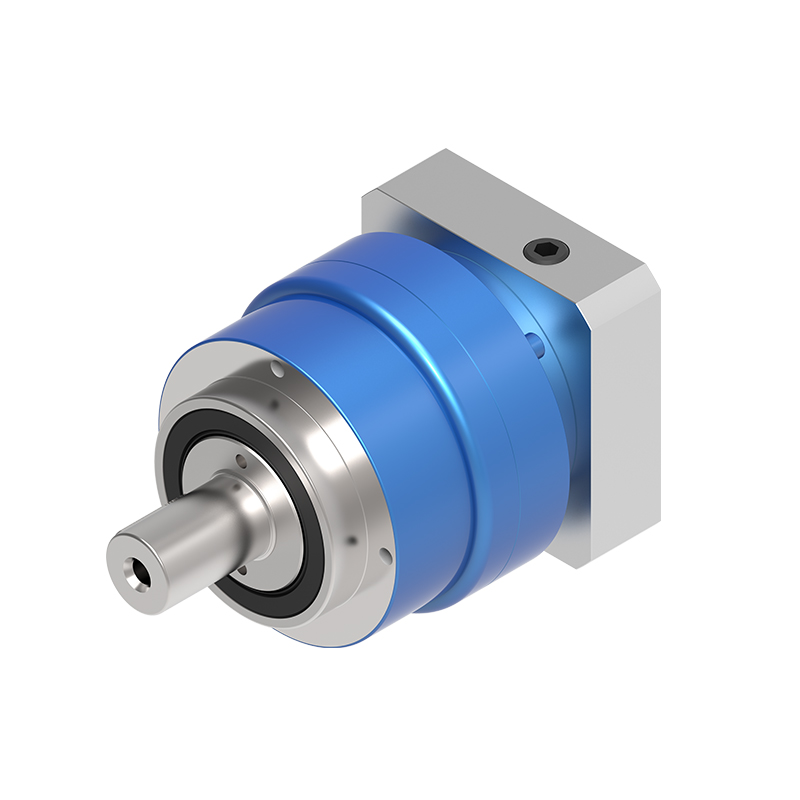
Innovative helical gear structureThe reduction mechanism introduces an innovative helical gear desig...
See Details
The NLR series planetary reducer adopts a spiral bevel gear design, which allows high-speed input of...
See Details
The NSR series planetary reducer adopts a spiral bevel gear design. This innovation not only makes t...
See Details

