 EN
EN




 English
 русский
 日本語
日本語 Español
Low Noise Multi specification Integrated-Structure Planetary Reducer AHS Series
Cat:Planetary Reducer
Planetary reducers occupy an important position in the field of industrial automation. The high-prec...
See DetailsSelecting the right servo motor planetary gearbox is critical for ensuring optimal performance, precision, and longevity of industrial machinery. The correct choice impacts torque transmission, motion accuracy, energy efficiency, and maintenance requirements. Engineers and procurement specialists must consider multiple technical parameters while aligning with modern industry standards.
According to the latest report by the International Society of Automation (ISA), in 2024-2025, demand for high-precision planetary gearboxes is projected to grow over 12% annually, driven by automation, robotics, and CNC machinery in the industrial sector. The report highlights improvements in torque density, low-backlash designs, and efficiency optimization as key market trends.
Content
The torque output of a servo motor planetary gearbox determines the operational capability of the entire system. Proper torque matching prevents overloading the motor and ensures smooth operation.
| Parameter | Description | Importance |
| Rated Torque | Continuous torque the gearbox can safely deliver | High |
| Peak Torque | Maximum transient torque allowable | Medium |
| Safety Factor | Margin for unexpected load peaks | Critical |
Space constraints in modern industrial machinery necessitate the use of compact planetary gearboxes without compromising torque capacity or durability. These designs are particularly popular in robotics, automated assembly lines, and AGVs.
| Feature | Compact Planetary Gearbox | Standard Planetary Gearbox |
| Size | Smaller footprint | Larger footprint |
| Torque Density | High | Medium |
| Cost | Higher | Lower |
Backlash, or play between gears, directly affects positioning accuracy. Low-backlash gearboxes are essential for servo systems requiring precise motion control, such as CNC machines and robotic arms.
Efficiency affects energy consumption, heat generation, and overall system reliability. Selecting a gearbox with high mechanical efficiency ensures minimal losses and longer service life.
Proper maintenance enhances lifespan and reduces unscheduled downtime. Maintenance protocols typically include lubrication, temperature monitoring, vibration analysis, and periodic backlash verification.
Adhering to international standards ensures reliable performance and product compatibility. ISO and AGMA gear manufacturing tolerances and lubrication standards provide benchmarks for high-precision planetary gearboxes.
Source: ISO International Standards for Gear Accuracy
The company has consistently applied Japanese electromechanical cutting-edge R&D technology, integrating meticulous production processes with advanced design and development techniques to optimize product structures. Situated in the National (Jiaxing) Electromechanical Components Industrial Park in Pinghu City, Zhejiang Province, the company leverages an advanced industrial ecosystem to deliver high-precision motion components tailored to demanding industrial applications.
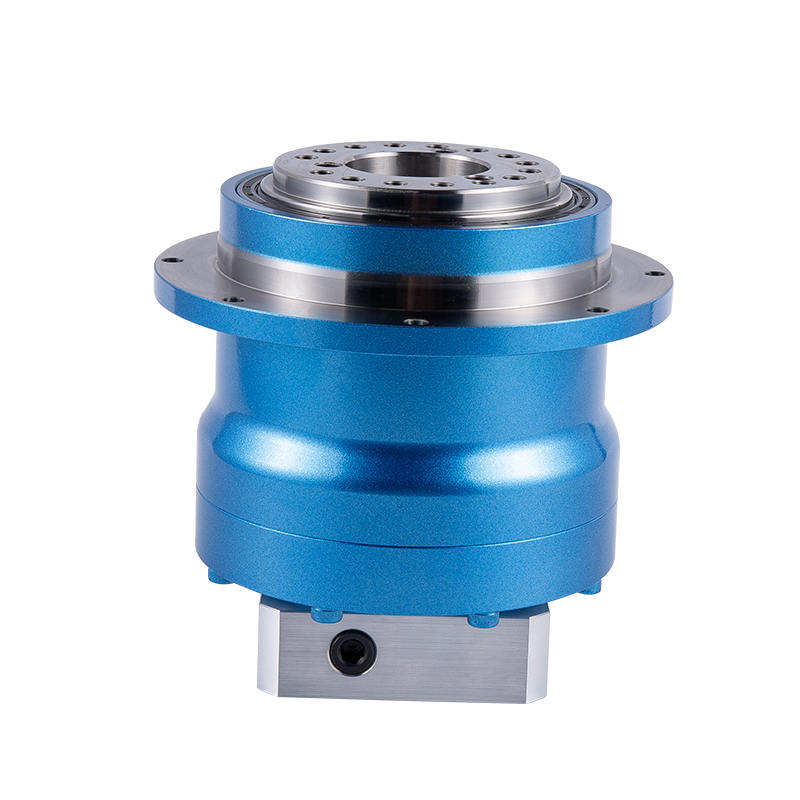
Choosing the right servo motor planetary gearbox involves balancing torque requirements, space constraints, backlash needs, efficiency considerations, and maintenance strategies. A methodical selection process ensures improved machinery performance, precision, and operational longevity.
The torque range is determined by the gearbox design, number of stages, and material strength. Correct matching to application load prevents motor overload and ensures smooth operation.
Backlash introduces positional error and instability in closed-loop control. Systems requiring high-precision positioning must use low-backlash gearboxes.
Yes, compact designs often utilize high-density gearing and advanced materials to maintain torque capacity, but thermal and cost considerations must be evaluated.
Maintenance depends on duty cycle and load conditions, but industrial systems typically require annual inspection, lubrication checks, and backlash verification to ensure longevity.
Compatibility depends on shaft dimensions, mounting interface, and load requirements. Custom adapters may be needed for non-standard servo motor configurations.
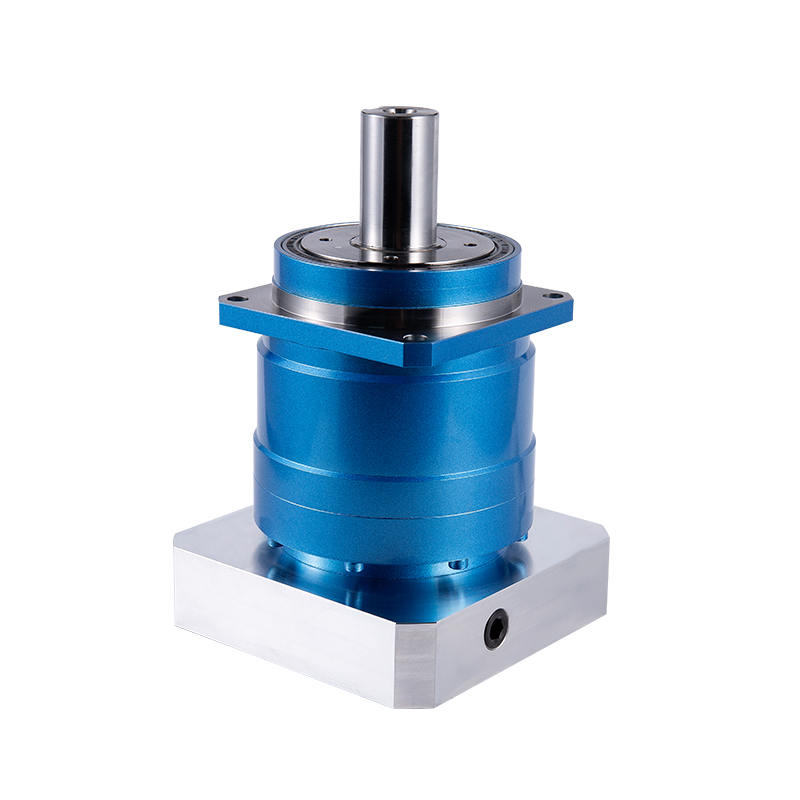
Planetary reducers occupy an important position in the field of industrial automation. The high-prec...
See Details
With its high-precision characteristics, the planetary reducer successfully controls the backlash wi...
See Details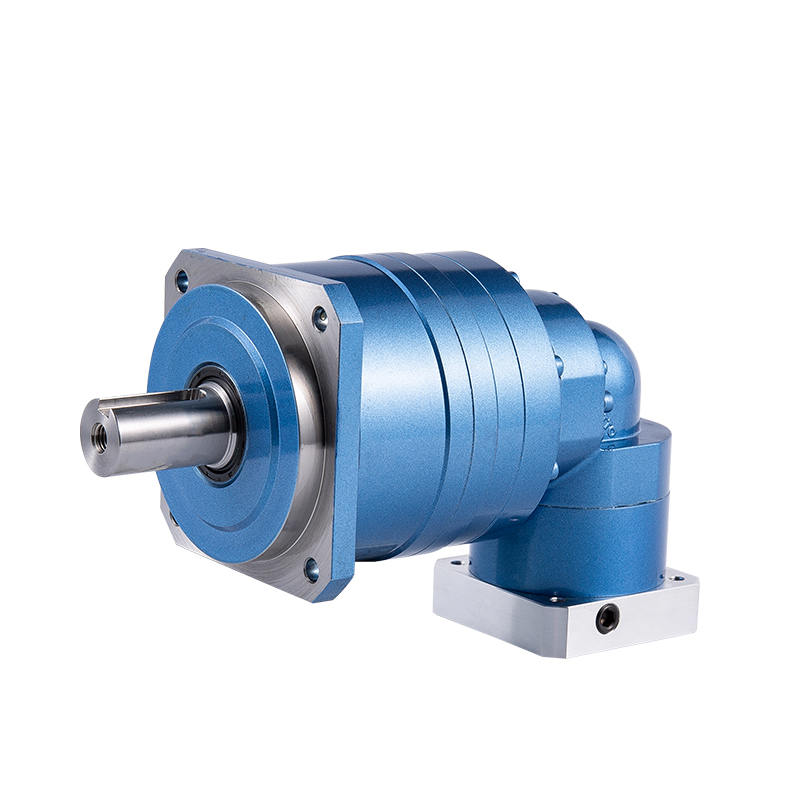
The planetary reducer adopts a helical gear design, which enables smooth and quiet operation and pro...
See Details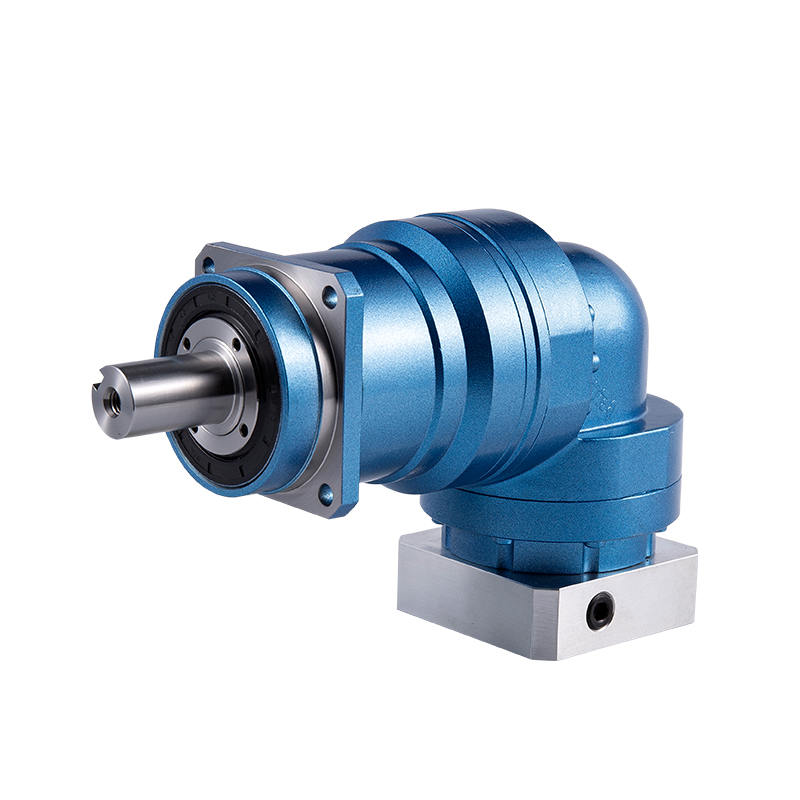
Features of planetary reducer1. Quiet: Use helical gears to achieve smooth and quiet operation;2. Hi...
See Details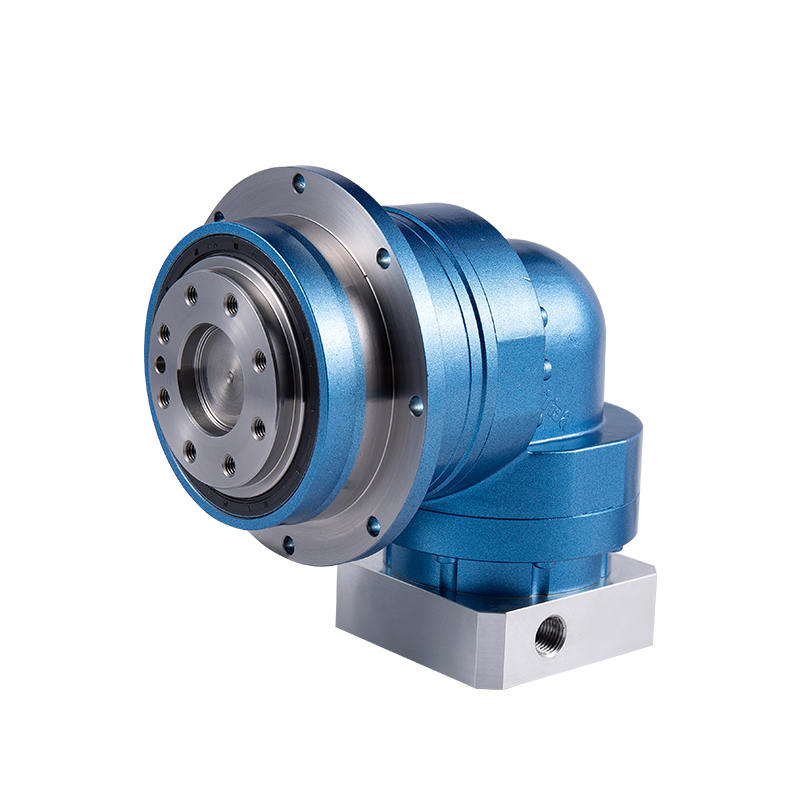
Features of planetary reducer1. High precision: the standard backlash is 4 arc minutes, which is ver...
See Details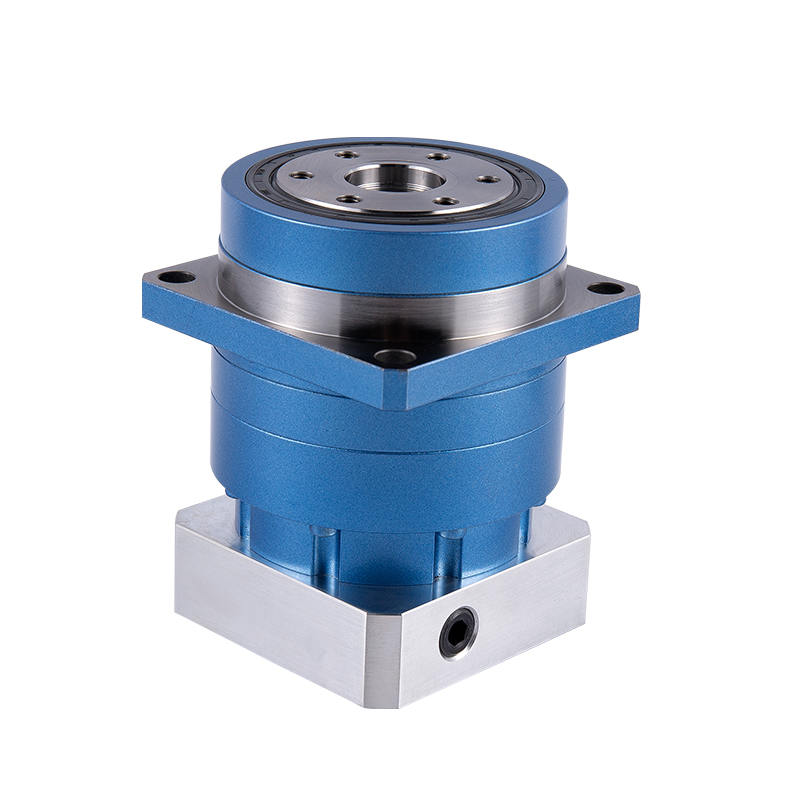
Features of planetary reducer1. Quiet: Use helical gears to achieve smooth and quiet operation;2. Hi...
See Details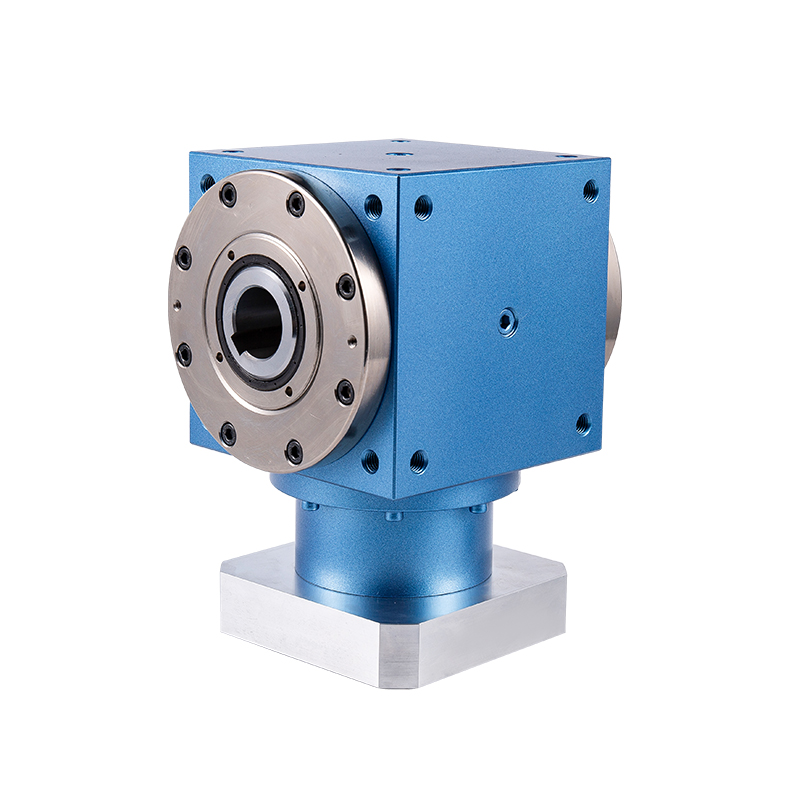
The TD-CR series reducer is centered on the design of hollow shaft output, which not only optimizes ...
See Details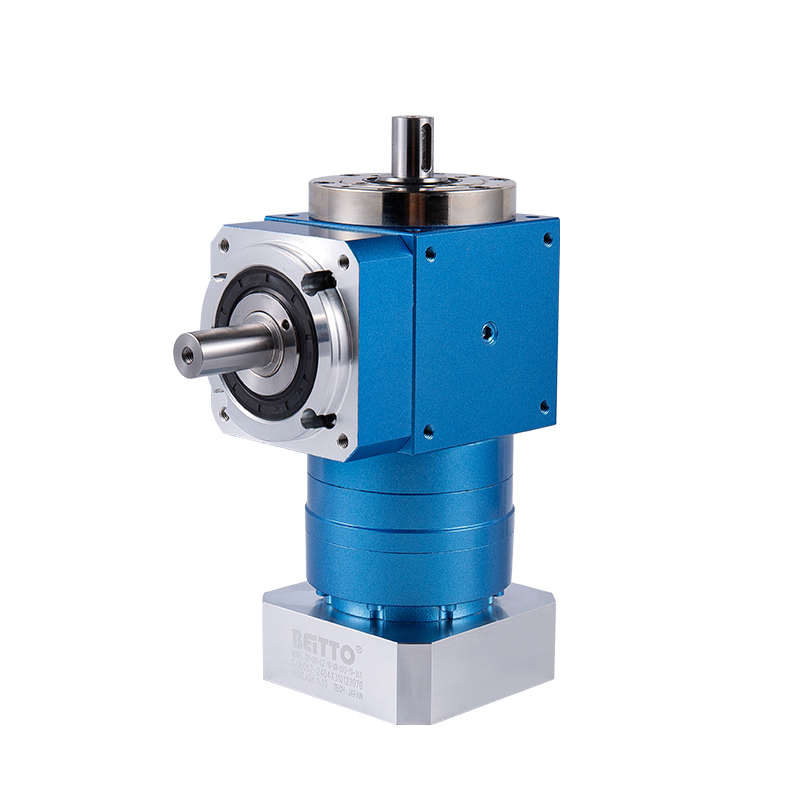
● Various output shaft options● High torque● High efficiency● Long service life● Low backlash● Maint...
See Details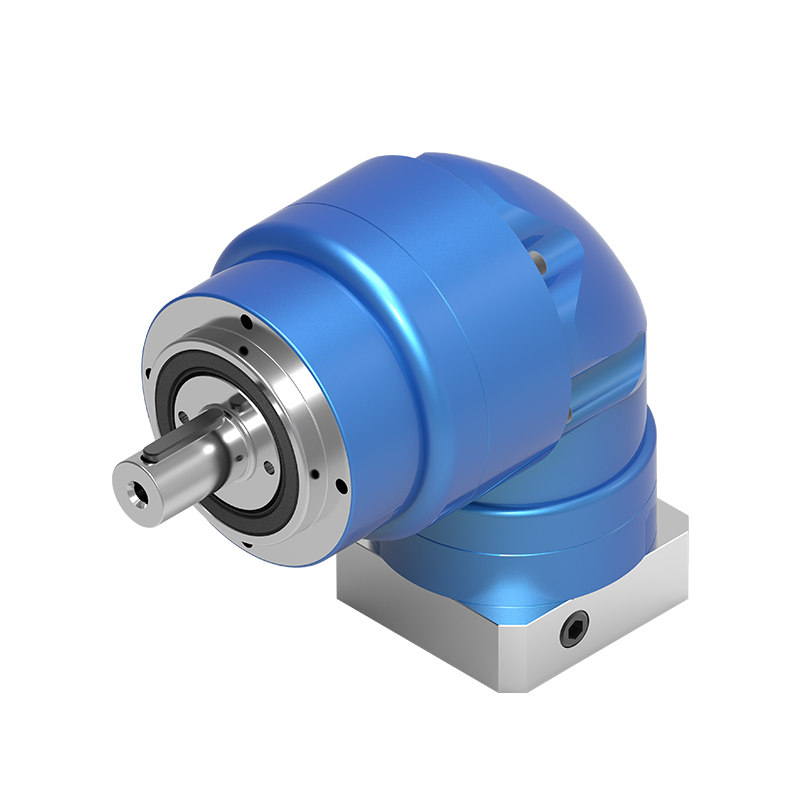
The NLR series planetary reducer adopts a spiral bevel gear design, which allows high-speed input of...
See Details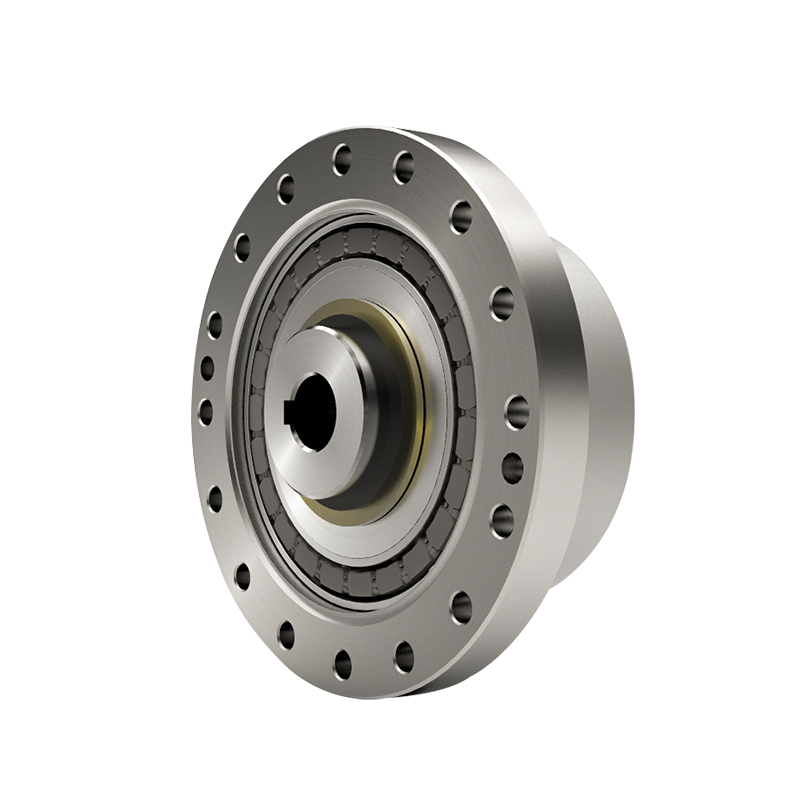
The BCSF series Flexible gear reducer pursues the ultimate lightness and simplicity in design, which...
See Details

