 EN
EN




 English
 русский
 日本語
日本語 Español
Low Noise Multi specification Integrated-Structure Planetary Reducer AHS Series
Cat:Planetary Reducer
Planetary reducers occupy an important position in the field of industrial automation. The high-prec...
See DetailsA servo-driven rotary table in a packaging line began overshooting on every index after a heavier fixture was installed. The motor was not overloaded, yet the axis resonated at low frequency and settling time increased by 40 percent. The cause was not the motor, it was inertia mismatching reflected through the planetary gearbox. This scenario repeats across thousands of machine axes where torque sizing was done but inertia matching was never checked.
When a servo axis is sized, engineers usually check continuous torque, peak torque, and speed. Inertia matching is the fourth check that often gets skipped. The result is a system that is thermally fine but dynamically unstable, with longer settling times, visible overshoot, and drive faults during direction changes.
Content
Inertia matching is the most important sizing criterion for a servo axis once torque and thermal requirements are satisfied.
The inertia ratio compares the load inertia reflected to the motor shaft with the motor rotor inertia. At a 1:1 ratio, the servo loop achieves maximum bandwidth, the shortest settling time, and minimal position overshoot. At higher ratios, the loop must reduce gain to stay stable, and response slows down.
Inertia matching is the practice of sizing a servo motor and its gearbox so that the load inertia reflected at the motor shaft remains within a recommended multiple of the motor rotor inertia, typically 1:1 to 5:1.
Field measurements on a rotary positioning axis with a 750 W servo motor and a 10:1 planetary gearbox showed that improving the inertia ratio from 8:1 to 2:1 reduced settling time from roughly 300 ms to 170 ms. No amount of servo tuning could reproduce that improvement.
The 1:3 inertia ratio is the practical upper boundary for most industrial servo systems that need stable, repeatable positioning.
At 1:1, the axis has the best stiffness and dynamic response. At 1:3, the system still has enough control margin for repeatable positioning. At 1:5, the system is sensitive to gain tuning, mechanical stiffness, and load changes. Beyond 1:10, servo drives cannot maintain effective bandwidth and the axis tends to oscillate during reversal.
| Inertia ratio | Dynamic response | Settling time | Usability |
|---|---|---|---|
| 1:1 | Excellent | Fastest | Recommended |
| 1:3 | Good | Moderate | Acceptable |
| 1:5 | Reduced | Slow | Tuning required |
| 1:10 | Poor | Very slow | Not suitable |
A planetary gearbox reduces the load inertia at the motor shaft by the square of its reduction ratio, but its own input inertia is added directly to the motor load.
The reflected inertia formula is J_reflected = J_load / N2 + J_gearbox. A 10:1 gearbox turns a 6.4 kg m2 load into 0.064 kg m2 at the motor shaft. If the gearbox input inertia is 0.008 kg m2, the total reflected inertia becomes 0.072 kg m2. As the gearbox ratio increases, the gearbox inertia becomes a larger fraction of the load the motor actually sees.
Planetary gearboxes are well suited to this task because they combine a compact design with low input inertia and low backlash. For automation equipment demanding fast indexing, the AHB series planetary reducer provides low-backlash transmission with high stiffness.
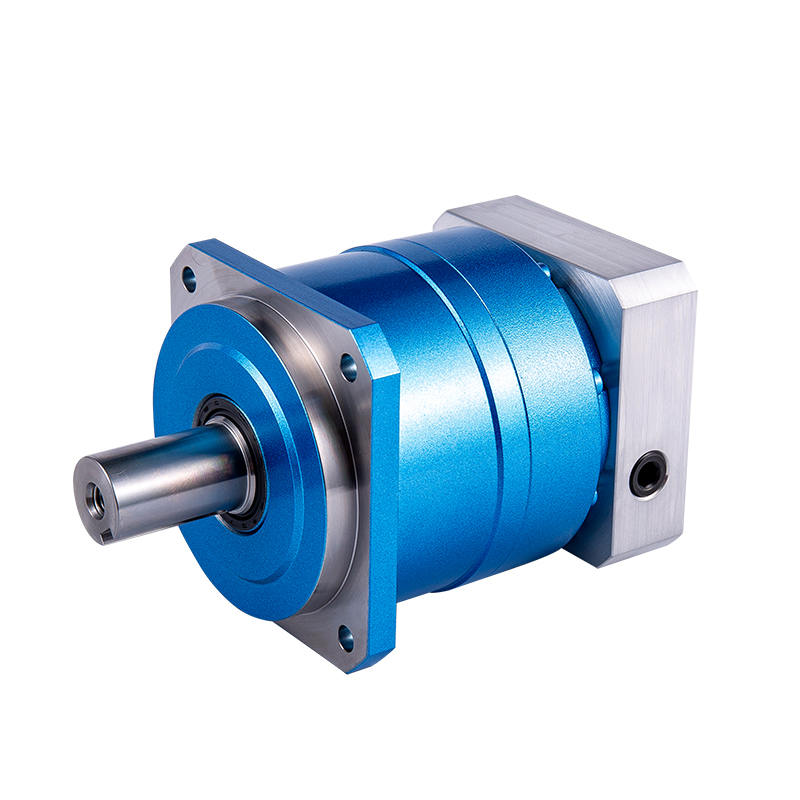 Low Backlash AHB Planetary Gearbox for Precise Servo PositioningThis helical planetary reducer offers backlash under 3 arcminutes and high stiffness, making it suitable for fast indexing and precision motion control in automation equipment.View Product →
Load characteristics should always be calculated before selecting a gearbox, because the load mass distribution and any external forces change the effective inertia at the output shaft.
Match the gearbox to the load in a six-step iteration that balances speed, torque, and reflected inertia.
For applications requiring long-term stability, the AHL series helical-tooth planetary reducer maintains precision under continuous production loads.
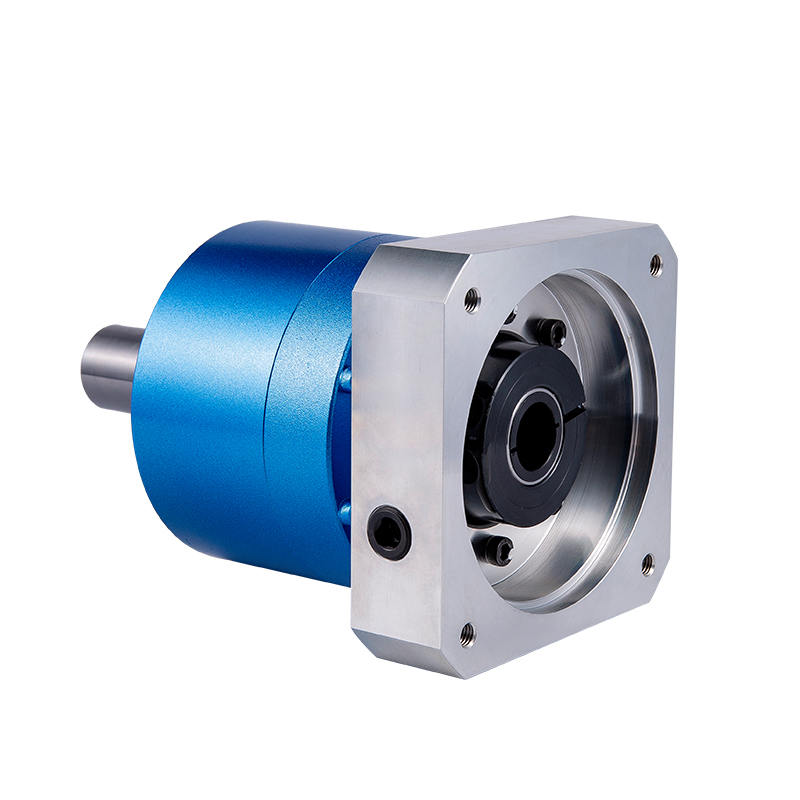 AHL Helical Planetary Reducer for Continuous Production LoadsDesigned for long-term stability, this helical-tooth planetary reducer maintains precision under sustained loads, with smooth and quiet operation for demanding servo applications.View Product →
The most expensive errors in servo-plus-gearbox sizing are ignoring the gearbox own inertia, selecting the ratio for speed alone, and using a larger motor to compensate a bad ratio.
For applications that need output-variable torque control, the ALR series planetary reducer delivers high precision torque adjustment in a compact assembly.
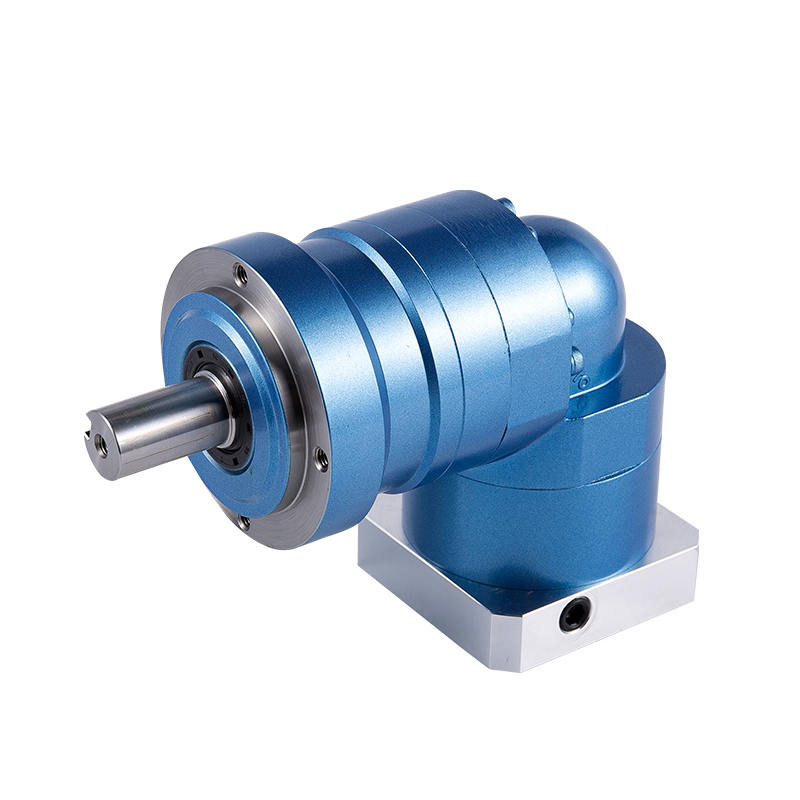 ALR Planetary Reducer with Variable Torque and Compact OutputFeaturing a cross roller bearing output and compact structure, this reducer provides adjustable torque and high precision, ideal for applications needing output-variable control.View Product →
Increasing the motor size by one frame can raise rotor inertia by 30 to 50 percent. In a system already running at a 4:1 inertia ratio, that change can push it beyond 5:1 and make tuning harder, not easier.
The ideal ratio is 1:1, where the reflected load inertia equals the motor rotor inertia. In production systems, the practical upper limit is 3:1, while 5:1 requires aggressive tuning and a very rigid mechanical system.
The gearbox ratio divides the reflected load inertia by the square of the ratio. A 10:1 reduction makes a 10 kg m2 load appear as only 0.1 kg m2 at the motor shaft, plus the gearbox own input inertia.
Yes. The gearbox input inertia is added directly to the reflected load inertia before comparing with the motor rotor inertia. At ratios above 10:1, this value often dominates the result.
No. A larger motor has a correspondingly larger rotor inertia, so the ratio usually stays unchanged or worsens. The correct fix is selecting a planetary gearbox with a suitable ratio and low input inertia.
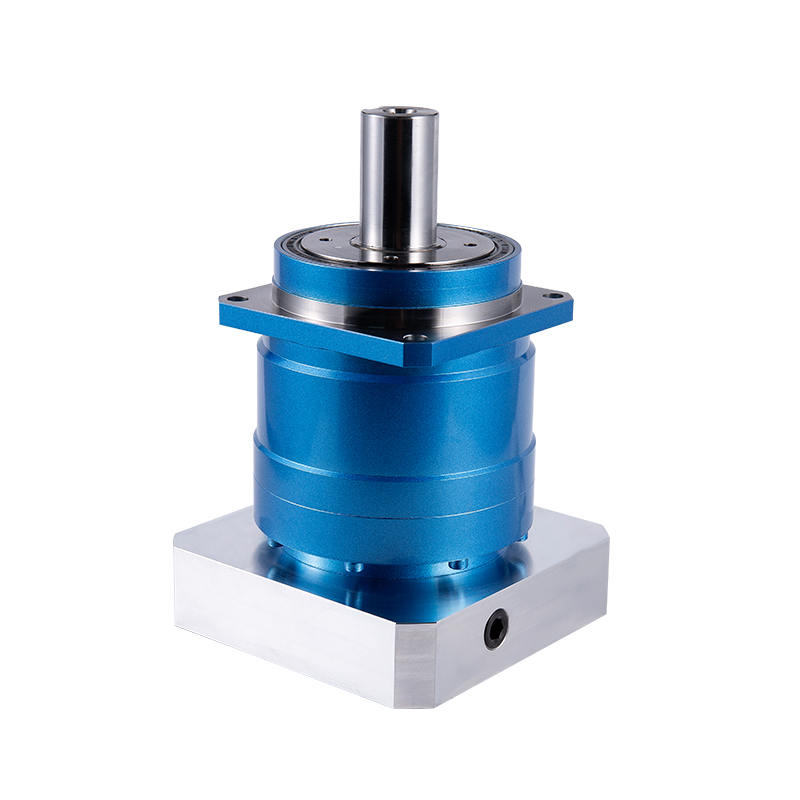
Planetary reducers occupy an important position in the field of industrial automation. The high-prec...
See Details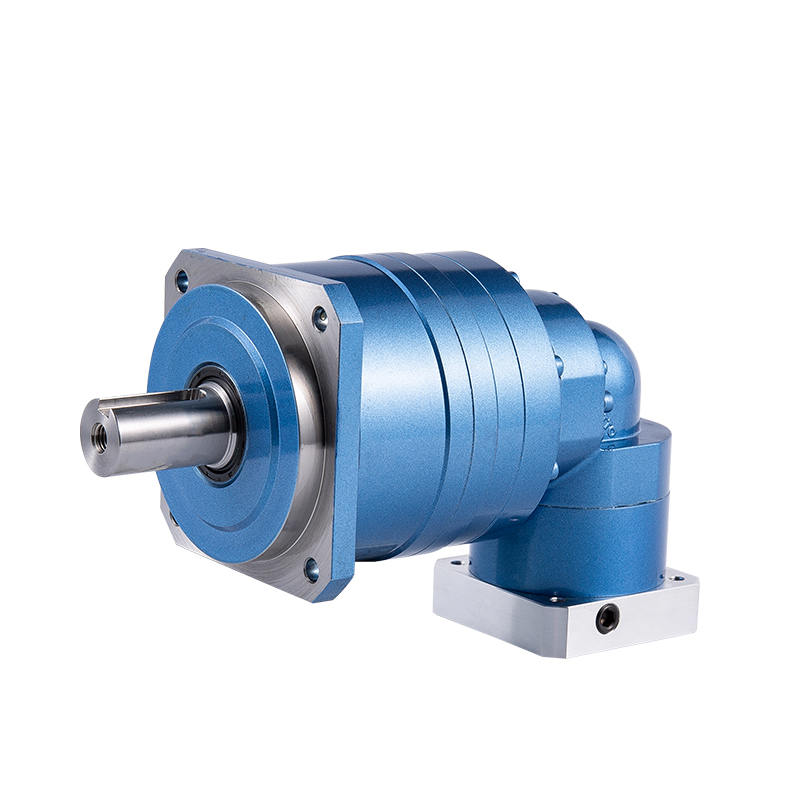
The planetary reducer adopts a helical gear design, which enables smooth and quiet operation and pro...
See Details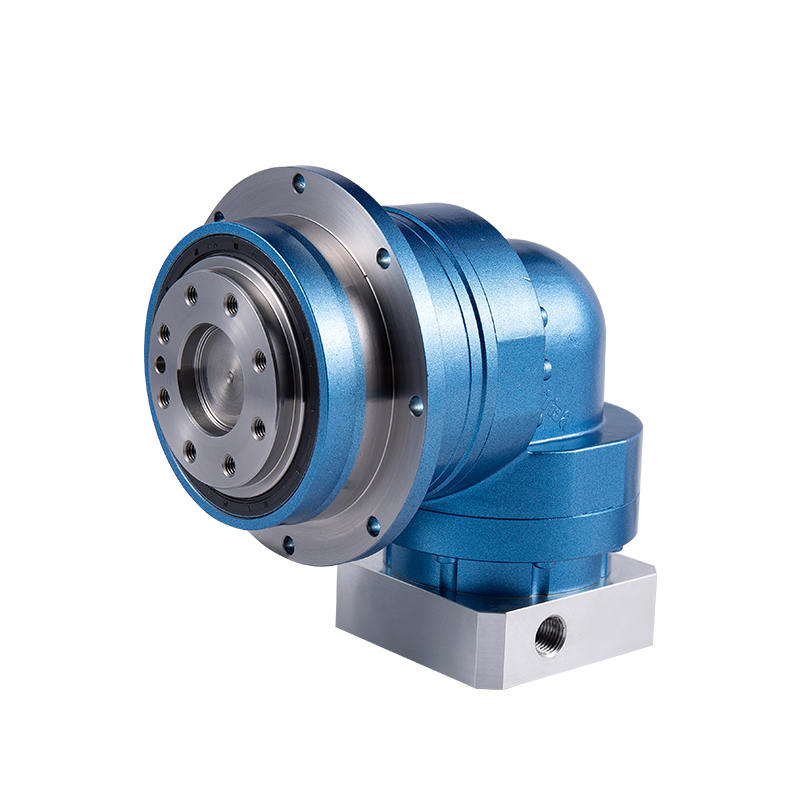
Features of planetary reducer1. High precision: the standard backlash is 4 arc minutes, which is ver...
See Details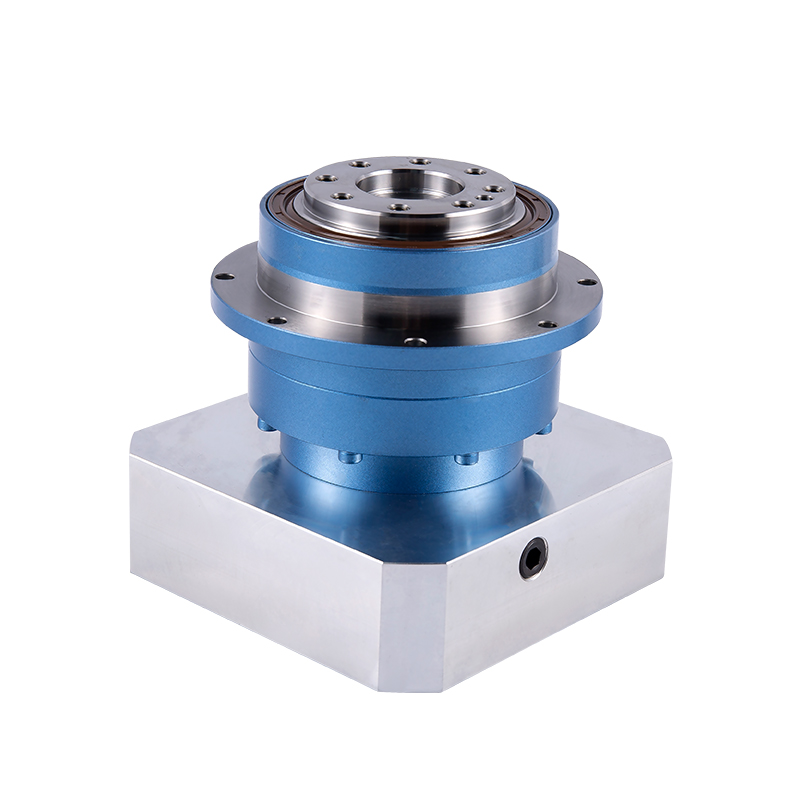
The NHT series planetary reducer adopts an advanced helical gear design, which not only significantl...
See Details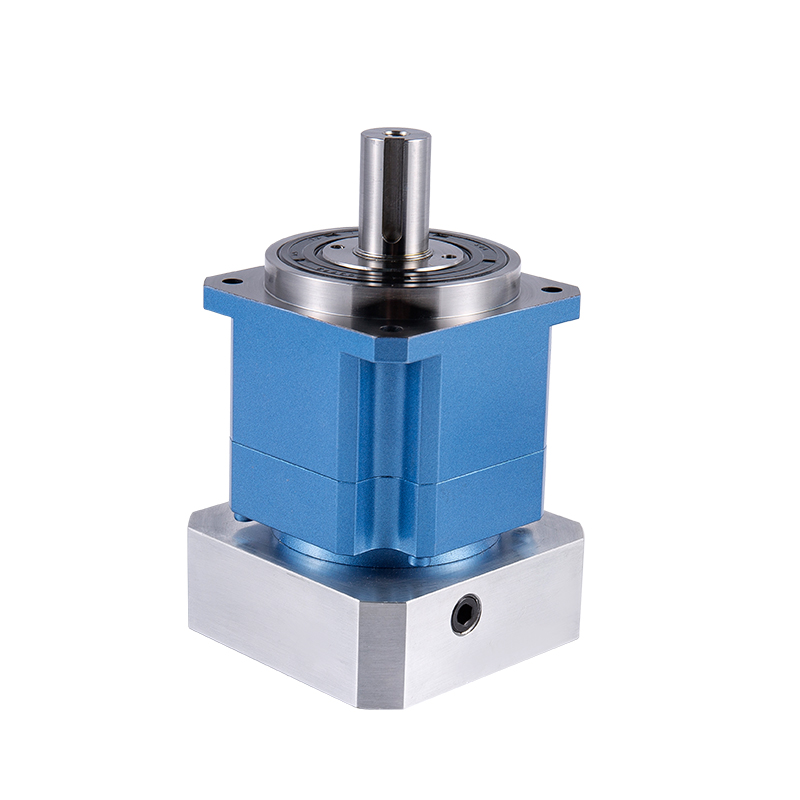
1. NBR series planetary reducer adopts spiral bevel gear design, with high rated output torque, more...
See Details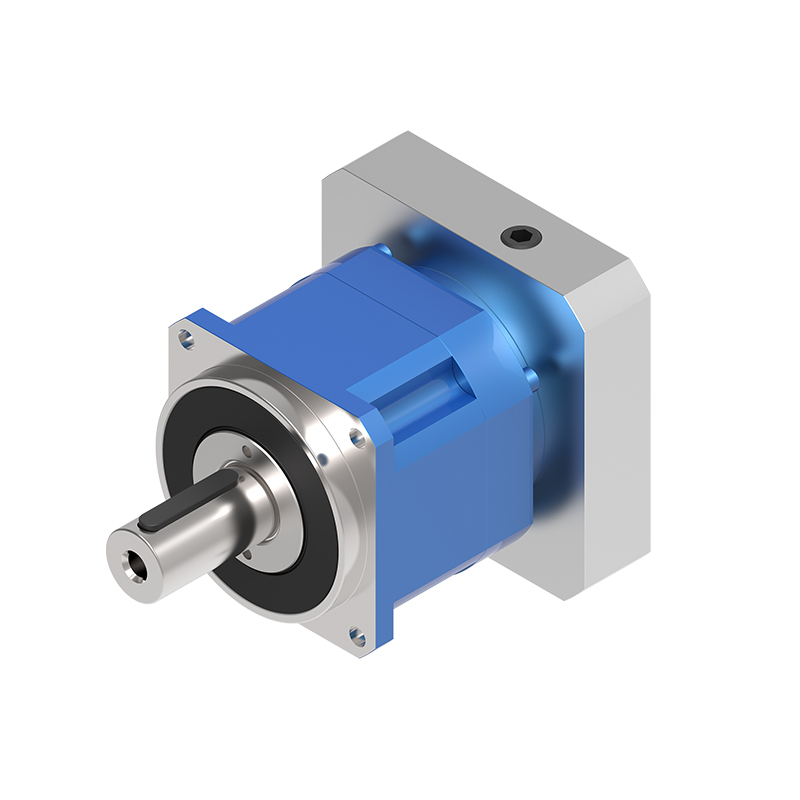
1. Helical gear designThe speed reduction mechanism adopts a helical gear design, and its tooth mesh...
See Details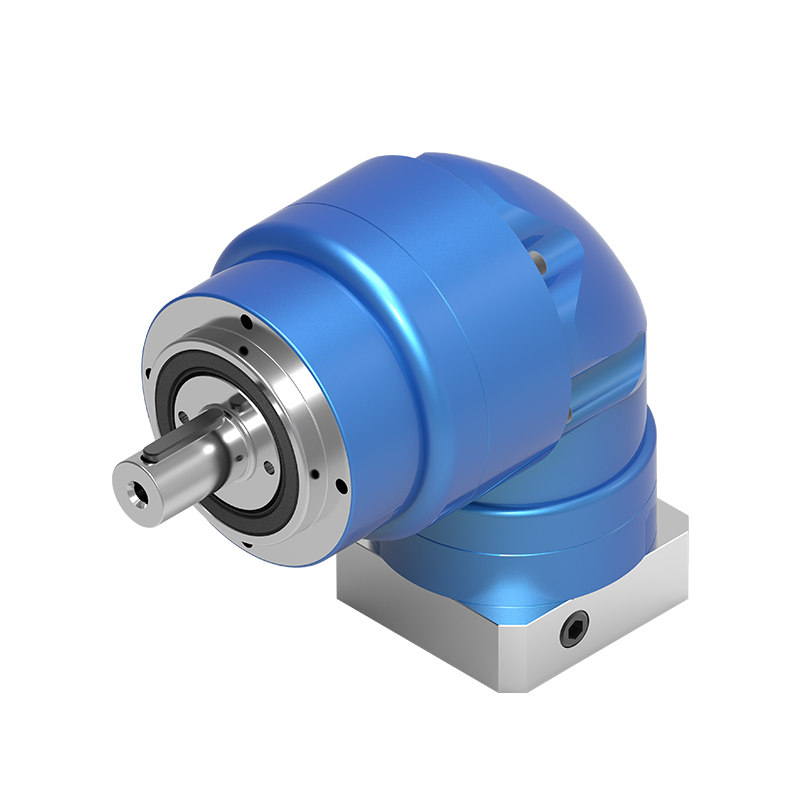
The NLR series planetary reducer adopts a spiral bevel gear design, which allows high-speed input of...
See Details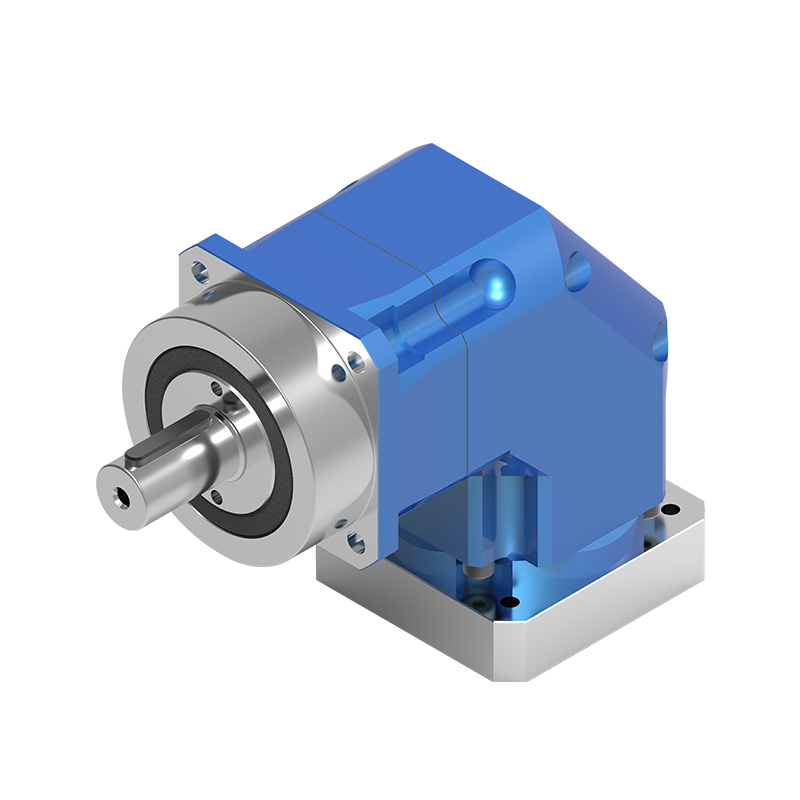
The NSR series planetary reducer adopts a spiral bevel gear design. This innovation not only makes t...
See Details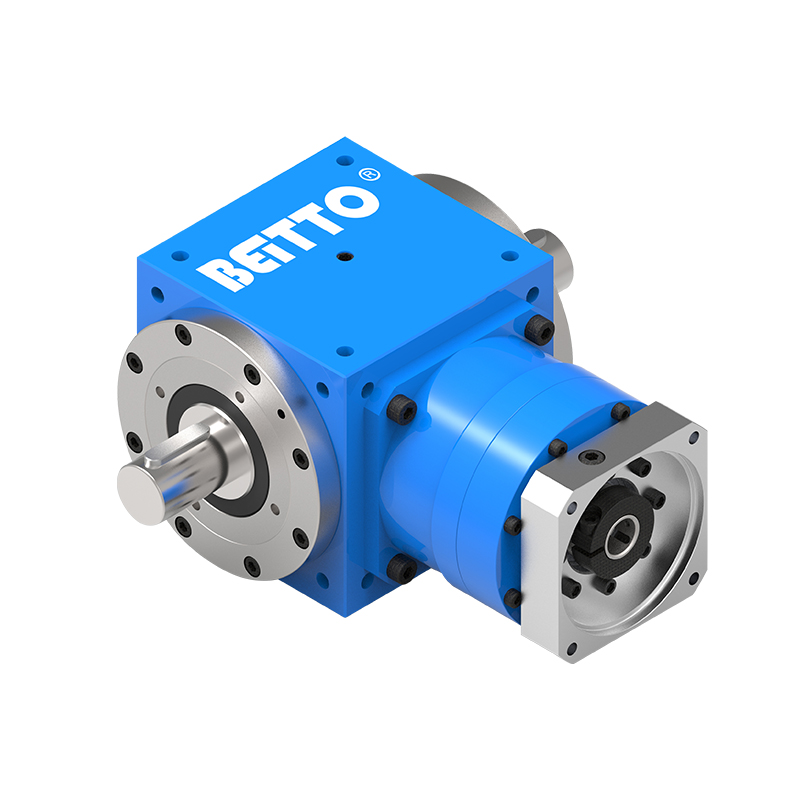
In order to meet the needs of different working conditions, the TD-2P series reducer provides a vari...
See Details
The BCSG series Flexible gear reducer is designed to be light and simple, which not only effectively...
See Details

