 EN
EN




 English
 русский
 日本語
日本語 Español
Low Noise Durable Servo Motor Speed Planetary Reducer AHT series
Cat:Planetary Reducer
With its high-precision characteristics, the planetary reducer successfully controls the backlash wi...
See DetailsIn the joint commissioning of a welding robot station, the output bearing of the No.12 joint reducer rose by 18 degrees Celsius within one hour. After disassembly, indentations appeared on the outer ring raceway. The issue was not insufficient motor torque, but a bearing selection that ignored the radial force generated by planetary gear mesh. In planetary gear drives, output shaft bearing design directly determines radial load capacity, and radial load capacity decides whether the system can survive combined gear mesh forces, overhung load, and shock conditions.
Content
Output shaft bearings in a planetary reducer do not receive radial force directly from motor torque. They carry the vector sum of radial components from planetary gear meshing.
Radial load is defined as the resultant force perpendicular to the shaft axis, composed of radial components from sun-planet and planet-ring gear mesh. In a three-planet mechanism, most radial components cancel each other. However, carrier manufacturing errors, tooth flank wear, or asymmetric loads break the balance, transferring the un-neutralized force to the output shaft bearing. Longer overhung output shaft increases the bending moment from radial force, raising equivalent radial load by 20%-40%.
In an engineering calculation case from ZHEJIANG BEITTO TRANSMISSION TECHNOLOGY CO., LTD. (BEITTO), a reducer with an output overhang that was 38% of total shaft length showed an equivalent radial load about 31% higher than a center-supported structure. This means bearing placement should be verified before bearing sizing, because placement determines where the load actually acts.
Deep groove ball bearings and cylindrical roller bearings differ by 2-3 times in radial load capacity, and choosing the wrong bearing type is the leading cause of output failure in planetary reducers.
Deep groove ball bearings use point contact between raceway and balls, suitable for moderate radial loads at higher speeds. Cylindrical roller bearings use line contact, providing higher radial stiffness and often used on heavy output positions. Angular contact ball bearings can carry radial and axial loads simultaneously but are sensitive to mounting preload. Spherical roller bearings tolerate misalignment but generate higher internal friction torque. Different series in the same shaft diameter also offer varying widths and roller counts, altering rated load.
| Bearing type | Relative radial load capacity | Relative stiffness | Speed adaptability | Misalignment tolerance |
| Deep groove ball | 45% | 50% | High | Low |
| Angular contact ball | 55% | 60% | Medium-high | Low |
| Cylindrical roller | 100% | 100% | Medium | Low |
| Spherical roller | 85% | 80% | Medium | High |
| Tapered roller | 92% | 90% | Medium | Medium |
In BEITTO's AHL series helical tooth planetary reducer, the output end uses a cylindrical roller bearing combined with a helical gear design, increasing allowable radial load by about 80% at the same shaft diameter. The inclined contact line of the helical tooth creates a smoother radial force transfer during meshing, so high-frequency impact on the bearing is smaller.
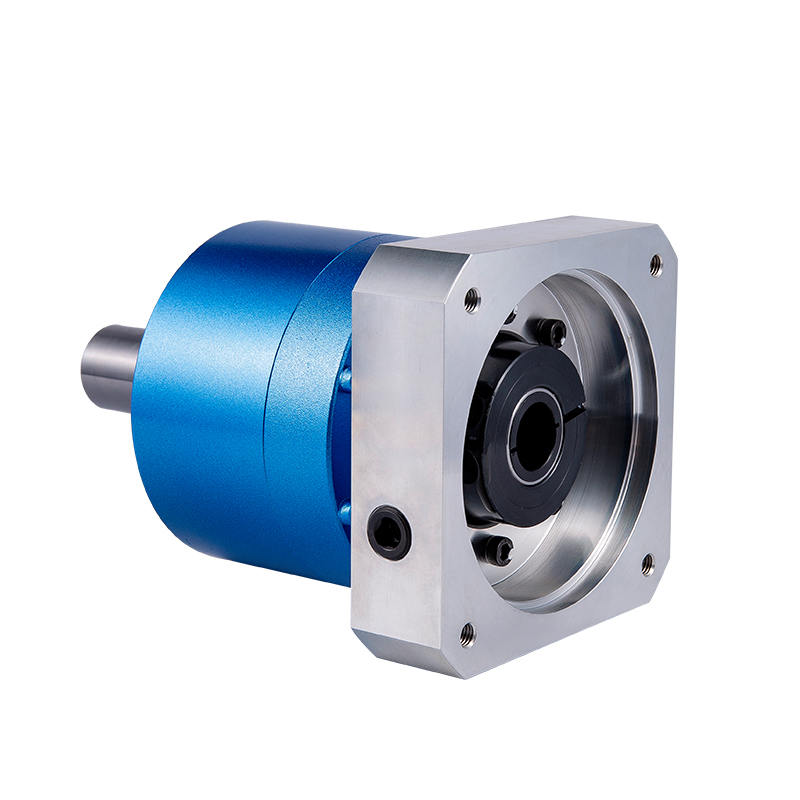 Helical Planetary Reducer with Cylindrical Roller Bearing for High Radial LoadsDesigned for servo motor applications, this helical gear reducer integrates a cylindrical roller bearing at the output to boost radial load capacity by about 80% at the same shaft diameter, suitable for high-impact environments.View Product →
For high radial load conditions, prefer roller bearings over ball bearings, and verify both static and dynamic radial load ratings.
Insufficient bearing stiffness allows the output shaft to deflect by microns, resulting in biased gear mesh and contact stress that can rise to 1.5-2 times the nominal value.
The output shaft bearing is the elastic support point of the shaft. When bearing stiffness drops, the output shaft deflects radially under mesh force, moving the contact pattern from the middle of the tooth width to one end. The load originally shared by the full tooth width now concentrates on 20% of the width, sharply increasing contact stress. In a BEITTO engineering calculation case, reducing bearing stiffness by 30% shifted the contact stress trace on a helical gear toward the tooth tip, increasing maximum contact stress by about 40%.
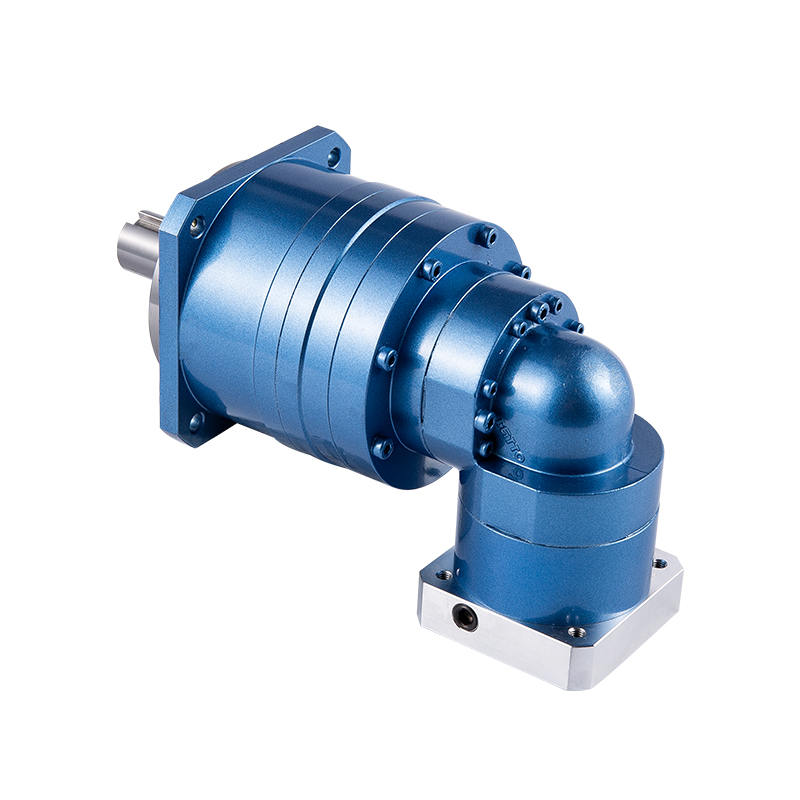 ABR Series Helical Planetary Reducer with Cross-Roller BearingThis high-precision reducer features a cross-roller bearing output for increased rigidity and torque transmission, while the helical gears ensure quiet operation, making it ideal for shock load applications.View Product →
BEITTO's ABR series planetary reducer offers a strengthened output bearing housing for applications that frequently handle shock loads.
Double-support structure and a reasonable span-to-shaft-diameter ratio guarantee radial load capacity better than simply selecting a higher rated bearing.
Output shaft bearings are usually arranged as two-end support. The span-to-shaft ratio directly affects shaft deflection. Too small a span makes the system sensitive to clearance changes; too large a span increases bending moment and deflection. A span-to-shaft ratio of 3-5 is a practical initial range.
BEITTO's AHB series planetary reducer output bearing configuration balances radial load and mounting space for high-cycle automation applications.
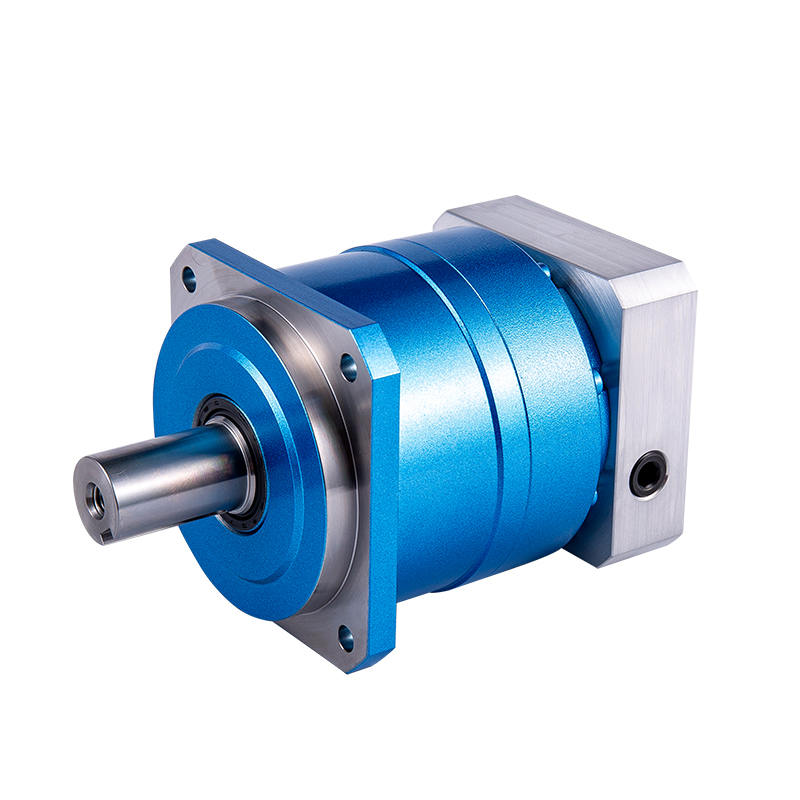 Low Backlash High Torque AHB Planetary Gearbox ReducerWith backlash under 3 arcminutes and integral roller bearings, this reducer delivers precise positioning and high rigidity for automated systems, supporting a wide range of global motors and easy maintenance.View Product →
Complete selection should integrate load characteristics, because load characteristics are the core consideration in planetary reducer selection (load characteristics). In real conditions, correct bearing placement can significantly improve the effective load capacity of equipment.
The output shaft bearing is the final support point before the load leaves the reducer. All radial force from gear meshing and external load transfers through this bearing to the housing. Bearing type, stiffness, span, and mounting method determine the upper limit of radial load the system can carry.
The most common cause is selecting a deep groove ball bearing to handle a high radial load, combined with a bearing span that is too small. This leads to excessive output shaft deflection, gear bias, and raceway indentation.
Start with gear mesh forces, perform vector synthesis, add external overhung load, then multiply by an application factor. The exact value depends on gear geometry, mounting dimensions, and operating conditions. Contact the manufacturer's engineer for selection support.
When the machine starts and stops frequently, has shock loads, or mounts a large inertia load on the output overhang. In these cases, consider a double-support roller bearing configuration and check both static and dynamic radial load ratings.
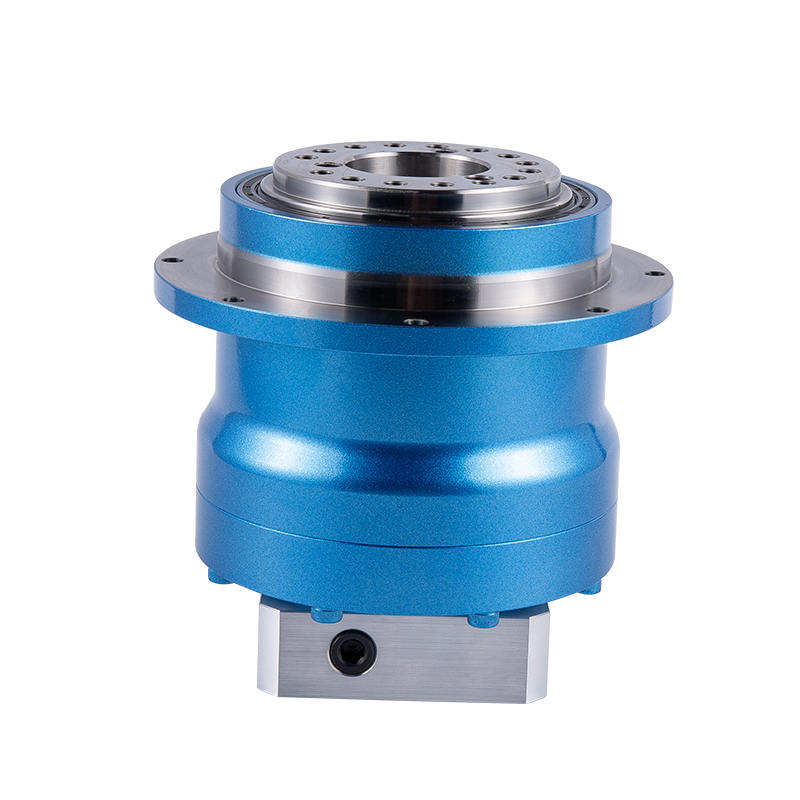
With its high-precision characteristics, the planetary reducer successfully controls the backlash wi...
See Details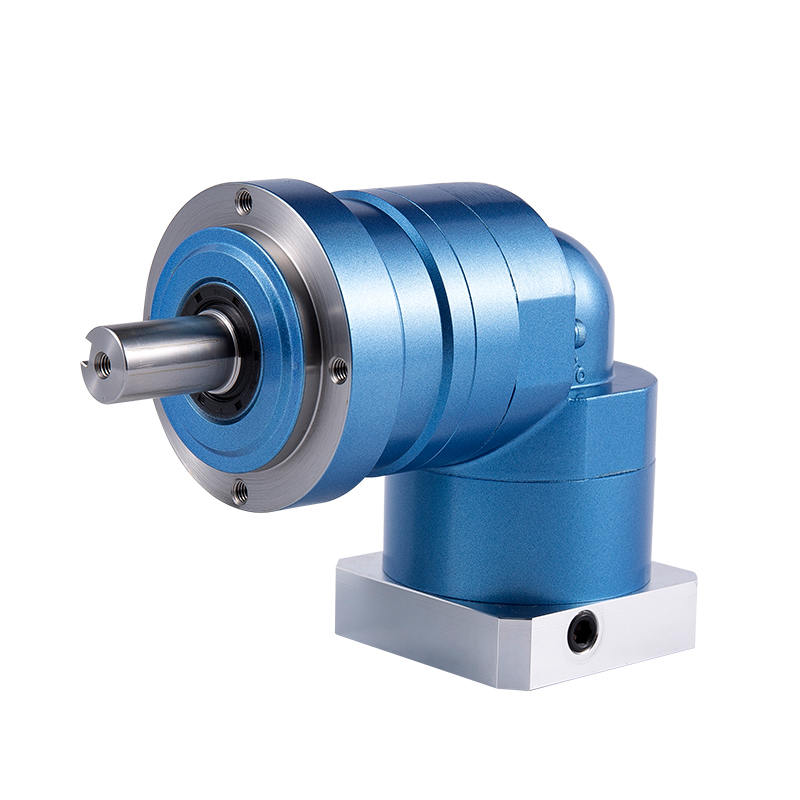
Features of planetary reducer1. Quiet: Use helical gears to achieve smooth and quiet operation;2. Hi...
See Details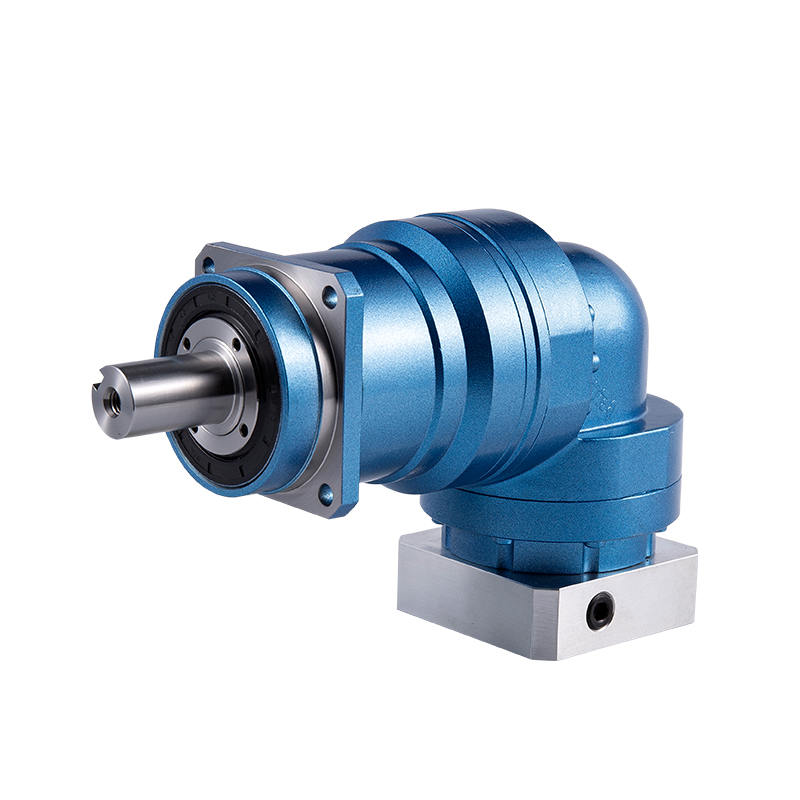
Features of planetary reducer1. Quiet: Use helical gears to achieve smooth and quiet operation;2. Hi...
See Details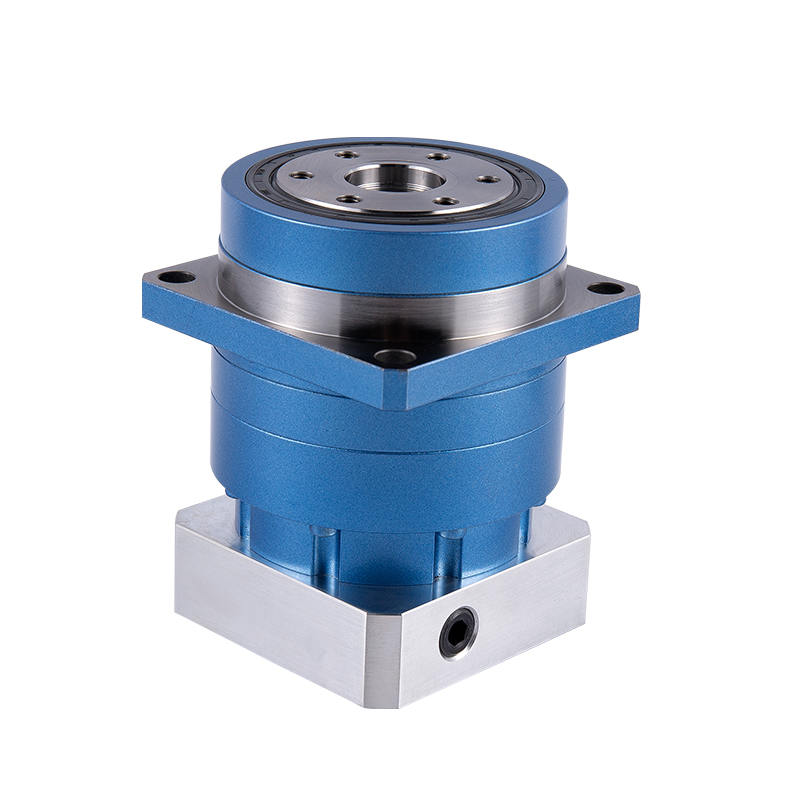
Features of planetary reducer1. Quiet: Use helical gears to achieve smooth and quiet operation;2. Hi...
See Details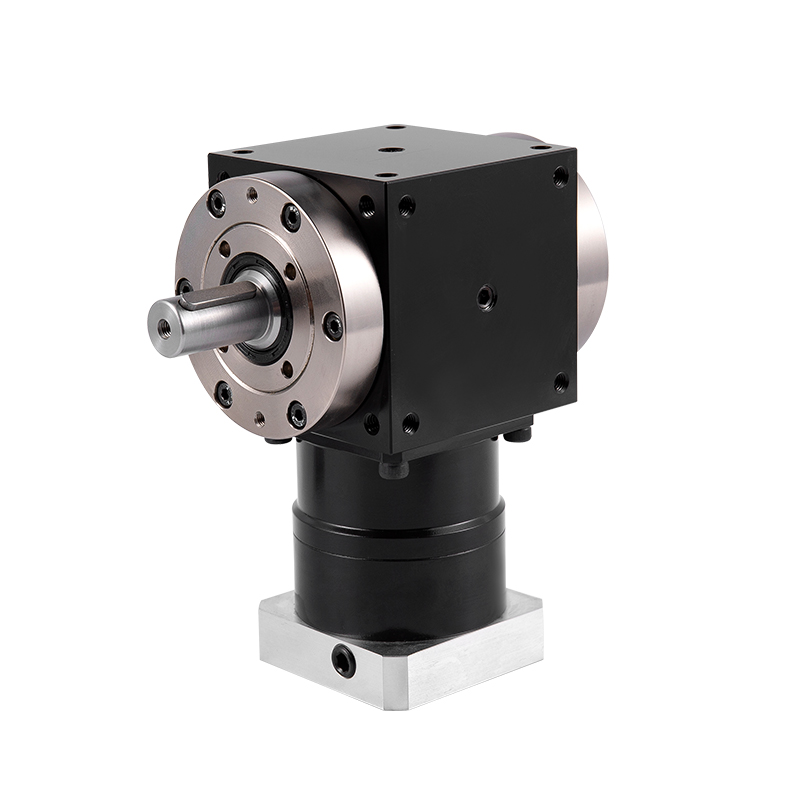
The TD-P series reducer has shown unique advantages in the field of industrial transmission with its...
See Details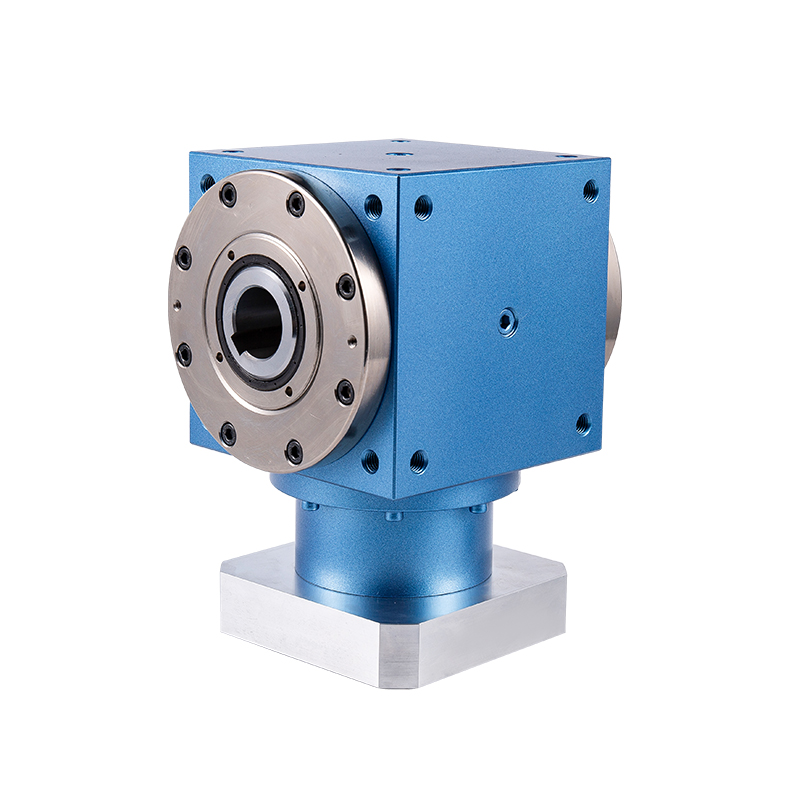
The TD-CR series reducer is centered on the design of hollow shaft output, which not only optimizes ...
See Details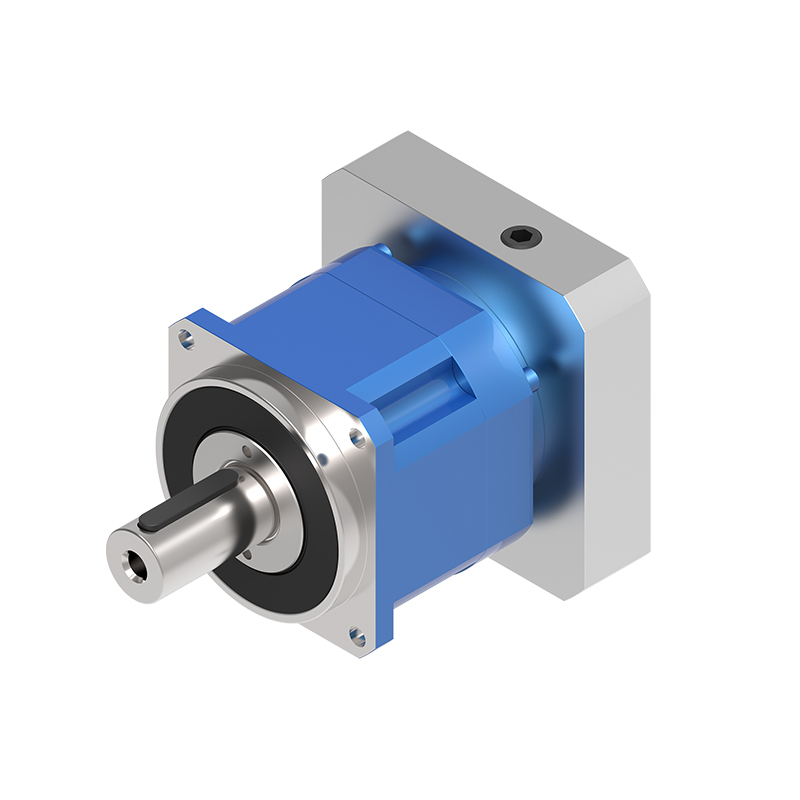
1. Helical gear designThe speed reduction mechanism adopts a helical gear design, and its tooth mesh...
See Details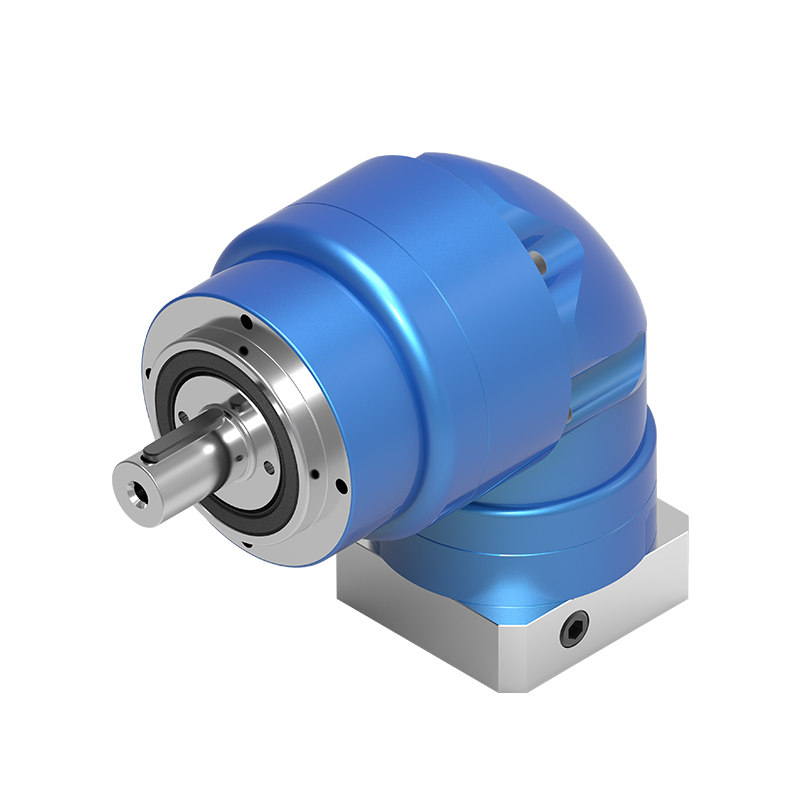
The NLR series planetary reducer adopts a spiral bevel gear design, which allows high-speed input of...
See Details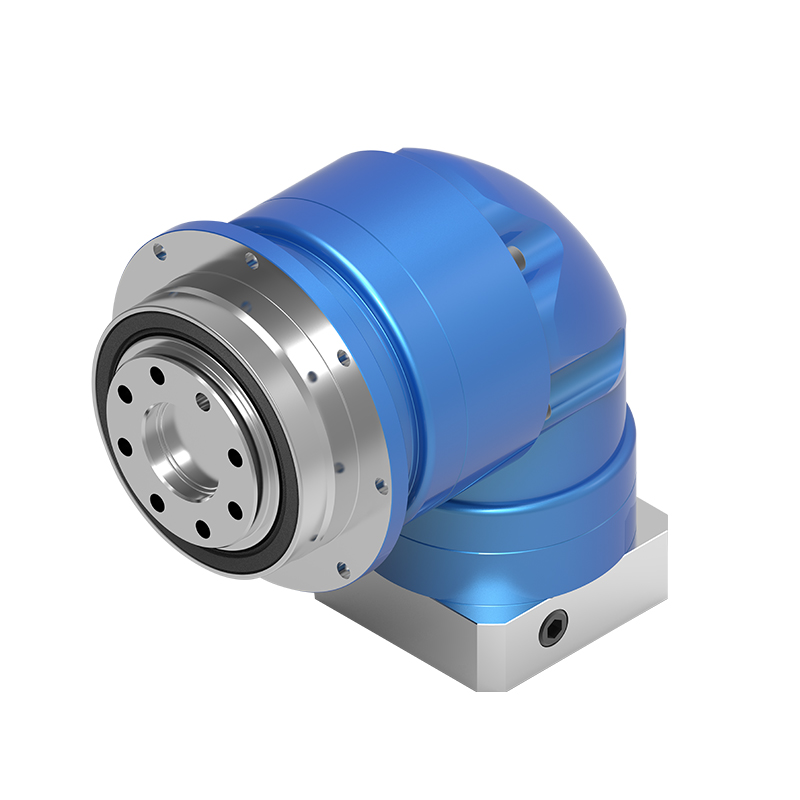
NTR series planetary reducer adopts spiral bevel gear design, which allows high-speed input of servo...
See Details
The BCSG series Flexible gear reducer is designed to be light and simple, which not only effectively...
See Details

