 EN
EN




 English
 русский
 日本語
日本語 Español
Helical Tooth Transmission Gearbox Planetary Reducer AHL Series for Servo Motor
Cat:Planetary Reducer
Planetary reducers have been widely used in many industries for their performance. Their uniquely de...
See DetailsA compact SCARA robot arm performing 24/7 pick-and-place at 0.4 s cycle time, with a 2 kg payload and 3,000 hours of continuous operation, makes the reducer-at-joint decision business-critical. At the shoulder axis, where combined arm mass and payload create the highest moment, the harmonic drive vs planetary gearbox choice determines repeatability, maintenance intervals, and total cost per axis.
Content
A SCARA joint has a narrow operating envelope but a tight tolerance budget. Before comparing harmonic and planetary designs, define the three non-negotiable requirements: positioning repeatability, moment stiffness, and peak momentary torque.
For the elbow and wrist axes, a harmonic drive provides the lowest achievable backlash in a single-stage unit. The flexible outer spline, or flexspline, deforms to maintain contact with the circular spline, giving near-zero backlash without a preload system.
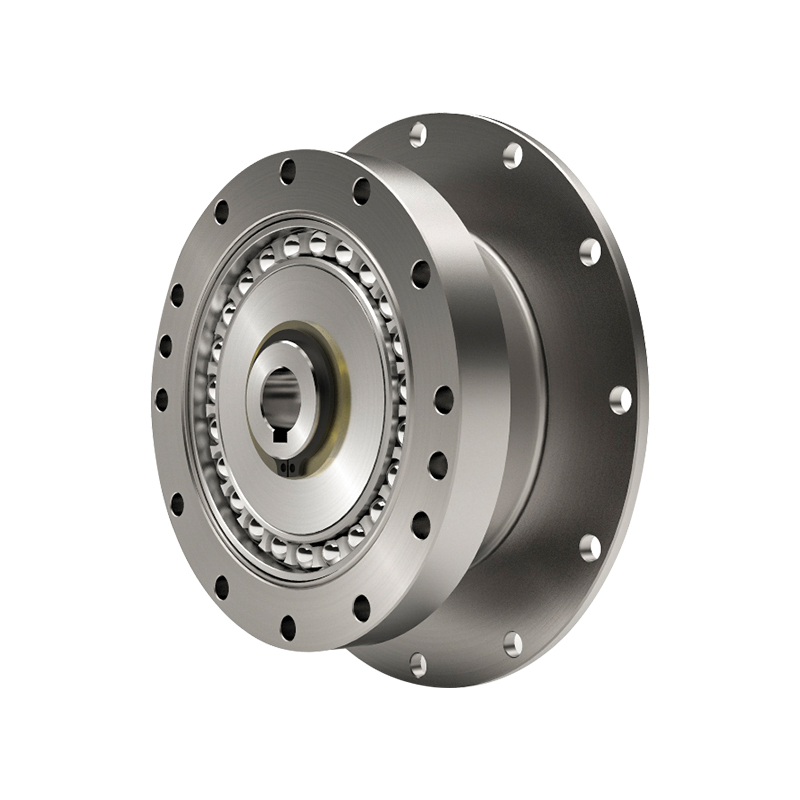 BSHF Series Flexible Gear Reducer for Low Backlash JointsDesigned with a large hollow shaft and compact body, this reducer offers high torque and rigidity while minimizing weight, making it ideal for lightweight robot arms and precision joints.View Product →
Harmonic drives are also the lightest way to achieve high reduction in a small envelope. A single stage provides 50:1 to 160:1, which eliminates a secondary belt or gear stage. For a 2 kg payload SCARA, the elbow axis sees negligible shock loads, so the fatigue limit of the flexspline is not a limiting factor at nominal duty.
0.1 arcmin or less
50:1 to 160:1
0.9 kg
Where a harmonic drive struggles is the shoulder axis in a 10 kg or larger SCARA. The one-piece flexspline and bearing assembly has lower shock tolerance than a hardened planetary gear set. Load spikes from collision detection or high-speed end-of-arm tooling can exceed the flexspline's torque capacity and cause permanent set.
Planetary gearboxes win the shoulder axis of larger SCARA robots because they handle high torque and shock loads with a split-load gear arrangement. Several planet gears share the load, so peak torque is distributed across many tooth contact points.
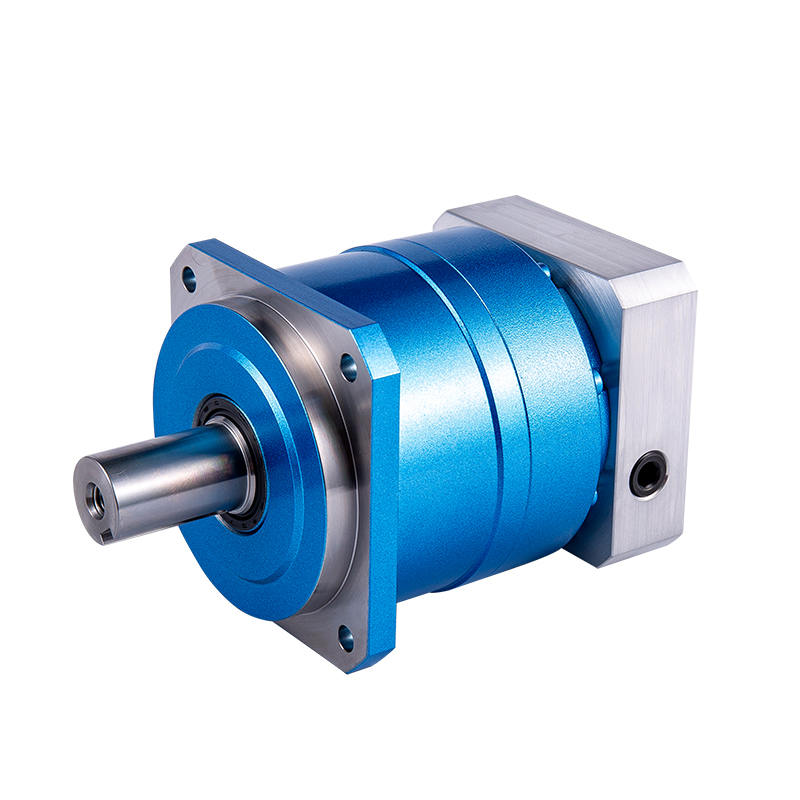 AHB Planetary Gearbox Reducer with Low Backlash and High TorqueFeaturing hardened and ground helical gears, this reducer provides smooth, quiet operation and high rigidity, making it well-suited for shoulder axes that handle heavy loads and frequent reversals.View Product →
Precision planetary reducers in the AHB class typically offer 1 to 3 arcmin backlash in standard precision versions and 0.5 to 1 arcmin with a preloaded output bearing. Through hardening and grinding, the gear tooth flanks resist surface pitting even under frequent start-stop reversals. Precision planetary reducers for robot joints routinely see such conditions.
The minimum-bias preload or bearing-washer solution in modern planetary units can bring runout under 0.1 mm. Still, the internal flank clearances mean measured backlash at the output is almost never under 0.5 arcmin without a sophisticated brake or dual-drive stage.
The table below summarizes the most relevant metrics for SCARA joint selection.
| Metric | Harmonic Drive | Planetary Gearbox | SCARA Relevance |
| Backlash | 0.1 arcmin or less | 1 to 3 arcmin | Critical for pick accuracy |
| Single-stage ratio | 50:1 to 160:1 | 3:1 to 10:1 | Determines motor size |
| Torsional stiffness | High per mass | Higher absolute value | Resists arm vibration |
| Shock load | Limited by flexspline | Excellent | Guards against collisions |
| Continuous torque at 50% speed | Moderate | High | Matters on shoulder |
| Service life | 10,000 to 20,000 h | 20,000 to 40,000 h | Defines maintenance plan |
An important structural difference: harmonic drives rely on the flexspline deflection to generate gear contact, and the load is carried by the circular spline and flexspline simultaneously. Planetary gearboxes use three or four identical planets to distribute the load, so a momentary overload is more forgiving.
Harmonic drives deliver 60 to 75 percent efficiency at a 50:1 ratio, while planetary gearboxes commonly reach 90 to 95 percent at the same output ratio. The difference shows up as heat generation in continuous-duty SCARA operations. The servo motor must supply extra current to overcome the higher no-load torque of a harmonic reducer at rest, which affects controller gain and can cause thermal drift in a compact arm.
ZHEJIANG BEITTO TRANSMISSION TECHNOLOGY CO., LTD., which builds under the BEITTO brand, has witnessed this failure mode repeatedly in the field: a harmonic-driven elbow that loses position accuracy after a two-shift day because the servo winding temperature rises by 15 degrees Celsius above nominal. Planetary reducers, with their simpler rolling element losses, remain cooler under the same duty cycle.
Select the reducer type by implementing a five-step evaluation process.
A common rule from the field: if the shoulder axis torque exceeds 40 Nm and the robot is not running a strict clean-room application, the planetary option is the safer design choice. For a 5 kg payload class SCARA, harmonic drives on the elbow and wrist offer a lighter, simpler arm with fewer gearing stages.
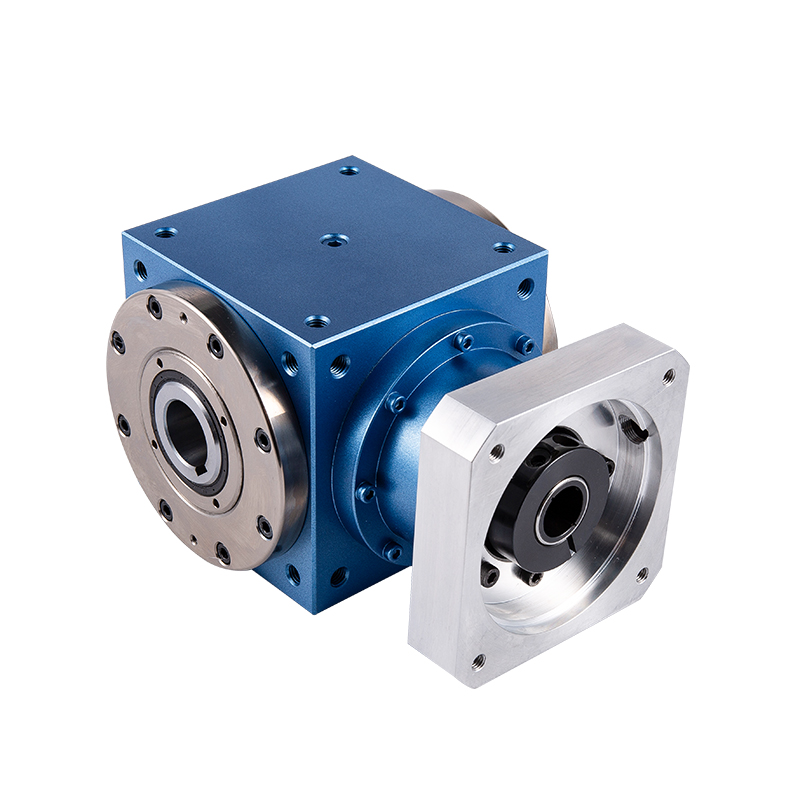 TD-CR Series Spiral Bevel Gear Commutator with Hollow Shaft OutputThis reducer features a hollow shaft design for flexible routing and provides smooth, efficient power transmission with low backlash and high torque, supporting multi-axis configurations in compact systems.View Product →
Many integrators in China and Europe build hybrid SCARA architectures: a planetary reducer on the shoulder, two harmonic drives on the elbow and wrist. This approach keeps the arm weight down while preserving the torque headroom at the shoulder. The TDCR series single-input multiple-output reducer can also serve multi-axis modules, reducing the component count in a compact robot arm.
In both harmonic and planetary units, the failure originates from vibration and overheating caused by the servo motor's oscillating torque. The reducer itself is rarely the origin; the input torque curve and end-of-arm tooling inertia trigger it. In harmonic drives, repeated shock-load events create microcracks in the flexspline and eventually propagate into a fracture. In planetary units, bearing wear from high axial loads is the more common end-of-life mode.
Yes, a harmonic drive on the elbow and wrist axes is commonly used at this payload class. The low backlash of 0.1 arcmin or less serves high-accuracy pick-and-place operations, and the small mass keeps the arm dynamics manageable. The shoulder axis, if also driven by a harmonic unit, should stay below the rated torque limit under collision.
Only if the joint torque is below the harmonic drive's rated capacity and the robot enables less than 0.3 arcmin path deviation. Above a 10 kg payload, the planetary's higher shock tolerance is the deciding factor. A retrofit will also require a servo gain retune because the torsional stiffness and reflected inertia change.
It uses a planetary reducer on the heavy shoulder axis and harmonic drives on the wrist, giving high stiffness and shock tolerance up front without sacrificing low-backlash precision at the point of work. Many automated assembly machines adopt this split when the payload is between 3 and 10 kg.
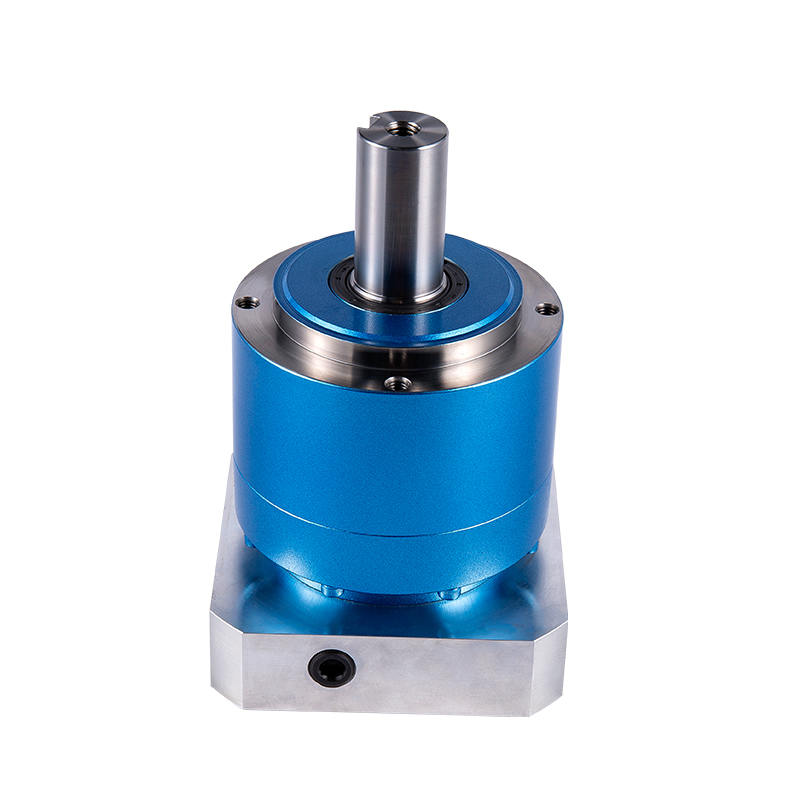
Planetary reducers have been widely used in many industries for their performance. Their uniquely de...
See Details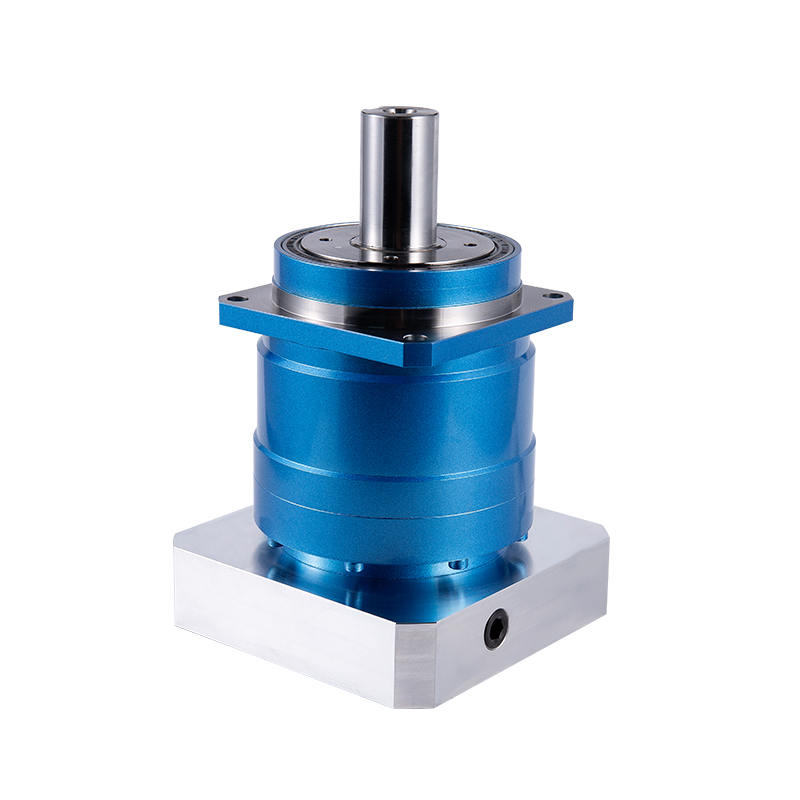
Planetary reducers occupy an important position in the field of industrial automation. The high-prec...
See Details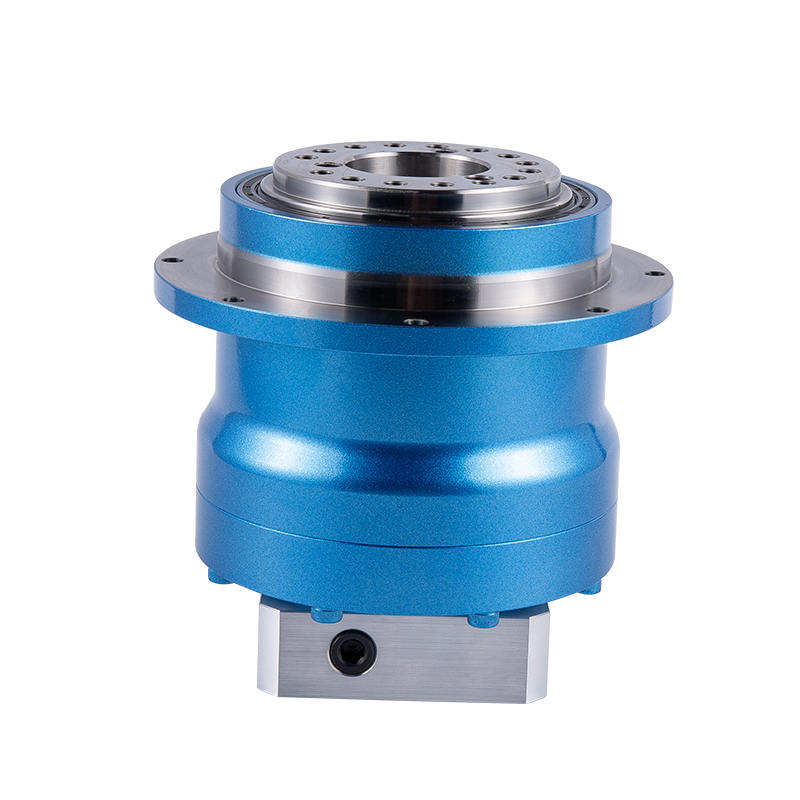
With its high-precision characteristics, the planetary reducer successfully controls the backlash wi...
See Details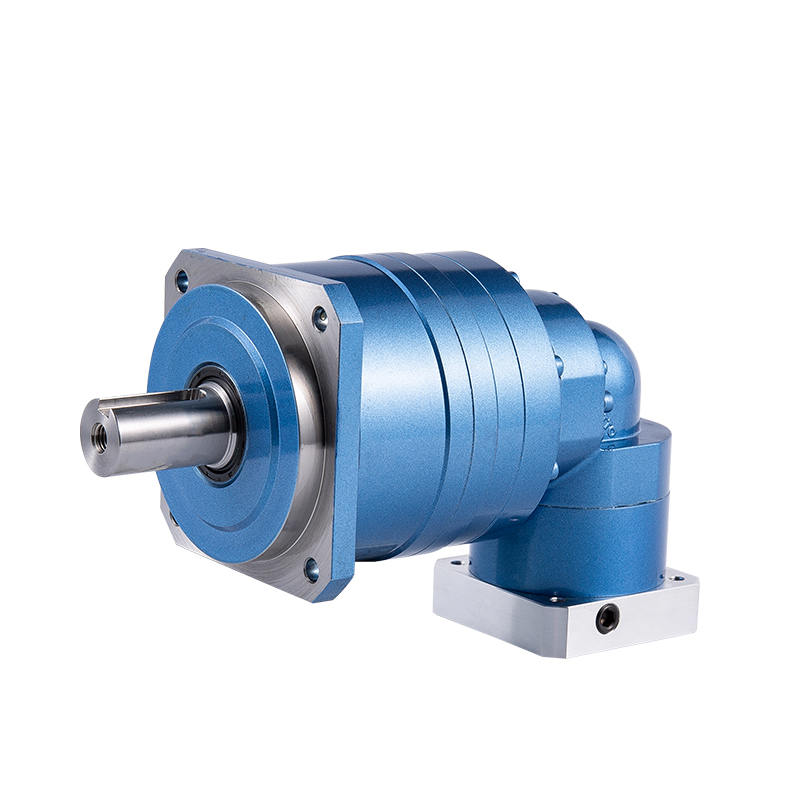
The planetary reducer adopts a helical gear design, which enables smooth and quiet operation and pro...
See Details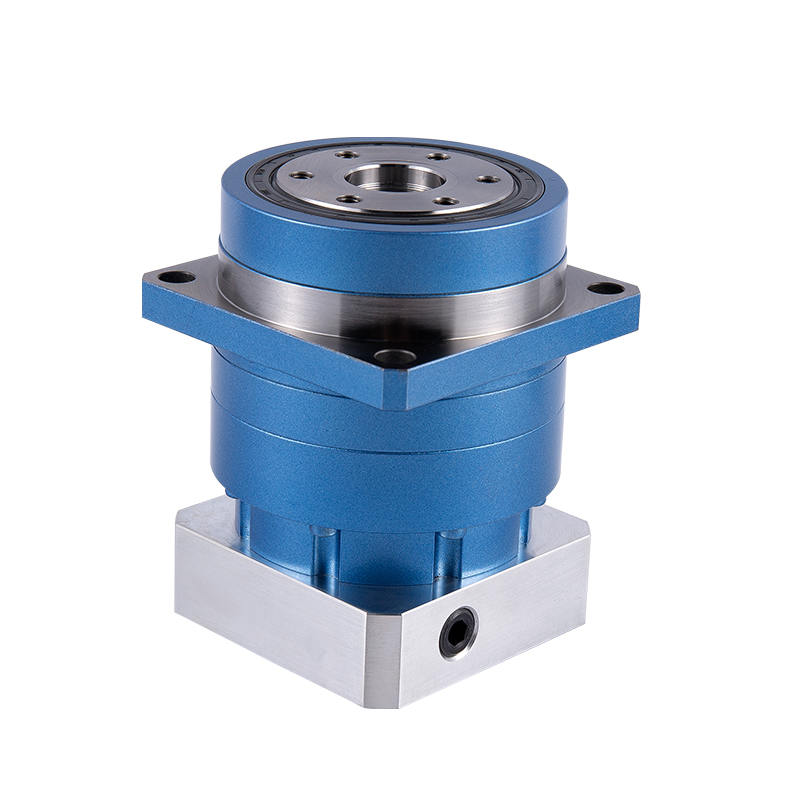
Features of planetary reducer1. Quiet: Use helical gears to achieve smooth and quiet operation;2. Hi...
See Details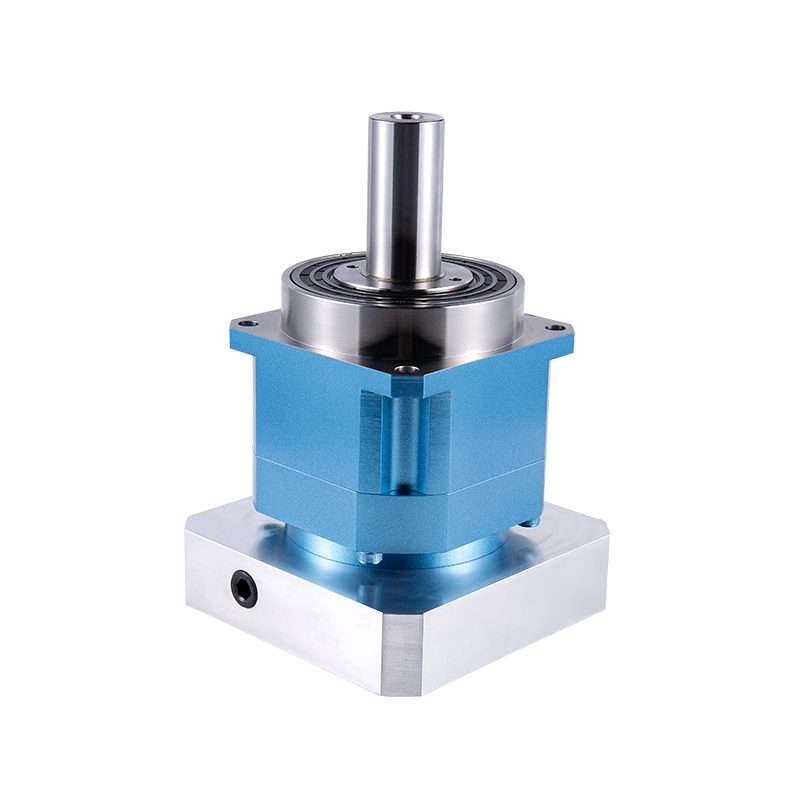
Our reducers incorporate the cutting-edge design concept of helical gears. Compared with traditional...
See Details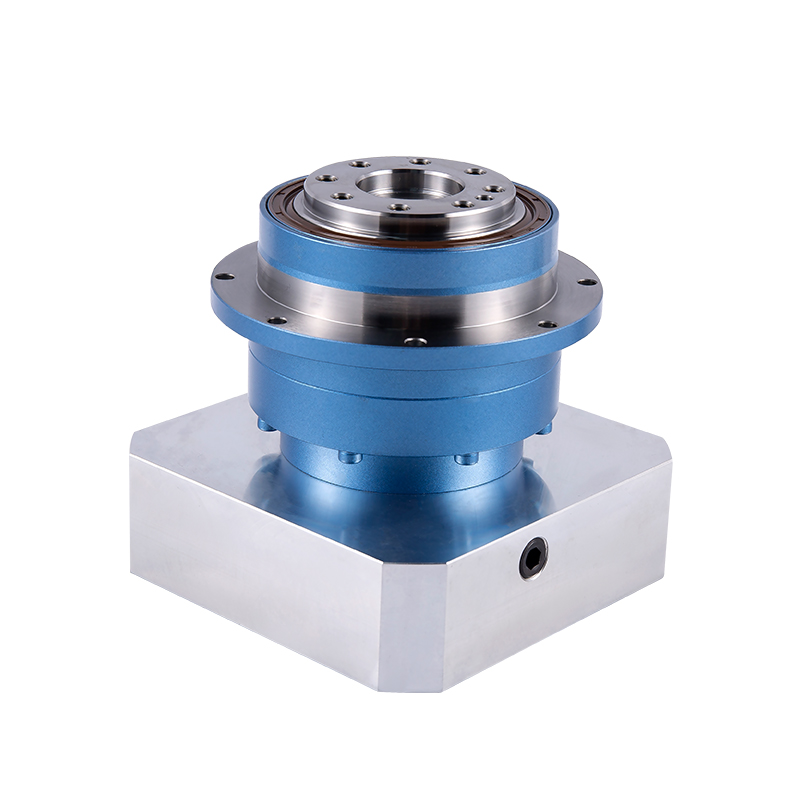
The NHT series planetary reducer adopts an advanced helical gear design, which not only significantl...
See Details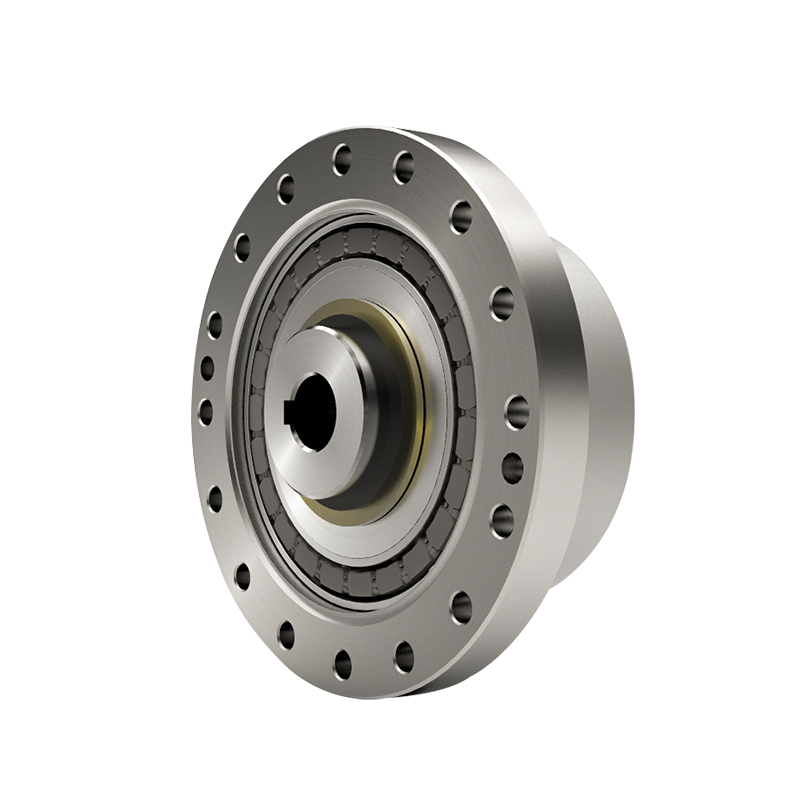
The BCSF series Flexible gear reducer pursues the ultimate lightness and simplicity in design, which...
See Details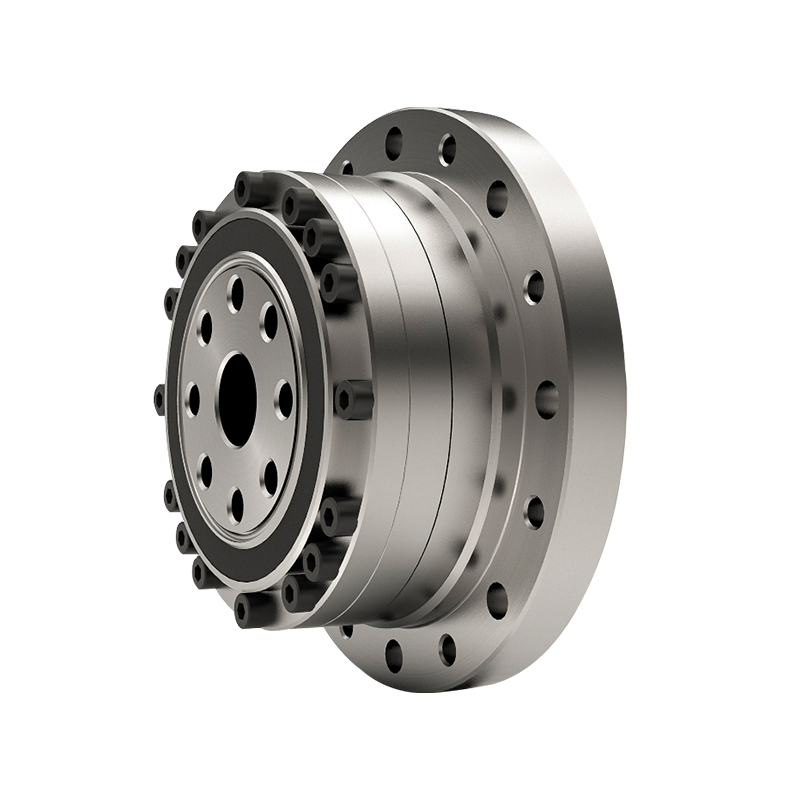
The BCSG series Flexible gear reducer is designed to be light and simple, which not only effectively...
See Details
BSHF series Flexible gear reducer adopts a large-diameter hollow shaft design with a compact structu...
See Details

