 EN
EN




 English
 русский
 日本語
日本語 Español
Low Noise Multi specification Integrated-Structure Planetary Reducer AHS Series
Cat:Planetary Reducer
Planetary reducers occupy an important position in the field of industrial automation. The high-prec...
See DetailsThe chosen 1:10 ratio was too high for a 0.8-second index time, and the load torque was understated by roughly 18 percent once the gearbox efficiency was included. A servo motor that reaches its torque limit during acceleration will trip the drive, degrade positioning accuracy, and overheat the reducer. The solution lies in a disciplined calculation sequence that covers ratio, torque, efficiency, and inertia matching before a purchase order is placed.
Content
Reduction ratio is the quotient of the servo motor's input speed divided by the gearbox output speed, while torque output is the rotational force available at the output shaft after applying the multiplier effect of that ratio and the mechanical efficiency of the gearbox.
A servo motor is a high-speed, low-torque device, while most machine loads require low-speed, high-torque motion. The gearbox bridges that gap. Understanding the exact relationship between ratio and torque is the foundation of every matching decision, because it determines whether the servo drive can accelerate the load within the required cycle time without exceeding its thermal or peak current limits.
To calculate the reduction ratio for a servo motor drive system, you need three values: required output speed from the cycle time, the rated speed of the servo motor, and the output torque demanded by the load.
Derive the output speed from the machine's index time. A rotary table completing 15 indexes per minute requires an output speed of 300 RPM.
Use the actual rated speed of the selected motor. A 3000 RPM servo motor is common for this duty range.
Ratio = 3000 / 300 = 10:1. Select the nearest standard ratio from the manufacturer catalog that keeps the output speed inside the allowable window.
| Parameter | Value |
| Servo motor rated speed | 3000 RPM |
| Required output speed | 300 RPM |
| Calculated reduction ratio | 10:1 |
| Required output torque | 120 Nm |
| Gearbox efficiency | 0.95 |
| Required motor torque | 12.6 Nm |
Once the reduction ratio is fixed, calculate the available torque output by multiplying the servo motor's continuous torque by the ratio and the gearbox efficiency.
Figure 1: The linear impact of reduction ratio on torque output
| Gearbox type | Efficiency range | Backlash range | Typical application |
| Planetary reducer | 0.90 - 0.97 | 3 - 8 arcmin | High torque and rigidity |
| Flexible gear reducer | 0.75 - 0.85 | 1 - 3 arcmin | High precision, low speed |
| Spiral bevel reducer | 0.88 - 0.93 | 5 - 10 arcmin | Right-angle transmission |
The efficiency factor matters because it converts the theoretical torque multiplication into usable torque. A planetary reducer with 0.97 efficiency delivers 3 percent more output torque than a reducer with 0.94 efficiency at the same ratio, which can make the difference in an acceleration phase that takes 0.8 seconds.
The ratio calculation is only half of the sizing problem. The servo motor must also dynamically control the reflected load inertia, and the gearbox backlash must stay within the positioning tolerance of the machine.
Inertia mismatch is one of the most overlooked factors. The reflected load inertia at the motor shaft equals the load inertia divided by the square of the reduction ratio. A rotor-to-load inertia ratio of 1:5 or better is recommended for precise servo control. A lower ratio is acceptable for slower axes, but a higher ratio causes gain tuning problems and can trigger oscillation during rapid deceleration.
Automation axes that need high torque and compact installation benefit from the AHB series planetary reducer, which covers ratios from 3:1 to 100:1 and holds backlash down to 3 arcmin. Manufacturers like ZHEJIANG BEITTO TRANSMISSION TECHNOLOGY CO., LTD. (BEITTO) design high-efficiency servo motor planetary gearbox units for these duty cycles.
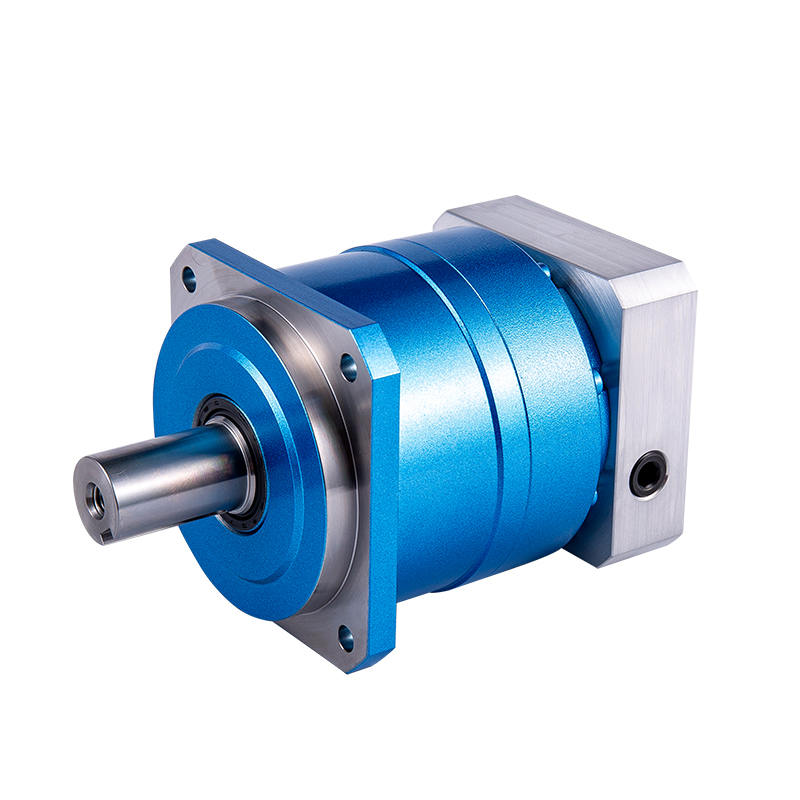 Low Backlash High Torque AHB Planetary Gearbox ReducerThis helical gear planetary reducer delivers low backlash under 3 arcmin for precise positioning and high torque in compact automation axes, with a flange design for universal motor mounting and maintenance-free operation.View Product →
For pick-and-place and indexing mechanisms that demand the lowest possible backlash and quiet motion, the BSHF series flexible gear reducer offers a ratio range from 50:1 to 160:1 with backlash under 1 arcmin.
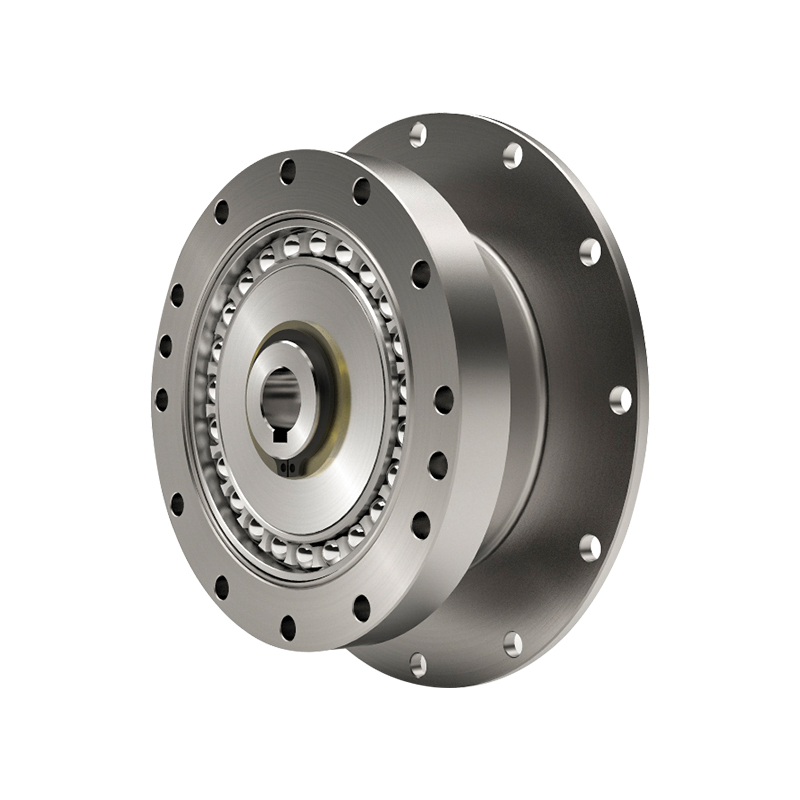 BSHF Series Flexible Gear Reducer with Hollow ShaftOffering a backlash-free design and ratios from 50:1 to 160:1, this lightweight reducer supports pick-and-place and indexing mechanisms with quiet motion and high torque in a compact, coaxial layout.View Product →
Where the motion axis must turn 90 degrees without adding a separate bevel box, the ATR series right-angle planetary drive maintains ratio accuracy in a compact footprint.
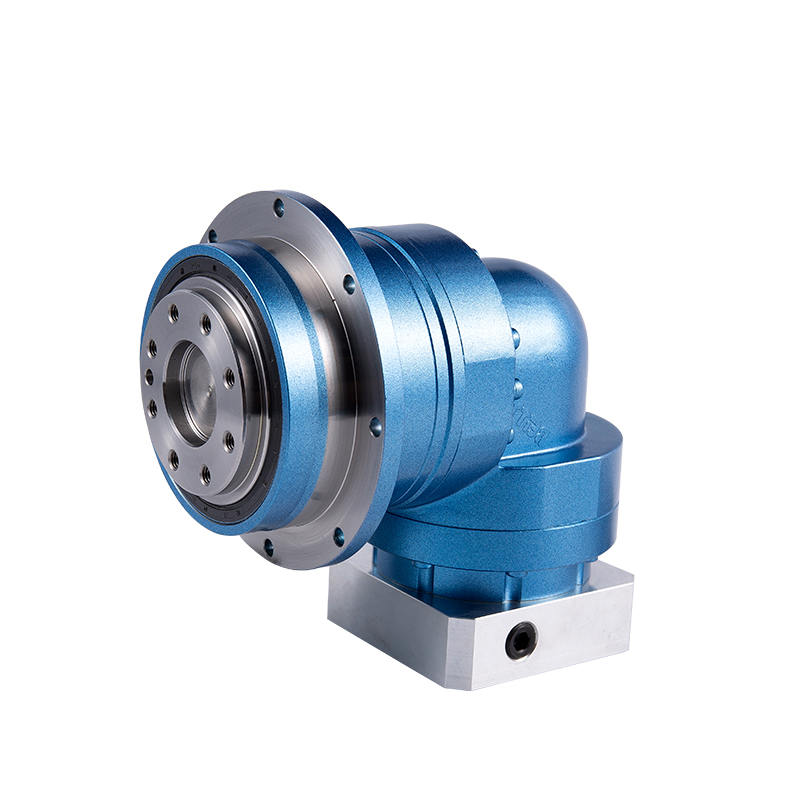 Right Angle 90 Degree Planetary Drive Speed Reducer ATRThis right-angle planetary drive provides a 90-degree turn without extra bevel boxes, maintaining ratio accuracy and high rigidity with tapered roller bearings, suitable for compact motion axes.View Product →
Four mistakes account for most overload trips and positioning failures in servo motor drive systems.
Use this checklist before placing a purchase order to lock in a servo drive system that meets speed, torque, and accuracy targets without overload risk.
| Check item | What to verify | Typical target |
| Output torque | Peak and continuous load | Peak torque x 1.5 safety |
| Reduction ratio | Motor speed / output speed | Nearest standard ratio |
| Efficiency | Manufacturer datasheet | 0.90 - 0.97 |
| Backlash | Positioning requirement | 3 - 8 arcmin |
| Inertia ratio | Reflected load / motor rotor | 5:1 or better |
Reduction ratio = motor input speed divided by gearbox output speed. A 3000 RPM servo motor with a 10:1 gearbox produces 300 RPM at the output shaft.
Torque output = motor torque x reduction ratio x gearbox efficiency. A 5 Nm servo motor through a 10:1 planetary reducer at 95 percent efficiency delivers 47.5 Nm at the output shaft.
Start with the required output speed and output torque, then calculate the ratio from motor speed. Verify the resulting torque after efficiency is applied, and check that the inertia ratio stays within the servo drive's usable control range.
Planetary reducers offer higher efficiency and torque density, while flexible gear reducers provide lower backlash and smoother low-speed motion. Choose planetary for load capacity and flexible for precision, or match the reducer to the dominant requirement of the axis.
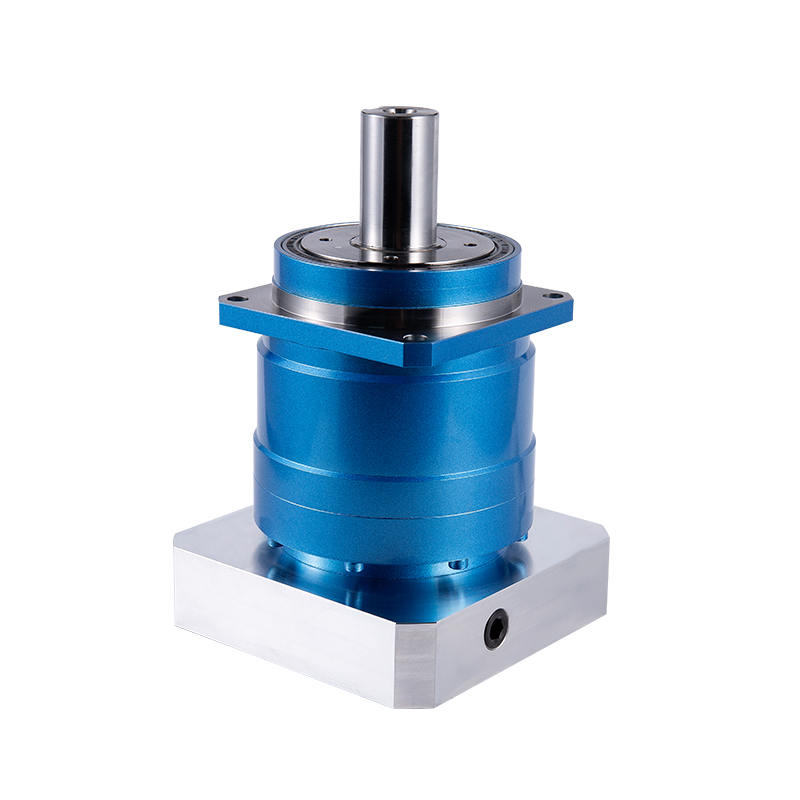
Planetary reducers occupy an important position in the field of industrial automation. The high-prec...
See Details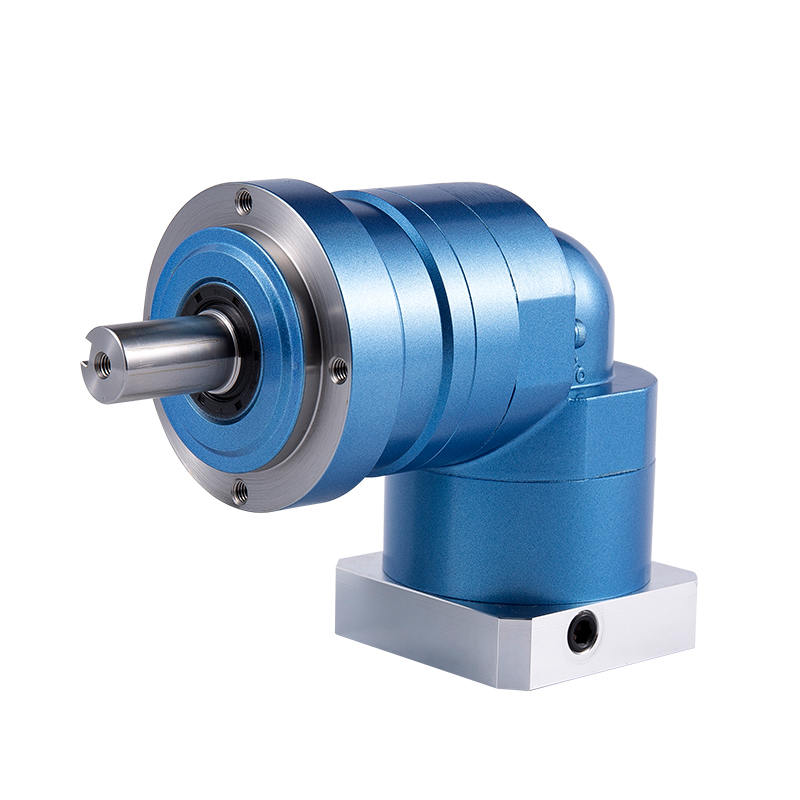
Features of planetary reducer1. Quiet: Use helical gears to achieve smooth and quiet operation;2. Hi...
See Details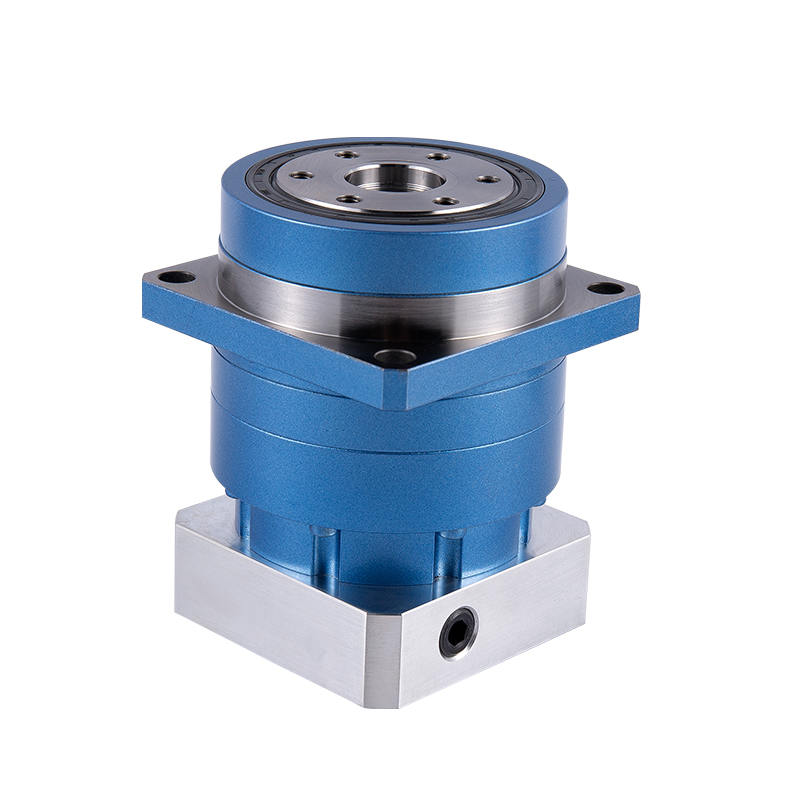
Features of planetary reducer1. Quiet: Use helical gears to achieve smooth and quiet operation;2. Hi...
See Details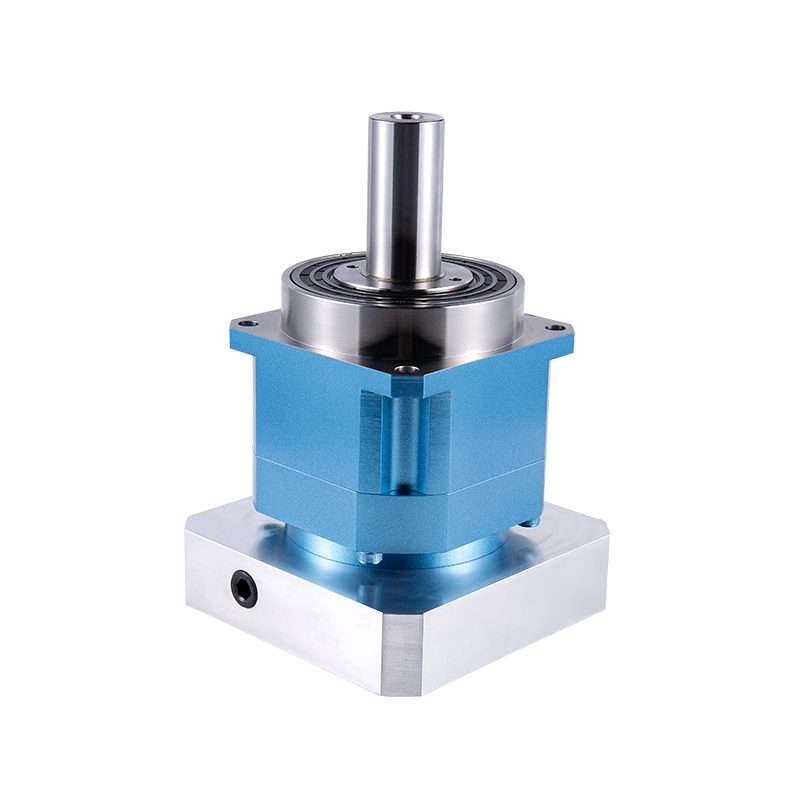
Our reducers incorporate the cutting-edge design concept of helical gears. Compared with traditional...
See Details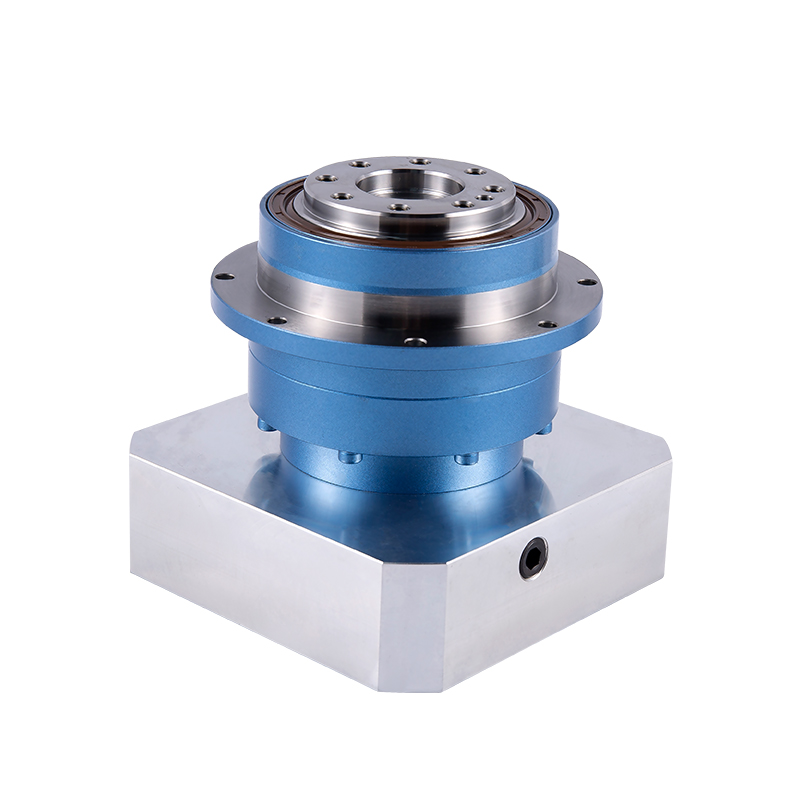
The NHT series planetary reducer adopts an advanced helical gear design, which not only significantl...
See Details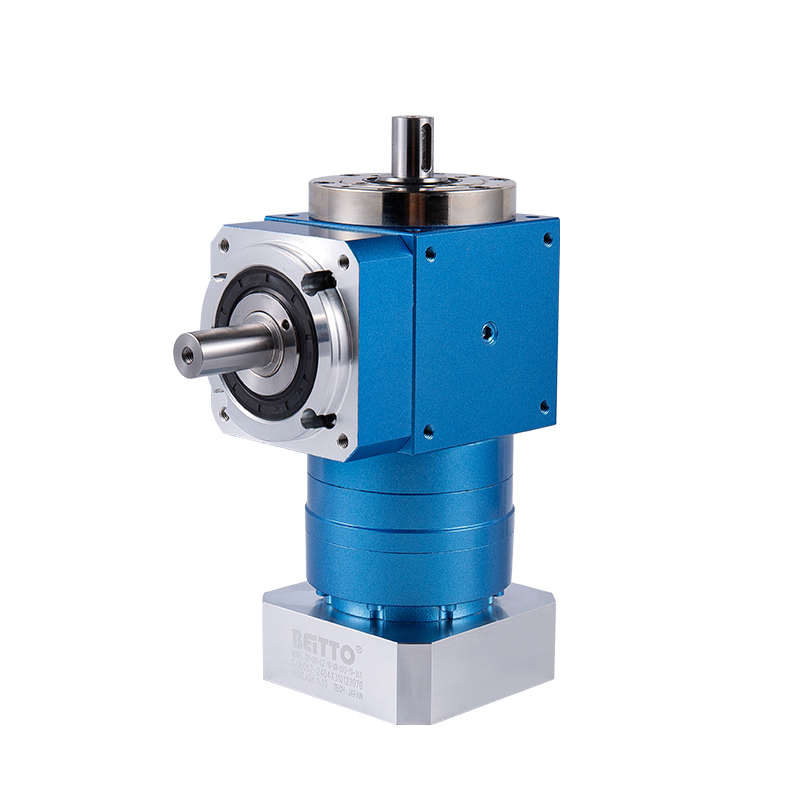
● Various output shaft options● High torque● High efficiency● Long service life● Low backlash● Maint...
See Details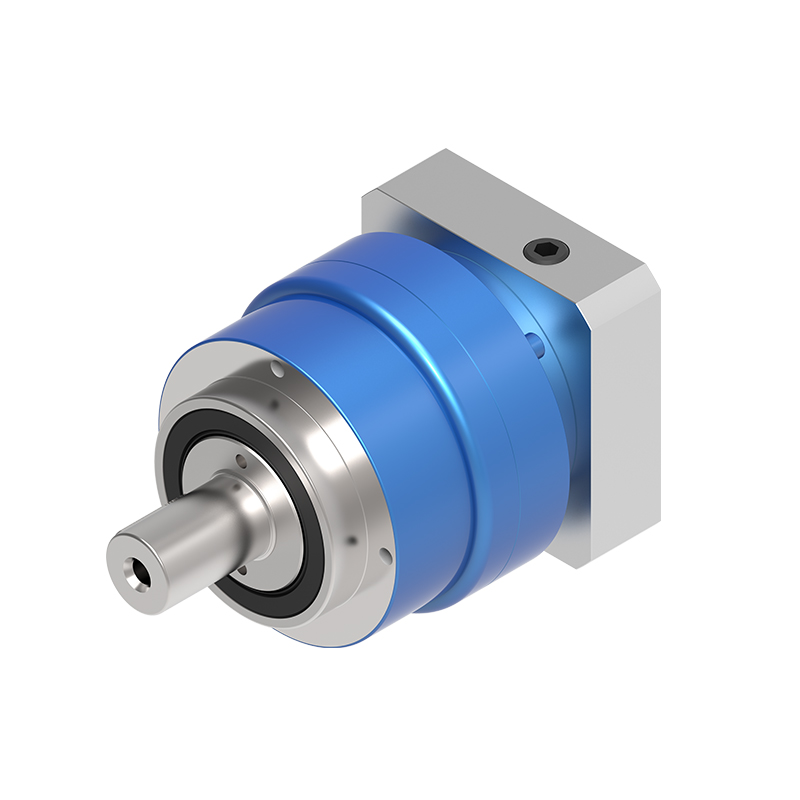
Innovative helical gear structureThe reduction mechanism introduces an innovative helical gear desig...
See Details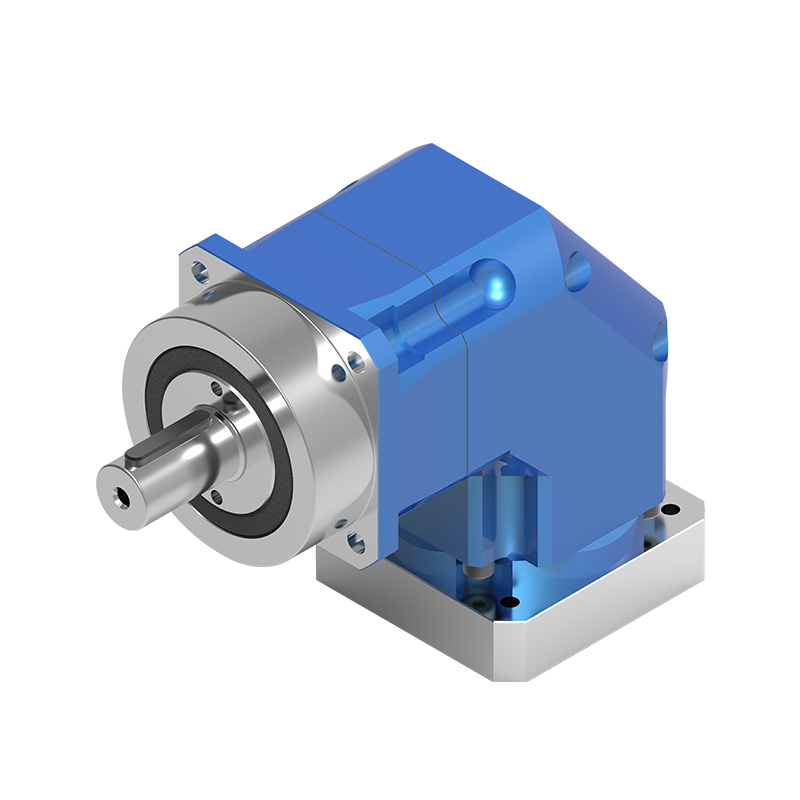
The NSR series planetary reducer adopts a spiral bevel gear design. This innovation not only makes t...
See Details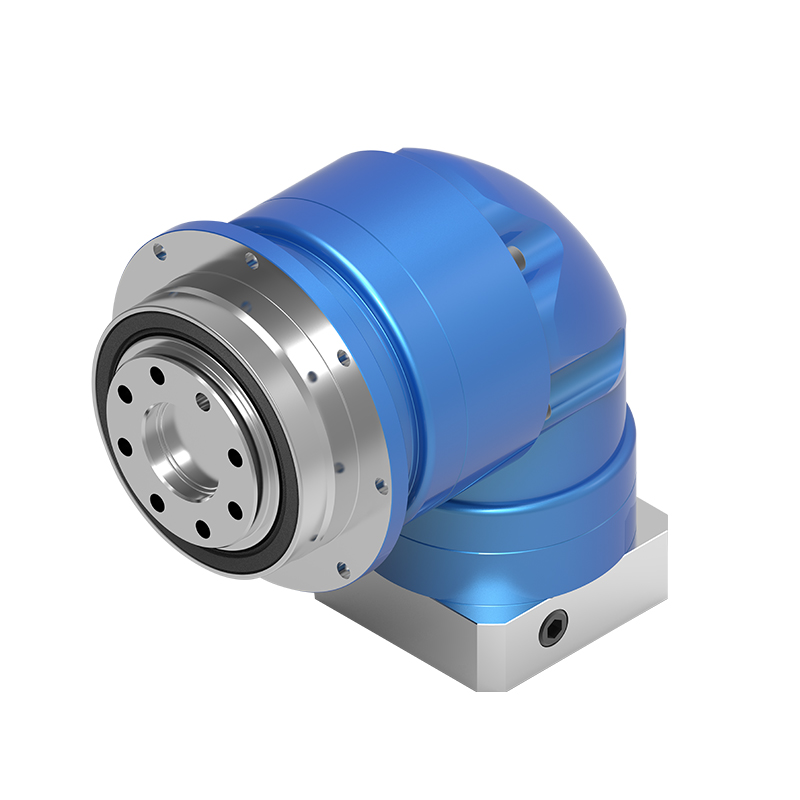
NTR series planetary reducer adopts spiral bevel gear design, which allows high-speed input of servo...
See Details
In order to meet the needs of different working conditions, the TD-2P series reducer provides a vari...
See Details

