 EN
EN




 English
 русский
 日本語
日本語 Español
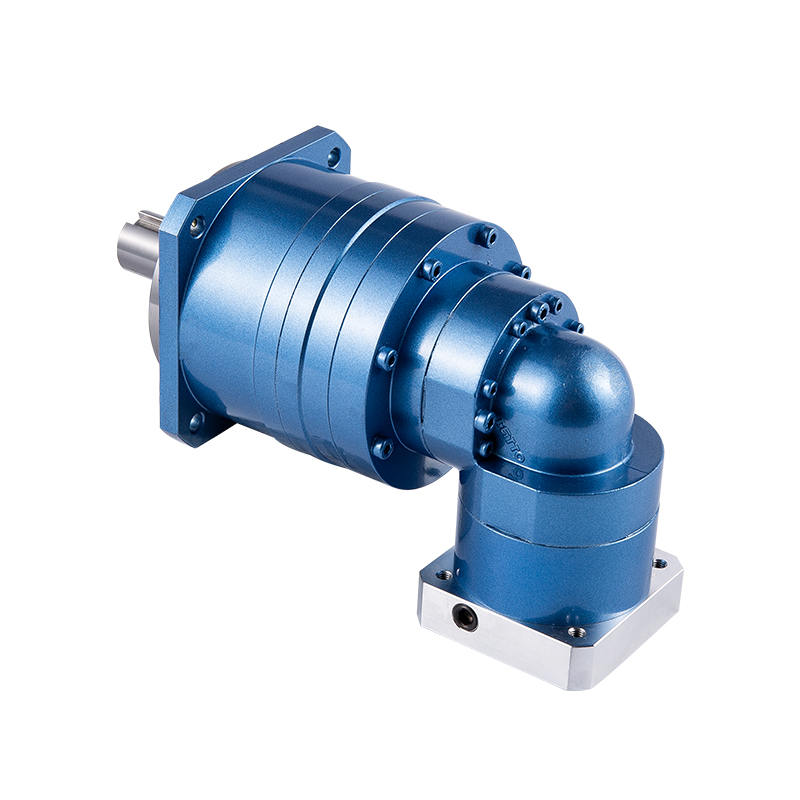
Low Noise Durable Servo Motor Speed Planetary Reducer AHT series
Cat:Planetary Reducer
With its high-precision characteristics, the planetary reducer successfully controls the backlash wi...
See DetailsAt a 40-unit robotic packaging cell, the quarterly re-greasing schedule is a line item of its own: four hours of downtime, two technicians, fresh lubricant, and roughly $1,300 in measured labor per service cycle. Across 40 units on the same floor, that is 240 technician-hours and $8,200 spent every year just to keep the existing grease charges healthy. For any precision planetary gearbox, permanent lubrication changes this math at the design stage, not through a maintenance procedure.
Content
The largest recurring cost that a machine builder or plant engineer sees on the drivetrain ledger is not the purchase price of the planetary gearbox. It is the scheduled re-greasing plan attached to it.
Conventional planetary reducers that use open or flanged bearing arrangements require periodic removal of the old grease charge and replacement with fresh lubricant. Industry maintenance references place that cycle at 2,000 to 4,000 operating hours depending on gearbox speed, load, and ambient temperature. The cost is made up of four parts:
Across a multi-axis automation line, these re-greasing cycles are a direct contributor to the operating cost per unit over a gearbox's life. In many plants, repeat lubricant maintenance is the difference between a 5-year payback case and a 6-year one.
Key impact: Re-greasing typically becomes the most expensive recurring cost of a planetary gearbox during its service life, ahead of the initial purchase price when the full operating period is counted.
Permanent lubrication uses the opposite logic of a re-greasing plan: the grease charge is fixed, sealed within the gearbox housing, and specified to reach the gear stage's end-of-life without replenishment. The gearbox is delivered as a sealed planetary unit ready to mount.
Definition: Permanent lubrication is a sealed-for-life design in which the grease volume inside the gearbox is calculated to keep the rolling elements and gear contacts coated for the full rated service period without scheduled re-lubrication.
The technical foundation rests on three design decisions:
Because the grease charge is engineered instead of refilled, a precision planetary reducer also gains more predictable thermal behaviour. Continuous mixing of a fixed grease charge creates a stable operating temperature after the initial break-in period, while a refill schedule introduces a fresh thermal spike every time the lubricant is swapped. Oil-bath or forced-circulation systems add a pump, a sump, and a cooler, which increases the component count and the failure surface. A sealed grease charge removes those auxiliary systems entirely, which is why permanent lubrication is also a packaging and reliability advantage for compact robotic axes.
 ABR Series Helical Planetary Gearbox Reducer with Permanent LubricationThis helical planetary reducer combines low backlash under 4 arcminutes with a sealed grease charge. It eliminates re-greasing schedules, cutting drivetrain maintenance by 60-80 percent while maintaining stability under high load.View Product →
Switching to a permanently lubricated precision planetary gearbox removes re-greasing from the schedule entirely. The measurable effect is a 60-80 percent reduction in the drivetrain's maintenance line item.
The comparison becomes clear when the full service contract is broken into ordinary cost categories:
| Cost category | Re-greasing design | Permanent lubrication |
| Re-greasing labour | $380 | $0 |
| Downtime allowance | $300 | $0 |
| Inspection labour | $140 | $35 |
| Seal replacement (cycles) | $120 | $0 |
| Lubricant and consumables | $95 | $0 |
| Total | $1,035 | $35 |
The dominant cost pool in the re-greasing design is the labour and downtime tied to repeatedly opening the gearbox. Permanent lubrication converts that from a recurring event into a one-time engineering selection. Extended to a 10-year machine life, the cumulative difference is significant: a 12-axis machine using permanent-lubricated reducers saves roughly $9,000 in labour and materials per axis over the decade, and the value grows further when production interruption costs are counted.
The permanent-lubrication case, by contrast, leaves only a small inspection and condition-monitoring item on the annual ledger.
Permanent lubrication is the right design choice for a large share of precision transmission applications, but it is not universal. The dividing line is the operating environment and duty cycle.
Guideline: Specify a permanent-lubricated reducer when the machine runs indoors, at moderate speed, and the cost of downtime outweighs the upfront price premium of a sealed unit.
Best-fit applications are defined by clean environments and predictable load profiles:
The boundary conditions are equally clear:
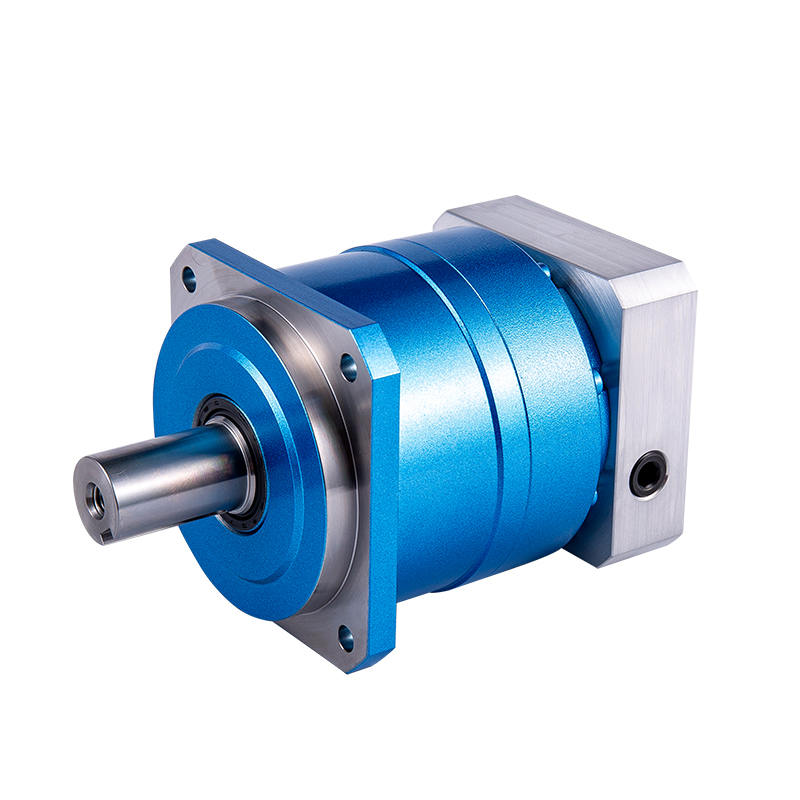 AHB Low Backlash Planetary Gearbox Reducer with Sealed LubricationFeaturing backlash below 3 arcminutes and integral roller bearings, this unit uses high-viscosity non-separable grease that never needs replacement. It simplifies maintenance while supporting precise positioning in industrial automation.View Product →
The practical route to capturing permanent-lubrication savings is to lock the technical parameters into the purchase specification. A gearbox might be mechanically capable but deliver poor sealed life if the grease or the ingress protection is specified loosely.
When a manufacturer such as ZHEJIANG BEITTO TRANSMISSION TECHNOLOGY CO., LTD. (BEITTO) delivers a sealed planetary reducer, the validated grease and seal package comes with the unit rather than being improvised on site. The checkpoints that matter are straightforward:
These four items turn a general description such as sealed gearbox into a concrete, auditable engineering requirement. When the specification is clear, the sealed reducer behaves as a near-zero maintenance component for the intended duty.
Practical checklist: Grease grade, ingress protection, life validation, and thermal derating are the four parameters that decide whether a sealed reducer stays maintenance-free on your production line.
The grease charge is designed to match the gear stage's rated service life, which in high-precision planetary gearboxes is commonly specified at 10,000 to 20,000 operating hours for moderate-load, clean-environment duty. The exact figure depends on gearbox speed, torque, and ambient temperature.
Yes. A permanently lubricated unit is not forbidden from maintenance, but the intended design goal is that the user never has to open it. If it must be re-greased after a long service period, the correct approach is to follow the manufacturer's grease replacement procedure rather than force a re-greasing cycle, since the sealed architecture controls the charge volume.
It can be, as long as the grease base oil and the thermal model allow the gearbox to reach thermal equilibrium at the specified speed. Most sealed precision planetary gearboxes are optimized for moderate-speed servo duty. For sustained high-speed operation, seal life and grease life should be verified with a temperature test rather than assumed.
No. The torque capacity is set by the gear geometry, material quality, and bearing design. Permanent lubrication only changes how the lubricant is supplied over the component's life. In practice, the calculated torque rating is unaffected, although the thermal derating for a specific grease charge can be slightly different from an oil-circulating design.
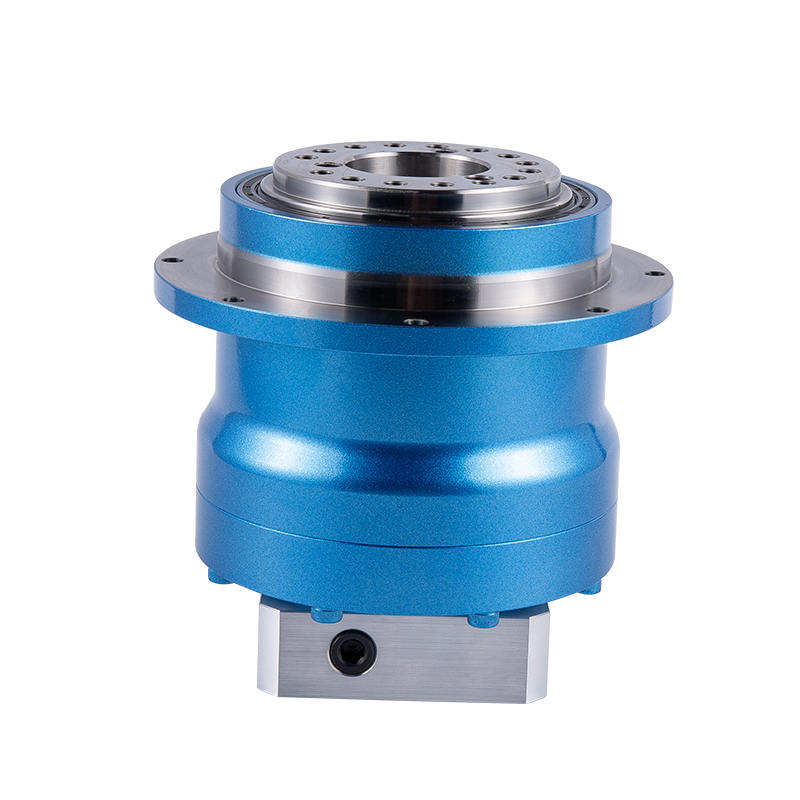
With its high-precision characteristics, the planetary reducer successfully controls the backlash wi...
See Details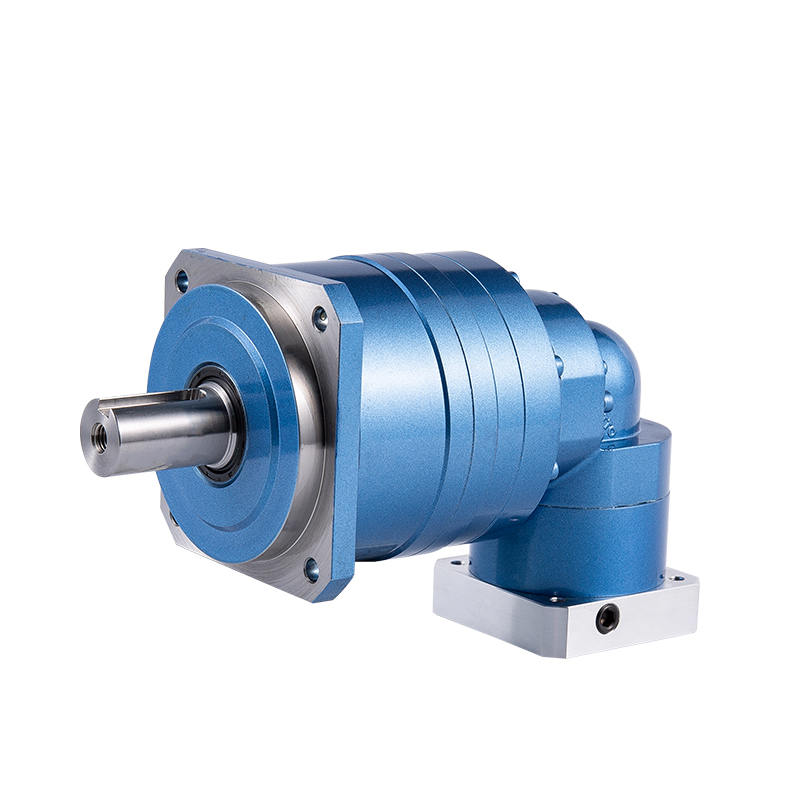
The planetary reducer adopts a helical gear design, which enables smooth and quiet operation and pro...
See Details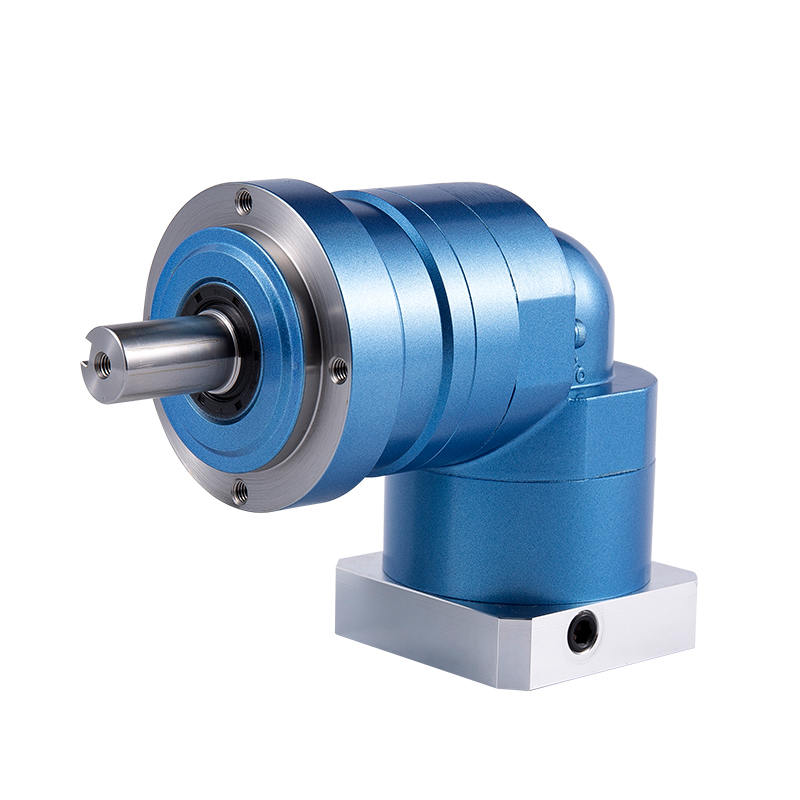
Features of planetary reducer1. Quiet: Use helical gears to achieve smooth and quiet operation;2. Hi...
See Details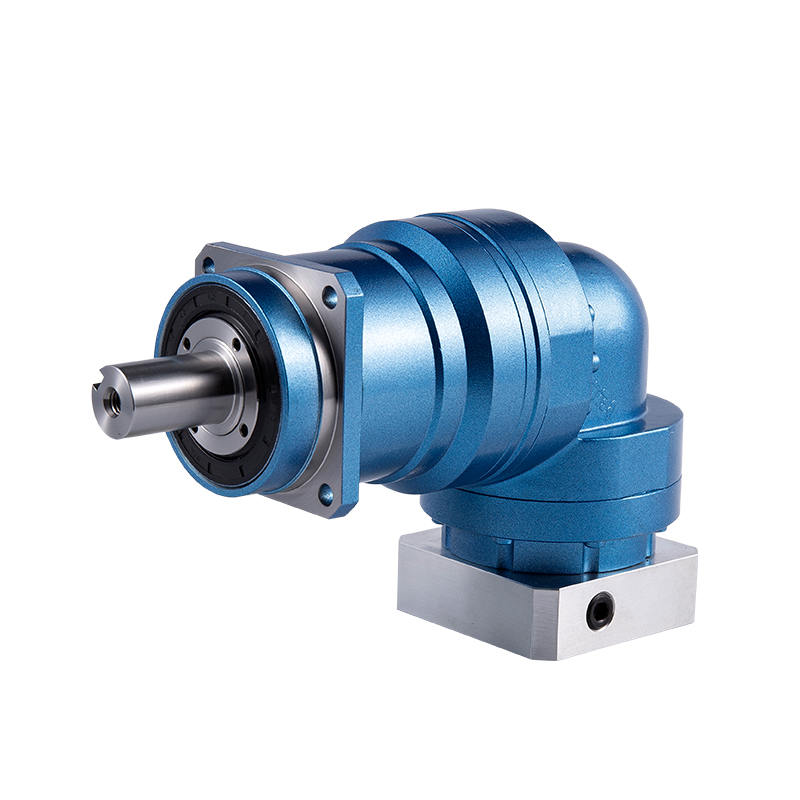
Features of planetary reducer1. Quiet: Use helical gears to achieve smooth and quiet operation;2. Hi...
See Details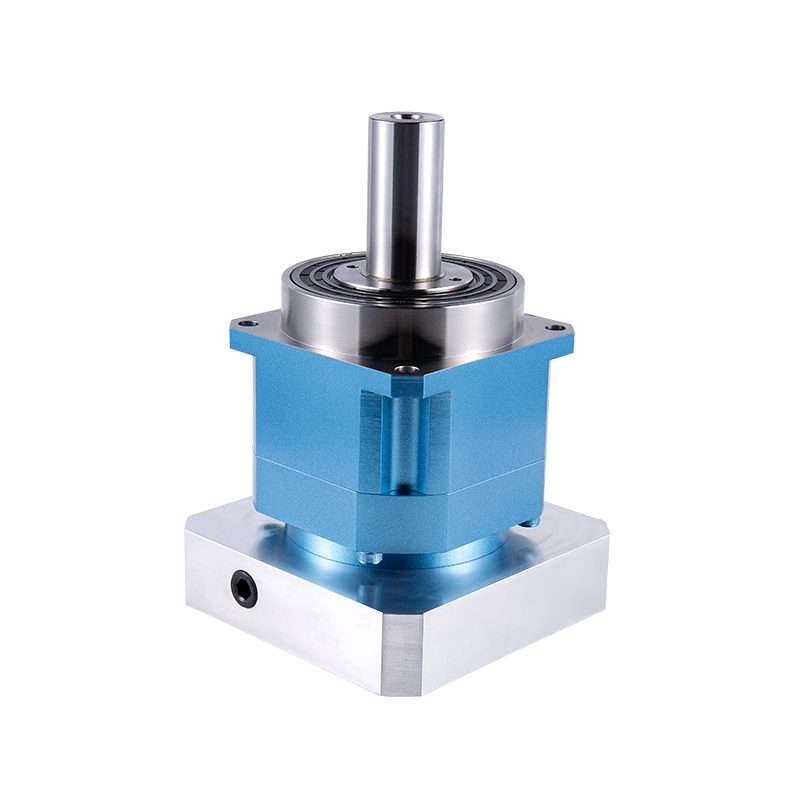
Our reducers incorporate the cutting-edge design concept of helical gears. Compared with traditional...
See Details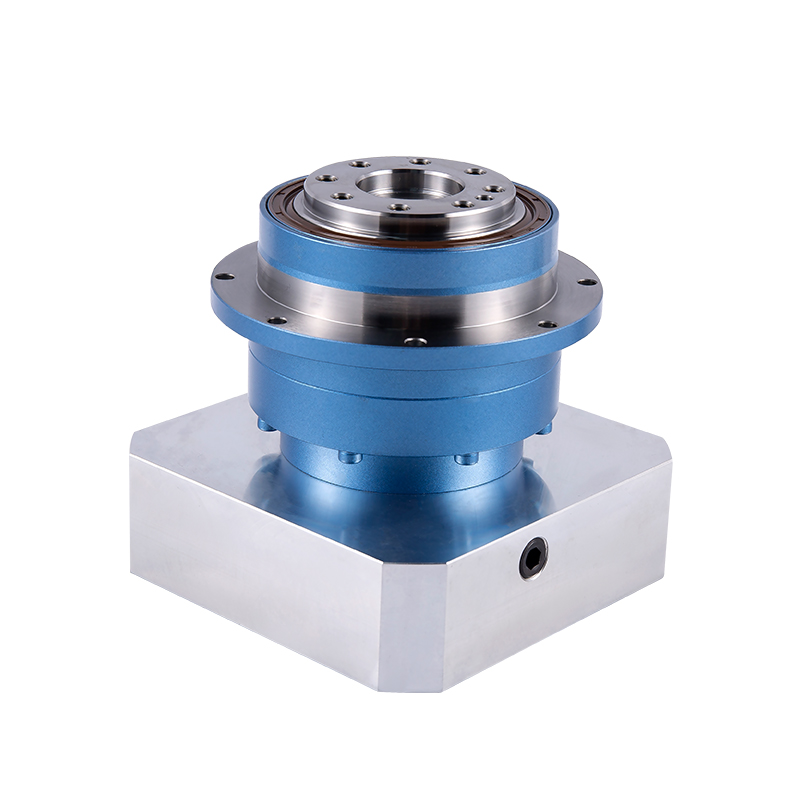
The NHT series planetary reducer adopts an advanced helical gear design, which not only significantl...
See Details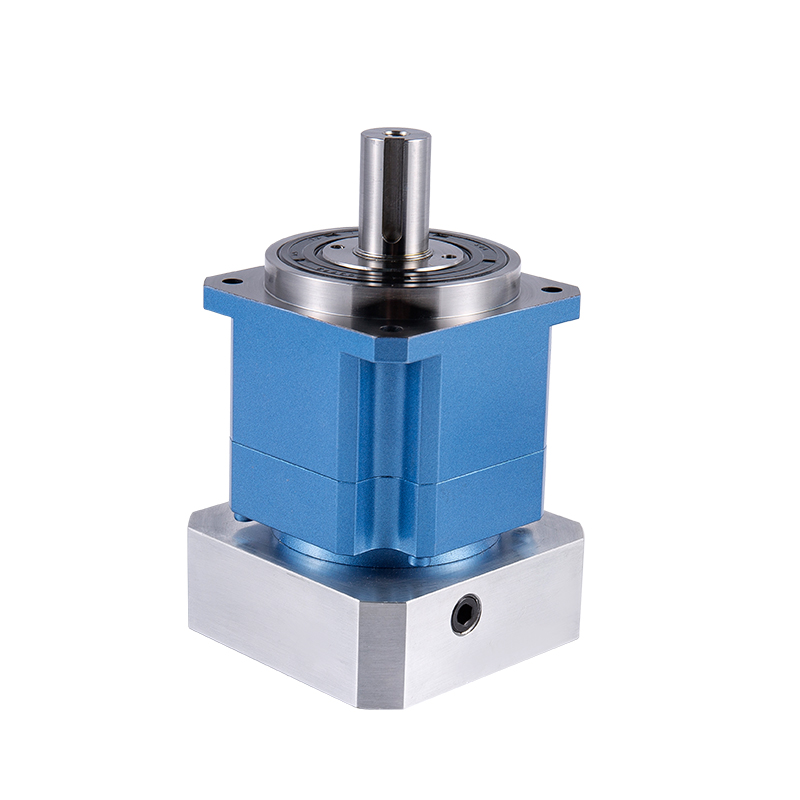
1. NBR series planetary reducer adopts spiral bevel gear design, with high rated output torque, more...
See Details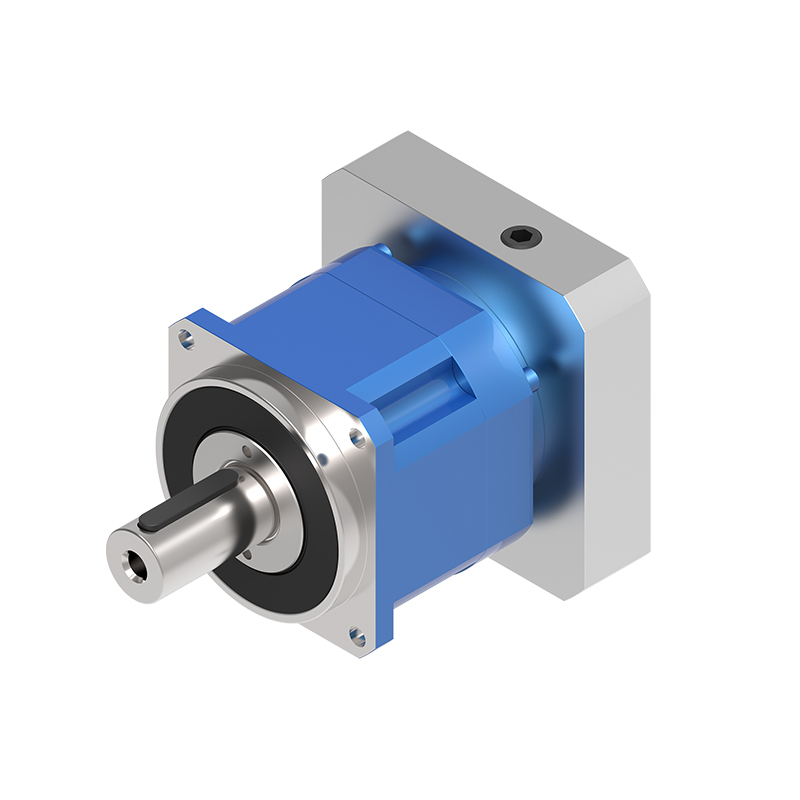
1. Helical gear designThe speed reduction mechanism adopts a helical gear design, and its tooth mesh...
See Details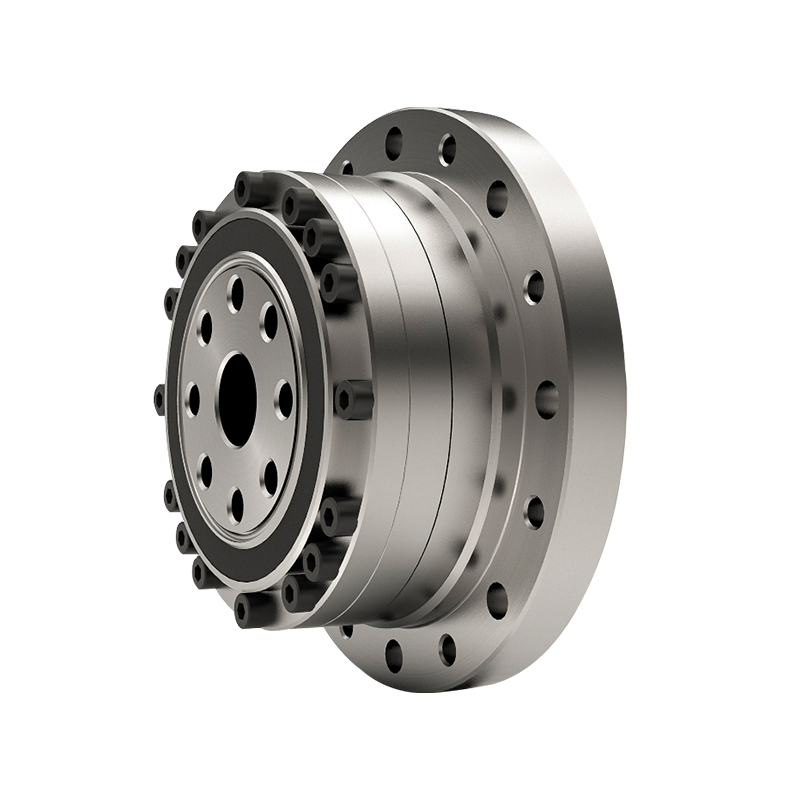
The BCSG series Flexible gear reducer is designed to be light and simple, which not only effectively...
See Details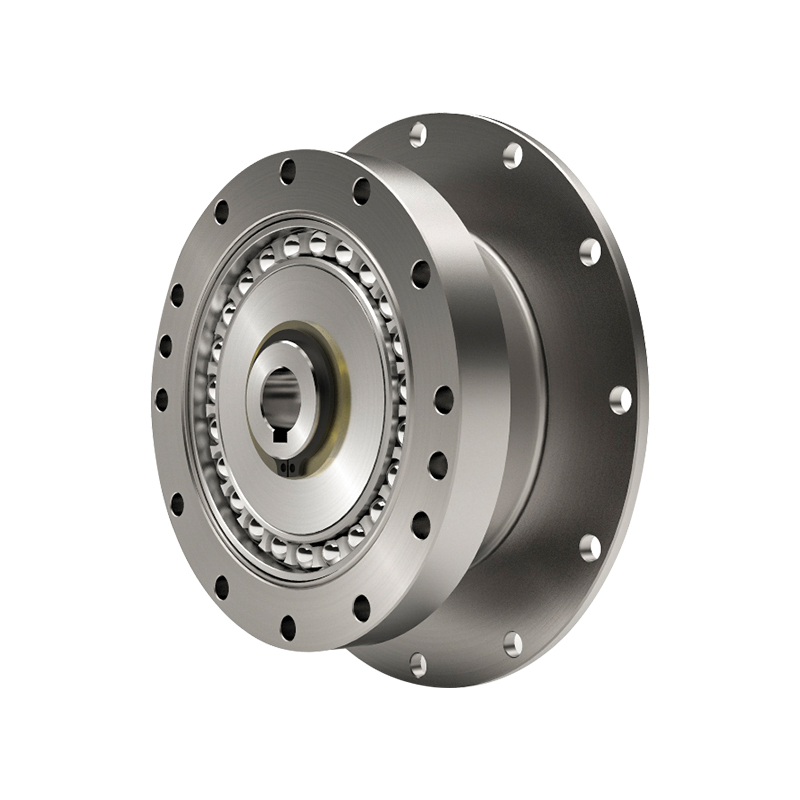
BSHF series Flexible gear reducer adopts a large-diameter hollow shaft design with a compact structu...
See Details

