 EN
EN




 English
 русский
 日本語
日本語 Español
Low Backlash High Precision Torque AHB Planetary Gearbox Reducer
Cat:Planetary Reducer
Features of planetary reducer 1. Quiet: Use helical gears to achieve smooth and quiet operation;2. H...
See DetailsFlexible gear reducer systems integrate elastic coupling elements with speed reduction mechanisms, accommodating shaft misalignment while transmitting torque. This guide examines technical specifications, application scenarios, and procurement considerations for industrial power transmission systems.
Content
Traditional rigid gear reducers require precise shaft alignment between prime movers and driven equipment. Flexible gear reducers incorporate elastomeric or metallic flexible elements that tolerate angular, parallel, and axial misalignment while maintaining torque transmission.
Key functional advantages include:
The manufacturing base operates in Pinghu City, Zhejiang Province, within the National Economic and Technological Development Zone. This location represents the core area of the National (Jiaxing) Electromechanical Components Industrial Park and the National Torch Plan Pinghu Optical and Mechanical Industrial Base. The facility functions as a precision planetary gear reducer manufacturer and helical planetary gearbox supplier, offering planetary gear drives. The site adheres to Japanese electromechanical cutting-edge R&D technology and meticulous production processes, utilizing leading design and development technology to achieve product structure optimization and upgrading.
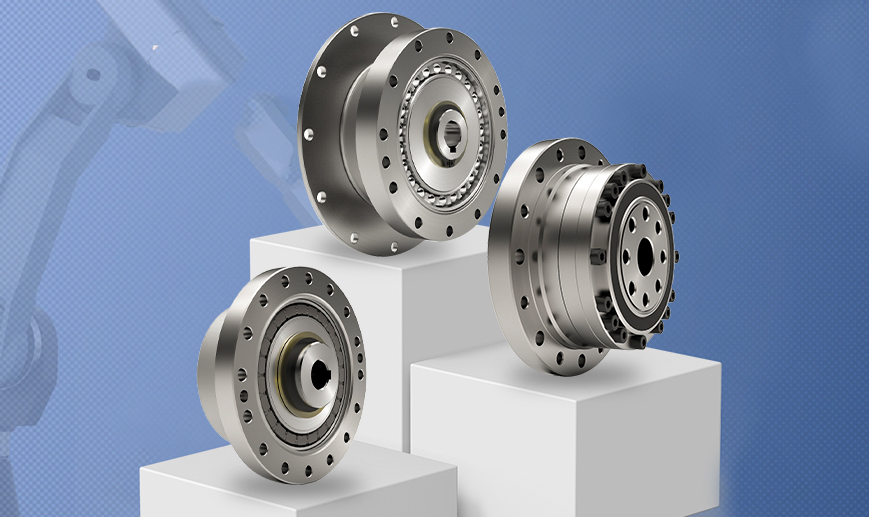
Conveyor applications demand continuous operation with minimal maintenance interruption. Helical gear tooth engagement provides progressive contact patterns that reduce noise and vibration compared to spur gear alternatives.
Engineering considerations for conveyor drives include:
Comparison of gear types for conveyor service:
| Parameter | Spur Gear Configuration | Helical Gear Configuration |
| Tooth Engagement | Full-width instantaneous contact | Progressive diagonal contact |
| Noise Level at 1m Distance | 75-85 dB | 65-75 dB |
| Axial Load Generation | Negligible | Significant (requires thrust bearings) |
| Load Distribution Factor | 1.0-1.2 | 1.1-1.4 |
| Smoothness Index | Moderate vibration | Superior vibration damping |
The helical flexible gear reducer for conveyor applications benefits from reduced acoustic emissions in warehouse environments and smoother acceleration profiles that minimize material spillage during startup.
One-horsepower (0.75 kW) power transmission represents a critical threshold where mechanical efficiency directly impacts operational economics. Inline configurations maintain coaxial shaft alignment, minimizing space requirements in compact machinery.
Design challenges at fractional horsepower ratings include:
Configuration comparison for 1 hp service:
| Specification | Offset (Parallel Shaft) | Inline (Coaxial) |
| Axial Length | 150-200mm typical | 120-160mm typical |
| Radial Envelope | Larger (dual shaft projection) | Compact (single axis) |
| Efficiency at 1 hp | 94-96% | 96-98% (planetary stages) |
| Backlash Control | Standard 15-30 arc-min | Precision 3-8 arc-min available |
| Mounting Complexity | Requires alignment compensation | Direct motor attachment |
An inline flexible gear reducer 1 hp suits packaging machinery, medical equipment, and precision positioning systems where space constraints and positioning accuracy dominate design priorities.
Shaft-mounted reducers eliminate the need for separate foundation bases, integrating directly with driven equipment shafts. This mounting style dominates bulk material handling and mining applications.
Structural variations include:
Mounting methodology comparison:
| Characteristic | Foot-Mounted Base | Shaft-Mounted Suspension |
| Foundation Requirement | Rigid baseplate with grouting | Driven shaft serves as structural member |
| Alignment Sensitivity | High (three-point support) | Moderate (self-aligning capability) |
| Maintenance Accessibility | Standard clearance requirements | Overhead lifting equipment typically needed |
| Weight Distribution | Concentrated on foundation | Shared with driven machine |
| Installation Time | 4-8 hours with alignment | 1-2 hours for experienced crews |
The flexible gear reducer shaft mounting configuration particularly benefits conveyor head pulley drives, mixer agitators, and drum drives where eliminating baseplates reduces structural steel requirements and installation labor.
NMRV designation represents a standardized worm gear reducer series combining aluminum alloy housing construction with modular input flexibility. These units achieve high reduction ratios in minimal envelope dimensions.
Worm gear mechanics involve sliding contact between worm screw and wheel teeth, generating heat and requiring careful thermal management.
Housing material comparison:
| Property | Aluminum Alloy (NMRV Standard) | Cast Iron (Industrial Heavy-Duty) |
| Thermal Conductivity | Excellent (heat dissipation) | Poor (heat retention) |
| Weight for Equivalent Size | 30-40% of iron | Baseline reference |
| Corrosion Resistance | Natural oxide protection | Requires surface treatment |
| Impact Resistance | Moderate (ductile fracture) | High (brittle failure mode) |
| Maximum Operating Temperature | 80-90°C continuous | 110-120°C continuous |
The compact flexible gear reducer nmrv series addresses light industrial applications including food processing equipment, packaging lines, and automated guided vehicle drives where weight reduction and corrosion resistance outweigh absolute durability requirements.
Bevel and hypoid gear systems redirect power flow through 90-degree angles, enabling motor mounting parallel to the floor in vertical lifting applications or beside conveyors in lateral transfers.
High torque density requires careful analysis of gear tooth bending strength and surface durability.
Right-angle gear technology comparison:
| Technology | Spiral Bevel Gears | Hypoid Gears | Worm Gear Sets |
| Efficiency at High Torque | 95-98% | 90-95% | 70-90% |
| Offset Capability | Zero (intersecting axes) | Significant (axes non-intersecting) | Significant |
| Backlash Control | Precision 5-10 arc-min | Standard 10-20 arc-min | Variable (20-60 arc-min) |
| Load Capacity per Unit Volume | High | Very High | Moderate |
| Noise Characteristics | Moderate | Quiet operation | Quiet but variable |
A high torque flexible gear reducer 90 degree configuration suits lifting hoists, rotary indexing tables, and compact robotic joints where spatial constraints demand orthogonal power transmission without sacrificing torque capacity.
The coupling component determines misalignment accommodation and vibration characteristics:
Positioning applications require evaluation of lost motion:
Flexible gear reducers integrate elastic elements that tolerate shaft misalignment up to several degrees angular and millimeters parallel offset. Rigid couplings require alignment within 0.05mm parallel and 0.02 degrees angular. The flexible configuration reduces bearing loads and installation time but introduces compliance that may affect positioning accuracy in servo applications.
Helical gear tooth engagement occurs progressively along the tooth face, distributing impact forces over time. This mechanism reduces sound pressure levels by 10-15 dB compared to spur gears at equivalent operating conditions. The helical flexible gear reducer for conveyor applications particularly benefit in noise-sensitive environments such as distribution centers operating near residential areas.
Standard catalog configurations support orders from single units for sample evaluation. Custom ratio combinations, specialized shaft dimensions, or specific flange patterns require 4-8 weeks production lead time depending on casting and machining complexity. The Pinghu manufacturing facility maintains component inventory supporting rapid assembly of standard configurations.
Single-start worm gears with lead angles below 5 degrees typically exhibit self-locking where the worm wheel cannot back-drive the worm shaft. However, vibration and dynamic conditions may overcome static friction, so independent braking mechanisms remain essential for vertical load holding. Multi-start worms designed for efficiency sacrifice self-locking characteristics.
Planetary gear trains achieve 96-98% efficiency per stage through rolling contact between multiple planet gears and annulus gears. Worm gear systems involve sliding contact generating heat, limiting efficiency to 70-90% depending on ratio, speed, and lubrication. High-ratio compact flexible gear reducer nmrv units at low speeds approach the lower efficiency bound, requiring thermal management verification for continuous duty.
Selecting appropriate flexible gear reducer equipment requires systematic evaluation of torque requirements, spatial constraints, and environmental conditions. Whether specifying helical flexible gear reducer for conveyor smoothness, inline flexible gear reducer 1 hp compactness, flexible gear reducer shaft mounting convenience, compact flexible gear reducer nmrv weight efficiency, or high torque flexible gear reducer 90 degree directional change capability, technical specifications determine operational reliability.
The Pinghu manufacturing base leverages Japanese electromechanical R&D methodologies and precision production processes to deliver optimized planetary gear drives and helical planetary gearboxes for global industrial applications.
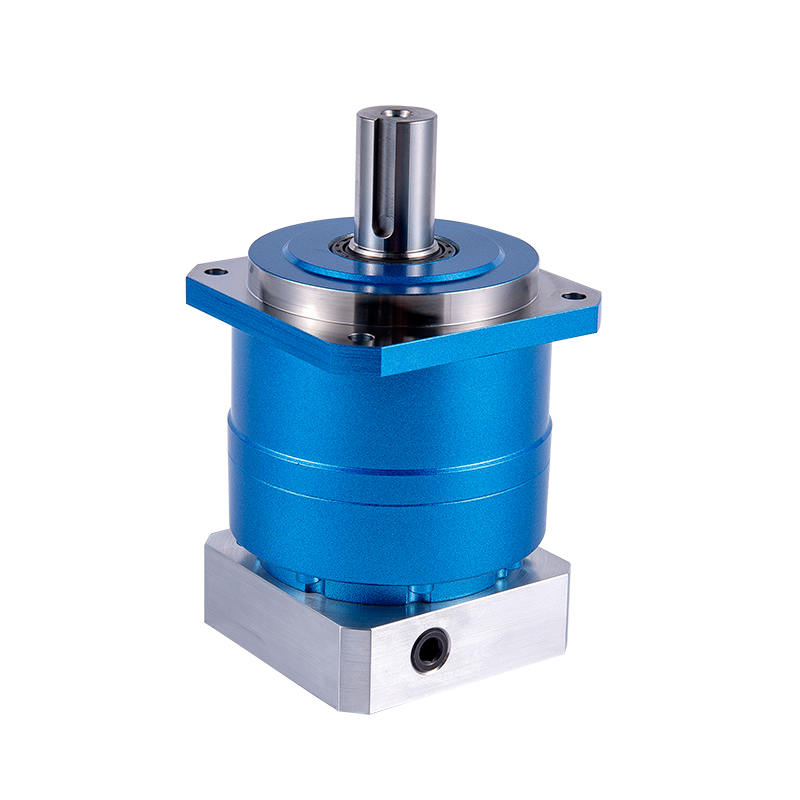
Features of planetary reducer 1. Quiet: Use helical gears to achieve smooth and quiet operation;2. H...
See Details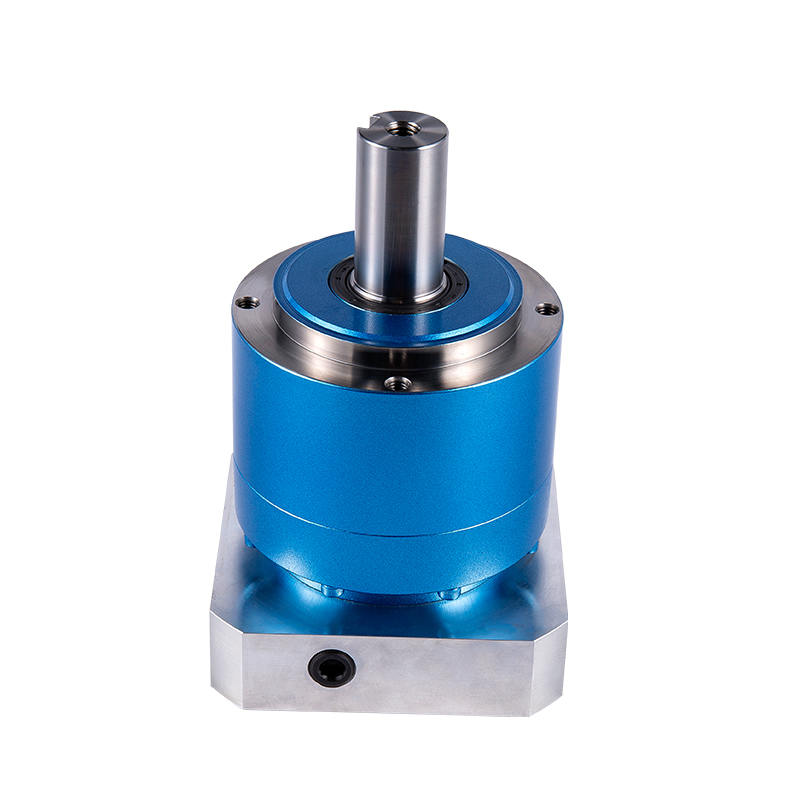
Planetary reducers have been widely used in many industries for their performance. Their uniquely de...
See Details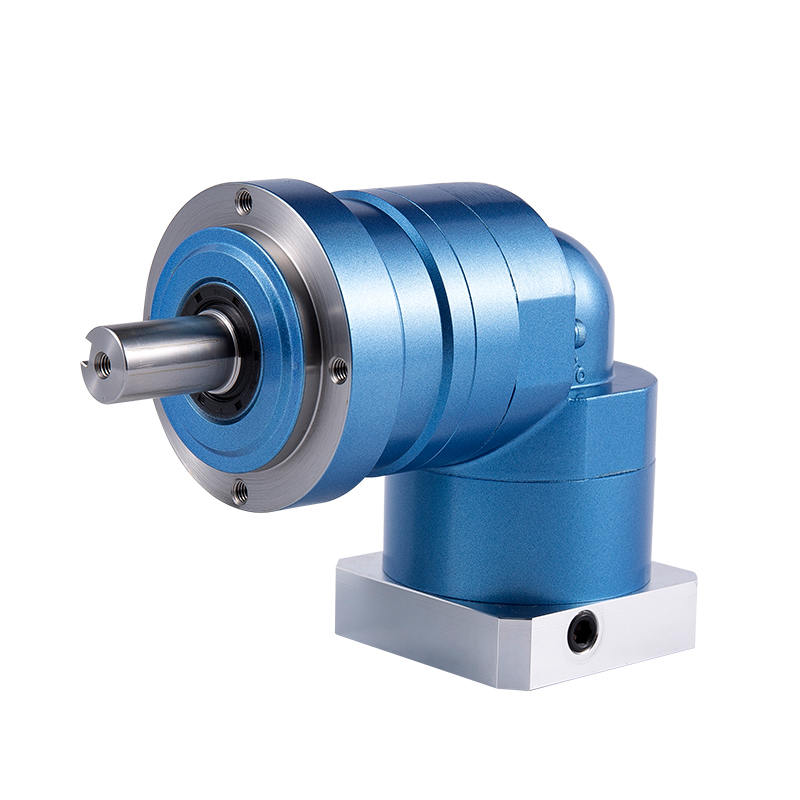
Features of planetary reducer1. Quiet: Use helical gears to achieve smooth and quiet operation;2. Hi...
See Details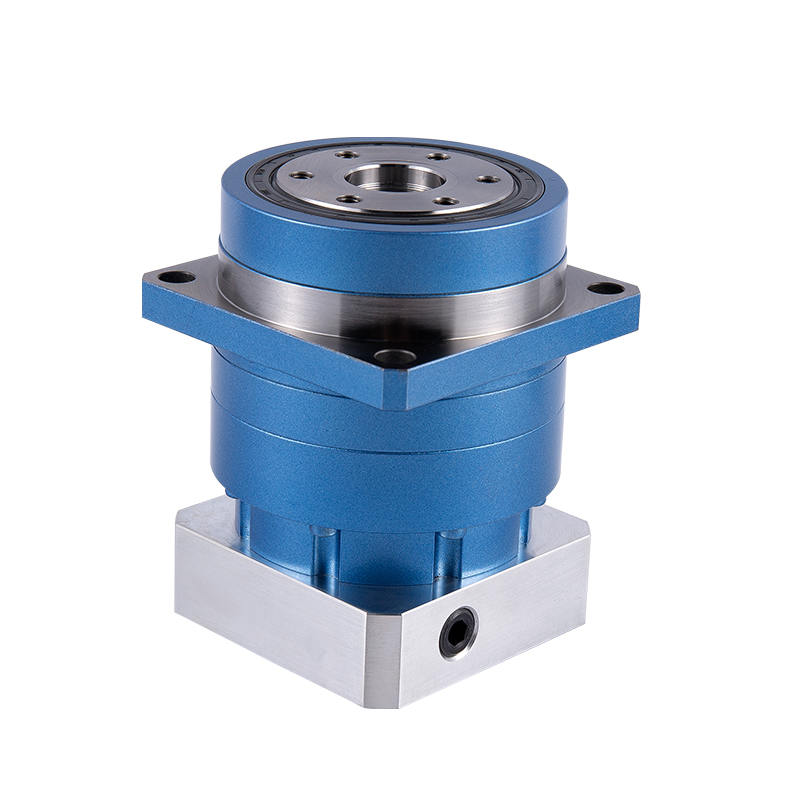
Features of planetary reducer1. Quiet: Use helical gears to achieve smooth and quiet operation;2. Hi...
See Details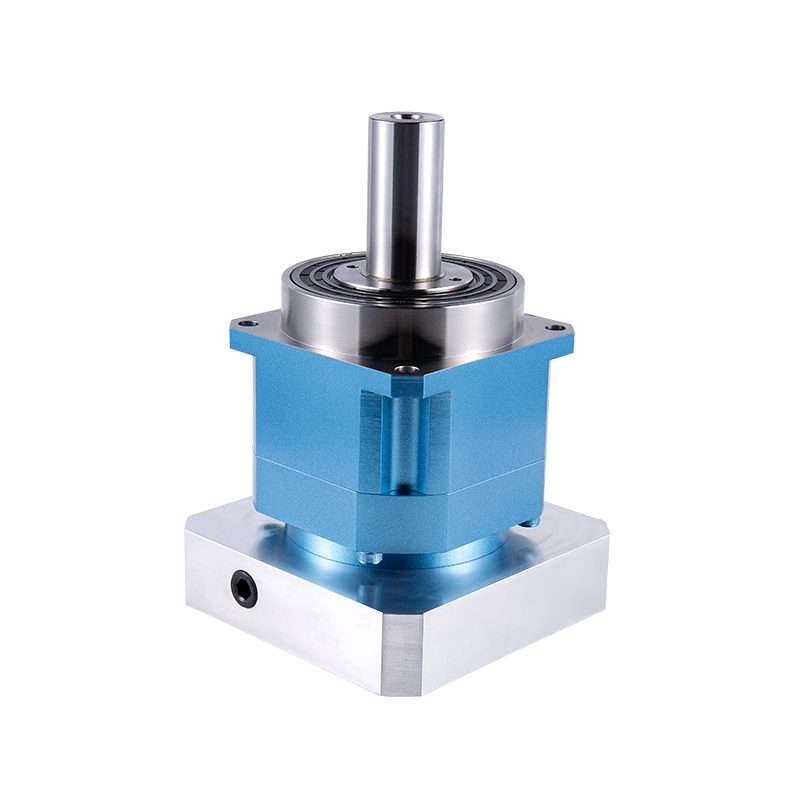
Our reducers incorporate the cutting-edge design concept of helical gears. Compared with traditional...
See Details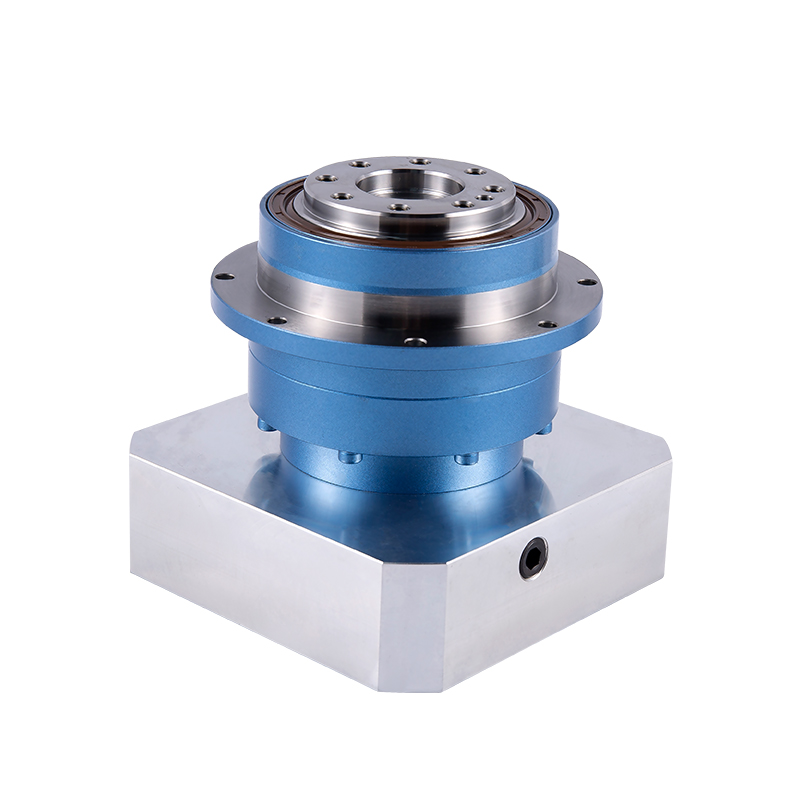
The NHT series planetary reducer adopts an advanced helical gear design, which not only significantl...
See Details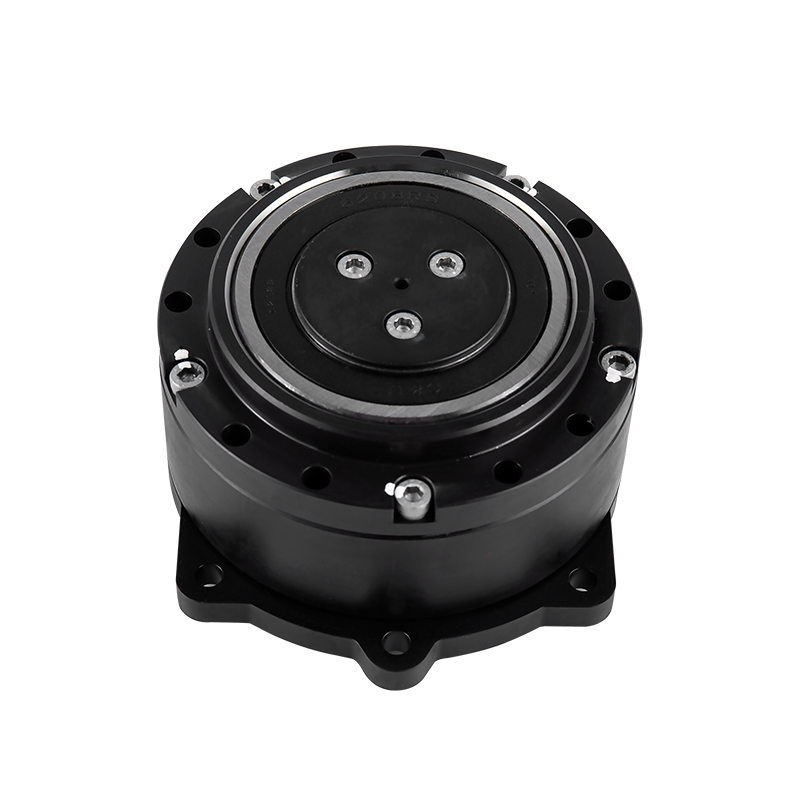
Designed for applications with high radial loads, such as AGV wheel drives, pulley drives. Output op...
See Details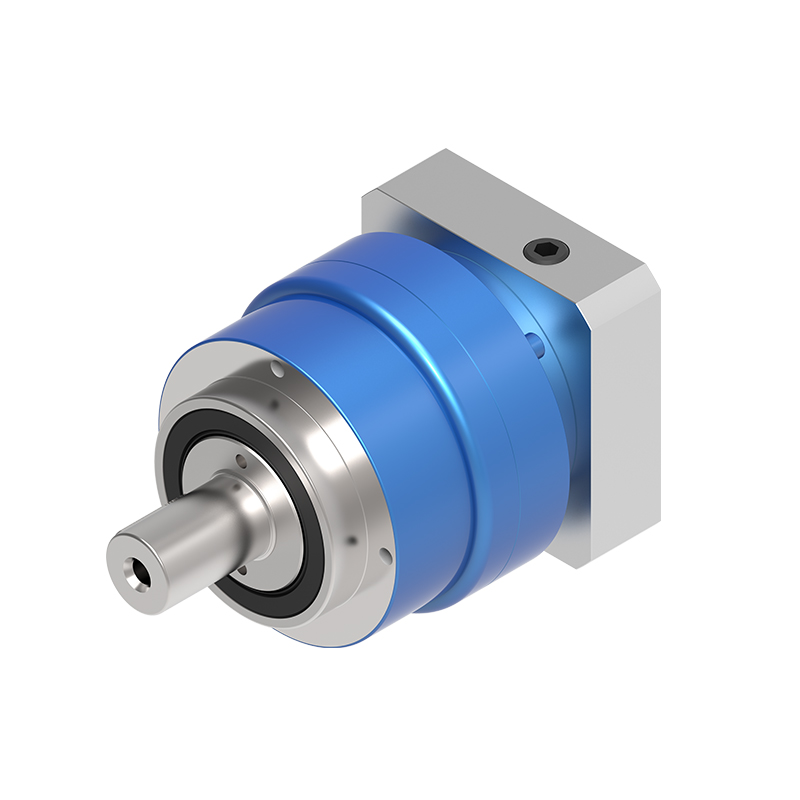
Innovative helical gear structureThe reduction mechanism introduces an innovative helical gear desig...
See Details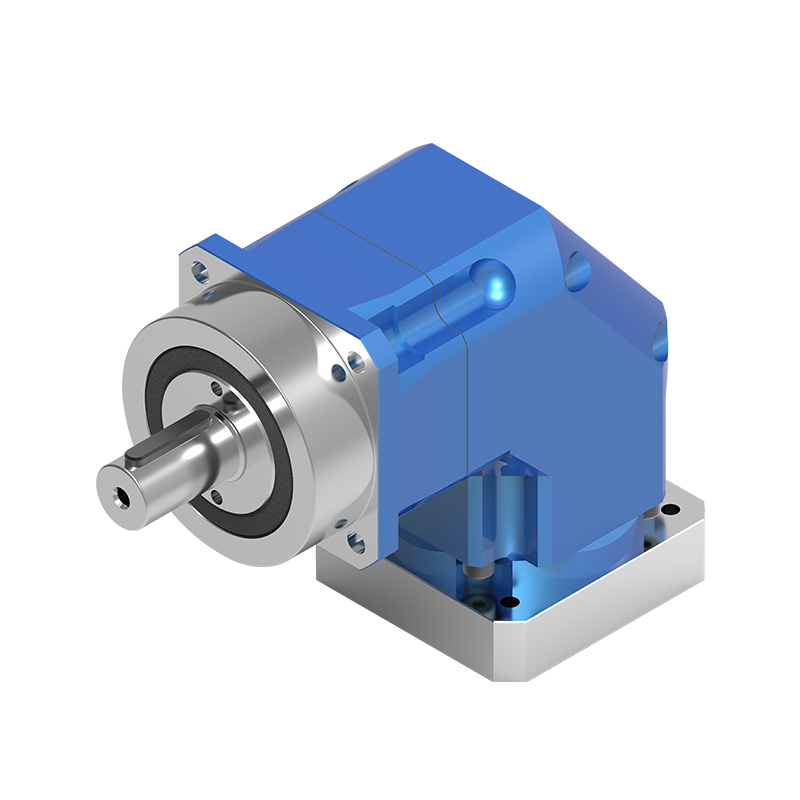
The NSR series planetary reducer adopts a spiral bevel gear design. This innovation not only makes t...
See Details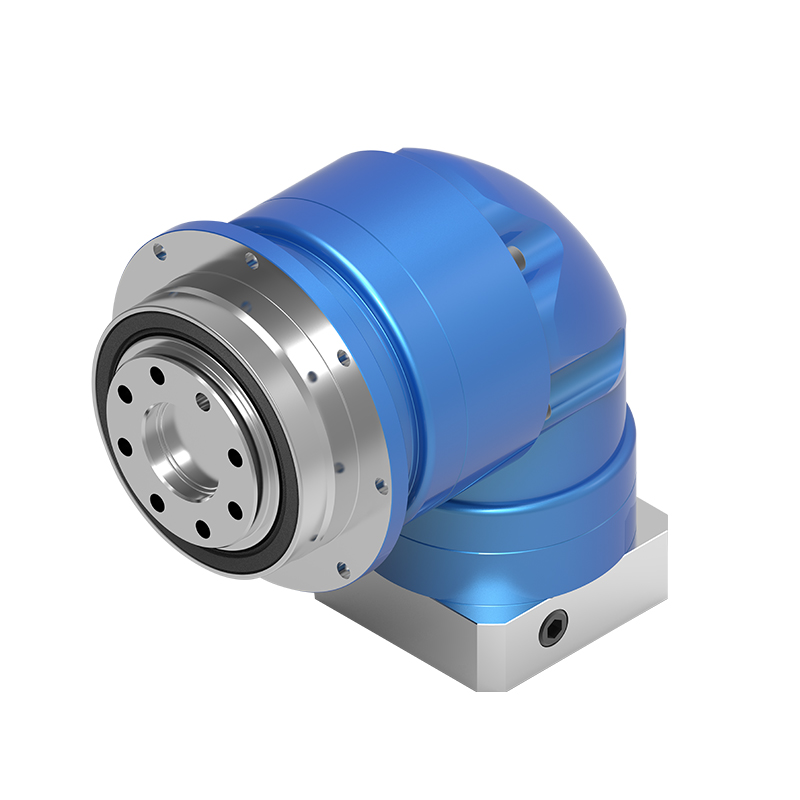
NTR series planetary reducer adopts spiral bevel gear design, which allows high-speed input of servo...
See Details

