 EN
EN




 English
 русский
 日本語
日本語 Español
Low Noise Multi specification Integrated-Structure Planetary Reducer AHS Series
Cat:Planetary Reducer
Planetary reducers occupy an important position in the field of industrial automation. The high-prec...
See DetailsSelecting the correct precision planetary reducer is vital for the success of any modern motion control system. Engineers and procurement managers must balance performance requirements with budget constraints. This guide explores the technical details you need to know before making a purchase decision.
Content
A planetary gear system consists of a central sun gear, planet gears, and a ring gear. The input shaft drives the sun gear, which rotates the planet gears. The planet gears revolve around the sun gear while meshing with the outer ring gear. This design distributes the load across multiple gear teeth. It provides high torque density in a compact package.
High-quality reducers use hardened alloy steel or stainless steel for gears. Some manufacturers use helical gears instead of spur gears. Helical gears offer smoother operation and higher torque capacity because more teeth engage at the same time. Precision grinding of gear flanks reduces noise and improves positioning accuracy.
Backlash is the play between mating gear teeth. It causes lost motion in the system. A low backlash planetary gearbox is essential for applications requiring high precision. You cannot achieve accurate positioning if the output shaft rotates freely before engaging the load. Backlash values typically range from less than 1 arc-minute for high-precision units to 5-10 arc-minutes for standard units.
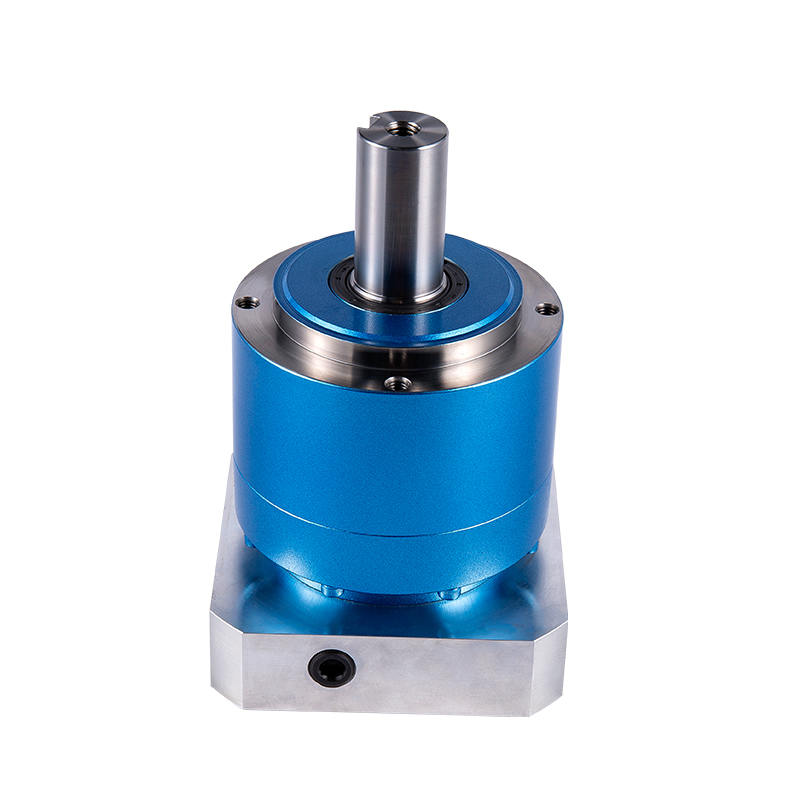
Proper integration between the motor and the reducer ensures optimal performance. A precision planetary gearbox for servo motor must match the motor's shaft diameter and bolt pattern. Misalignment can cause premature bearing failure or vibration. Engineers should check the input speed and radial load ratings of the reducer against the motor specifications.
Engineers often need to increase the output torque of a servo or stepper motor. A high torque planetary gear reducer multiplies the motor torque by the gear ratio. For example, a 10:1 ratio can theoretically increase torque tenfold. However, you must consider the mechanical limits of the gear train. The reducer's rated output torque must exceed the application's peak torque demand.
Robotics demands compact and lightweight components. A planetary reducer for robot arm joints must handle high cyclical loads. These reducers often feature high rigidity to prevent deflection at the end effector. The cyclical duration rating (CDR) is a critical metric for robot designers. It indicates how long the reducer can operate under load without overheating.
The table below compares the characteristics of different application scenarios:
| Application Scenario | Key Requirement | Recommended Feature |
| Machine Tool | Rigidity and Accuracy | Low Backlash (< 3 arc-min) |
| Packaging Machinery | Speed and Duty Cycle | High Efficiency Helical Gears |
| Robot Arm | Compact Size and Torque | High Torque Density Design |
| Conveyor System | Durability and Cost | Standard Spur Gearbox |
Price is always a key factor for B2B buyers. A detailed precision planetary reducer price list usually reflects the manufacturing complexity. Factors influencing the price include the gear ratio, frame size, backlash grade, and output shaft configuration. High-precision ground gears cost more than standard shaved gears. Buyers should consider the Total Cost of Ownership (TCO). A cheaper gearbox might fail sooner, causing expensive downtime.
Standard catalog products do not fit every application. Engineers often require custom input shafts, special sealing, or unique mounting flanges. A reliable supplier provides engineering support to help with sizing and selection. They should offer 3D models and detailed datasheets for integration.
Choosing the right precision planetary reducer requires a deep understanding of mechanics and application needs. By focusing on backlash, torque ratings, and motor compatibility, engineers can build reliable machines. Always partner with manufacturers who provide transparent technical data and reliable quality certifications.
The main advantage is its high torque-to-size ratio. The co-axial arrangement allows for a compact design. It also offers better stability and higher radial load capacity compared to other gear types.
You divide the required output torque by the motor's rated torque. You must also consider the maximum speed required at the output. The gear ratio acts as a trade-off between speed and torque.
Most units come factory-filled with synthetic grease. This grease allows the reducer to operate in any mounting position. Some large units use oil bath lubrication, which requires specific mounting orientations.
Yes, you can mount planetary reducers in any orientation. However, you must ensure the seals are adequate to prevent leakage if the unit uses oil lubrication. Grease-lubricated units have no leakage issues.
Most precision planetary reducers are maintenance-free under normal conditions. The synthetic grease typically lasts for the operational life of the unit (e.g., 20,000 hours). Users should periodically check for unusual noise or temperature rise.
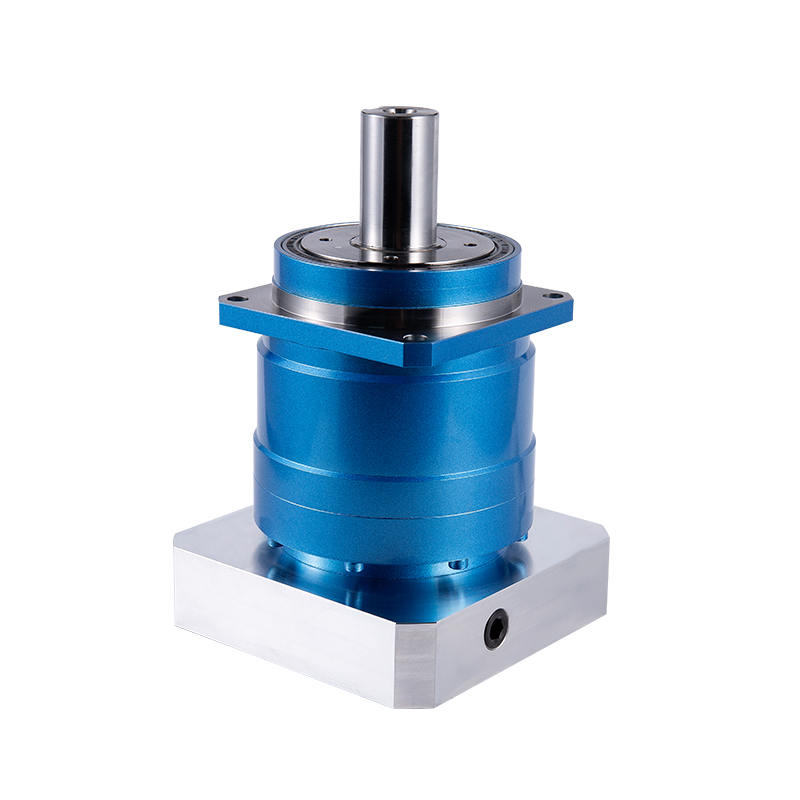
Planetary reducers occupy an important position in the field of industrial automation. The high-prec...
See Details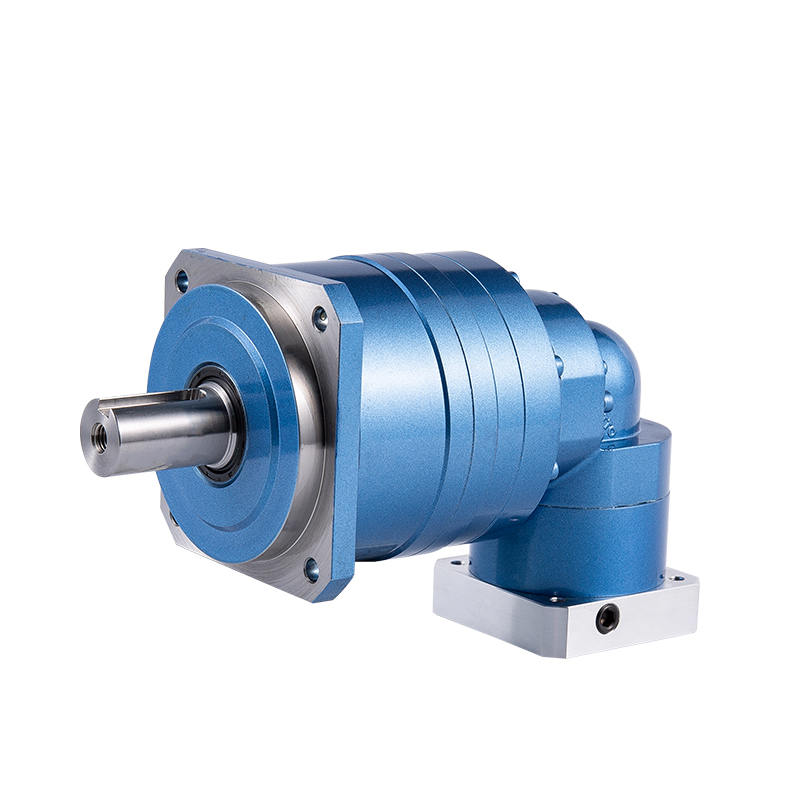
The planetary reducer adopts a helical gear design, which enables smooth and quiet operation and pro...
See Details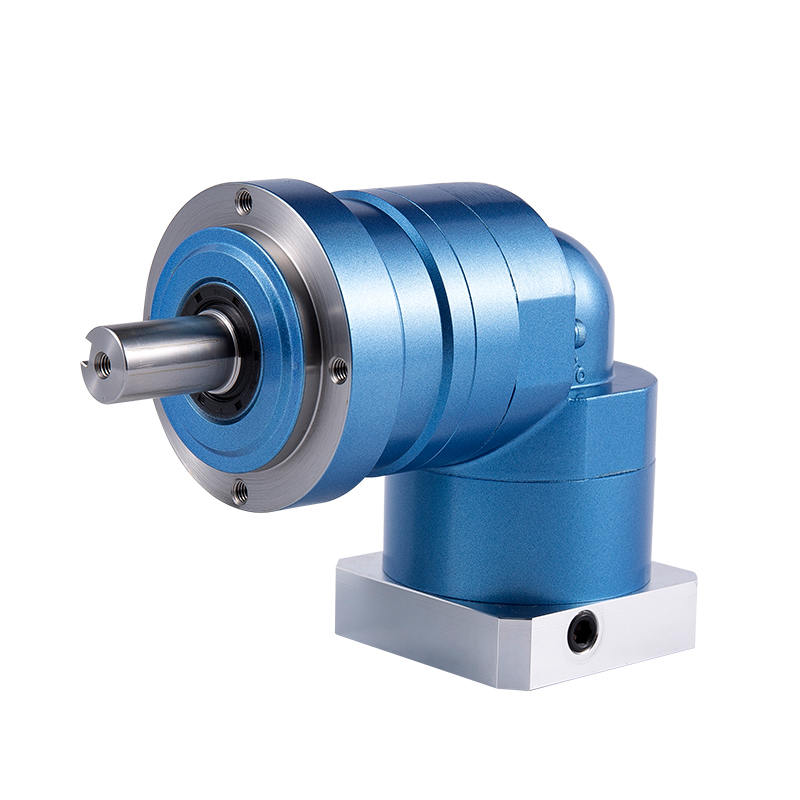
Features of planetary reducer1. Quiet: Use helical gears to achieve smooth and quiet operation;2. Hi...
See Details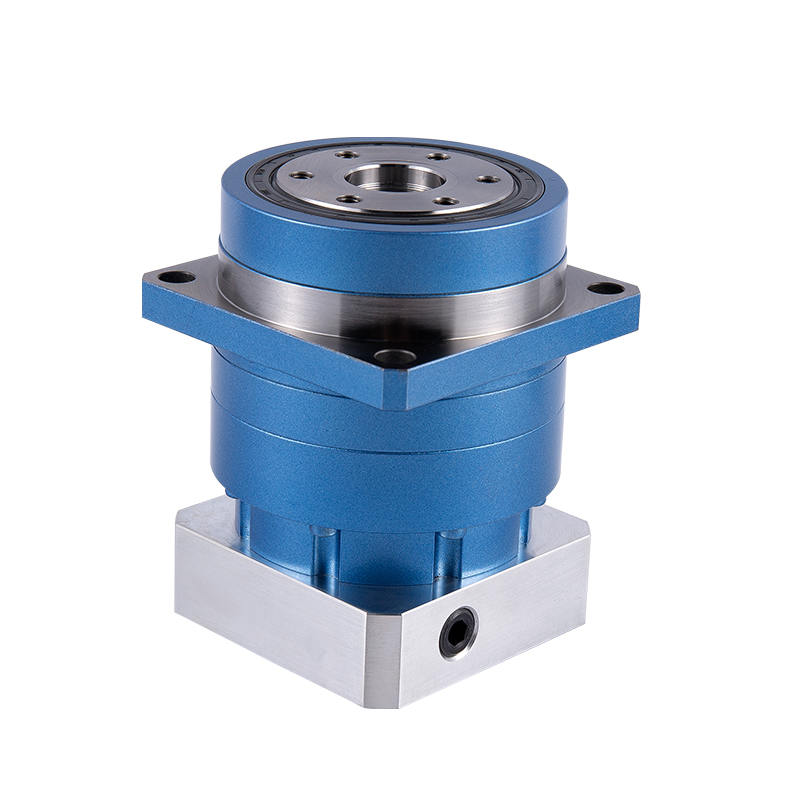
Features of planetary reducer1. Quiet: Use helical gears to achieve smooth and quiet operation;2. Hi...
See Details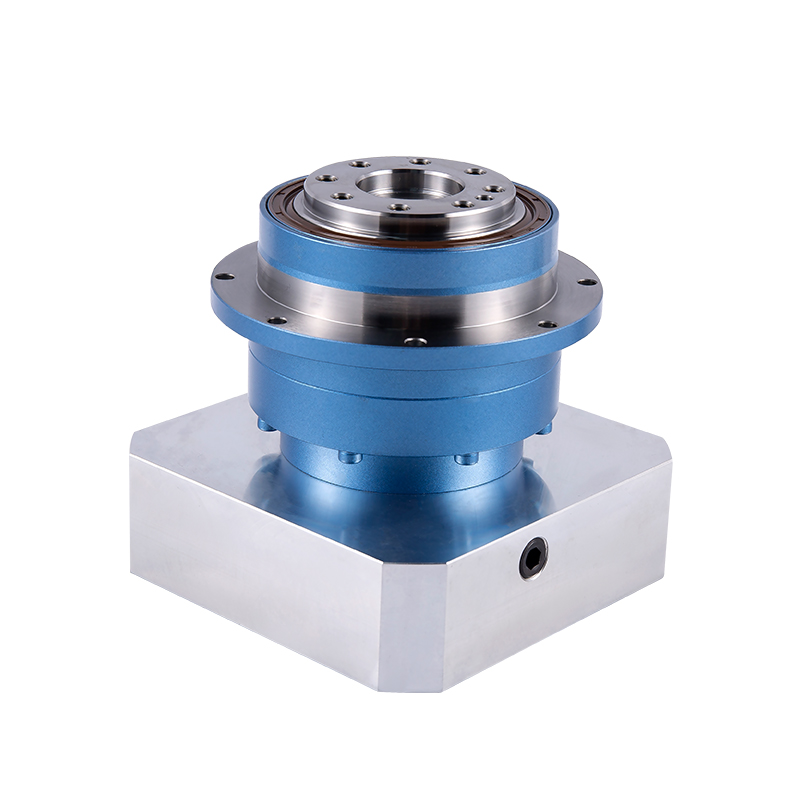
The NHT series planetary reducer adopts an advanced helical gear design, which not only significantl...
See Details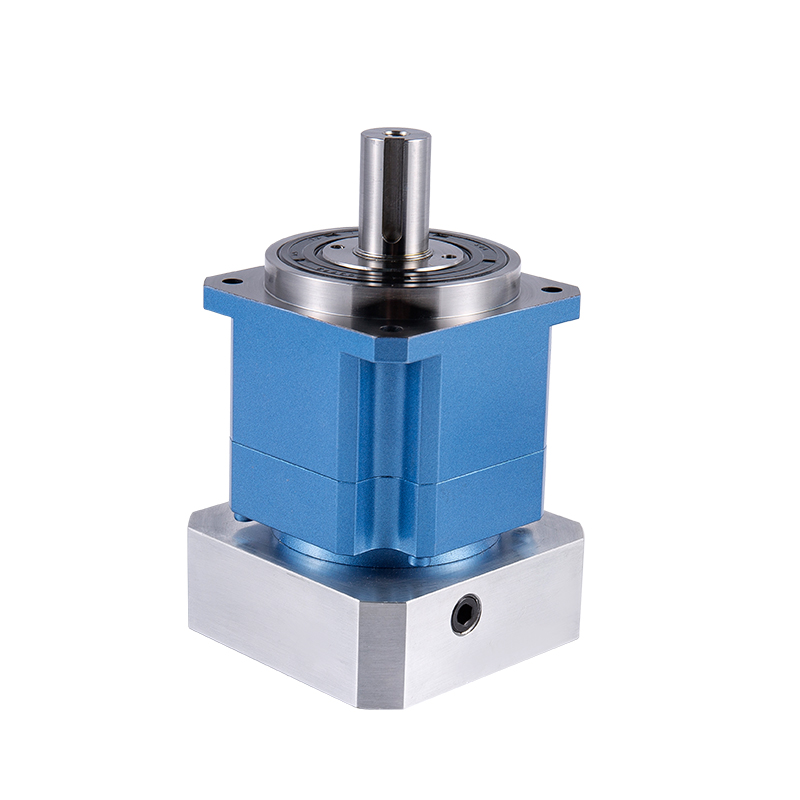
1. NBR series planetary reducer adopts spiral bevel gear design, with high rated output torque, more...
See Details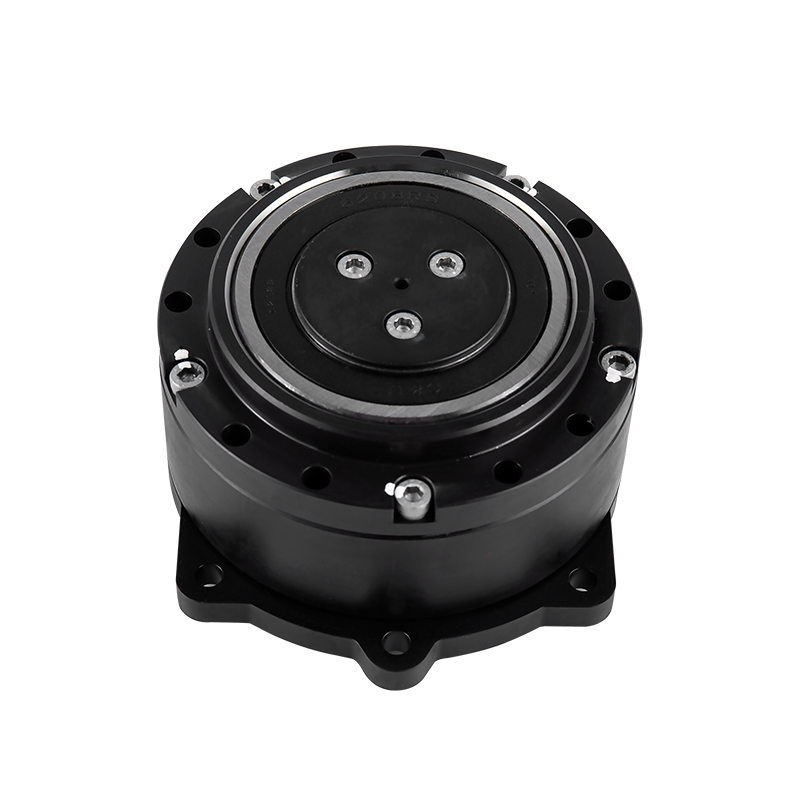
Designed for applications with high radial loads, such as AGV wheel drives, pulley drives. Output op...
See Details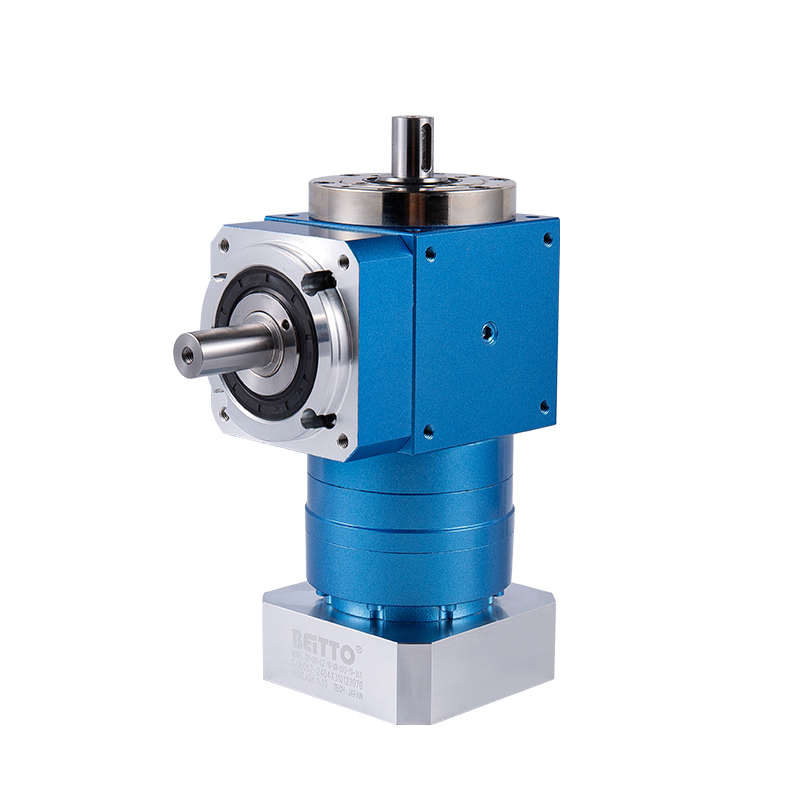
● Various output shaft options● High torque● High efficiency● Long service life● Low backlash● Maint...
See Details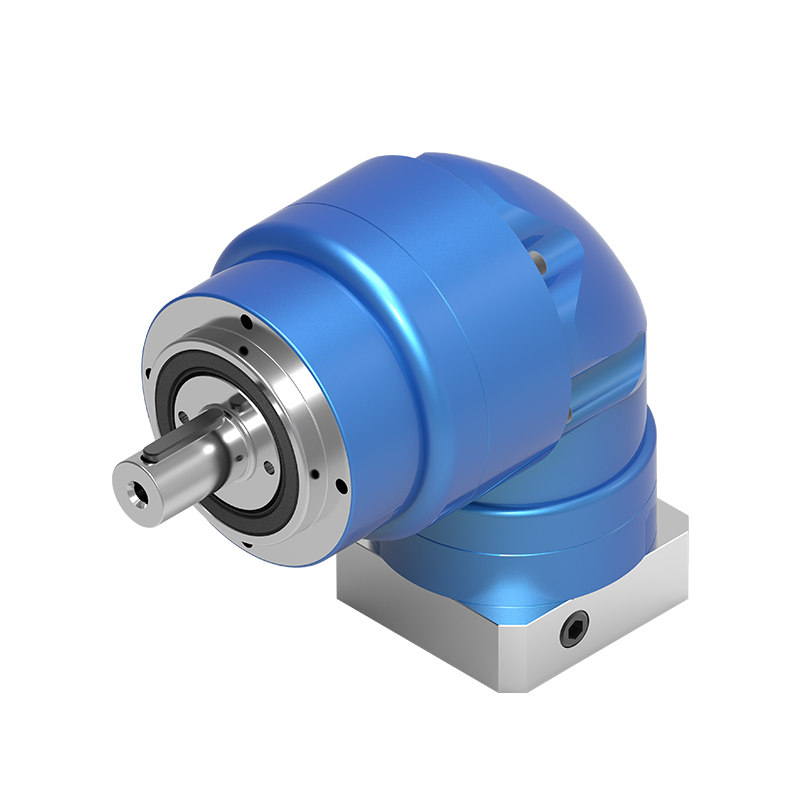
The NLR series planetary reducer adopts a spiral bevel gear design, which allows high-speed input of...
See Details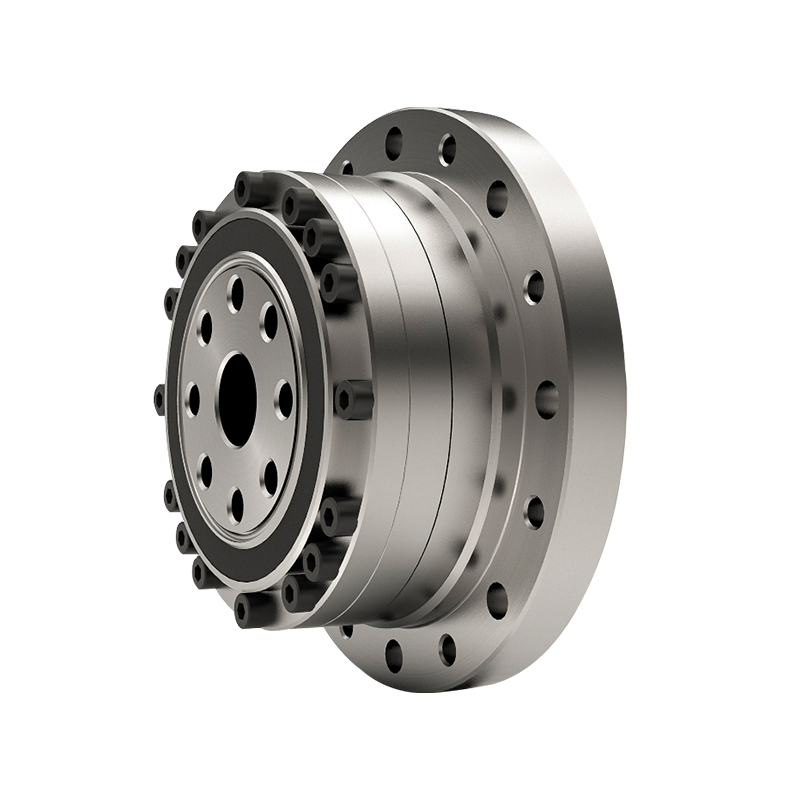
The BCSG series Flexible gear reducer is designed to be light and simple, which not only effectively...
See Details

