 EN
EN




 English
 русский
 日本語
日本語 Español
Low Noise Multi specification Integrated-Structure Planetary Reducer AHS Series
Cat:Planetary Reducer
Planetary reducers occupy an important position in the field of industrial automation. The high-prec...
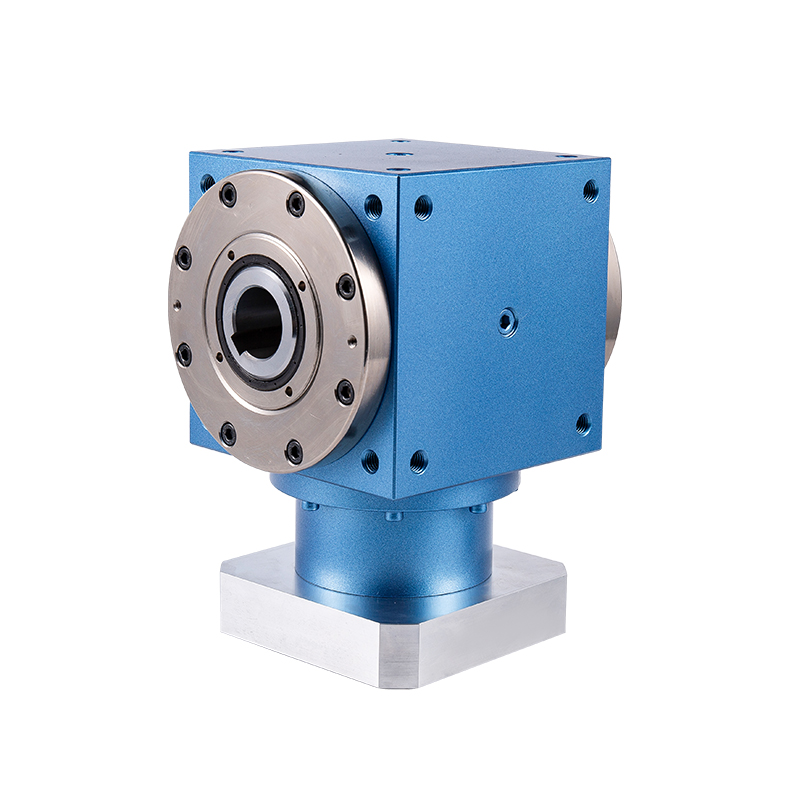
See DetailsA Spiral Bevel Gear Commutator is a precision mechanical device designed to change the direction of power transmission, typically by 90 degrees, using curved-tooth bevel gears. These components are essential in industrial machinery, automotive drivetrains, and heavy equipment where reliable torque transfer and compact packaging are required. For procurement engineers and technical buyers, understanding the engineering principles, adjustment procedures, and material science behind these gears is critical for selecting optimal solutions.
Content
The selection between spiral bevel gear commutator vs straight bevel configurations involves fundamental differences in tooth geometry, load capacity, and operational characteristics. Each design serves distinct applications based on performance requirements.
Straight bevel gears have teeth that are straight and tapered, meeting at a common intersection point. Spiral bevel gears feature curved teeth with oblique angles, providing gradual engagement during rotation .
| Parameter | Spiral Bevel Gear | Straight Bevel Gear | Engineering Impact |
|---|---|---|---|
| Contact ratio | 1.5 - 2.0 or higher | 1.0 - 1.2 | Spiral gears have multiple teeth in contact, distributing load |
| Load capacity | High (30-50% higher than straight) | Moderate | Spiral design supports higher torque in same envelope |
| Operating noise | Low (gradual engagement) | Moderate to high (sudden engagement) | Spiral gears preferred for noise-sensitive applications |
| Efficiency | 96-99% | 95-98% | Marginally higher efficiency for spiral designs |
| Manufacturing complexity | High (requires specialized Gleason machines) | Moderate | Straight bevel gears are more cost-effective to produce |
| Axial thrust | Higher (requires robust bearing support) | Moderate | Bearing selection must account for thrust loads |
Spiral bevel gears dominate automotive differentials, aerospace transmissions, and high-speed industrial drives where smooth operation and high power density are essential. Straight bevel gears remain viable for low applications, manual adjustments, and cost-sensitive designs where noise is not a primary concern .
Proper spiral bevel gear commutator backlash adjustment ensures optimal load distribution, minimizes noise, and prevents premature gear failure. Backlash is the intentional clearance between mating gear teeth necessary for lubrication and thermal expansion.
Backlash specifications vary by precision class and application. Precision ground gears require tighter tolerances than commercial cut gears. Thermal expansion must be considered; operating temperatures above 80°C require increased cold backlash to prevent binding .
| Precision Class | Application Examples | Backlash Range (mm) | Measurement Method |
|---|---|---|---|
| Ultra-precision (AGMA 14-15) | Machine tool spindles, robotics | 0.03 - 0.08 | Dial indicator at pitch diameter |
| Precision (AGMA 11-13) | Industrial drives, automotive | 0.08 - 0.15 | Dial indicator or feeler gauge |
| Commercial (AGMA 8-10) | General machinery, conveyors | 0.15 - 0.30 | Lead wire or feeler gauge |
| Heavy duty | Mining equipment, crushers | 0.25 - 0.50 | Lead wire method |
Effective spiral bevel gear commutator noise troubleshooting requires systematic analysis of sound characteristics and operating conditions. Gear noise indicates underlying issues that, if ignored, lead to catastrophic failure.
| Observed Symptom | Potential Cause | Diagnostic Check | Corrective Action |
|---|---|---|---|
| Constant whine at all loads | Tooth profile error | Contact pattern test | Adjust shims or replace gear set |
| Noise increases with load | Insufficient backlash | Measure backlash hot/cold | Increase backlash shims |
| Intermittent rattle | Loose mounting bolts | Torque check all fasteners | Retighten to specification |
| Periodic hammering | Damaged tooth or debris | Visual inspection, borescope | Replace gear set, clean system |
| Noise at specific speed only | Resonance in drive train | Vibration analysis | Modify stiffness or damping |
Professional troubleshooting employs accelerometers and spectrum analyzers. Gear mesh frequency and its harmonics indicate tooth condition. Sidebands around mesh frequency suggest modulation from eccentricity or runout. Vibration levels exceeding 5 mm/s RMS warrant investigation; levels above 10 mm/s require immediate action .
Systematic spiral bevel gear commutator material selection determines load capacity, wear resistance, and service life. Material choice must balance surface hardness for wear resistance with core toughness for impact capacity.
Spiral bevel gears operate under combined rolling and sliding contact with high Hertzian stresses. Surface hardness of 58-62 HRC is typical for case-hardened gears. Core hardness of 30-40 HRC provides support without brittleness .
| Material Grade | Hardness (after treatment) | Tensile Strength (MPa) | Typical Applications | Relative Cost |
|---|---|---|---|---|
| 20MnCr5 (Case-hardening) | 58-62 HRC case | 1000-1200 | Automotive, industrial drives | Moderate |
| 17CrNiMo6 | 58-62 HRC case | 1200-1400 | Heavy industrial, mining | High |
| 4140/4340 (Through-hardened) | 30-40 HRC | 800-1000 | Low-speed, moderate loads | Low |
| Nitriding steels (e.g., 31CrMoV9) | 64-70 HRC case | 900-1100 | High-wear, dimensionally critical | High |
| Stainless steel (e.g., 17-4 PH) | 38-44 HRC | 1000-1200 | Corrosive environments, food industry | Very high |
Case carburizing creates a hard surface layer (0.8-1.5 mm depth) with tough core, optimal for shock loading. Through hardening provides uniform properties but lower surface hardness. Nitriding produces extremely hard surface with minimal distortion but thin case depth (0.3-0.5 mm) .
The spiral bevel gear commutator for right angle drive configuration offers distinct advantages over alternative right-angle technologies including worm gears and hypoid gears.
| Technology | Efficiency Range | Noise Level | Backlash Capability | Cost Index |
|---|---|---|---|---|
| Spiral bevel | 96-99% | Low | 0.03-0.15 mm (precision) | Moderate |
| Straight bevel | 95-98% | Moderate-high | 0.08-0.30 mm | Low |
| Hypoid | 90-95% | Low-moderate | 0.05-0.20 mm | High |
| Worm gear | 50-90% | Moderate | 0.10-0.50 mm | Low-moderate |
When designing spiral bevel commutators into machinery, engineers must consider bearing support for axial thrust, lubrication systems capable of delivering oil to the gear mesh, and housing rigidity to maintain alignment under load .
The company has always adhered to Japanese electromechanical cutting-edge R&D technology, adhering to Japanese meticulous production processes. The organization utilizes leading design and development technology to research new products, achieving optimization and upgrading of product structure. As Precision Planetary Gear Reducer Manufacturers and Helical Planetary Gearbox Suppliers, the company offers comprehensive Planetary Gear Drives.
The city encompasses a land area of 537 square kilometers, a sea area of 1,086 square kilometers, and a coastline of 27 kilometers. With a total population of 800,000 people, the region provides access to skilled workforce and robust supply chain networks .
The company maintains focus on continuous product development, incorporating Japanese precision standards into all manufacturing processes. Quality control systems ensure that each gear component meets rigorous performance specifications for global industrial applications .
Precision spiral bevel gears are manufactured to AGMA Class 11-14 or DIN 5-6 quality levels. This corresponds to tooth-to-tooth spacing tolerances of ±0.005 to ±0.012 mm and runout tolerances of 0.015-0.030 mm. Ultra-precision applications may specify AGMA Class 15 with tolerances below 0.005 mm .
Most industrial applications use extreme-pressure (EP) gear oils with viscosity grades ISO VG 150 to 460, depending on operating speed and temperature. Synthetic oils (PAO or PAG based) are recommended for high-temperature or extended-life applications. Oil flow must adequately cool the gear mesh and maintain an elastohydrodynamic film thickness of at least 0.5-1.0 µm .
Custom spiral bevel gear sets typically require minimum orders of 25-50 pieces for standard materials and sizes. Special materials, heat treatments, or precision classes may require 100-200 pieces to amortize tooling and setup costs. Prototype quantities (2-5 sets) are available at premium pricing for qualification testing .
Gear hand is determined by the direction of spiral relative to the gear axis. Viewing from the gear face, if the tooth curves clockwise from outer to inner diameter, it is right-hand. Mating pinions must have opposite hand. Hand selection affects thrust direction; bearing selection must accommodate the calculated thrust loads from the specific gear geometry and rotation direction .
Common failure modes include tooth bending fatigue (from overload), surface pitting (from inadequate lubrication or excessive contact stress), and wear (from contamination or incorrect backlash). Prevention requires proper material selection, accurate mounting distance control, correct lubrication with filtration (10 µm or better), and regular condition monitoring including vibration analysis and oil analysis for wear debris .
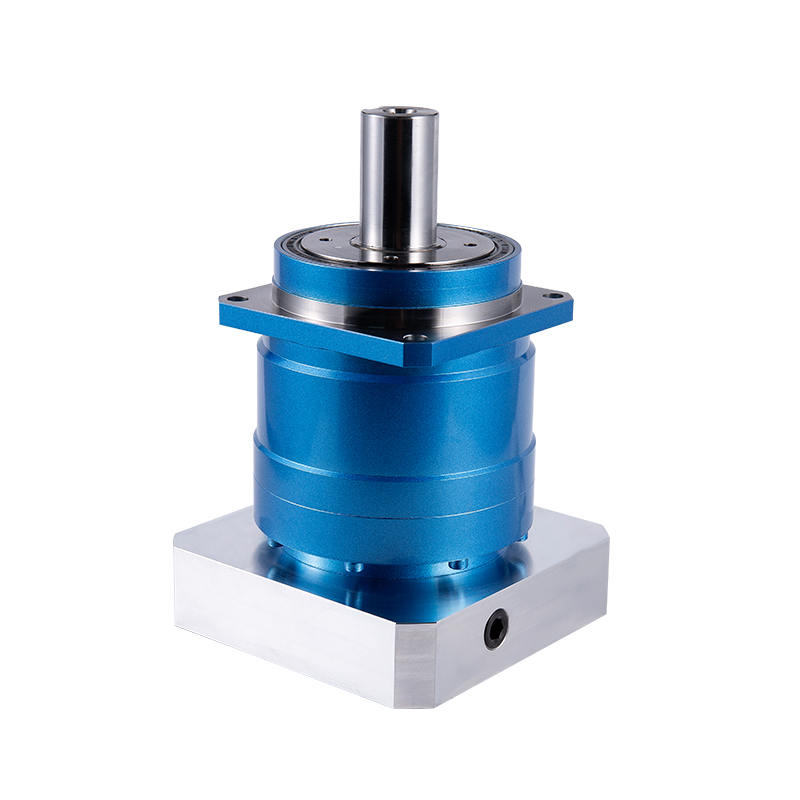
Planetary reducers occupy an important position in the field of industrial automation. The high-prec...
See Details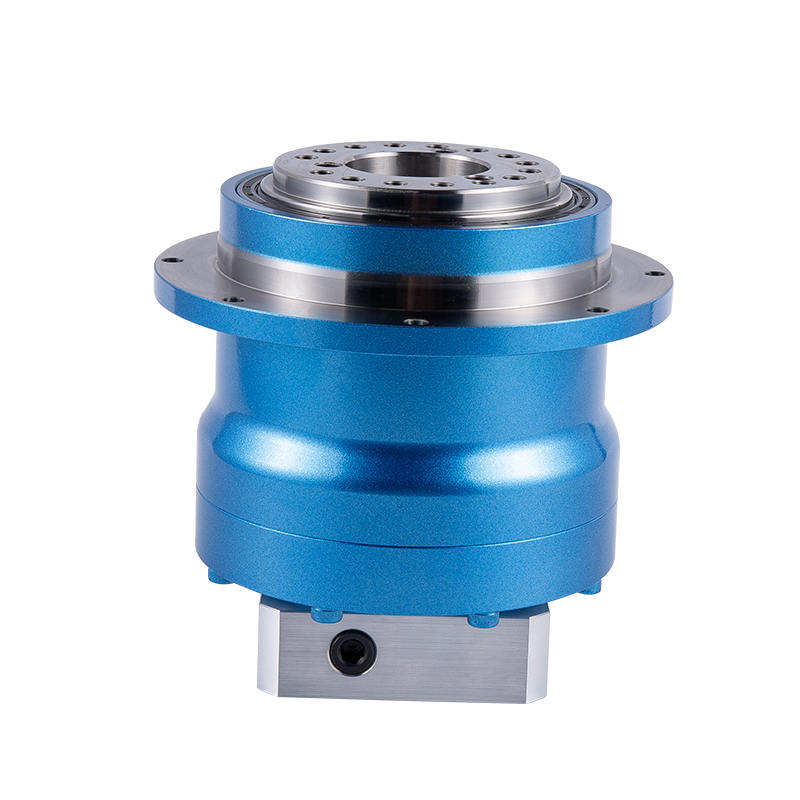
With its high-precision characteristics, the planetary reducer successfully controls the backlash wi...
See Details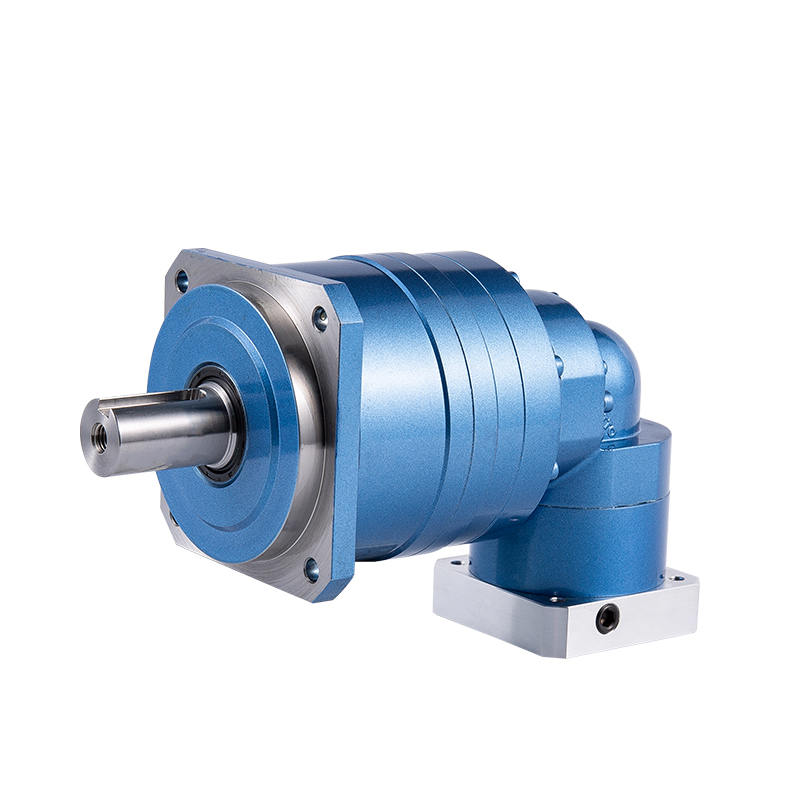
The planetary reducer adopts a helical gear design, which enables smooth and quiet operation and pro...
See Details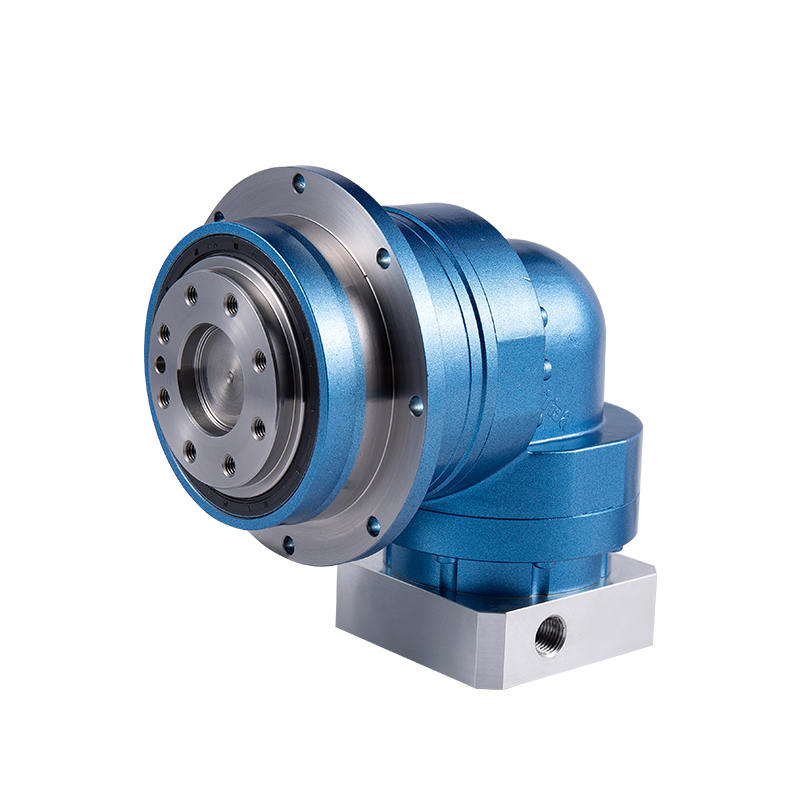
Features of planetary reducer1. High precision: the standard backlash is 4 arc minutes, which is ver...
See Details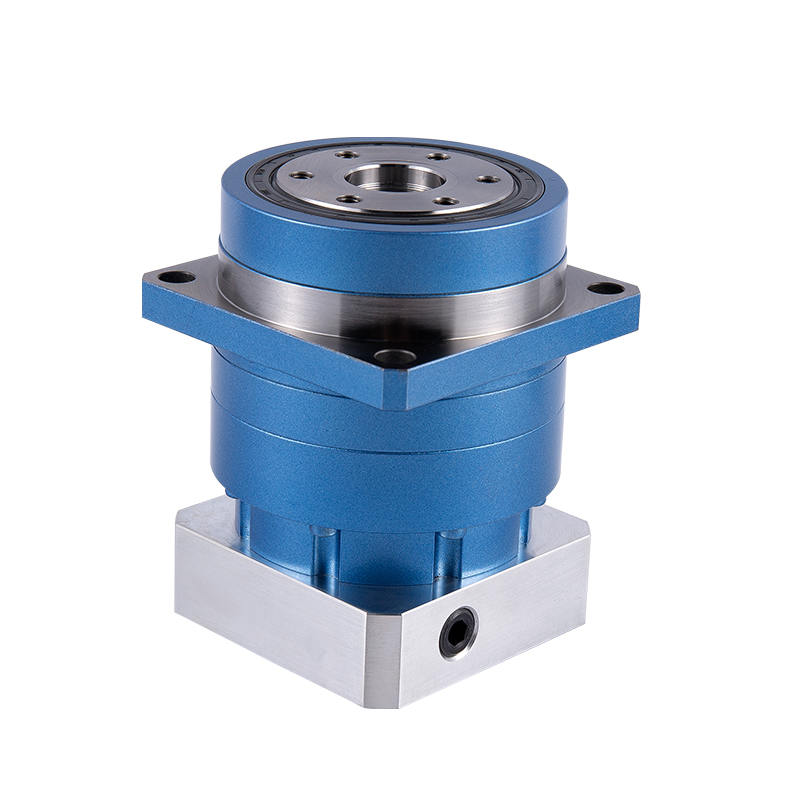
Features of planetary reducer1. Quiet: Use helical gears to achieve smooth and quiet operation;2. Hi...
See Details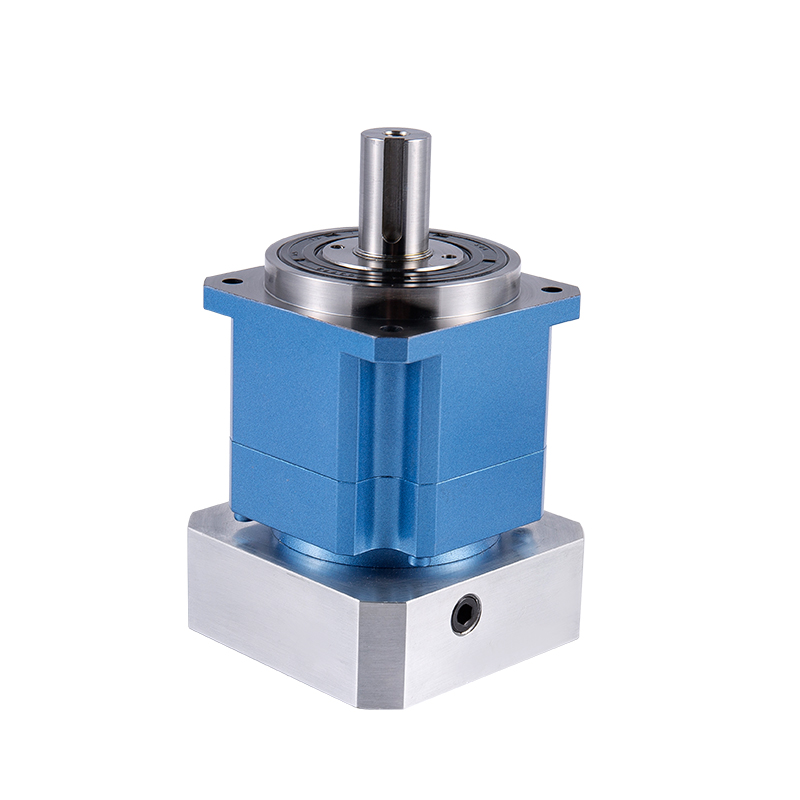
1. NBR series planetary reducer adopts spiral bevel gear design, with high rated output torque, more...
See Details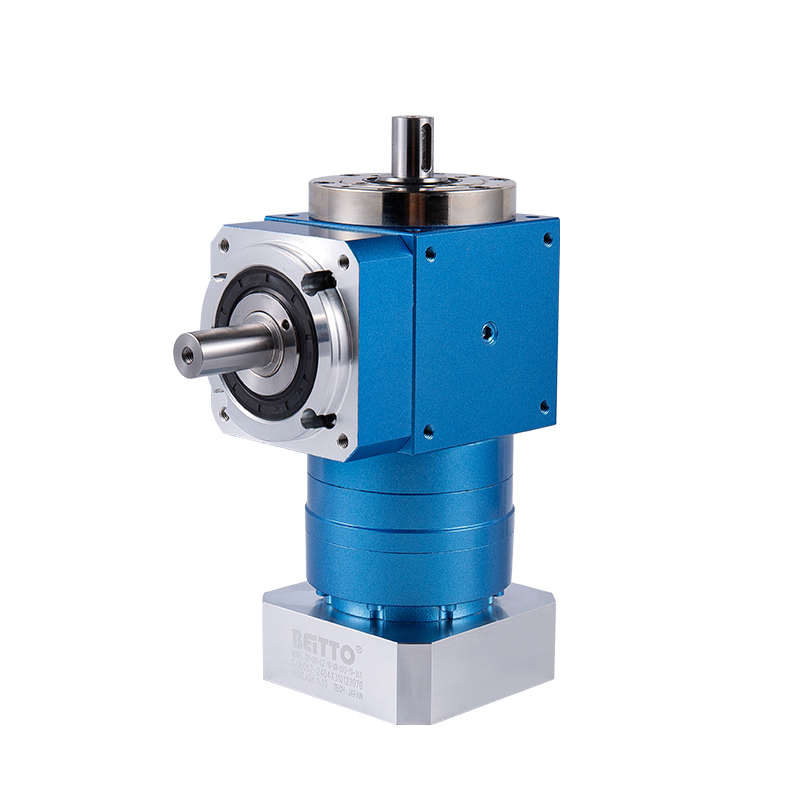
● Various output shaft options● High torque● High efficiency● Long service life● Low backlash● Maint...
See Details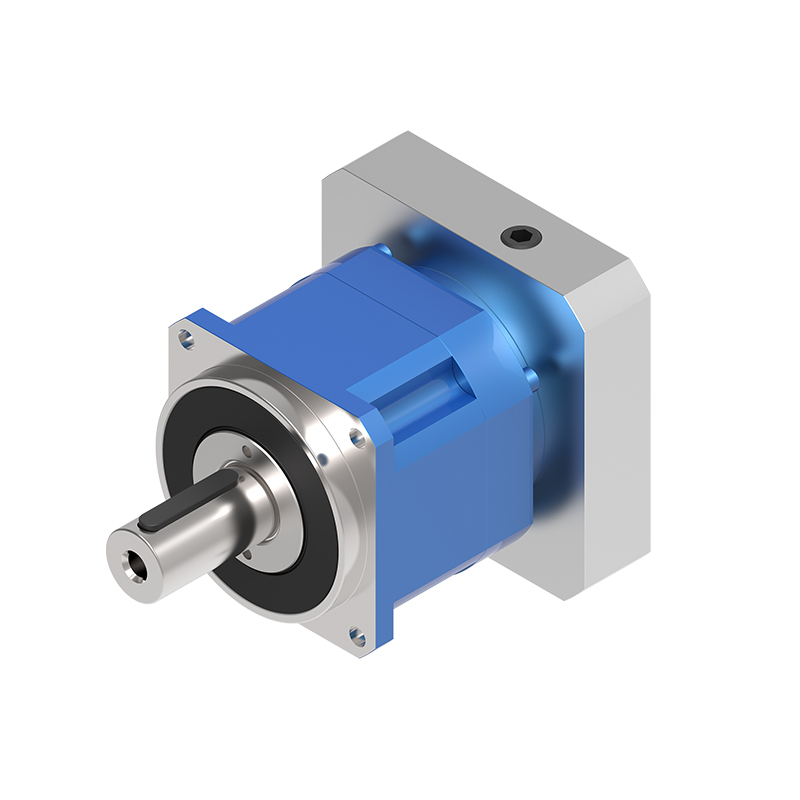
1. Helical gear designThe speed reduction mechanism adopts a helical gear design, and its tooth mesh...
See Details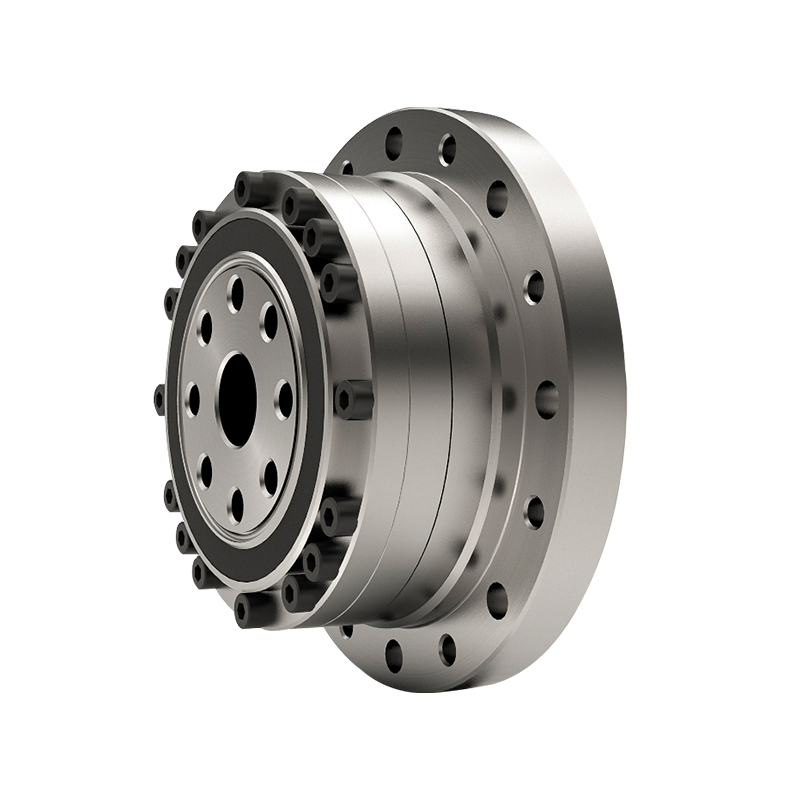
The BCSG series Flexible gear reducer is designed to be light and simple, which not only effectively...
See Details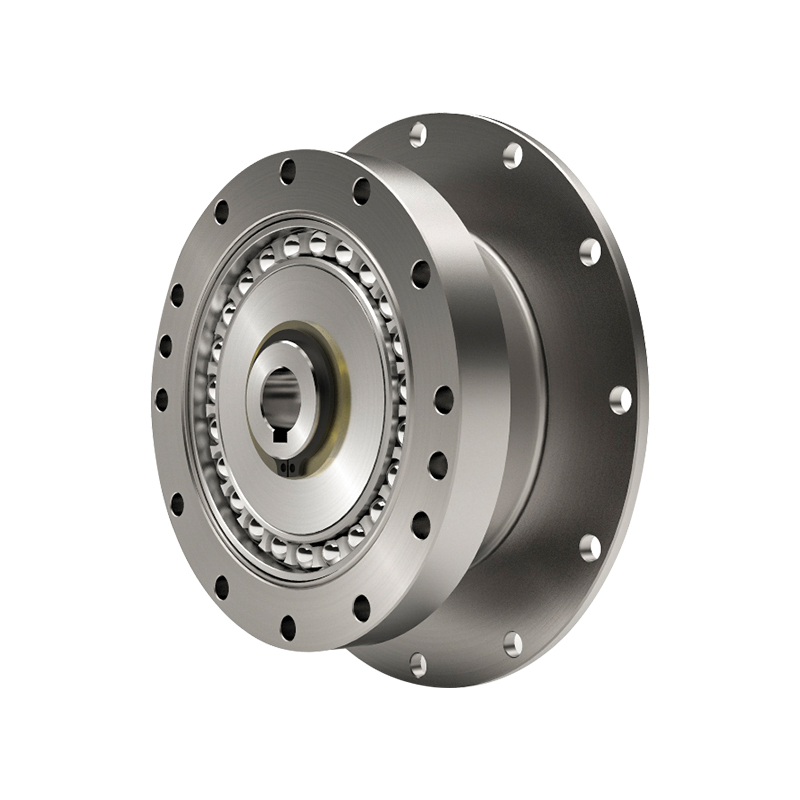
BSHF series Flexible gear reducer adopts a large-diameter hollow shaft design with a compact structu...
See Details

