 EN




 English
 русский
 日本語
 Español
Low Backlash High Precision Torque AHB Planetary Gearbox Reducer
Cat:Planetary Reducer
Features of planetary reducer 1. Quiet: Use helical gears to achieve smooth and quiet operation;2. H...
See DetailsYour servo axis has a known payload of 480 Nm and a dwell cycle that peaks at 40 Nm above nominal for three seconds. Three reducer series are on the table: the AHB standard, the AHL heavy-duty, and the ABR right-angle. The right choice is determined by torque margin, torsional backlash, and mounting geometry, not by brand preference. Here is how to select the right planetary gearbox series from the BEITTO catalog by matching the load profile and frame constraints to the correct series.
A reducer that is undersized on torque fails slowly through tooth wear. One that is oversized adds cost without improving machine accuracy. The selection logic that BEITTO application engineers use when comparing these three planetary gearbox series is simple: first define the load, then define the geometry, then match the series to the tighter constraint.
Planetary gearbox definition
A planetary gearbox is a speed-reducing drivetrain that transmits torque through a sun gear, multiple planet gears, and a ring gear packed into a compact cylindrical housing. Its high power density makes it the standard choice for servo-driven industrial axes.
Content
The three series solve different problems. AHB is the standard inline planetary reducer for automation equipment. AHL is the heavy-duty helical option for continuous high-load operation. ABR is the right-angle series for machines where the servo motor cannot sit parallel to the output shaft. Once you know which of these three constraints dominates your application, the decision becomes much clearer.
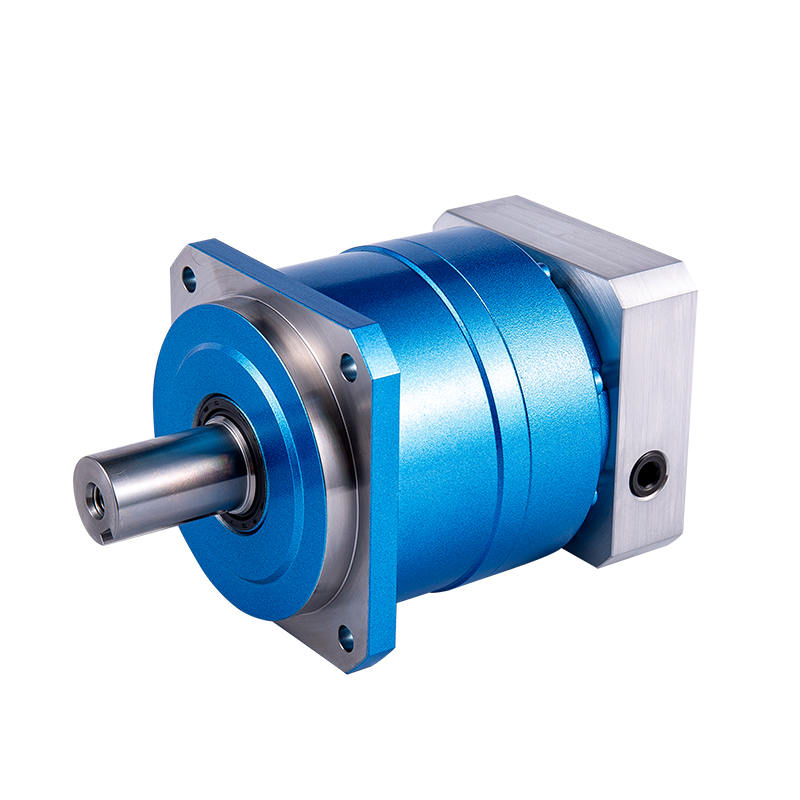 AHB Standard Inline Planetary Reducer for AutomationThe AHB series is a baseline planetary gearbox for automation with helical gears, backlash under 3 arcminutes, and integral roller bearings. It suits pick-and-place, assembly, and packaging equipment, balancing cost and performance.View Product →
AHB is the baseline. It is built for pick-and-place stations, assembly lines, packaging machinery, and similar automation equipment where the cycle is short and the load is moderate. The series delivers consistent positioning with a backlash range that suits most servo-driven axes. It is the most widely used series in the BEITTO catalog because it balances cost with performance.
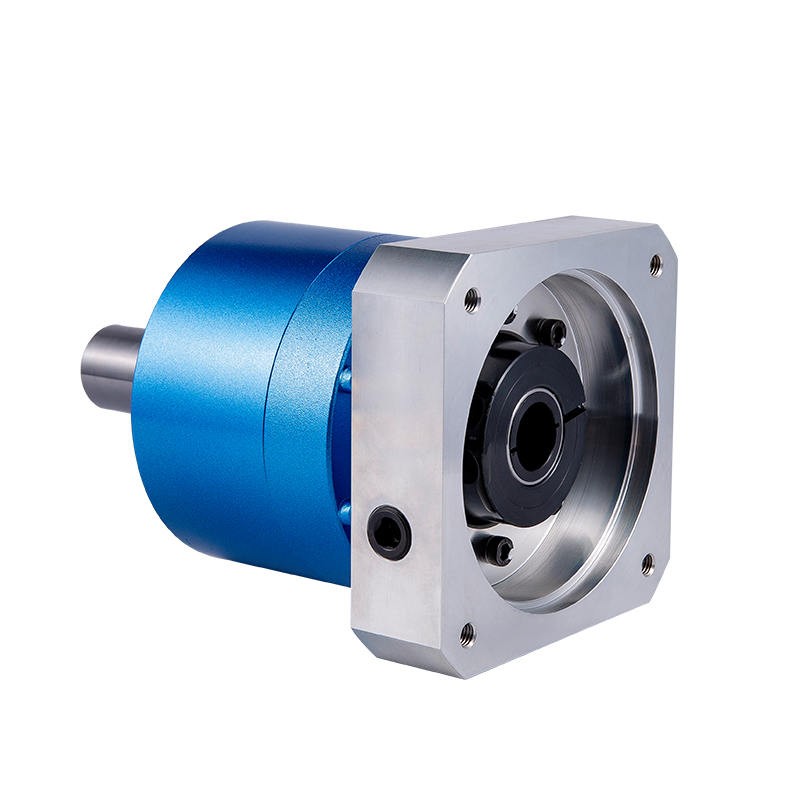 AHL Heavy-Duty Helical Planetary Reducer for Continuous LoadThe AHL series uses helical gears for higher contact ratio, providing torsional stiffness and stability. It is designed for continuous operation with heavy indexing or shock loads, maintaining backlash and efficiency over years.View Product →
The AHL series uses helical gears instead of a standard spur profile. This increases the contact ratio between teeth, which spreads the transmitted force over a larger area. The result is higher torsional stiffness and better stability over long operating shifts. When a machine runs continuously with heavy indexing or shock loads, the AHL series is the option that can maintain its backlash and efficiency over years.
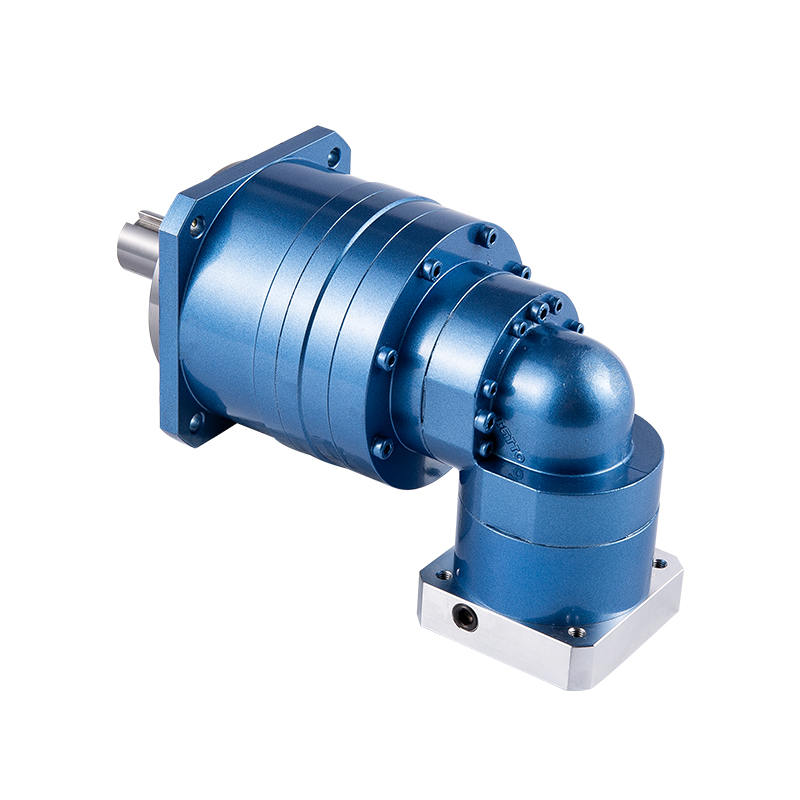 ABR Right-Angle Planetary Reducer for Space-Constrained MountingThe ABR series is a right-angle planetary reducer with a bevel gear stage, allowing motor to sit alongside the machine frame. It reduces the overall envelope, ideal for gantry or palletizer applications where inline units protrude.View Product →
The ABR series is the right-angle option. The output shaft is perpendicular to the motor input. This allows the motor to be tucked alongside the machine frame, reducing the overall envelope. In a gantry or palletizer, an inline reducer would force the motor to protrude into the working envelope. The ABR series solves that geometry problem with a bevel gear stage.
| Specification | AHB Standard | AHL Heavy-Duty | ABR Right-Angle |
| Gear profile | Spur or helical | Helical | Helical bevel |
| Backlash range | 8-15 arcmin | 5-10 arcmin | 15-30 arcmin |
| Torque range | 25-200 Nm | 80-500 Nm | 30-250 Nm |
| Mounting orientation | Inline | Inline | Right-angle 90 degrees |
| Typical duty cycle | Intermittent | Continuous | Intermittent to moderate |
If the peak torque reaches more than 1.5 times the continuous rated torque of the AHB series, select the AHL heavy-duty series instead. This is the first rule of thumb. The helical gear design in the AHL series increases the load-sharing ratio, so each tooth carries less force. That is what allows the reducer to sustain continuous operation without accelerated wear.
In the AHB series, the tooth profile is simpler. The contact ratio is lower, and the load per tooth is higher. This is acceptable for intermittent cycles: pick-and-place, clamping, short indexing moves. But a device that runs eight hours per day with repetitive loading at the upper end of the torque band will generate heat, then wear, then backlash. The characteristics of the load always determine how the reducer behaves over time.
An AHL series reducer can be sized lower on the torque scale than an AHB series for the same duty cycle. The practical impact is that you can shrink the reducer size while maintaining the same service life. This saves space and reduces the cost of the machine frame, which is often the real bottleneck in a design review.
Another factor is the speed window. In the medium speed range, a helical tooth reducer keeps a flatter efficiency curve than a spur tooth unit. If your axis runs in the 2000-4000 rpm input range, the AHL series will hold its mechanical efficiency better, which translates into lower energy consumption per shift.
If the servo motor must be perpendicular to the output shaft, the ABR right-angle series is the only option among these three. This is a geometry constraint, not a performance preference. Right-angle applications in high-load environments demand a bevel gear stage that can handle the same torque as an inline unit.
Relative load capacity based on the rated torque band of each series compared with the peak requirement.
The critical trade-off is the bevel gear stage inside ABR. It adds backlash compared with an inline helical series. If the application needs the tightest possible positioning repeatability, ABR is not the first choice. But if the reducer is part of a feeding axis, a rotary table, or a low-speed positioning mechanism where frame size matters more than sub-arc-minute precision, ABR solves a packaging problem that no inline reducer can.
The bevel gear stage also changes how you mount the reducer. A right-angle unit usually bolts directly to a frame with the motor facing sideways. This is common in palletizers, sorting systems, and multi-axis gantries where the vertical axis is driven from the side to keep the working envelope clear.
You can narrow the choice in five steps, starting from the peak torque and ending with a verification of backlash.
The most common mistake is to select a series based on the average torque instead of the peak torque. Always specify using the peak value found at startup or during an emergency stop.
The AHB series uses a standard gear profile and is suited to intermittent automation cycles with moderate loads. The AHL series uses helical gears, which increase the contact ratio, lower tooth stress, and improve long-term stability for continuous heavy-load operation.
Yes, but with a caveat. The bevel gear stage introduces more backlash than an inline helical series. For a positioning tolerance above roughly half a degree, the ABR series can be acceptable. For sub-arc-minute repeatability, an inline AHB or AHL series is a better fit.
An undersized reducer develops increased backlash, higher operating temperature, and eventually tooth pitting or breakage. The machine loses positioning accuracy over time, and the reducer often fails at the most inconvenient point in the production cycle.
No. A larger reducer than necessary adds weight, inertia, and cost. It also reduces the dynamic response of the axis. The correct approach is to match the series to the peak torque with a 1.5x safety factor and confirm the backlash requirement.
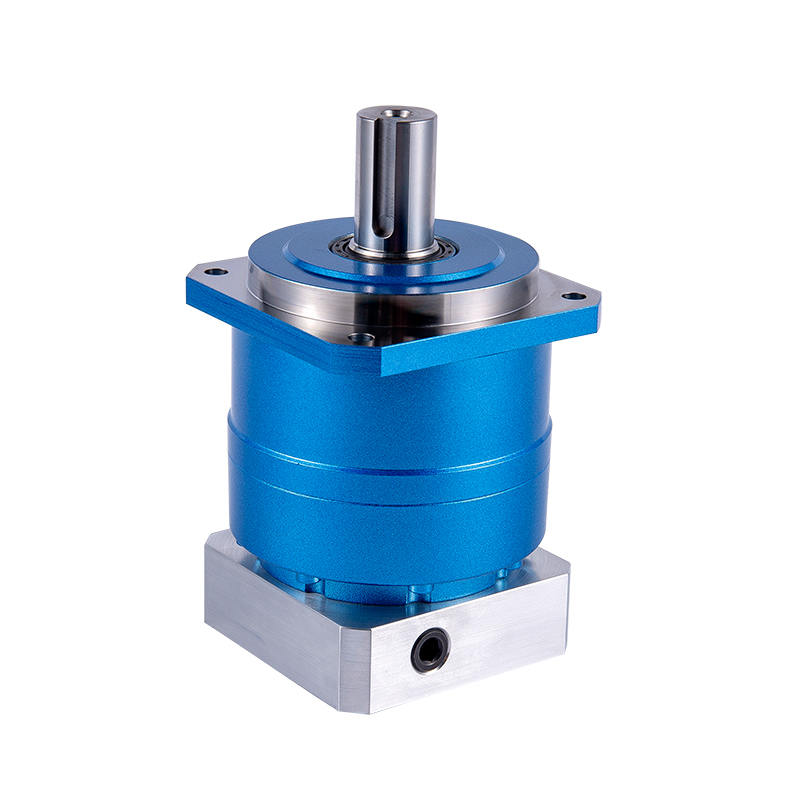
Features of planetary reducer 1. Quiet: Use helical gears to achieve smooth and quiet operation;2. H...
See Details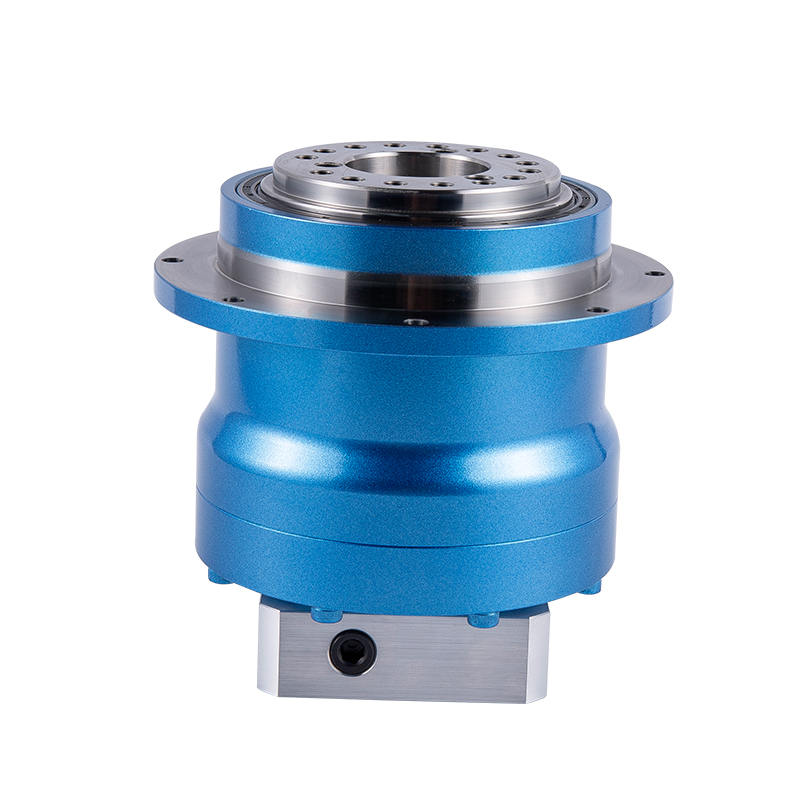
With its high-precision characteristics, the planetary reducer successfully controls the backlash wi...
See Details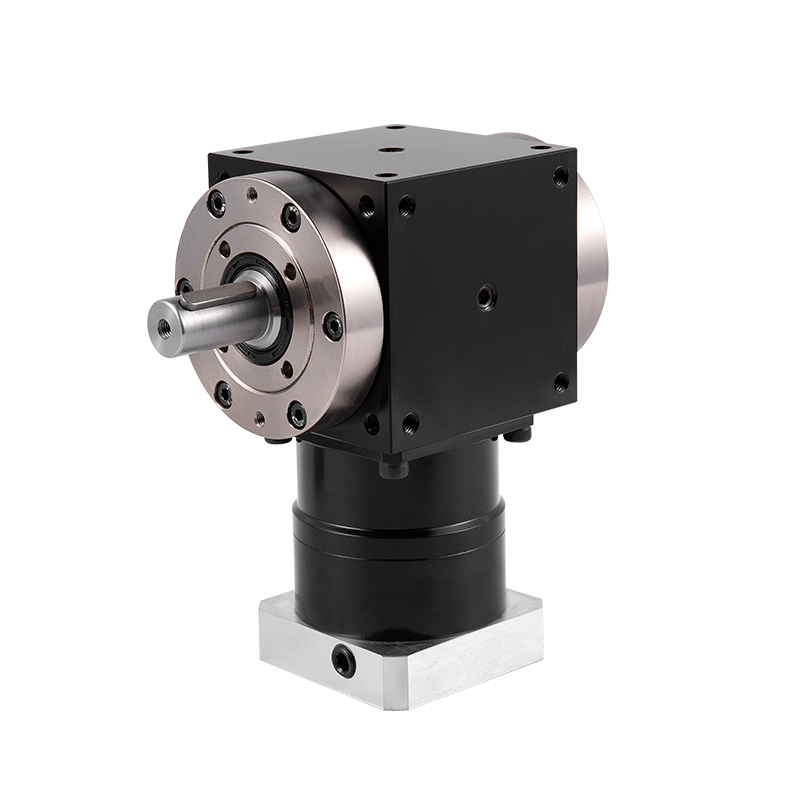
The TD-P series reducer has shown unique advantages in the field of industrial transmission with its...
See Details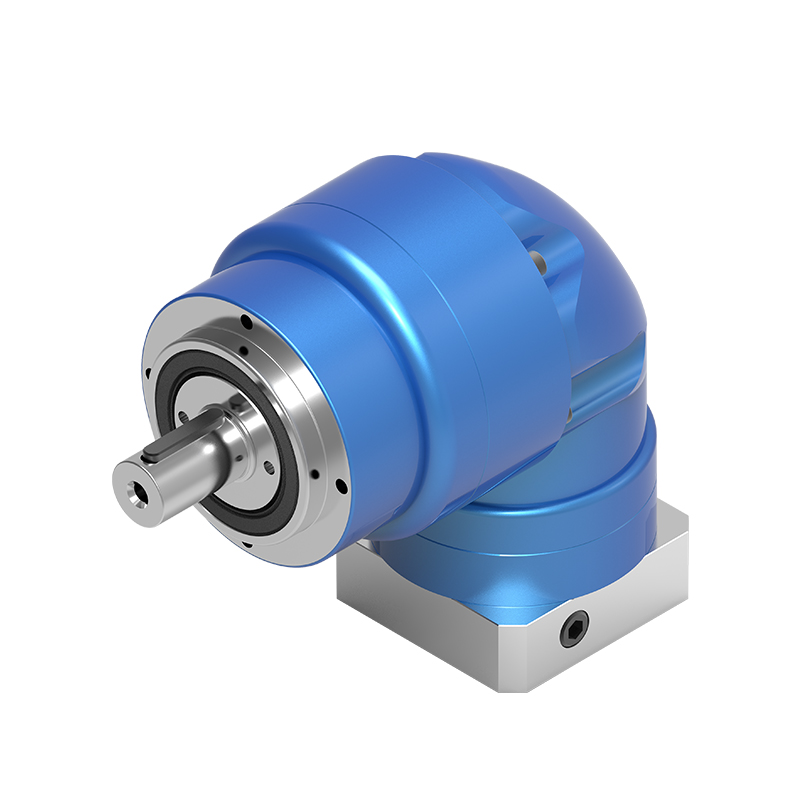
The NLR series planetary reducer adopts a spiral bevel gear design, which allows high-speed input of...
See Details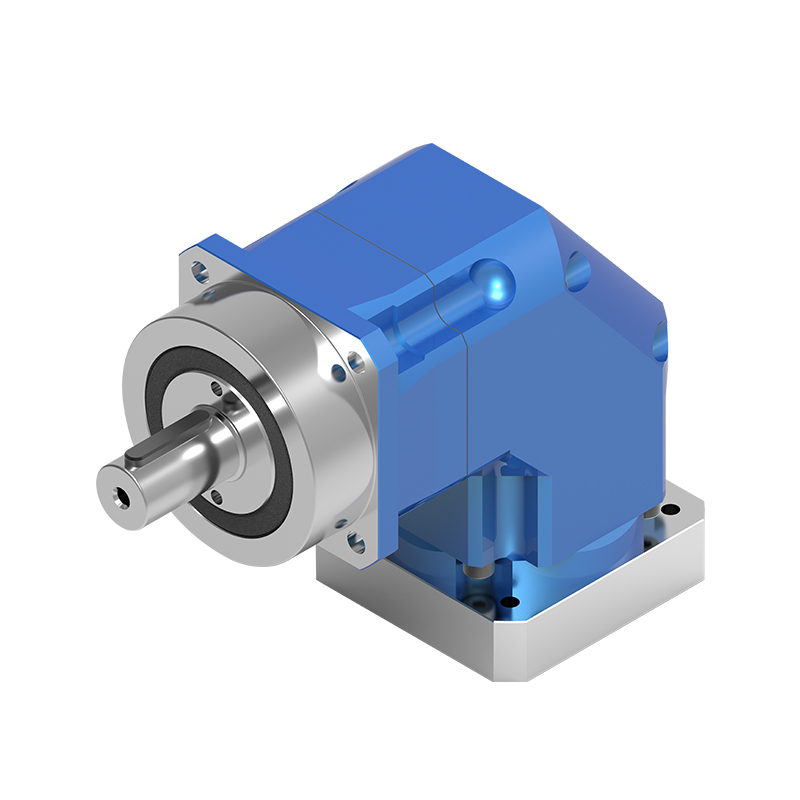
The NSR series planetary reducer adopts a spiral bevel gear design. This innovation not only makes t...
See Details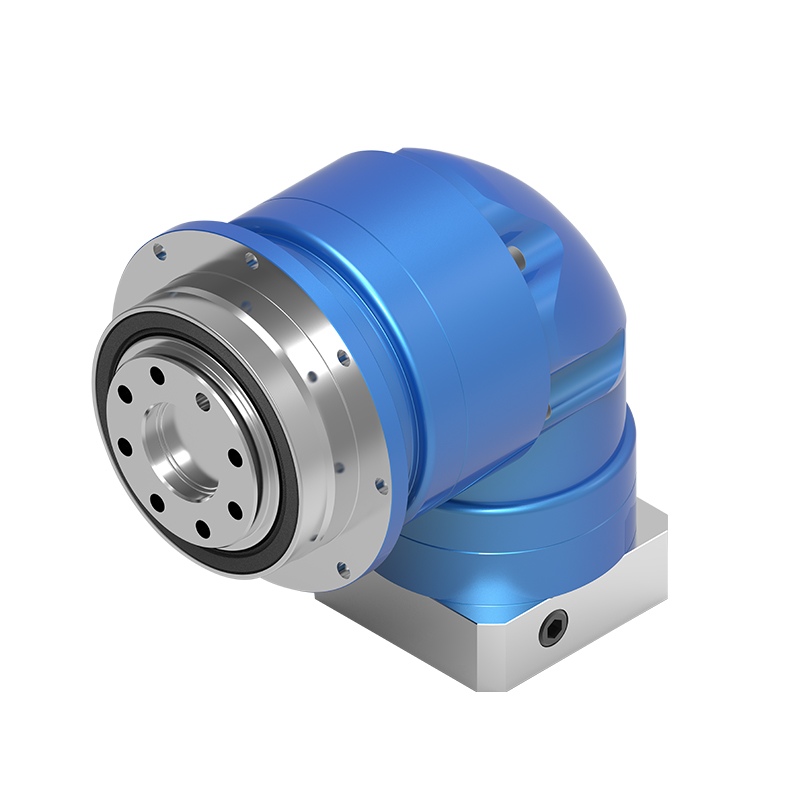
NTR series planetary reducer adopts spiral bevel gear design, which allows high-speed input of servo...
See Details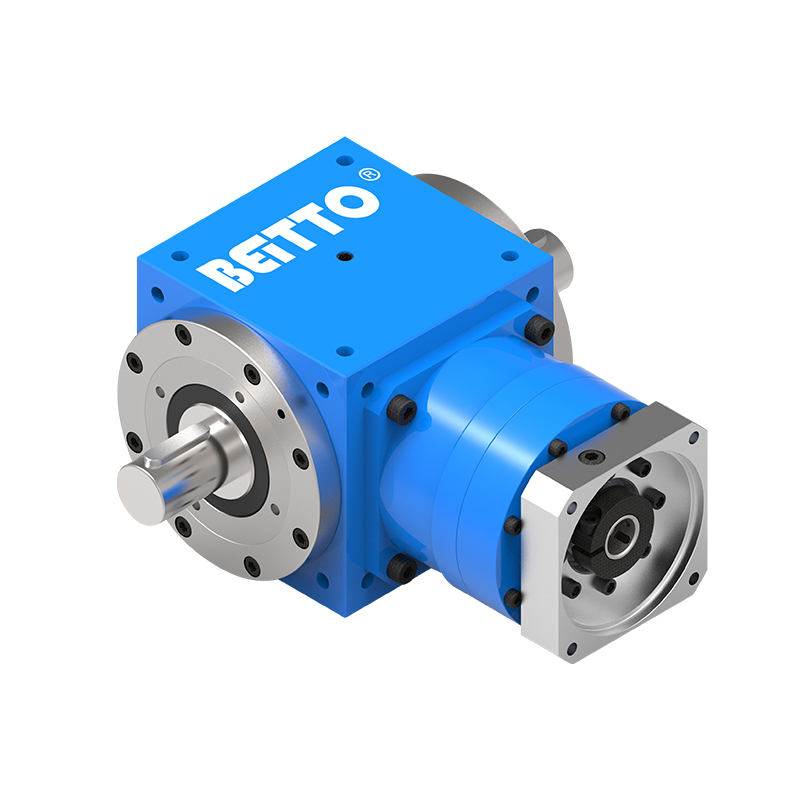
In order to meet the needs of different working conditions, the TD-2P series reducer provides a vari...
See Details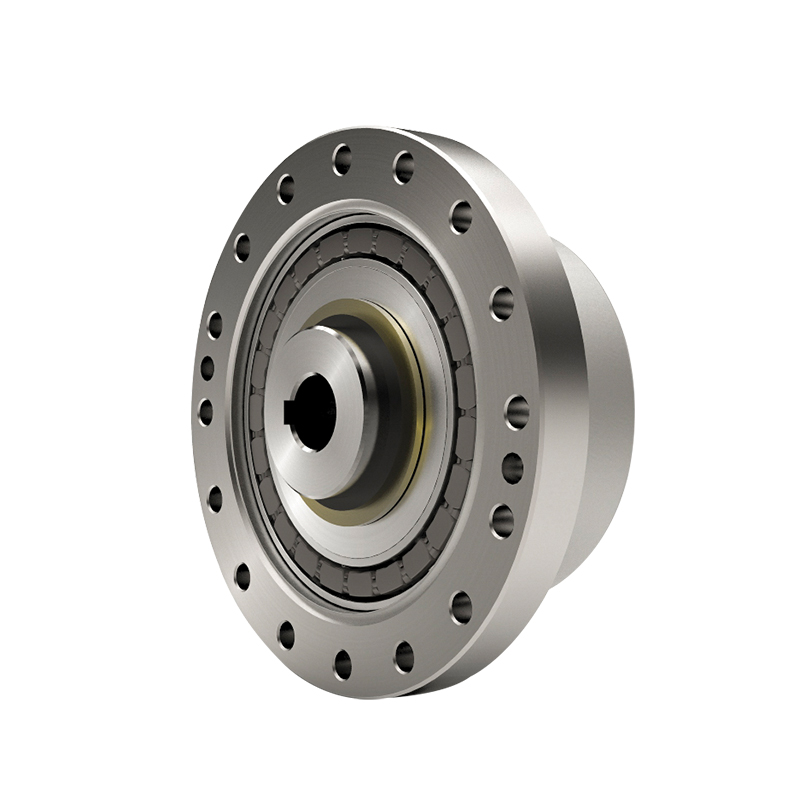
The BCSF series Flexible gear reducer pursues the ultimate lightness and simplicity in design, which...
See Details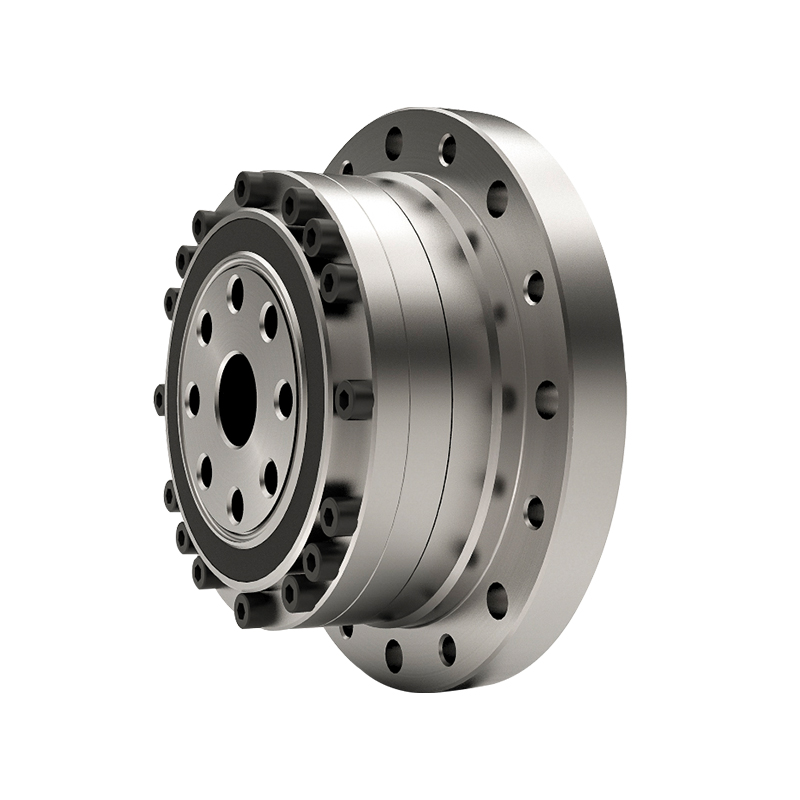
The BCSG series Flexible gear reducer is designed to be light and simple, which not only effectively...
See Details
BSHF series Flexible gear reducer adopts a large-diameter hollow shaft design with a compact structu...
See Details

