 EN




 English
 русский
 日本語
 Español
Low Backlash High Precision Torque AHB Planetary Gearbox Reducer
Cat:Planetary Reducer
Features of planetary reducer 1. Quiet: Use helical gears to achieve smooth and quiet operation;2. H...
See DetailsAn indexing rotary table that must hold 3,000 Nm at 20 rpm output is exactly where the strain wave gear vs planetary gear reducer decision stops being academic. Motor size, bearings and the next decade of electricity bills all change with that choice. For most low-speed high-torque industrial applications, a planetary reducer delivers more torque per euro and runs measurably cooler, while a strain wave gear earns its place when zero backlash or a single-stage high ratio is a hard requirement. At the same frame size, expect the planetary unit to carry two to three times the continuous torque of a strain wave unit.
Content
A planetary reducer multiplies torque through rigid gear teeth shared across multiple planet gears, while a strain wave gear reaches a high ratio through elastic deformation of a thin-walled flexspline. Both can turn a 3,000 rpm servo into a 20 rpm output, but the mechanical compromises differ sharply.
In a planetary reducer, a sun gear drives three to six planet gears inside a fixed ring gear; a single stage gives 3:1 to 10:1, so 100:1 means two or three stages. In a strain wave gear, a wave generator deflects a flexspline with fewer teeth than the rigid circular spline, keeping mesh at two points and stepping output down by 50:1 to 160:1 in one pass.
The single-stage ratio advantage is real, but continuous bending of the flexspline creates the topology's limits in torque and fatigue life. The differences are summarized below.
| Parameter | Planetary Reducer | Strain Wave Gear |
| Ratio per stage | 3:1 to 10:1 | 50:1 to 160:1 |
| Stages for 100:1 | 2 to 3 | 1 |
| Load sharing | 3 to 6 planet gears | 2 meshing zones on flexspline |
| Backlash | 3 to 10 arcmin | Zero (nominal) |
| Efficiency at 20 rpm | 84 to 94% | 63 to 78% |
When the zero-backlash single-stage profile is the deciding factor, the BSHF series flexible gear reducer is the family that BEITTO (ZHEJIANG BEITTO TRANSMISSION TECHNOLOGY CO., LTD.) builds for precision axes of this type.
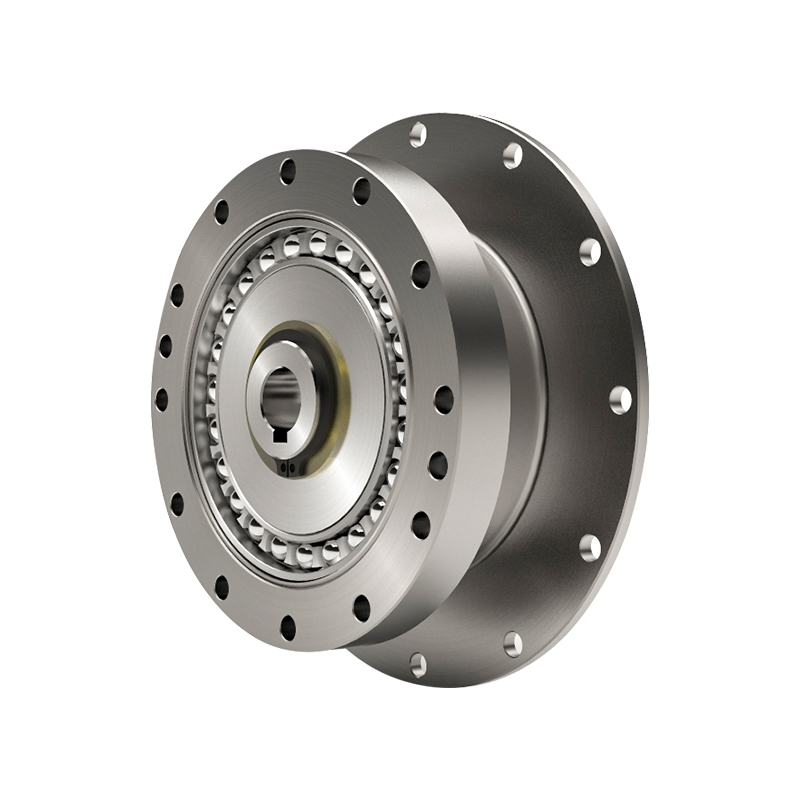 BSHF Series Flexible Gear Reducer for Zero-Backlash Precision AxesWhen zero-backlash single-stage performance is essential, the BSHF flexible gear reducer offers a compact, lightweight design with a large hollow shaft and high torque, making it a key choice for precision positioning axes.View Product →
At the same frame size, a planetary reducer typically carries two to three times the continuous torque rating of a strain wave gear, because flexspline fatigue life governs the strain wave limit. This is the single most important selection fact for low-speed high-torque machines.
Every output rotation of a strain wave gear bends the flexspline twice. That elastic deflection is a stress cycle, not a wear event, and the rated torque is set by the flexspline's finite fatigue life. A planetary reducer avoids this constraint because its gears are rigid and the load is shared across the planet wheels. For continuous duty at 1,500 Nm and above, the planetary frame size is the economical answer.
Helical planet gears improve contact ratio and load distribution further, which is why the AHL series planetary reducer is the frame many BEITTO customers specify for sustained low-speed torque.
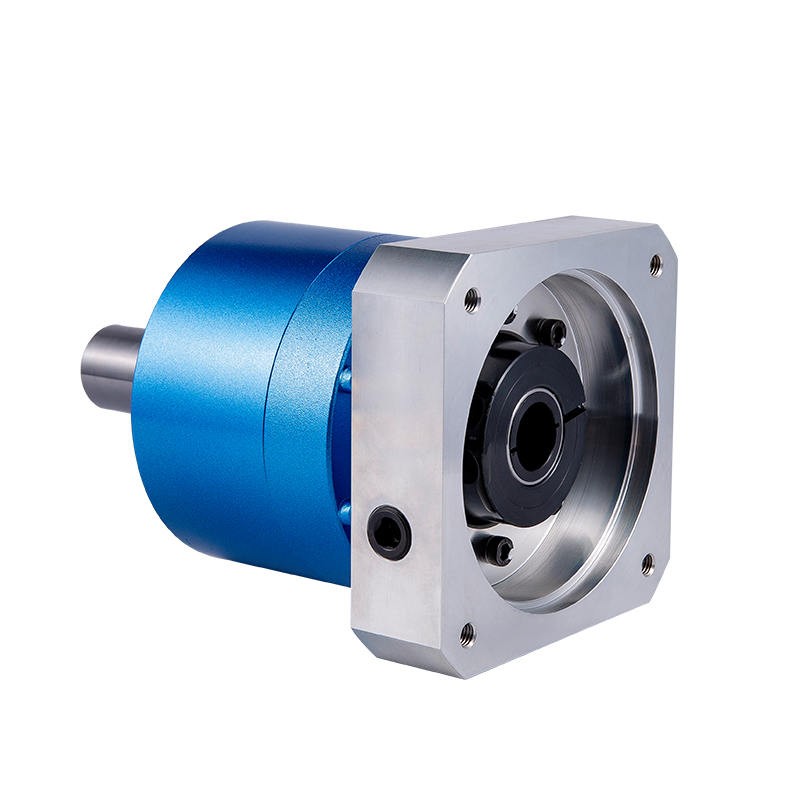 AHL Series Helical Planetary Reducer for Servo MotorsThe AHL series planetary reducer features helical gears that enhance contact ratio and load distribution, along with integral ball bearings for rigidity, making it a preferred frame for continuous low-speed torque in servo applications.View Product →
A strain wave gear delivers true zero backlash, but its torsional stiffness is lower than a planetary reducer of comparable frame size, so zero backlash alone does not guarantee rigid positioning under load.
Zero backlash in a strain wave gear exists because preloaded elastic contact between flexspline and circular spline continuously removes clearance. The same elasticity lets the output wind up under torque: typical torsional stiffness is about one-third to one-half that of an equivalent planetary. A precision planetary with preloaded helical gears shows stronger stiffness and more stable position hold under direction changes, and moving from 10 arcmin to 3 arcmin is simply a grade option.
Choose a strain wave gear when
Single-stage ratio above 80 is mandatory, axial space is tight, positioning is essentially static with holding torque, and backlash must be zero by specification.
Choose a planetary reducer when
Reversing loads appear, torsional stiffness and dynamic rigidity dominate, the ratio can be spread over two stages, and the machine runs continuously at low speed.
For an indexing axis that alternates direction under 2,000 Nm, the planetary unit holds position better because it does not wind up as far before the load is taken.
At 20 rpm output and a ratio near 100:1, a planetary reducer reaches 84 to 94% efficiency while a strain wave gear delivers 63 to 78%, and the difference becomes waste heat inside the gearbox. Heat is the main driver of grease life, bearing wear and derating.
Losses in a multi-stage planetary come from gear sliding friction and bearing drag. Losses in a strain wave gear come from continuous elastic deformation of the flexspline plus wave generator friction, and they get worse as output speed drops. At 3,000 Nm output, the gap between 90% and 72% efficiency means roughly 800 W of extra heat in the strain wave unit.
Typical efficiency ranges at 20 rpm output speed. Higher is better.
The same gap changes the thermal design: a strain wave drive often forces a larger frame or external cooling, while a planetary stays within the standard catalog envelope.
Start the selection with continuous torque and duty cycle, then check ratio, precision, frame size and lifetime, in that order. This prevents a single zero-backlash specification from vetoing the more profitable topology.
Applying this framework to a strain wave gear vs planetary gear reducer decision usually resolves within the first three steps. The table below shows the direction for common industrial profiles.
| Application profile | Recommended topology | Main reason |
| Index table, 2,000+ Nm, 20 rpm, continuous | Planetary | Torque and heat |
| Precision optical stage, low torque | Strain wave gear | Zero backlash, compact |
| Robot joint, high ratio, space-limited | Strain wave or high-ratio planetary | Single-stage ratio versus cost |
| Conveyor, mixer, reversing load | Planetary | Stiffness and service life |
For automation lines that need a repeatable budget and short lead time, the AHB series planetary reducer is the variant most often matched to these criteria.
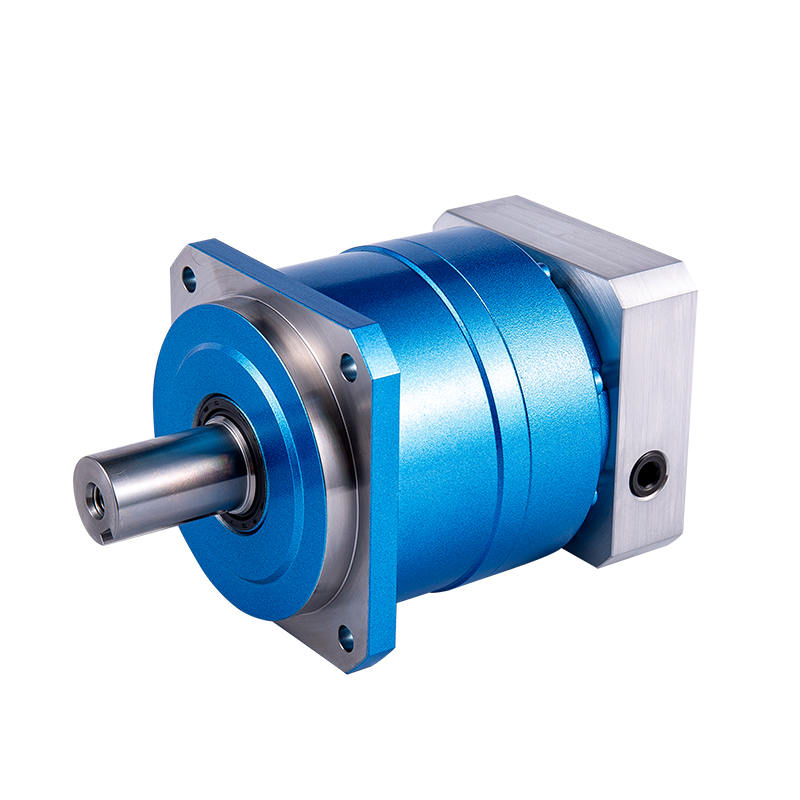 AHB Series Low-Backlash High-Precision Planetary ReducerThe AHB planetary reducer features helical gears for quiet operation, low backlash, and high rigidity from integral roller bearings, with maintenance-free grease, suiting automation lines that require budget predictability and short lead times.View Product →
Planetary reducers are cheaper to buy, easier to service and longer-lived in continuous low-speed duty, while a strain wave gear's overhaul interval is dictated by flexspline fatigue cycles rather than by wear alone.
A precision planetary typically runs 15,000 to 30,000 hours before a bearing or seal service is needed, and a broken gear set is rarely the failure mode. A strain wave gear must be serviced on flexspline fatigue: at 20 rpm output with a 1:100 ratio, the wave generator spins at 2,000 rpm, and each rotation bends the flexspline twice. Fatigue accumulates faster than intuition suggests, and replacing a flexspline set often costs a large fraction of the unit's original price.
A planetary reducer is better for continuous low-speed high-torque duty because it delivers two to three times the torque at the same frame size, runs at higher efficiency and costs less to maintain. Select a strain wave gear only when zero backlash and a single-stage high ratio are non-negotiable.
The flexspline that creates the reduction ratio is a thin-walled elastic component that bends twice per revolution of the wave generator, and its fatigue life sets the torque rating. A planetary reducer uses rigid gears sharing the load across multiple planet gears, so its torque limit is mechanical rather than fatigue-driven.
At output speeds between 10 and 50 rpm and a ratio near 100:1, a planetary reducer typically runs 15 to 20 percentage points higher in efficiency than a strain wave gear. The difference converts directly into heat and operating cost over thousands of hours.
Yes, for most industrial axes. High-precision planetary reducers reach backlash of 3 arcmin and below, and preloaded helical gearing provides higher torsional stiffness than a comparable strain wave unit. If the specification demands literally zero backlash in a tight axial envelope, the strain wave gear remains the correct choice.
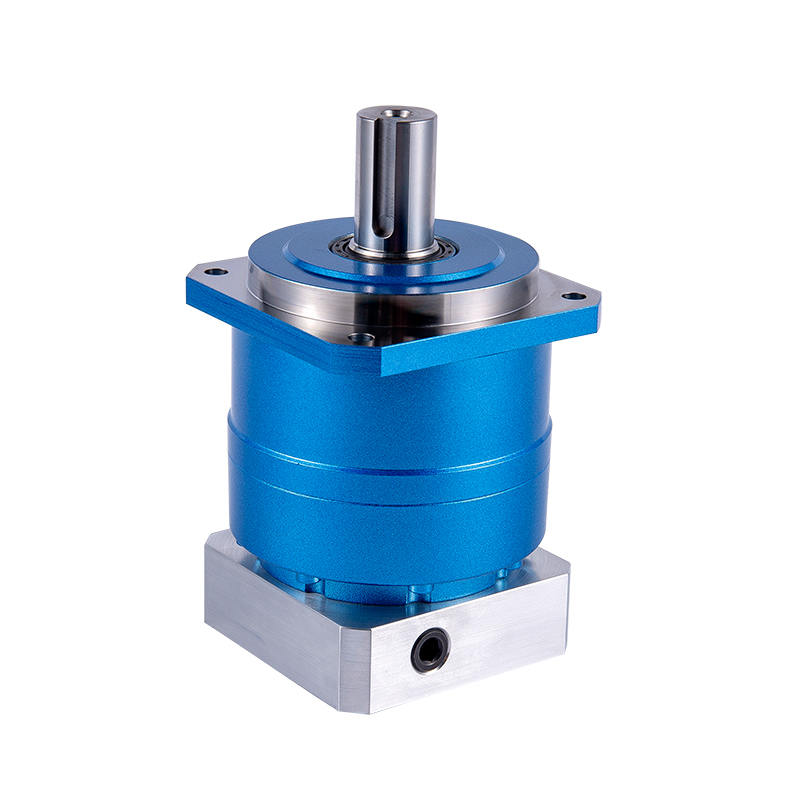
Features of planetary reducer 1. Quiet: Use helical gears to achieve smooth and quiet operation;2. H...
See Details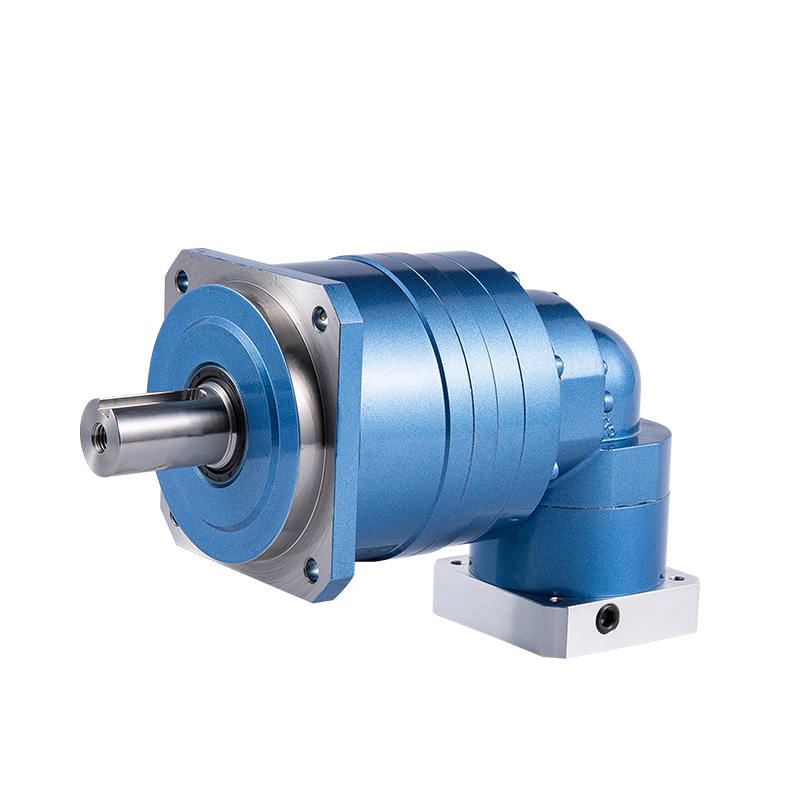
The planetary reducer adopts a helical gear design, which enables smooth and quiet operation and pro...
See Details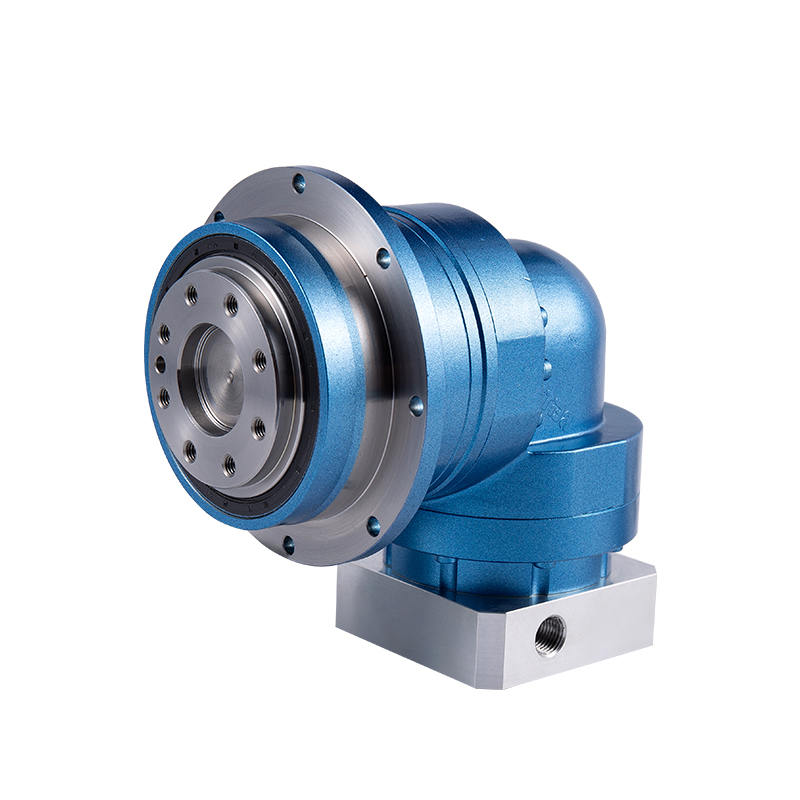
Features of planetary reducer1. High precision: the standard backlash is 4 arc minutes, which is ver...
See Details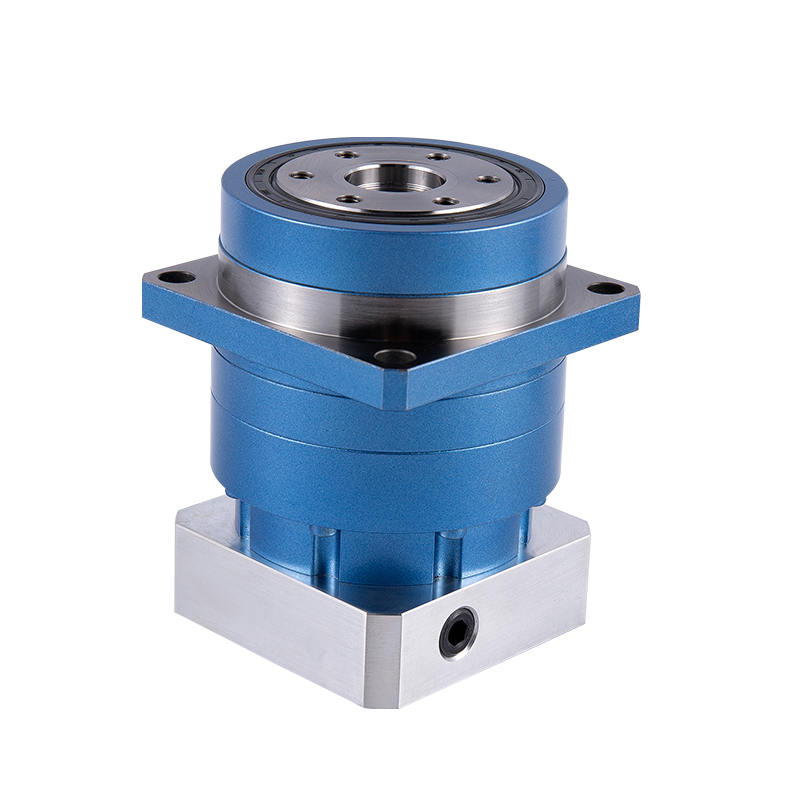
Features of planetary reducer1. Quiet: Use helical gears to achieve smooth and quiet operation;2. Hi...
See Details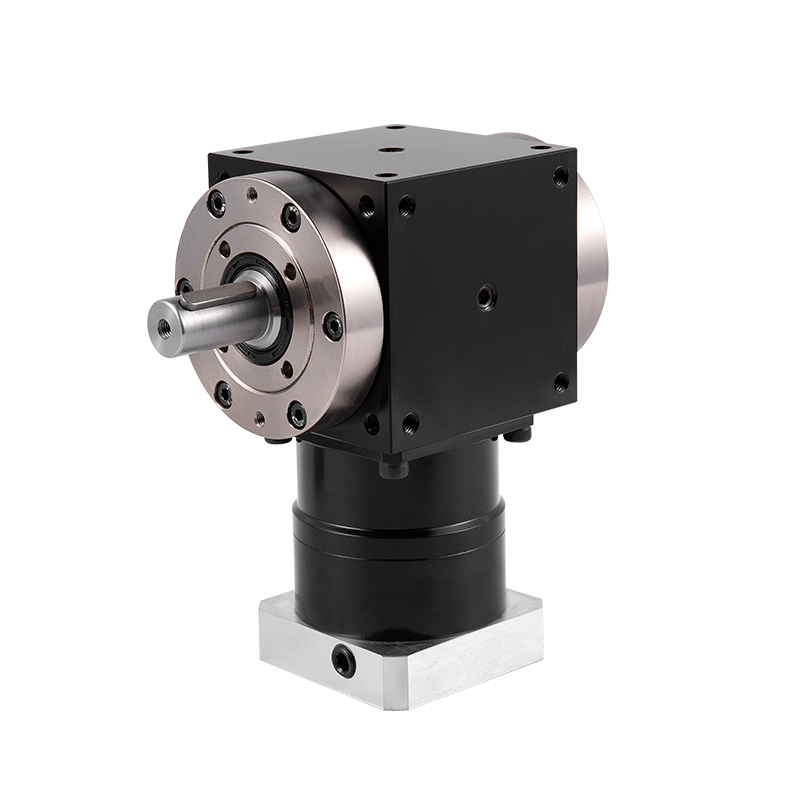
The TD-P series reducer has shown unique advantages in the field of industrial transmission with its...
See Details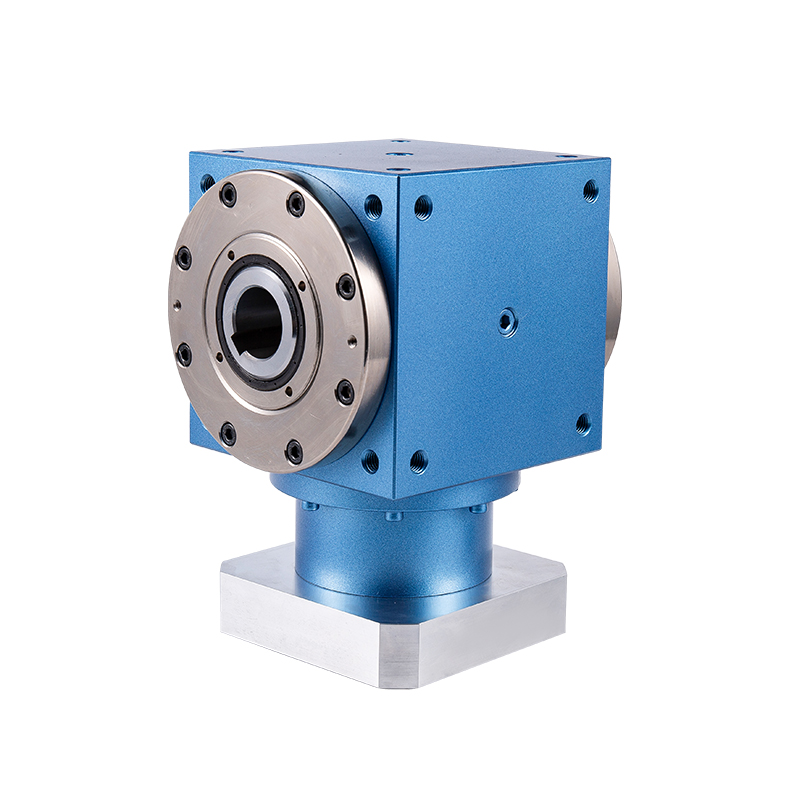
The TD-CR series reducer is centered on the design of hollow shaft output, which not only optimizes ...
See Details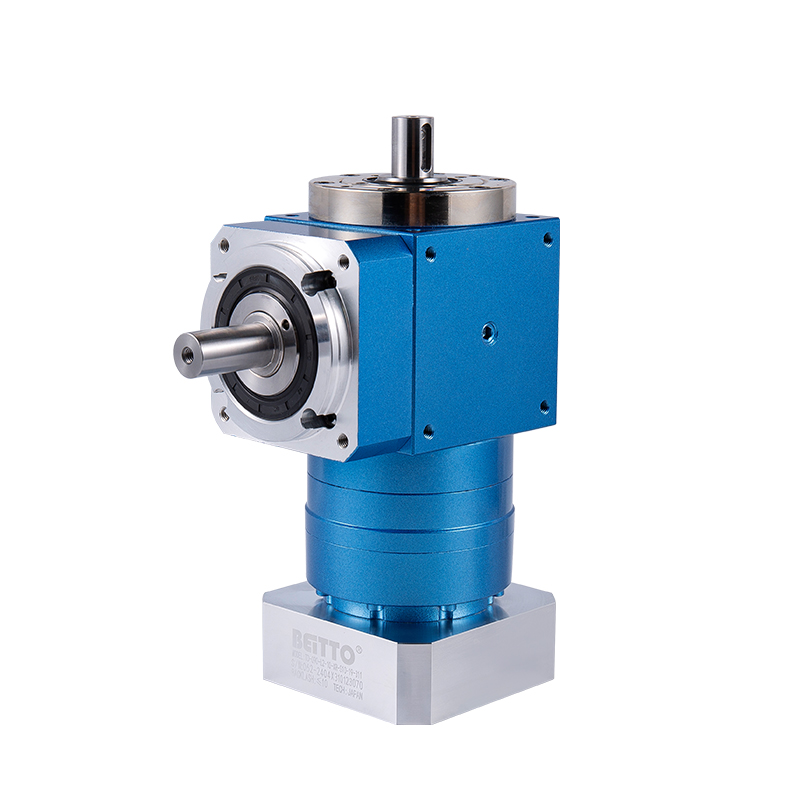
● Various output shaft options● High torque● High efficiency● Long service life● Low backlash● Maint...
See Details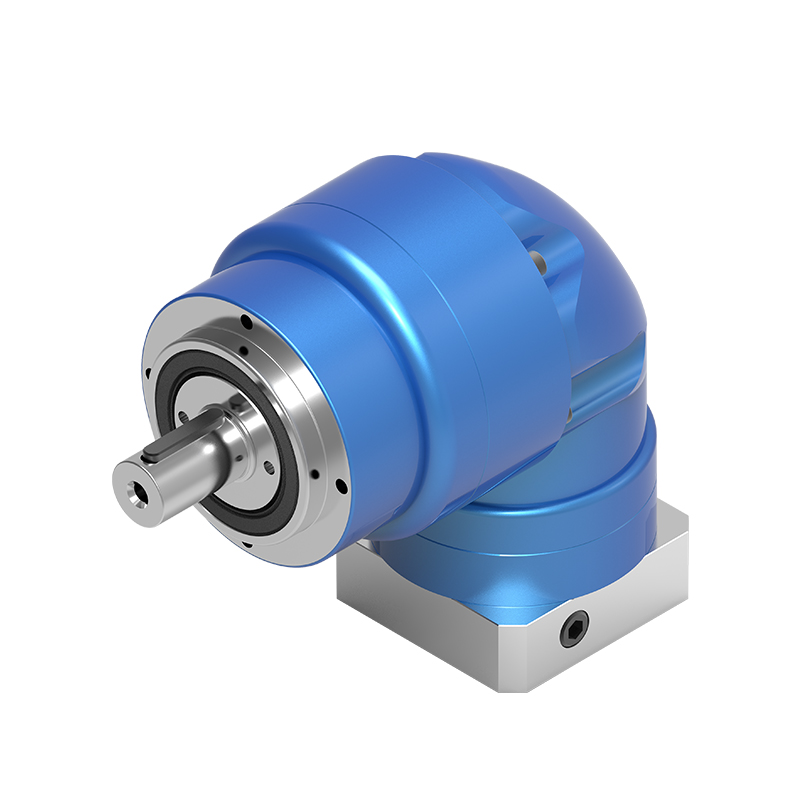
The NLR series planetary reducer adopts a spiral bevel gear design, which allows high-speed input of...
See Details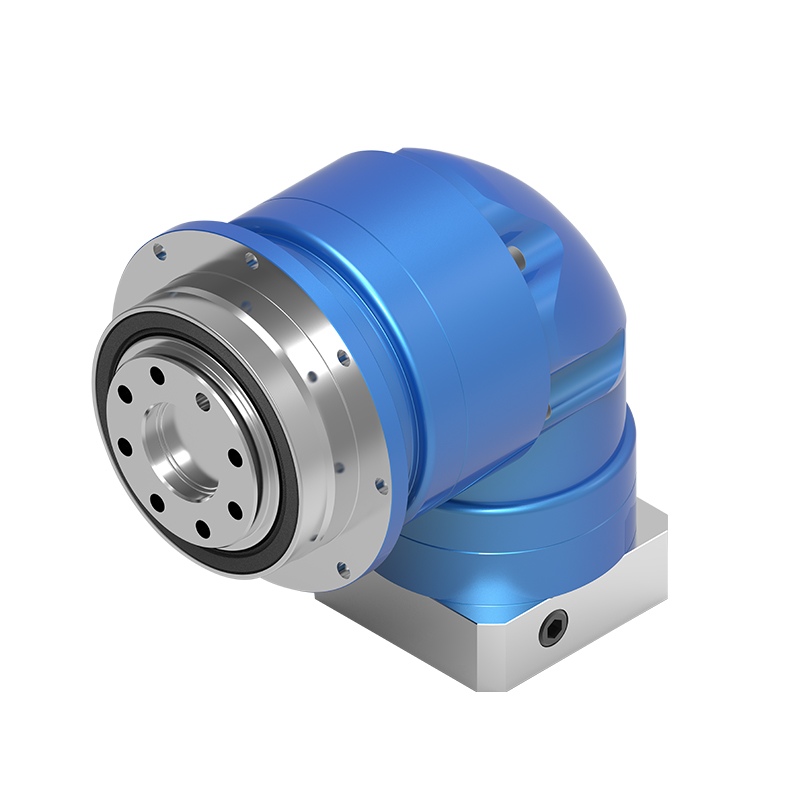
NTR series planetary reducer adopts spiral bevel gear design, which allows high-speed input of servo...
See Details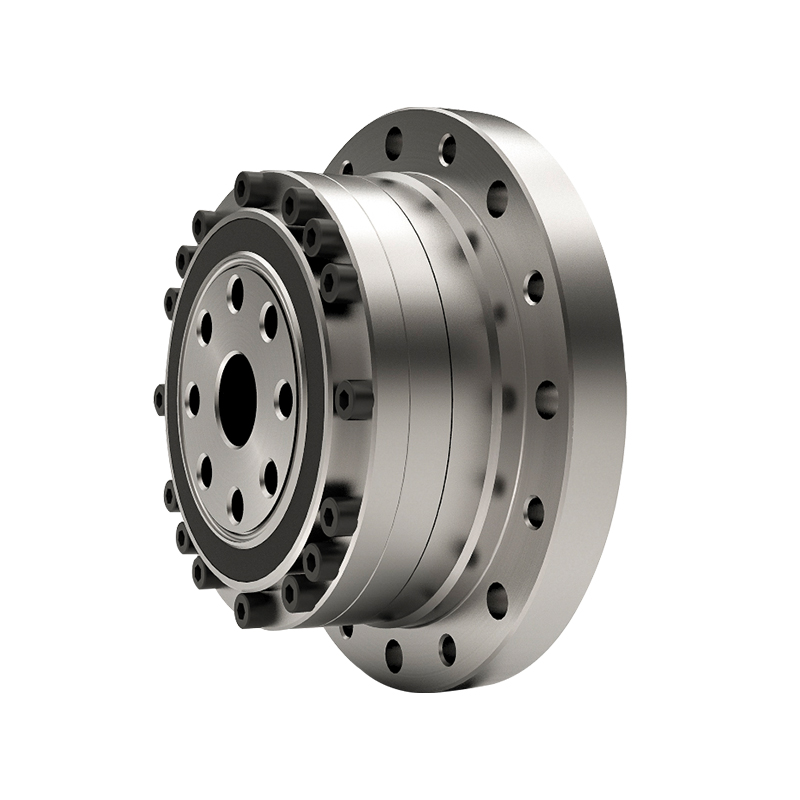
The BCSG series Flexible gear reducer is designed to be light and simple, which not only effectively...
See Details

