 EN




 English
 русский
 日本語
 Español
Low Backlash High Precision Torque AHB Planetary Gearbox Reducer
Cat:Planetary Reducer
Features of planetary reducer 1. Quiet: Use helical gears to achieve smooth and quiet operation;2. H...
See DetailsFor a 60 kg humanoid robot, a single hip joint handles roughly 120 Nm of torque during level walking and more than 250 Nm during stair climbing, while the wrist joint operates below 5 Nm yet must hold positioning accuracy under one arcminute. That torque-versus-precision split defines the harmonic vs planetary gearboxes for humanoid robots question: no single technology wins both ends. This guide compares the two gearbox families with torque, backlash, stiffness, and efficiency data, mapped specifically to hip joint and wrist joint requirements.
Content
The decisive difference is the load path: a harmonic drive transfers torque through a single deformed flexspline zone, while a planetary gearbox splits it across multiple planet gears.
A harmonic drive, also called a strain wave gearbox, uses an elliptical wave generator to deform a thin-walled flexspline into mesh with a rigid circular spline. A single stage delivers ratios from 30:1 to 160:1 with backlash typically below 1 arcmin. The trade-off is that all torque passes through one loaded zone of the flexspline, making flexspline fatigue life the limiting factor under repeated peak loads.
A planetary gearbox routes torque from a central sun gear to three or five planet gears orbiting inside a ring gear. One stage provides 3:1 to 10:1; stacked stages reach 100:1 or more. Because multiple planets share each load pulse, planetary designs accept higher torque spikes and mechanical shock. Standard backlash is 3-10 arcmin, with precision-ground versions approaching 1 arcmin.
Humanoid hip joints should use planetary gearboxes in most dynamic designs, because walking impact loads exceed what a harmonic flexspline tolerates over a long service life.
Hip joints carry full body weight and transmit ground reaction forces. Gait biomechanics data place peak hip torque at 1.5-2.5 Nm per kilogram of body mass during level walking, which equals 90-150 Nm for a 60 kg robot. Running, stair climbing, or load carrying pushes that figure beyond 250 Nm, with ground impacts of 3-5 times body weight.
A harmonic drive rated at 150 Nm continuous leaves little margin for those transient spikes. The flexspline thin wall develops microcracks under repeated impact, and that fatigue failure is the most common field failure for harmonic-equipped heavy joints.
Planetary gearboxes spread each torque pulse across multiple planet gears with multiple teeth in contact, producing structural redundancy that translates directly into reliability. Their 90-97 percent per-stage efficiency also generates less heat inside a thermally constrained hip cavity during continuous operation.
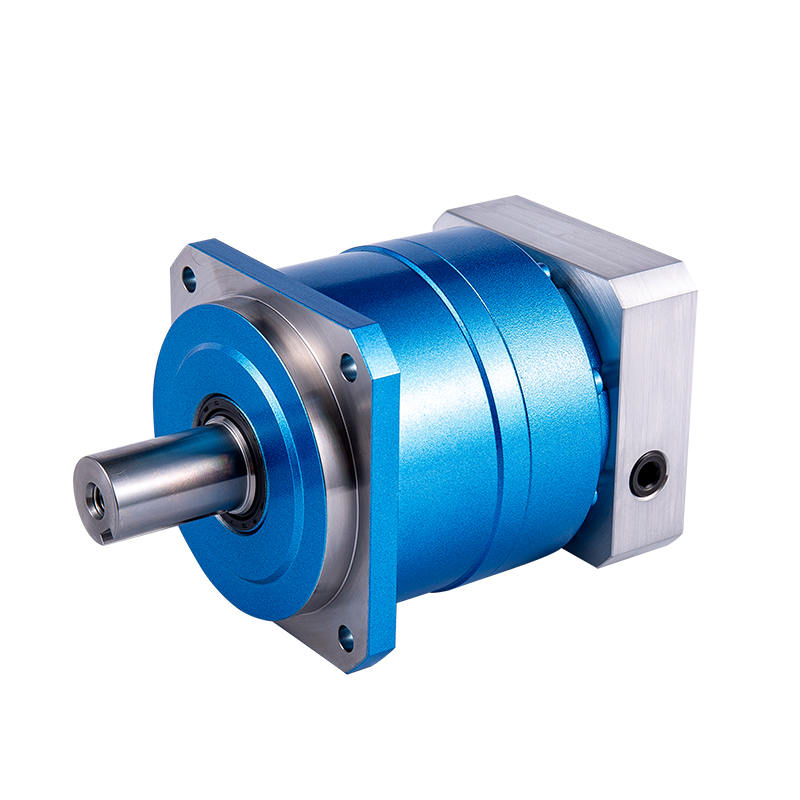 Low Backlash High Precision Torque AHB Planetary Gearbox ReducerThis helical-gear planetary reducer offers under 3 arcminutes backlash and high rigidity, making it a practical choice for robot hip joints that need efficient, low-heat continuous operation.View Product →
Engineers evaluating hip actuation should also review our analysis of planetary reducers as a flexible and precise driving force for robot joints, which covers load characteristics and backlash control in dedicated joint applications.
Wrist joints should use harmonic drives when positioning accuracy below one arcminute and low mass matter more than raw torque capacity.
Wrist joints carry 0.5-10 Nm in most humanoid manipulation tasks, but they decide whether the robot can insert a connector, operate a tool, or assemble components. Precision assembly routinely specifies positioning error below 1 arcmin. A harmonic drive achieves that in a single stage, while a planetary gearbox needs three stages for a 50:1 reduction, stacking backlash to 5-10 arcmin and adding 200-400 g per joint.
Harmonic drives also produce smoother low-speed motion because elastic flexspline deformation avoids tooth-to-tooth cogging. That directly improves trajectory tracking for tool use. The 30-50 percent mass saving versus an equivalent-ratio multi-stage planetary is the second decisive factor: any mass at the wrist multiplies inertial load at every proximal joint.
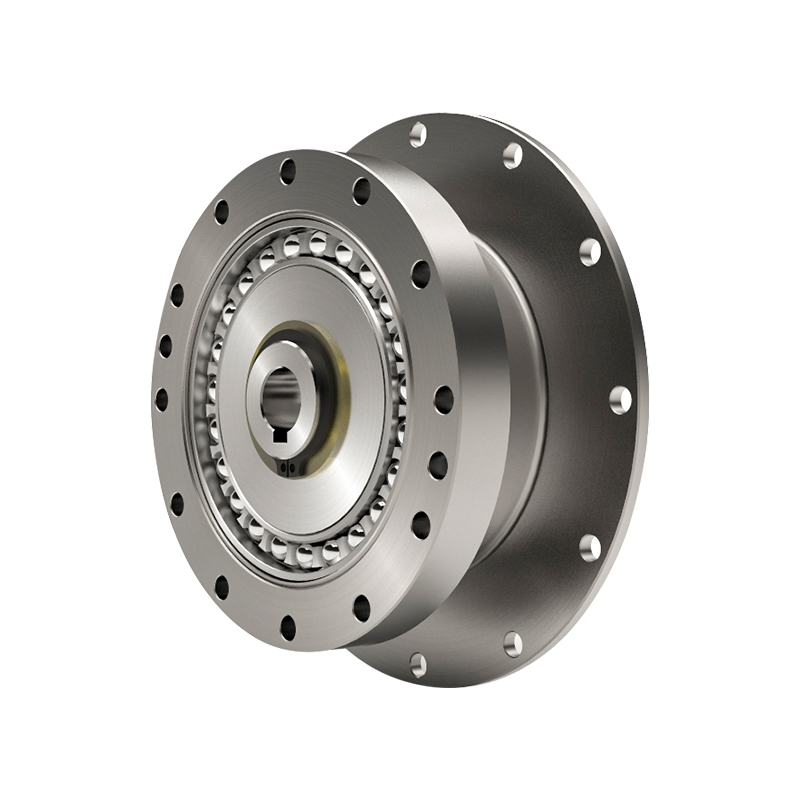 BSHF Series Flexible Gear Reducer with Hollow ShaftA lightweight, backlash-free flexible reducer with a large hollow shaft and compact design, well suited for wrist joints where mass savings and smooth low-speed motion improve trajectory tracking.View Product →
The manufacturer BEITTO (ZHEJIANG BEITTO TRANSMISSION TECHNOLOGY CO., LTD.) produces both planetary and flexible gear reducers in-house, which keeps quality standards consistent when one robot platform needs both joint types. For a complete treatment of harmonic drive operation and sizing, see our harmonic reducer deep-dive guide for high-precision motion systems.
Across the six attributes that dominate joint gearbox selection, planetary gearboxes win on torque, shock, and efficiency, while harmonic drives win on backlash, ratio, and compactness.
| Attribute | Planetary Gearbox | Harmonic Drive |
| Single-stage ratio | 3:1 to 10:1 | 30:1 to 160:1 |
| Backlash | 3-10 arcmin standard | Below 1 arcmin |
| Efficiency | 90-97% per stage | 70-85% |
| Torque capacity | High, multiple planet paths | Limited by flexspline fatigue |
| Shock resistance | Excellent | Poor to moderate |
| Compactness | Larger at high ratio | Excellent, pancake form |
| Weight at 50:1 | Heavy, two to three stages | Light, single stage |
Figure 1. Relative attribute scores (higher is better) for planetary gearboxes versus harmonic drives across six joint-selection criteria.
Select joint gearboxes by fixing the torque envelope first, then the backlash floor, shock exposure, and weight budget, in that order.
Matching the framework to common humanoid joints produces a clear pattern:
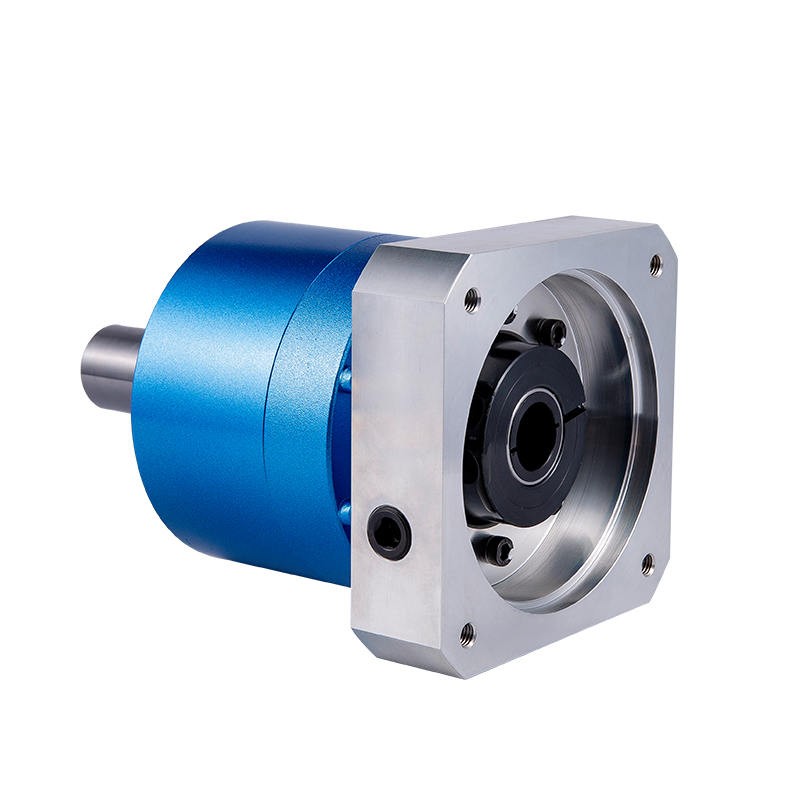 Helical Tooth Planetary Reducer AHL Series for Servo MotorDesigned for high-load servo applications, this planetary reducer uses helical gears and integral bearings for smooth, quiet operation and high torque output, aligning with hip actuators that must endure impact spikes.View Product →
In a low-impact walking design, a large harmonic drive can survive, but flexspline fatigue life shrinks quickly when peak torque exceeds 150 Nm or when running and stair climbing introduce impact spikes. Most dynamic humanoids use planetary gearboxes at the hip for this reason.
A 50:1 planetary reduction needs three stages, adding mass and stacking backlash to 5-10 arcmin. Wrist-class manipulation below 1 arcmin becomes expensive and bulky with a planetary-only architecture, which is why harmonic drives remain the practical choice for those joints.
For precision operations such as peg insertion, connector assembly, and tool use, engineers typically specify below 1 arcmin of backlash. Standard planetary gearboxes sit at 3-10 arcmin, and only precision-ground planetary variants approach 1 arcmin, usually at higher cost and size.
Yes. The dominant architecture pairs planetary gearboxes at the hip and ankle for torque and shock absorption with harmonic drives at the shoulder, elbow, and wrist for precision manipulation. BEITTO (ZHEJIANG BEITTO TRANSMISSION TECHNOLOGY CO., LTD.) manufactures both families, which simplifies sourcing and keeps quality standards consistent across a robot's joints.
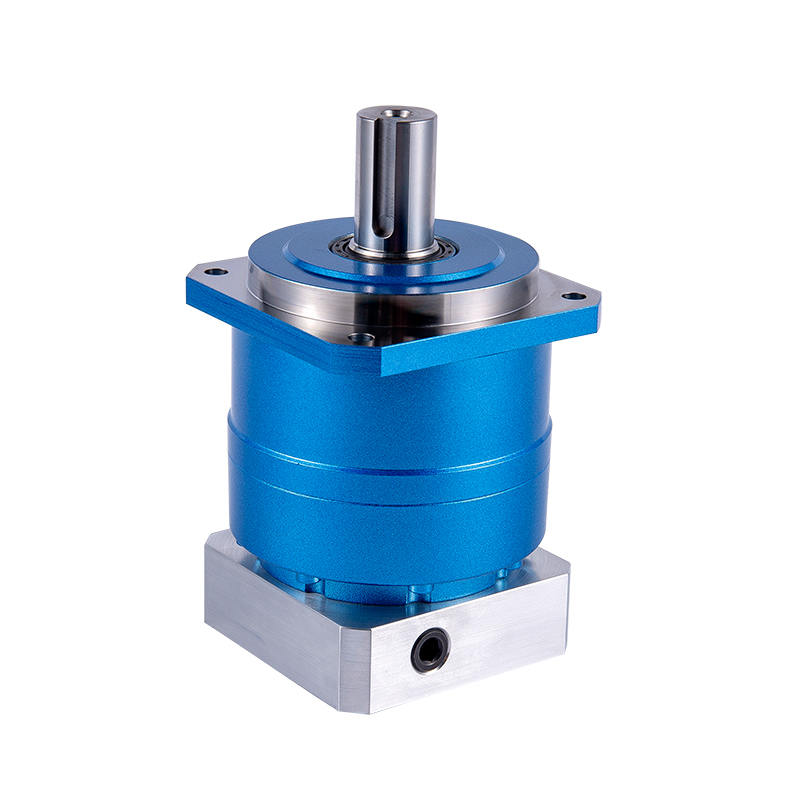
Features of planetary reducer 1. Quiet: Use helical gears to achieve smooth and quiet operation;2. H...
See Details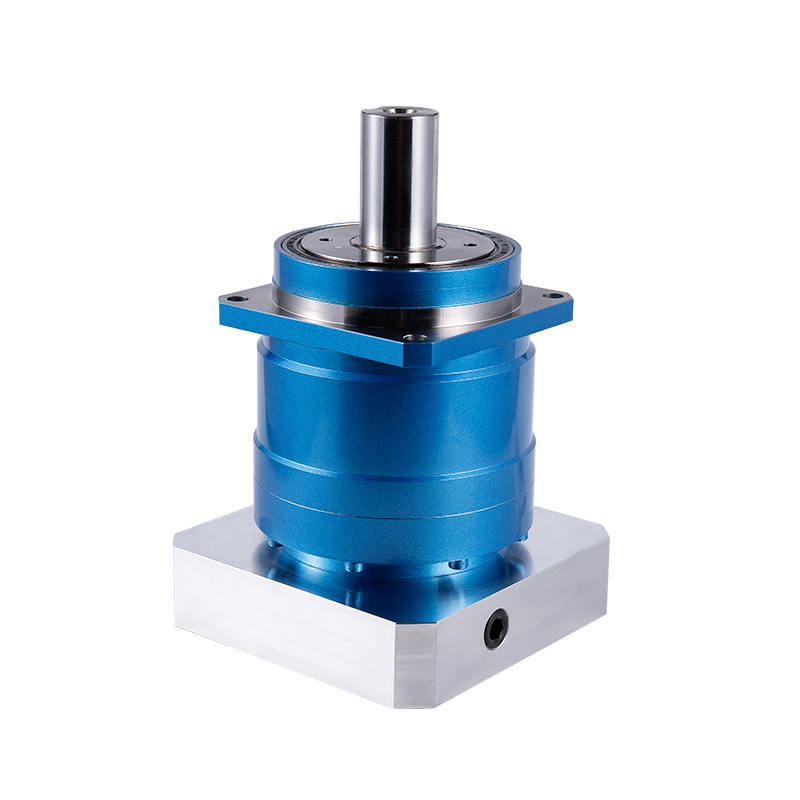
Planetary reducers occupy an important position in the field of industrial automation. The high-prec...
See Details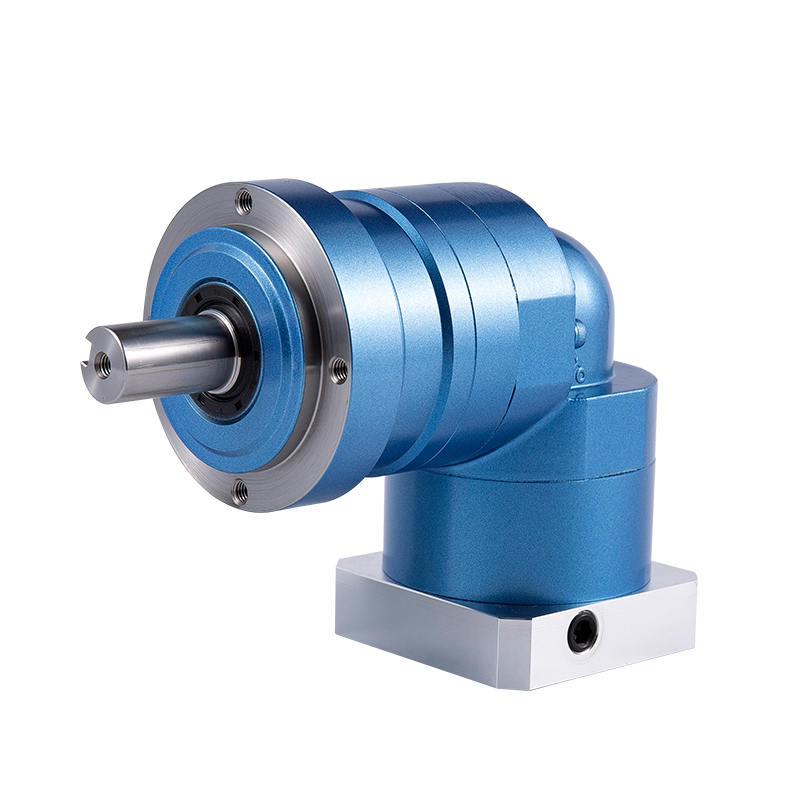
Features of planetary reducer1. Quiet: Use helical gears to achieve smooth and quiet operation;2. Hi...
See Details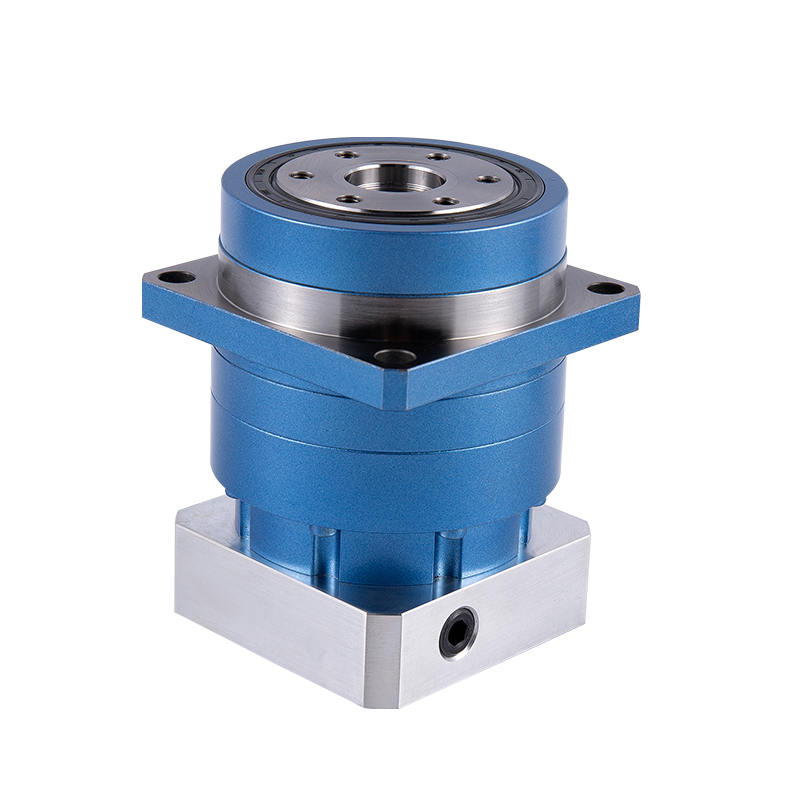
Features of planetary reducer1. Quiet: Use helical gears to achieve smooth and quiet operation;2. Hi...
See Details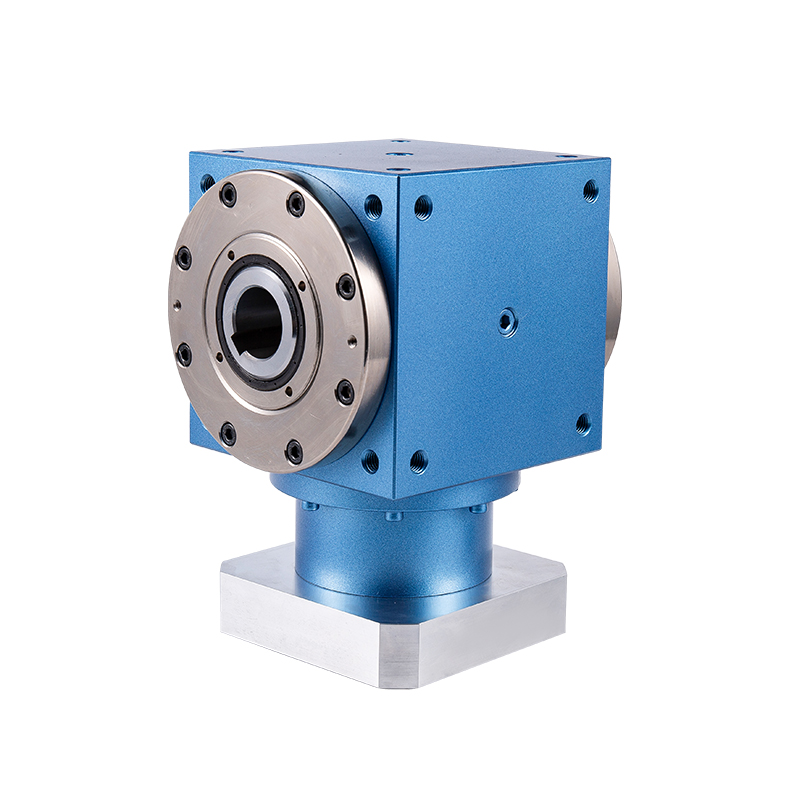
The TD-CR series reducer is centered on the design of hollow shaft output, which not only optimizes ...
See Details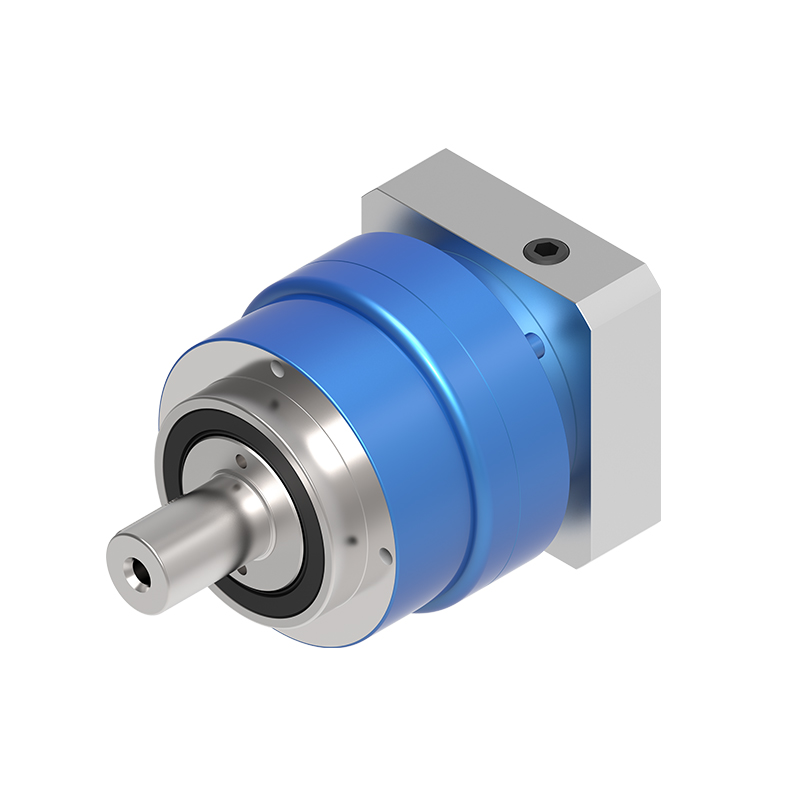
Innovative helical gear structureThe reduction mechanism introduces an innovative helical gear desig...
See Details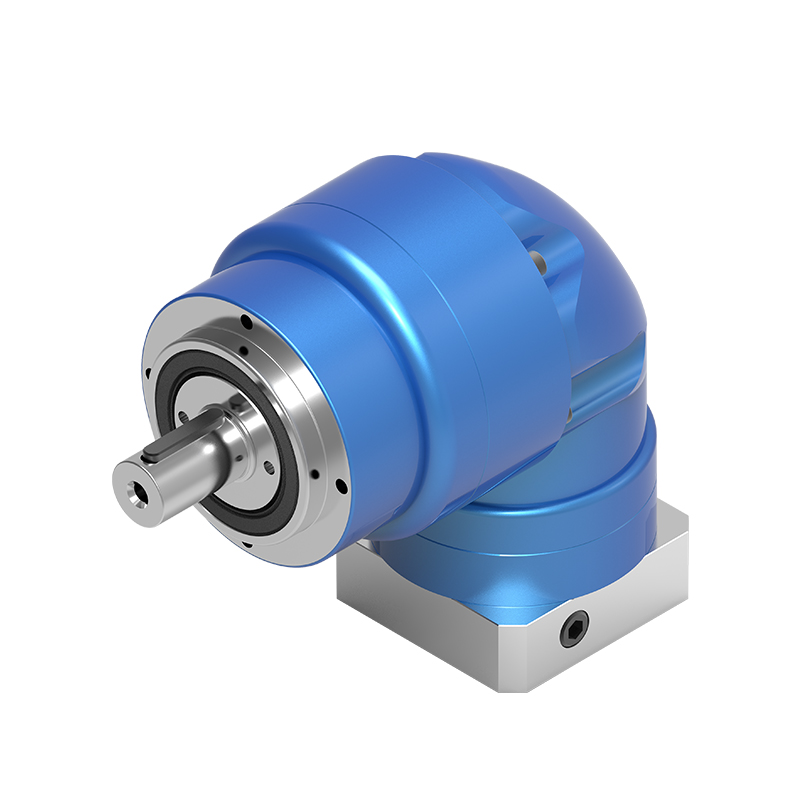
The NLR series planetary reducer adopts a spiral bevel gear design, which allows high-speed input of...
See Details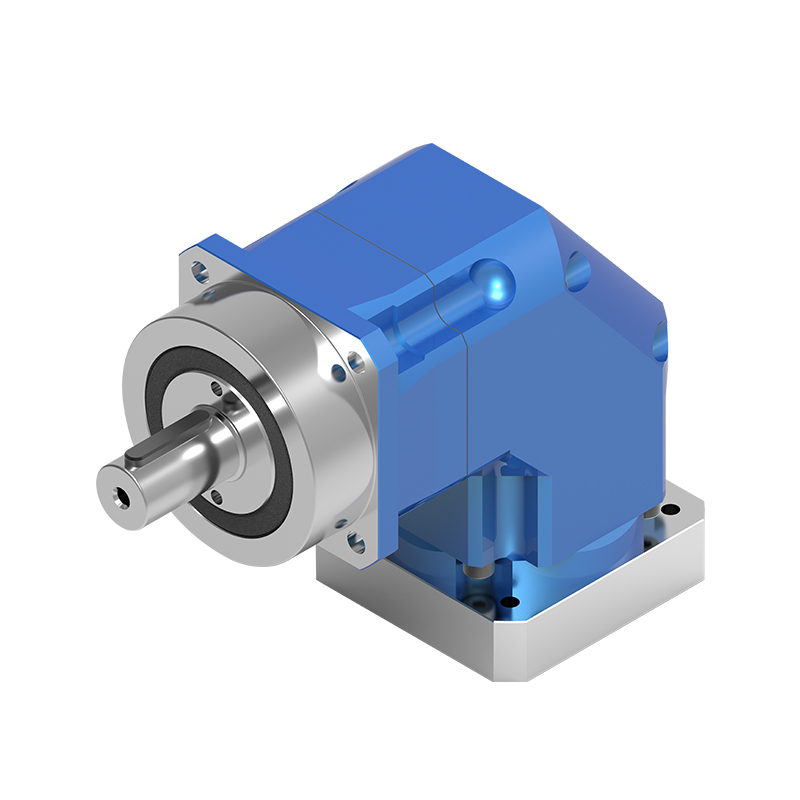
The NSR series planetary reducer adopts a spiral bevel gear design. This innovation not only makes t...
See Details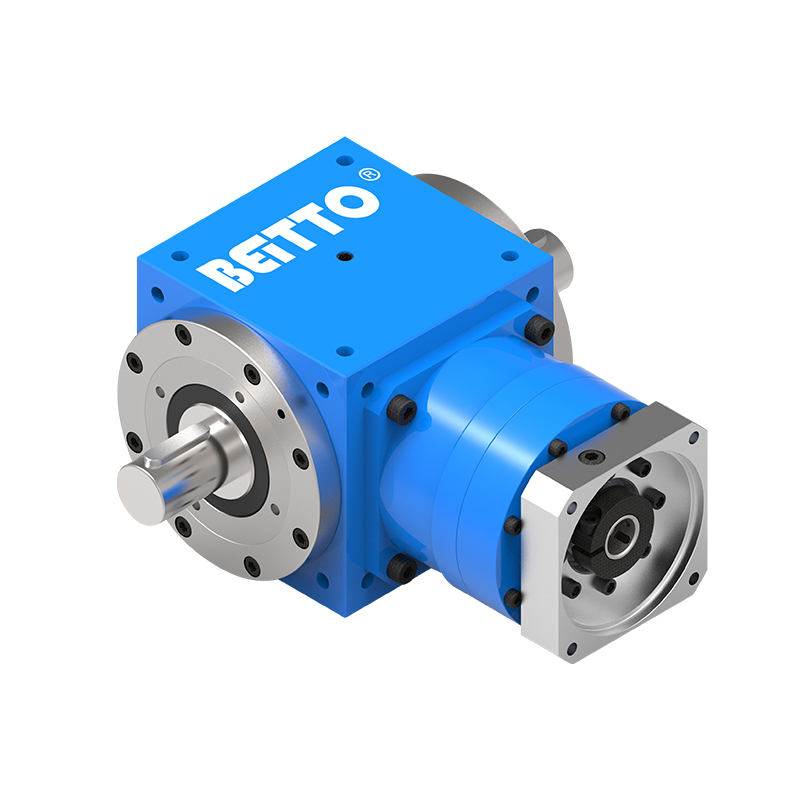
In order to meet the needs of different working conditions, the TD-2P series reducer provides a vari...
See Details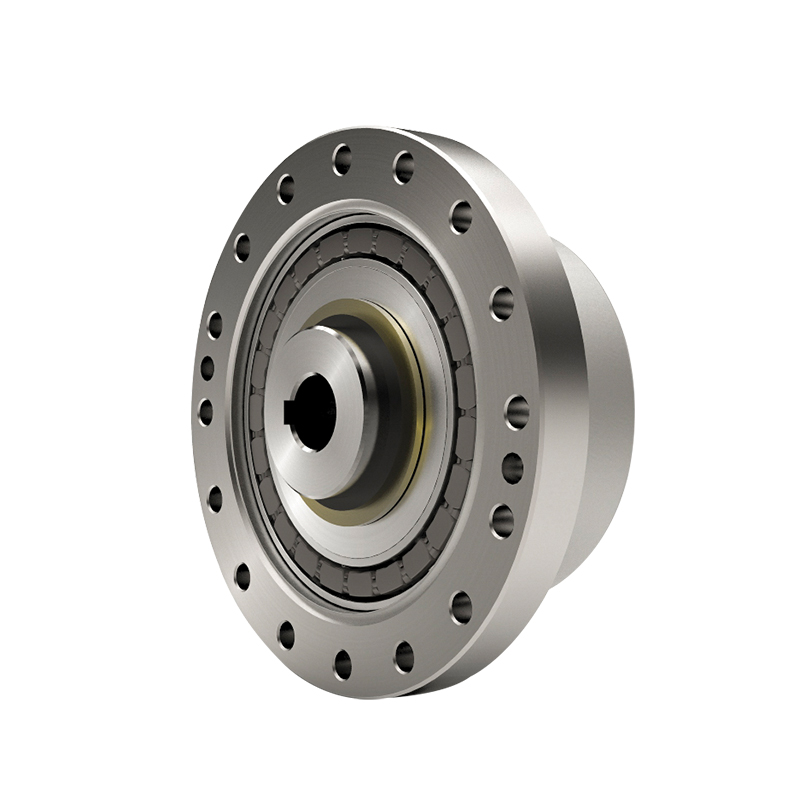
The BCSF series Flexible gear reducer pursues the ultimate lightness and simplicity in design, which...
See Details

