 EN




 English
 русский
 日本語
 Español
Low Noise Multi specification Integrated-Structure Planetary Reducer AHS Series
Cat:Planetary Reducer
Planetary reducers occupy an important position in the field of industrial automation. The high-prec...
See DetailsOn a CNC machining center, a reducer with 3 arcmin of backlash contributes roughly 0.26 mm of positioning error at a 300 mm tool radius when the axis reverses direction. That is enough to push a precision part out of tolerance and leave visible tool marks on a finished surface. The choice between a planetary gearbox and a spur gear reducer is not about cost or convenience. It is about whether your servo system can hold the commanded position, part after part.
Content
Backlash control separates a servo axis that holds position from one that drifts out of tolerance at every direction change.
Backlash is the angular gap between the input and output gears when rotation direction changes. This gap creates a dead zone in the position loop. The servo motor must consume this gap before the output moves, and the resulting position error scales directly with the backlash angle and the load radius.
The practical impact on CNC machining shows up in three areas:
Backlash also changes how a servo loop behaves. When a drive system has backlash, the controller sees a gap between commanded position and actual position. To prevent oscillation, the gain must be reduced, which slows down the response. Even if the machine is not producing scrap, it is producing parts more slowly than it could.
Precision planetary gearboxes deliver 1-3 arcmin backlash, which makes them the default choice for CNC servo axes.
The load-sharing architecture of a planetary gearbox is the key reason. Multiple planet gears mesh with the sun gear and ring gear simultaneously, spreading torque across several tooth contacts instead of one. This reduces tooth deflection under load and provides finer control over center distances during assembly.
Low backlash in a planetary gearbox comes from three manufacturing factors: controlled tooth geometry, precise center distances, and shim-based or preload-based assembly. Ground gears with carefully controlled tooth profiles and carrier tolerances keep the backlash consistent across the entire production run.
For a servo motor planetary gearbox to maintain precision over its service life, manufacturing quality and assembly tolerance control are what matter most. At BEITTO, the AHL series uses helical tooth geometry and precision-ground gears to maintain consistent backlash while improving load capacity and quiet operation. For a machine builder, repeatability matters more than a perfect prototype - every axis must behave the same.
Thermal stability is another factor. As a planetary gearbox warms up during operation, the housing expands and the gear clearances change. A well-designed planetary reducer maintains its backlash range across the working temperature window of the machine, while a spur reducer with larger clearances drifts more as temperature changes.
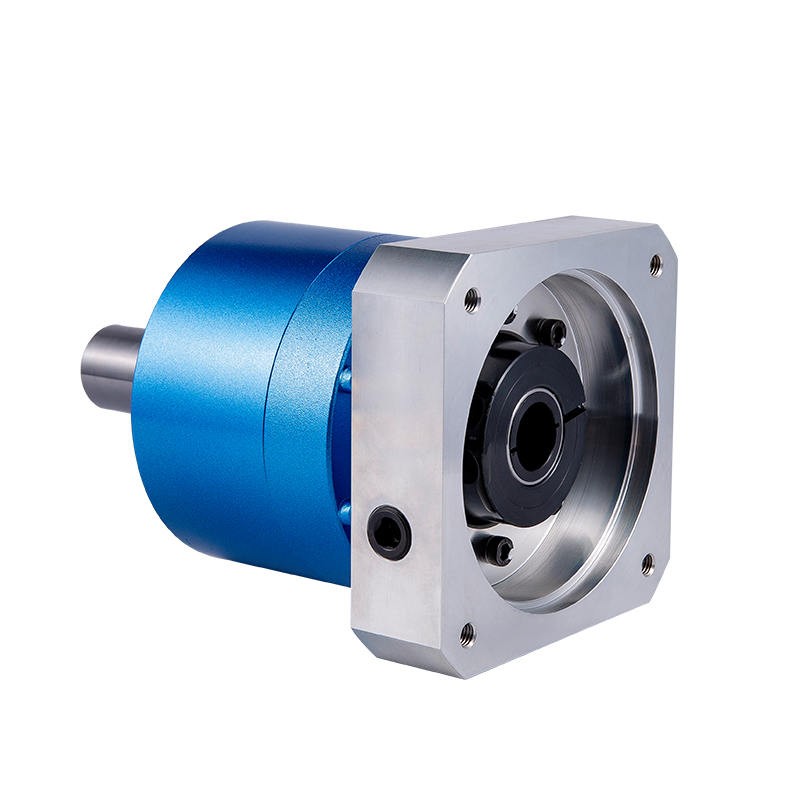 Helical Tooth Transmission Gearbox Planetary Reducer AHL Series for Servo MotorPlanetary reducers have been widely used in many industries for their performance. Their uniquely designed helical gears ensure extremely smooth operation and low nois...View Product →
Spur gear reducers typically show 5-15 arcmin backlash, and the gap grows with wear because each stage adds its own tooth clearance.
A spur gear reducer uses simple parallel-axis gear pairs. Each stage has exactly one gear mesh, and the total backlash is the sum of the tooth clearance across all stages. Because the teeth mesh at a single point, the load concentration is high, and the teeth must be sized larger to carry the same torque.
The cost advantage is real. With no planetary carrier, no ring gear, and no internal load sharing, the manufacturing cost per Nm is lower. For conveyors, simple indexing tables, and non-critical feeders, the trade-off makes sense.
The problem for CNC systems is that backlash in a spur reducer is not a static value. As gears wear, the backlash changes, and the servo loop characteristics change. A servo system tuned for one backlash value becomes a moving target when that value drifts. You end up retuning drives, reducing feed rates, or accepting lower accuracy - none of which is acceptable on a machine intended for precision work.
Spur gear reducers start at 5 arcmin backlash and reach 15 arcmin, which is one to five times worse than a precision planetary gearbox.
For CNC servo systems, the planetary gearbox provides better backlash control than a spur gear reducer in every axis that performs positioning or contouring.
The comparison table below shows the typical differences in the metrics that matter for CNC servo drives.
| Parameter | Planetary Gearbox | Spur Gear Reducer |
| Backlash | 1-3 arcmin | 5-15 arcmin |
| Torsional stiffness | High | Medium |
| Torque density | High | Low to Medium |
| Meshes per stage | 3+ | 1 |
| Typical efficiency | 95-97% | 94-96% |
| Cost per Nm | Higher | Lower |
The chart and table together tell the same story. A planetary gearbox sits in the 1-3 arcmin range, which is the range CNC machine builders specify for accurate axes. A spur reducer starts at 5 arcmin and reaches 15 arcmin.
Torsional stiffness matters just as much as backlash. A reducer that twists under load adds to the positioning error even when the gears are in contact. Planetary gearboxes have higher stiffness because the planet gears are supported at both ends within the carrier. A spur gear reducer has a cantilevered or straddle-mounted gear pair, which is less rigid.
Planetary gearboxes deliver 1-3 arcmin backlash and higher torsional stiffness, making them the only practical choice for positioning and contouring axes in CNC servo systems.
Choose a precision planetary gearbox for any CNC axis that positions or contours, and choose a flexible gear reducer for axes that need 1 arcmin or better.
The selection rule depends on the role of the axis:
A feed axis with a ball screw that measures position at the screw is one case where the encoder closes the loop at the screw, not at the reducer. An auxiliary axis that does not affect part quality is another. A budget machine where surface finish and contour accuracy are not primary requirements can also justify the cost reduction of a spur reducer.
For the most demanding axes, flexible gear reducers deliver 1 arcmin or better. The BEITTO BSHF series uses a flexspline that elastically deforms to engage the gear mesh, eliminating tooth clearance and providing high torsional rigidity. Effective strategies to reduce the return clearance in these units are detailed in the company's technical resources.
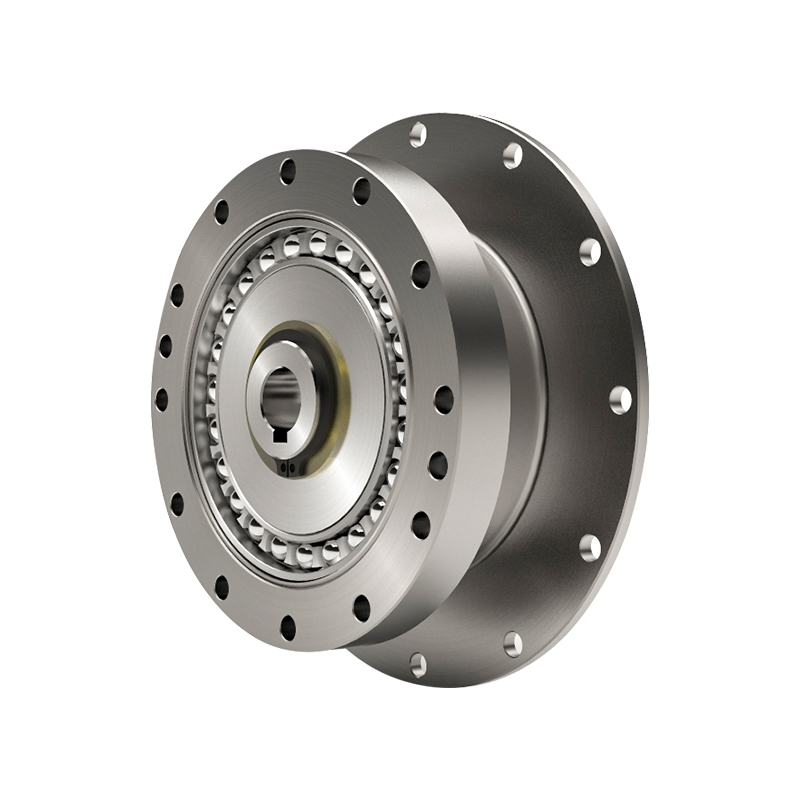 BSHF series Flexible gear reducerBSHF series Flexible gear reducer adopts a large-diameter hollow shaft design with a compact structure, and effectively reduces the overall weight. The thin body desig...View Product →
For CNC systems where the motor must sit perpendicular to the driven axis, a right-angle reducer is required. The TDXR series low-backlash spiral bevel reducer maintains precision while enabling a compact machine footprint.
 TD-XR series High efficiency Low backlash Spiral Bevel Gear reducer● Various output shaft options ● High torque ● High efficiency ● Long service life ● Low backlash ● Maintenance-free ● Flexible installation dimensionsView Product →
In many CNC applications, the reducer is installed between the servo motor and the ball screw. The total positioning error is the sum of the reducer backlash and the ball screw axial play. A precision planetary reducer with 1-3 arcmin backlash typically adds only a few microns of error at the screw, while a spur reducer adds several times that amount.
For machining centers and lathes, 1-3 arcmin is the practical target. This range keeps positioning error within a few microns at the tool tip. For rotary axes or high-precision grinding, 1 arcmin or less is recommended.
An encoder on the ball screw can measure the screw position, but it cannot correct the backlash between the reducer and the screw. The backlash remains a dead zone in the mechanical path that the encoder sees as lost motion. For positioning axes, a precision planetary gearbox is still needed.
No. For non-precision applications where cost is the primary driver, a spur gear reducer is a valid choice. It only becomes problematic when positioning accuracy, contour accuracy, or servo loop stability are required.
A flexible gear reducer can achieve below 1 arcmin backlash and often higher torsional rigidity. However, planetary gearboxes offer a wider speed range and generally higher efficiency. The choice depends on the specific axis requirements.
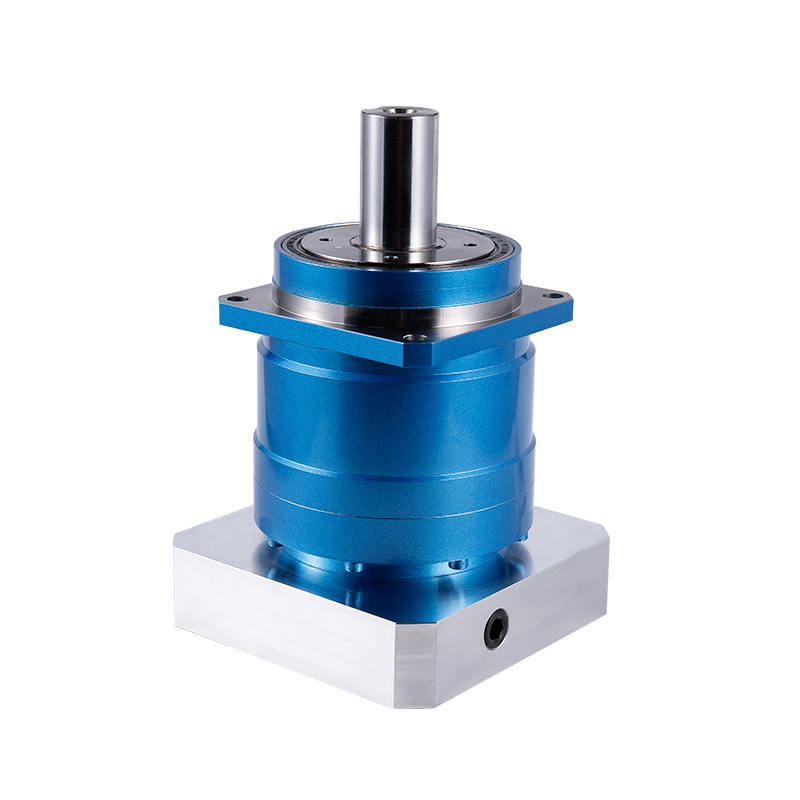
Planetary reducers occupy an important position in the field of industrial automation. The high-prec...
See Details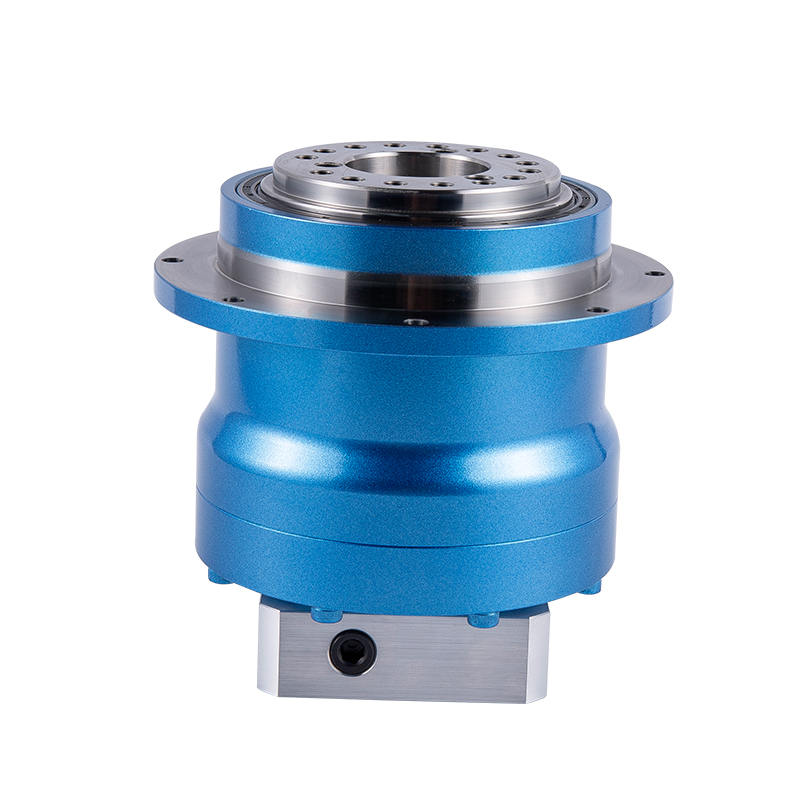
With its high-precision characteristics, the planetary reducer successfully controls the backlash wi...
See Details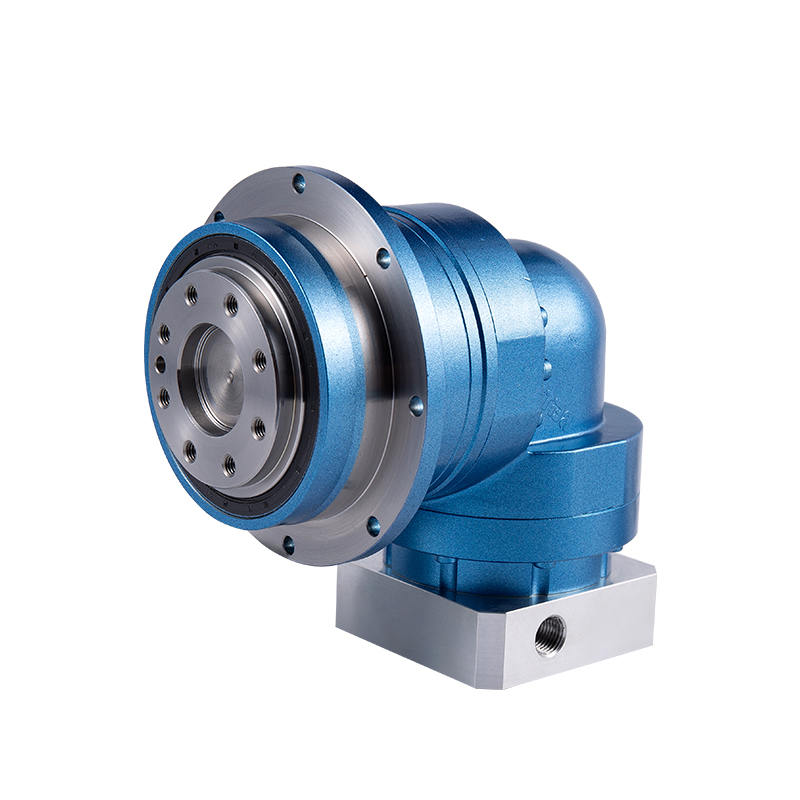
Features of planetary reducer1. High precision: the standard backlash is 4 arc minutes, which is ver...
See Details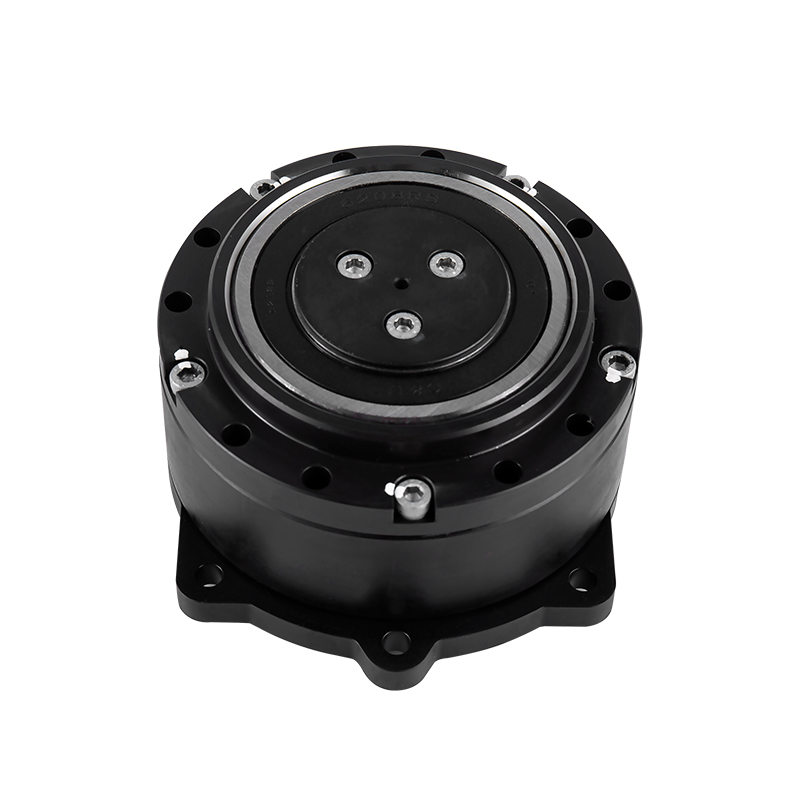
Designed for applications with high radial loads, such as AGV wheel drives, pulley drives. Output op...
See Details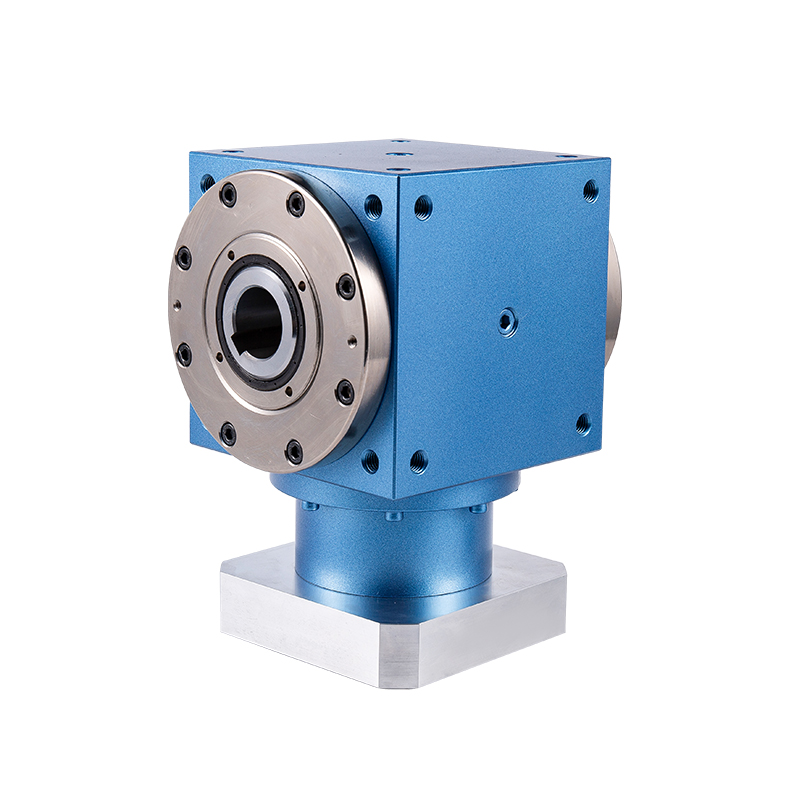
The TD-CR series reducer is centered on the design of hollow shaft output, which not only optimizes ...
See Details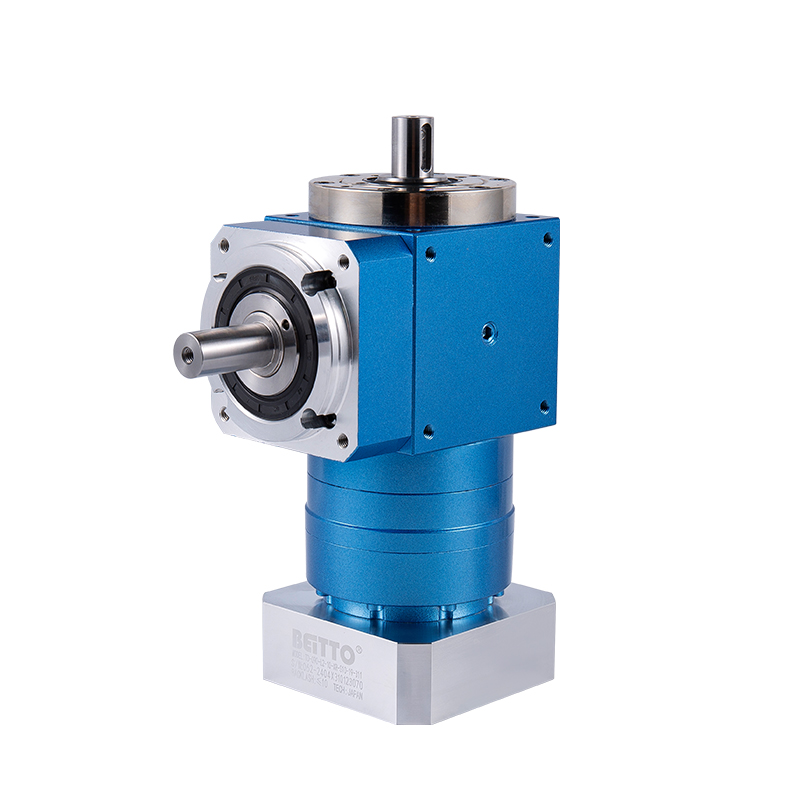
● Various output shaft options● High torque● High efficiency● Long service life● Low backlash● Maint...
See Details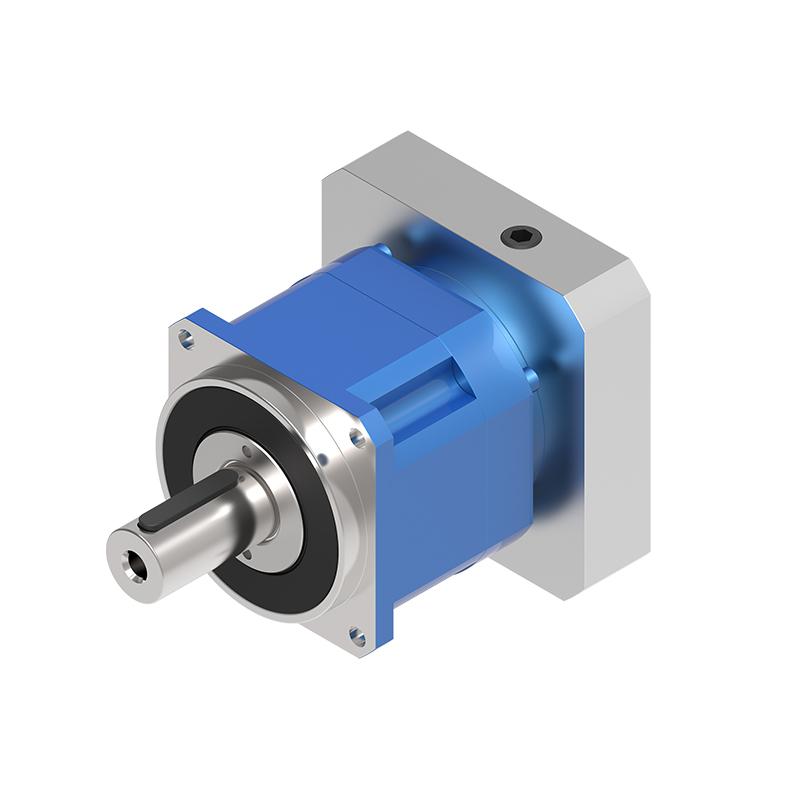
1. Helical gear designThe speed reduction mechanism adopts a helical gear design, and its tooth mesh...
See Details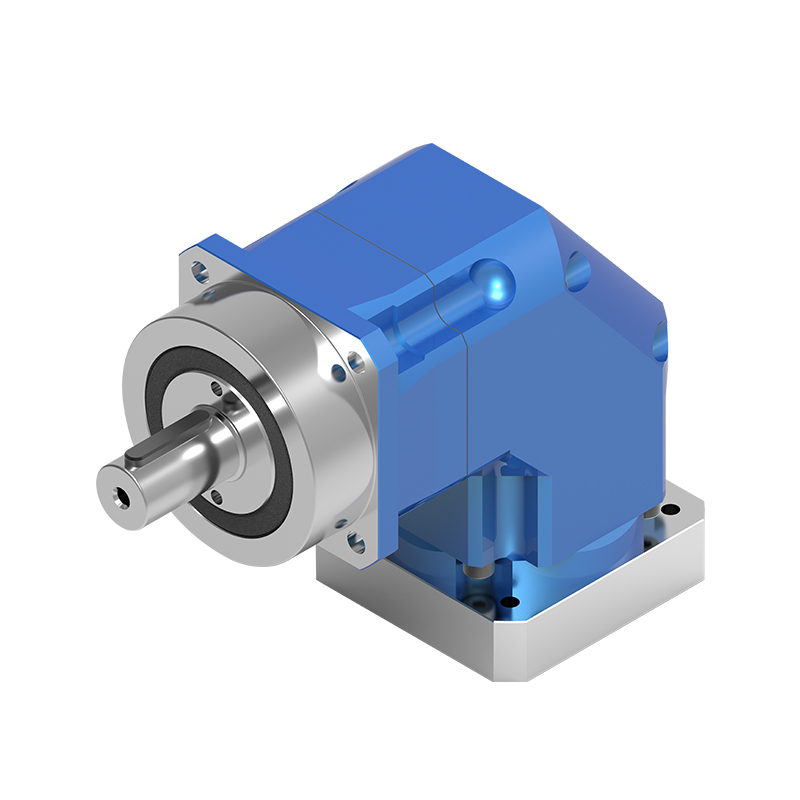
The NSR series planetary reducer adopts a spiral bevel gear design. This innovation not only makes t...
See Details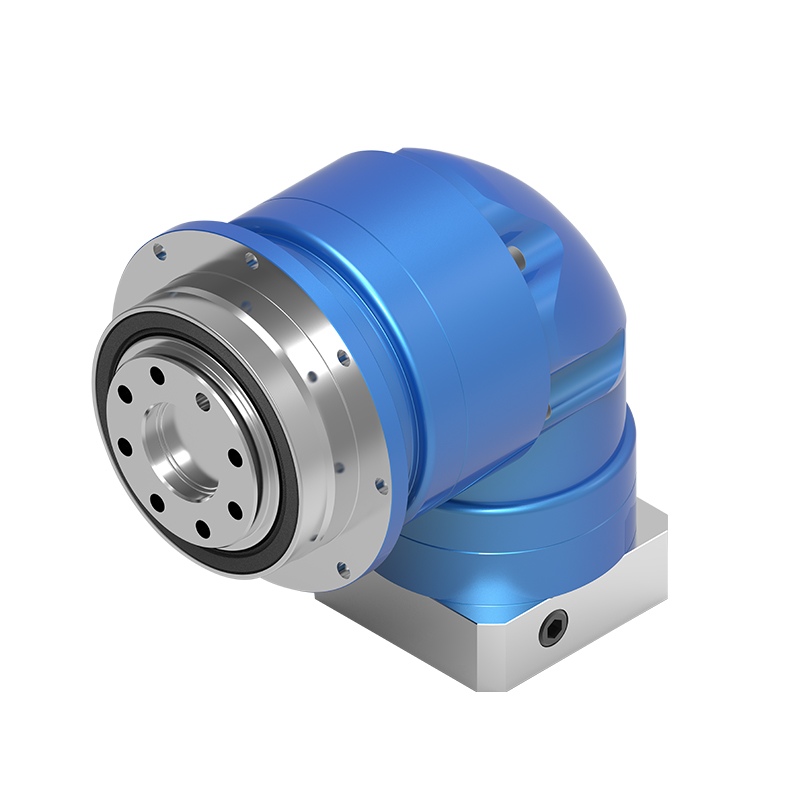
NTR series planetary reducer adopts spiral bevel gear design, which allows high-speed input of servo...
See Details
BSHF series Flexible gear reducer adopts a large-diameter hollow shaft design with a compact structu...
See Details

