 EN
EN




 English
 русский
 日本語
日本語 Español
Low Noise Multi specification Integrated-Structure Planetary Reducer AHS Series
Cat:Planetary Reducer
Planetary reducers occupy an important position in the field of industrial automation. The high-prec...
See DetailsContent
1. The Low Backlash High Precision Torque AHB Planetary Gearbox Reducer utilizes an integrated planet carrier design where the output shaft and the planetary cage are machined from a single piece of high-alloy steel.
2. When investigating how integrated planet carriers maintain sub-arcmin accuracy, engineers observe that eliminating the bolted or keyed joints between the carrier and shaft removes the primary source of torsional hysteresis and mechanical play.
3. In a Low Backlash High Precision Torque AHB Planetary Gearbox Reducer, the use of dual-supported planet gears ensures that the gears remain perfectly parallel to the sun gear, preventing edge loading and maintaining a consistent tooth contact pattern under peak torque.
4. The impact of dual-supported planet gears on gearbox rigidity is quantified by a significant increase in torsional stiffness, allowing the AHB series to withstand rapid acceleration and deceleration cycles in high-precision servo applications without losing positional synchronization.
1. Calculating the transmission error of AHB planetary gearboxes involves analyzing the tooth profile modification; the AHB series employs crowning and tip relief to ensure the contact ratio is maximized while noise is minimized.
2. Investigating why helical gears improve planetary gearbox torque density reveals that the increased transverse contact ratio allows the load to be distributed over a larger surface area, reducing the localized stress on individual gear teeth.
3. For a Low Backlash High Precision Torque AHB Planetary Gearbox Reducer, achieving a Ra surface finish of less than 0.6 micrometers on the tooth flanks is vital for maintaining a low friction coefficient and preventing gear micro-pitting in high-torque reducers.
4. The benefits of case-hardened alloy steel in planetary reducers include a surface hardness of 58-62 HRC, which provides the wear resistance necessary to maintain sub-arcmin backlash over a service life exceeding 20,000 hours.
1. Testing the overhung load capacity of AHB series reducers demonstrates that the widely spaced tapered roller bearings at the output can support massive radial and axial forces without distorting the internal gear mesh.
2. How tapered roller bearings enhance AHB gearbox stability: By providing high tilting rigidity, these bearings ensure that the output flange remains stable, which is critical for maintaining sub-arcmin precision in heavy-duty turntable or robotic arm applications.
3. The influence of housing material on planetary gearbox thermal stability is managed by using ductile iron or high-grade aluminum alloys that offer a high coefficient of thermal conductivity and a tensile strength sufficient to contain internal pressures.
4. Comparative Analysis of Precision and Load Handling:
| Performance Parameter | Standard Planetary Reducer | Low Backlash High Precision Torque AHB Planetary Gearbox Reducer |
| Standard Backlash | 10 - 15 arc-min | < 1 - 3 arc-min |
| Torsional Rigidity | Moderate | High (Integrated Carrier) |
| Gear Geometry | Spur Gear | High-Precision Helical |
| Housing tensile strength | Standard Grade | High-Strength Alloy |
1. Measuring the lost motion of high-precision torque reducers involves a 3-point hysteresis measurement to verify that the total angular deviation remains within the specified sub-arcmin range at 2 percent of rated torque.
2. Comparing AHB vs standard planetary reducers for servo gain: The higher torsional stiffness of the AHB series allows engineers to increase the gain settings of the servo motor, resulting in faster settling times and higher dynamic response.
3. Optimizing the MTBF of low backlash gearboxes requires the use of fully synthetic PAO-based lubricants, which maintain a consistent film thickness at operating temperatures up to 90 degrees Celsius, effectively preventing gear micro-pitting in high-torque reducers.
1. What makes the 'AHB' integrated carrier superior to modular designs?
The integrated carrier in the Low Backlash High Precision Torque AHB Planetary Gearbox Reducer eliminates mechanical interfaces. This significantly increases tensile strength and torsional stiffness, ensuring that sub-arcmin accuracy is not lost due to component shifting under peak load.
2. Is sub-arcmin backlash maintained throughout the entire life of the reducer?
Yes, provided the unit is operated within its rated torque. The case-hardened gears and high-precision tooth grinding ensure that wear is negligible, keeping the backlash stable over thousands of hours.
3. How does helical gear geometry affect the axial load on the sun gear?
While helical gears generate axial thrust, the Low Backlash High Precision Torque AHB Planetary Gearbox Reducer uses optimized thrust washers and reinforced bearing seats to cancel these forces, maintaining 97 percent transmission efficiency.
4. Can the AHB series handle high overhung loads in robotic joints?
Specifically. The tapered roller bearing arrangement is designed to support the bending moments common in robotic articulations, preventing shaft deflection that could cause internal gear misalignment.
5. What role does the Ra surface finish play in noise reduction?
A smoother Ra surface finish reduces the excitation frequency of the gear mesh. In high-torque applications, this results in a quieter operation, typically below 65 dB at rated input speeds.
1. DIN 3962: Tolerances for Cylindrical Gear Teeth - Tolerances for Adjacency Errors.
2. ISO 6336-2: Calculation of load capacity of spur and helical gears - Calculation of surface durability (pitting).
3. AGMA 2015-1-A01: Accuracy Classification System - Tangential Measurements for Cylindrical Gears.
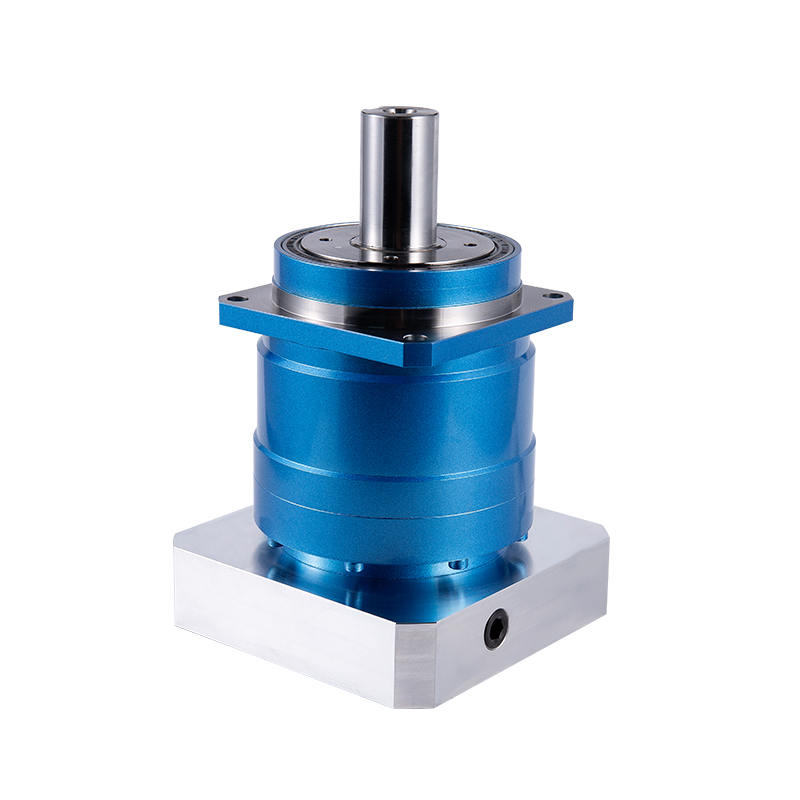
Planetary reducers occupy an important position in the field of industrial automation. The high-prec...
See Details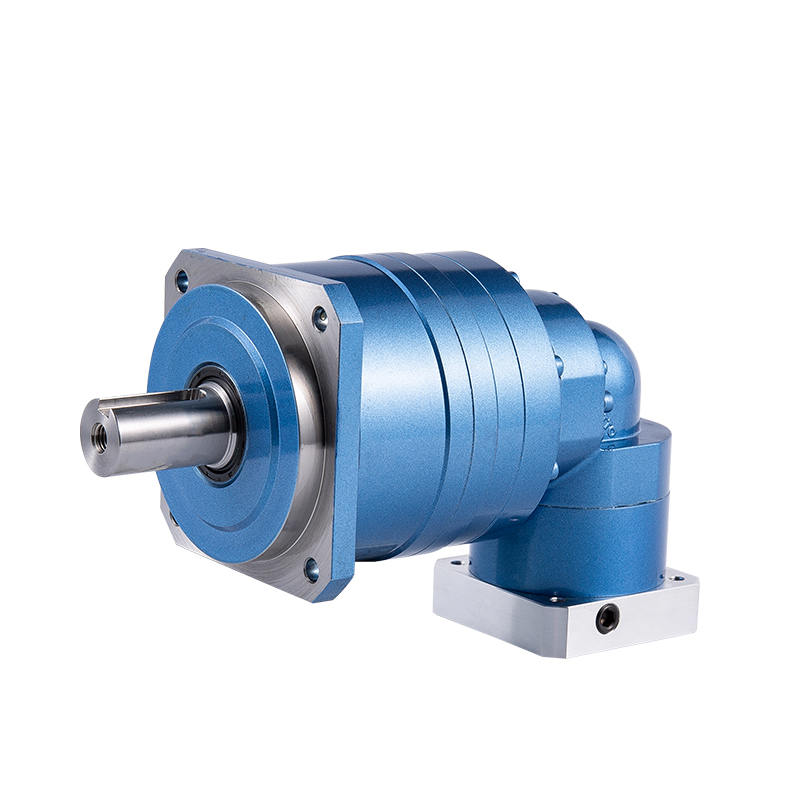
The planetary reducer adopts a helical gear design, which enables smooth and quiet operation and pro...
See Details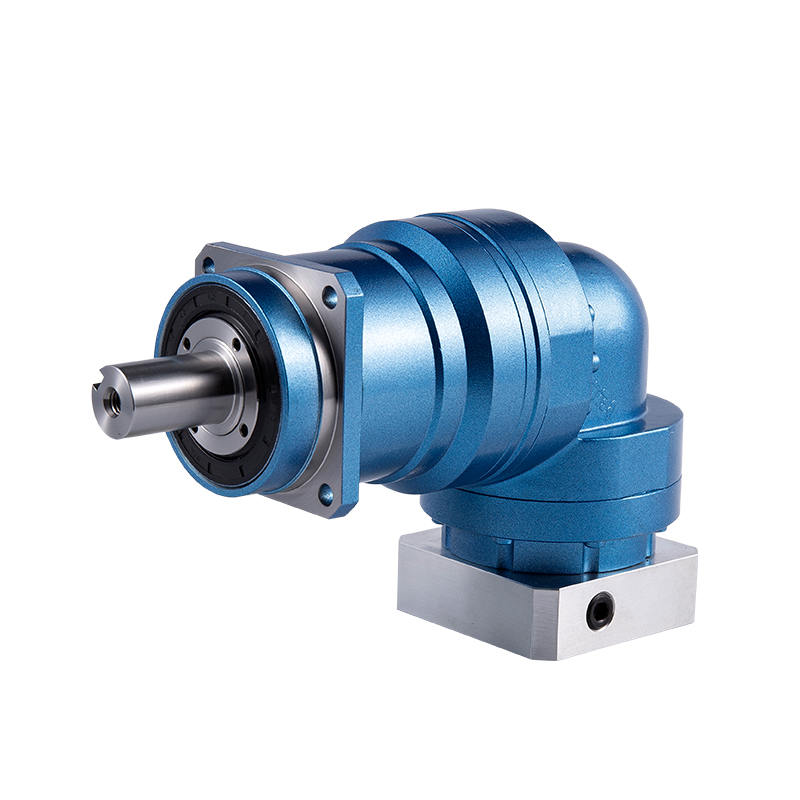
Features of planetary reducer1. Quiet: Use helical gears to achieve smooth and quiet operation;2. Hi...
See Details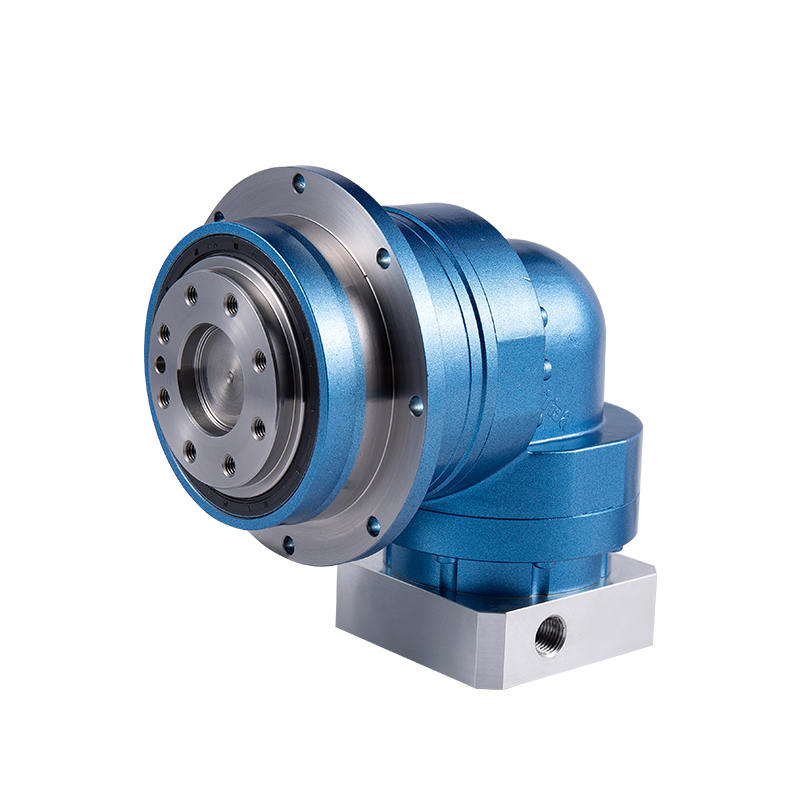
Features of planetary reducer1. High precision: the standard backlash is 4 arc minutes, which is ver...
See Details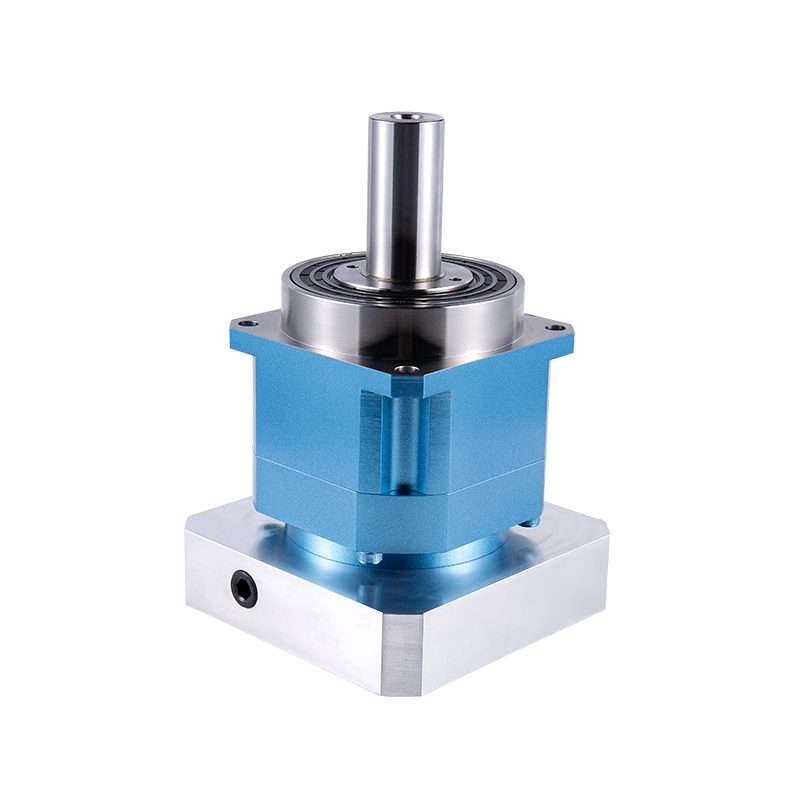
Our reducers incorporate the cutting-edge design concept of helical gears. Compared with traditional...
See Details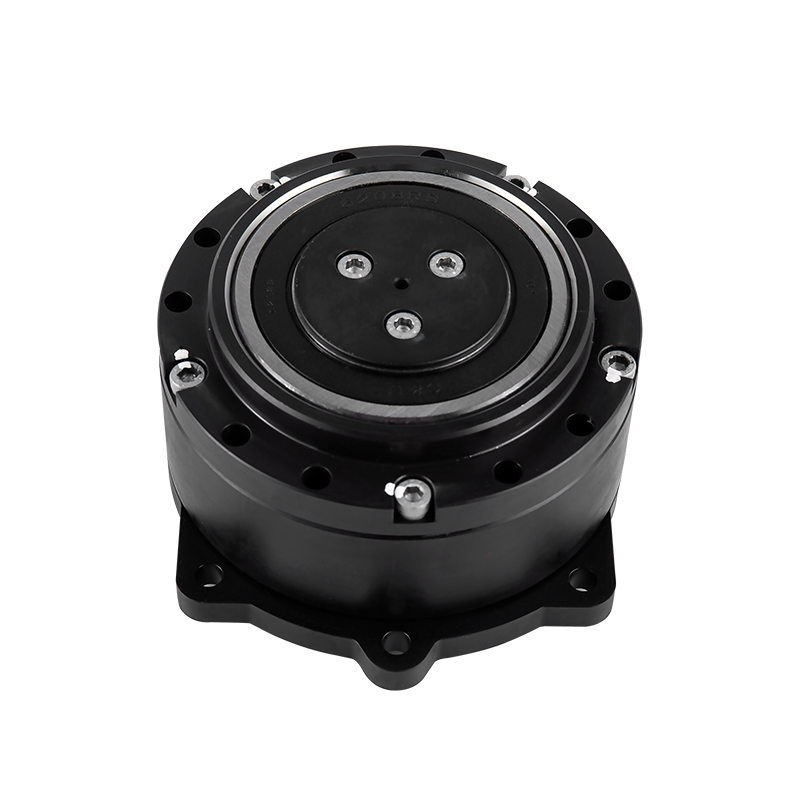
Designed for applications with high radial loads, such as AGV wheel drives, pulley drives. Output op...
See Details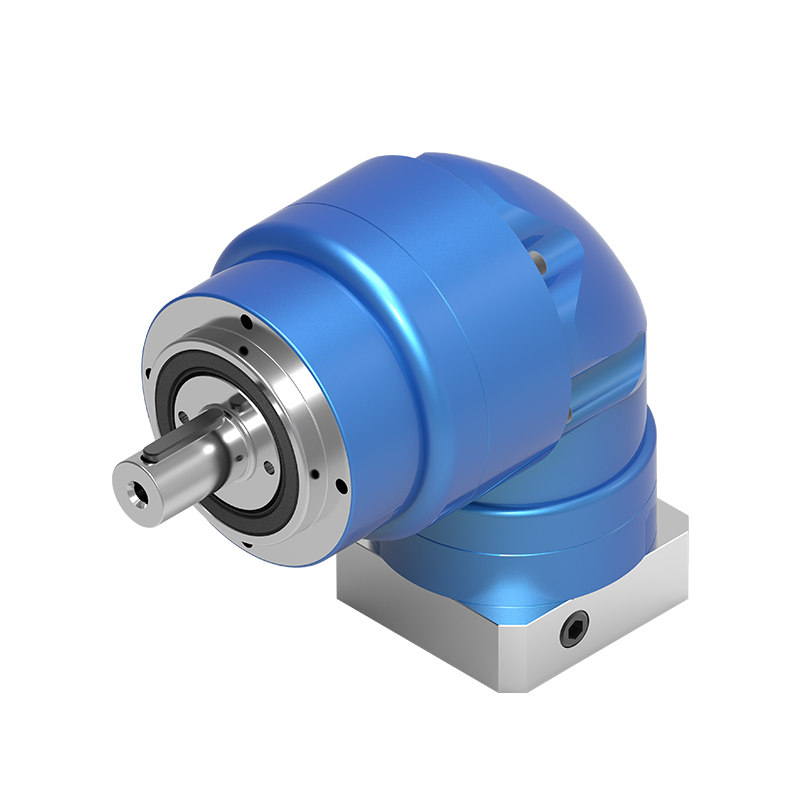
The NLR series planetary reducer adopts a spiral bevel gear design, which allows high-speed input of...
See Details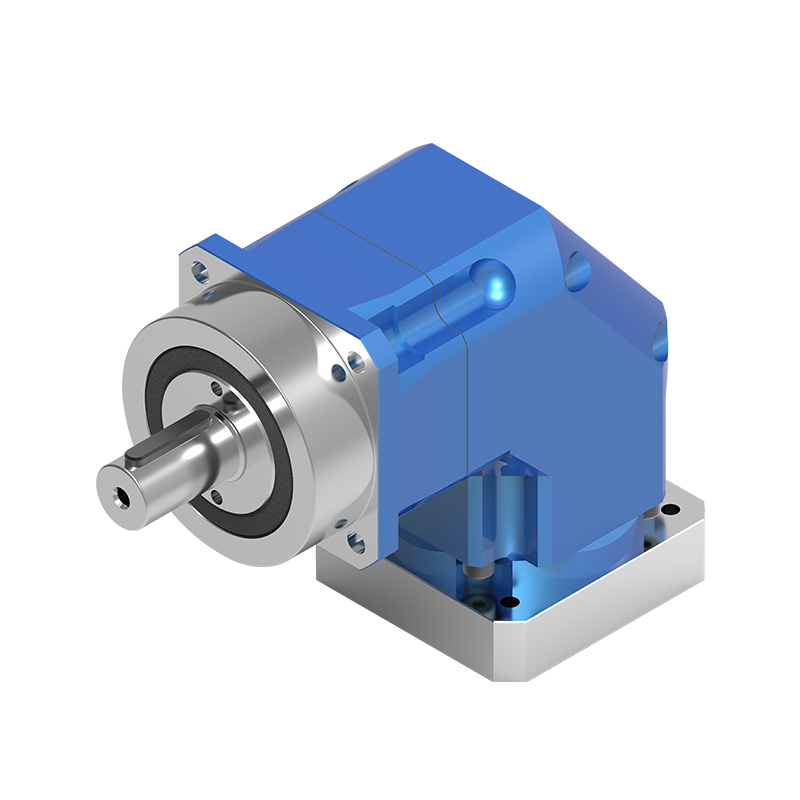
The NSR series planetary reducer adopts a spiral bevel gear design. This innovation not only makes t...
See Details
In order to meet the needs of different working conditions, the TD-2P series reducer provides a vari...
See Details
The BCSG series Flexible gear reducer is designed to be light and simple, which not only effectively...
See Details

