 EN
EN




 English
 русский
 日本語
日本語 Español
Low Backlash High Precision Torque AHB Planetary Gearbox Reducer
Cat:Planetary Reducer
Features of planetary reducer 1. Quiet: Use helical gears to achieve smooth and quiet operation;2. H...
See DetailsContent
1. The High Speed High Torque Flexible Low Backlash BCSF Harmonic Drive Gearbox Harmonic Reducer relies on a precision-elliptical wave generator to induce controlled elastic deformation in the flexspline.
2. When analyzing how wave generator cam profiles reduce hysteresis loss, engineers focus on minimizing the internal friction between the flexible bearing and the flexspline's inner wall, which is a primary source of lost motion.
3. For a High Speed High Torque Flexible Low Backlash BCSF Harmonic Drive Gearbox Harmonic Reducer, sub-arcmin accuracy is achieved by fine-tuning the elliptical eccentricity to ensure the teeth engage at the optimal depth along the major axis.
4. The impact of elliptical cam eccentricity on harmonic drive lost motion is a critical design variable; an over-extended profile increases torque capacity but introduces excessive sliding friction, leading to higher hysteresis.
1. Measuring the temperature rise of harmonic reducers at 5000 RPM is essential, as thermal expansion can alter the tight tolerances required for low-backlash operation.
2. Investigating why high-torque harmonic drives require specialized grease reveals that synthetic fluorinated lubricants maintain a stable viscosity index, preventing the "stick-slip" phenomenon that contributes to positioning errors.
3. In a High Speed High Torque Flexible Low Backlash BCSF Harmonic Drive Gearbox Harmonic Reducer, the flexspline material (typically 30CrMoNi alloy) must undergo specific vacuum heat treatment to maintain high fatigue strength and a precise Ra surface finish of less than 0.4 micrometers.
4. Achieving a low Ra surface finish on the wave generator cam surface is vital for reducing friction-induced heat in high-speed BCSF gearboxes, which directly preserves the lubricant film thickness during continuous high-duty cycles.
1. Evaluating the torsional stiffness of BCSF cup-shaped flexsplines involves mapping the torque-to-deflection ratio; a more rigid flexspline minimizes the elastic "wind-up" that can be mistaken for backlash in high-precision robotics.
2. The influence of flexspline wall thickness on BCSF fatigue life represents a balance between flexibility for tooth engagement and the tensile strength required to transmit high torque without plastic deformation.
3. Comparing BCSF vs standard harmonic reducers for aerospace joints highlights that the BCSF series utilizes an optimized grain flow in its forged components to maximize structural integrity under vacuum and radiation stress.
4. Comparison of Kinematic Performance Parameters:
| Engineering Metric | Standard Harmonic Unit | High Speed High Torque Flexible Low Backlash BCSF Harmonic Drive Gearbox Harmonic Reducer |
| Repeatable Positioning Accuracy | < 60 arc-sec | < 10 arc-sec |
| Hysteresis Loss Angle | 1.5 - 3.0 arc-min | < 0.8 arc-min |
| Flexspline tensile strength | 800 - 900 MPa | > 1100 MPa (Heat Treated) |
| Max Input Speed (Limit) | 3500 RPM | > 5000 RPM |
1. How integrated cross-roller bearings enhance BCSF load capacity: By incorporating high-rigidity bearings directly into the output flange, the reducer can support high overhung loads without the tilt that causes tooth misalignment.
2. Testing the angular transmission error of BCSF gearboxes involves high-resolution encoders to verify that the tooth-to-tooth spacing remains consistent throughout a full 360-degree rotation.
3. Optimizing the MTBF of high-speed harmonic reducers requires a systematic approach to derating; operating the High Speed High Torque Flexible Low Backlash BCSF Harmonic Drive Gearbox Harmonic Reducer at 70 percent of peak torque can extend the flexspline service life by up to 300 percent.
1. What is the primary cause of hysteresis loss in BCSF harmonic drives?
Hysteresis is caused by internal friction and the elastic properties of the flexspline material. A precision-tuned wave generator in the High Speed High Torque Flexible Low Backlash BCSF Harmonic Drive Gearbox Harmonic Reducer minimizes this by optimizing the tooth mesh entry and exit angles.
2. Can these reducers operate in zero-backlash conditions indefinitely?
Harmonic drives are inherently near-zero backlash due to the preloaded elastic engagement. However, over time, tooth wear can increase play. High-grade BCSF units maintain their Ra surface finish longer to delay this degradation.
3. Why is the 5000 RPM threshold significant for high-speed versions?
Above 5000 RPM, the centrifugal forces and heat generation in the wave generator bearing can lead to grease starvation. BCSF units use specific bearing cages to mitigate these effects.
4. Does the flexspline material impact positioning accuracy?
Yes. The modulus of elasticity and tensile strength of the alloy determine how consistently the flexspline returns to its original shape, which is critical for repeatable sub-arcmin accuracy.
5. What mounting precautions are necessary for sub-arcmin performance?
The mounting surface must be ground to a high flatness tolerance to prevent distorting the circular spline, which would lead to an uneven mesh in the High Speed High Torque Flexible Low Backlash BCSF Harmonic Drive Gearbox Harmonic Reducer.
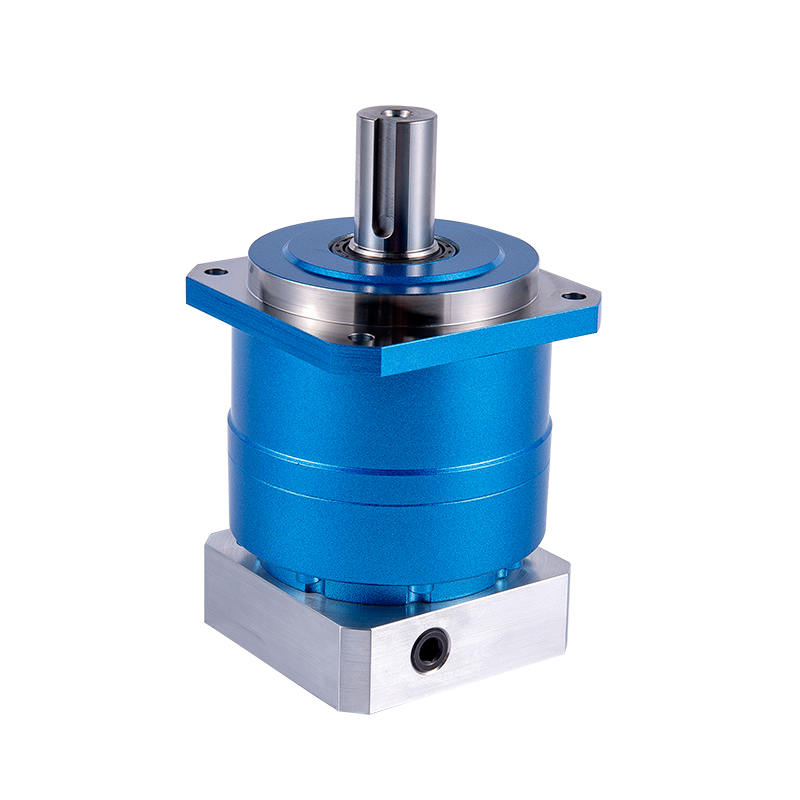
Features of planetary reducer 1. Quiet: Use helical gears to achieve smooth and quiet operation;2. H...
See Details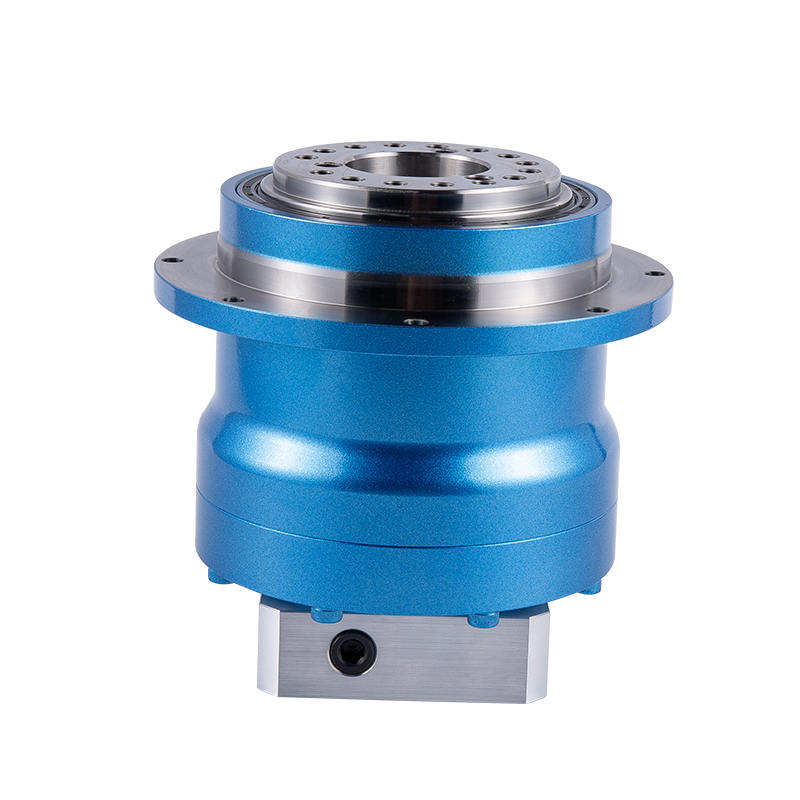
With its high-precision characteristics, the planetary reducer successfully controls the backlash wi...
See Details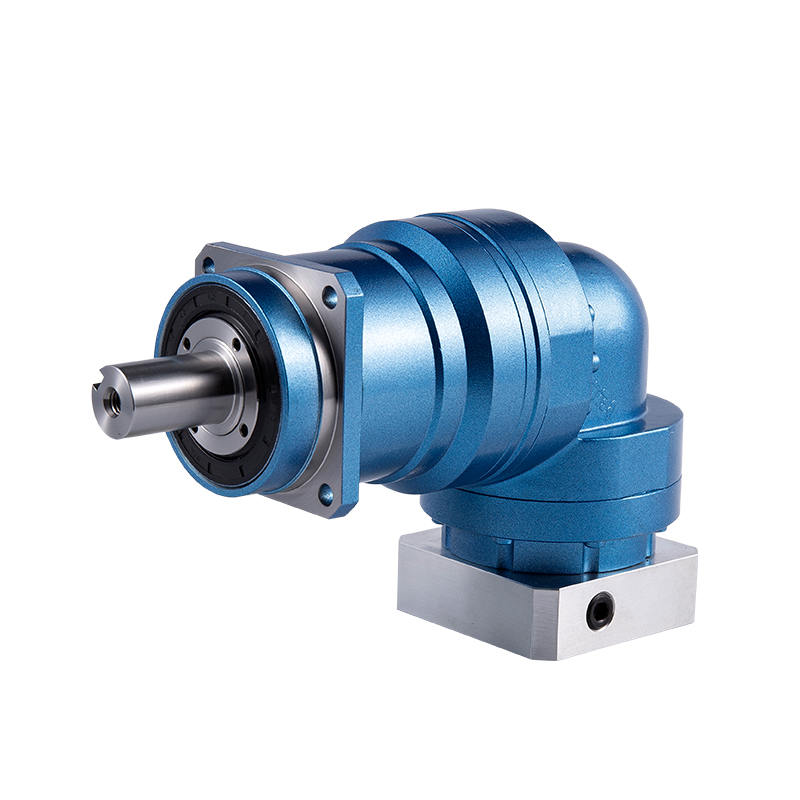
Features of planetary reducer1. Quiet: Use helical gears to achieve smooth and quiet operation;2. Hi...
See Details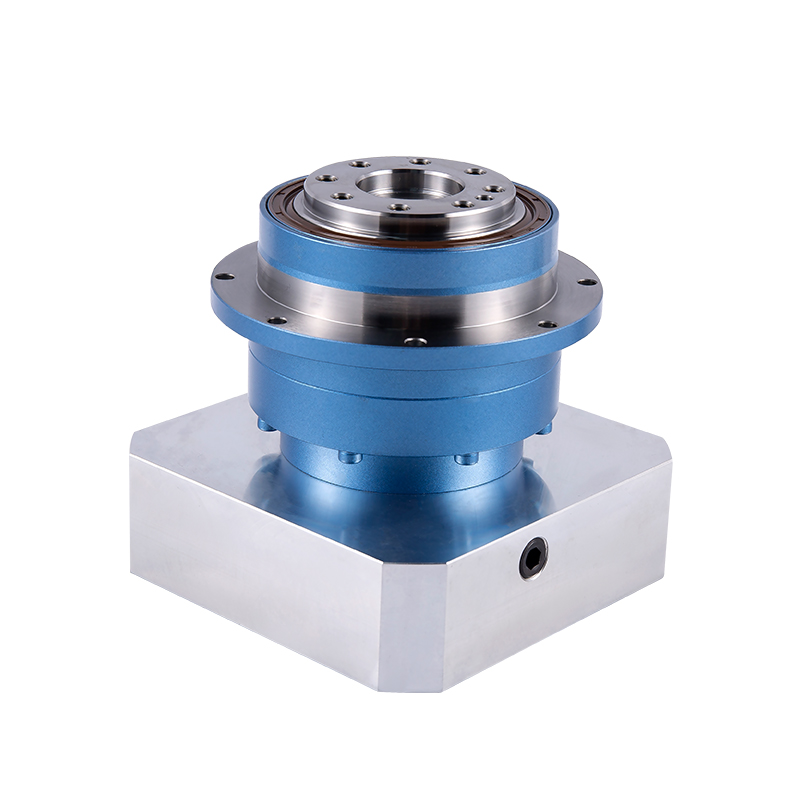
The NHT series planetary reducer adopts an advanced helical gear design, which not only significantl...
See Details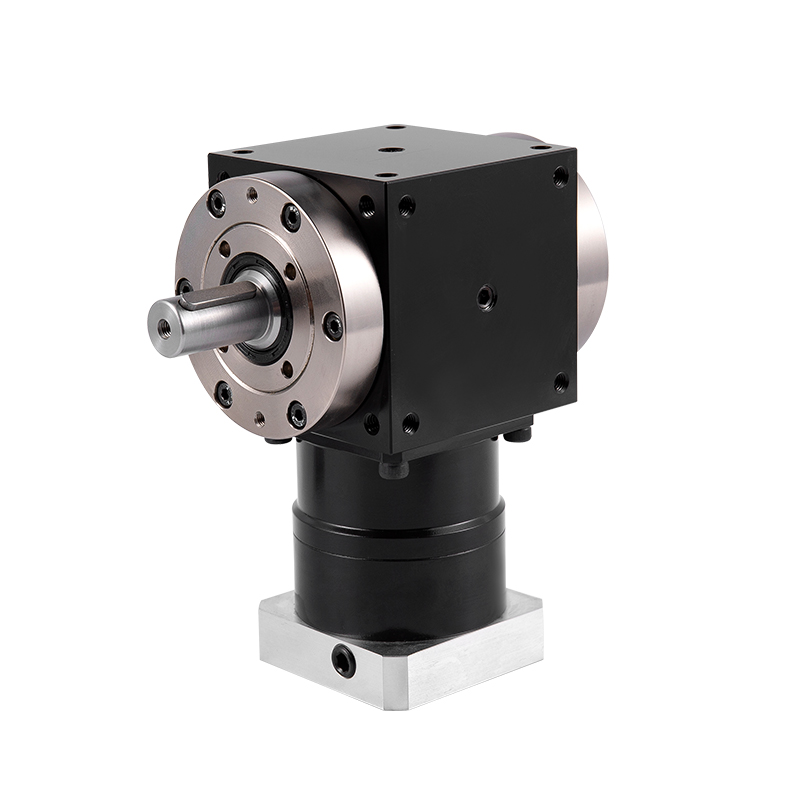
The TD-P series reducer has shown unique advantages in the field of industrial transmission with its...
See Details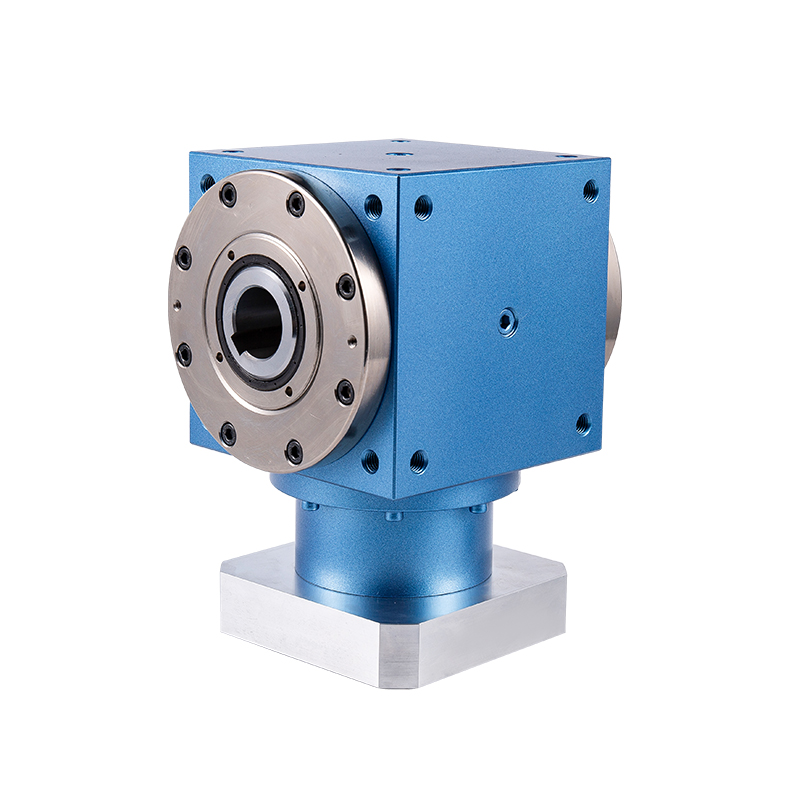
The TD-CR series reducer is centered on the design of hollow shaft output, which not only optimizes ...
See Details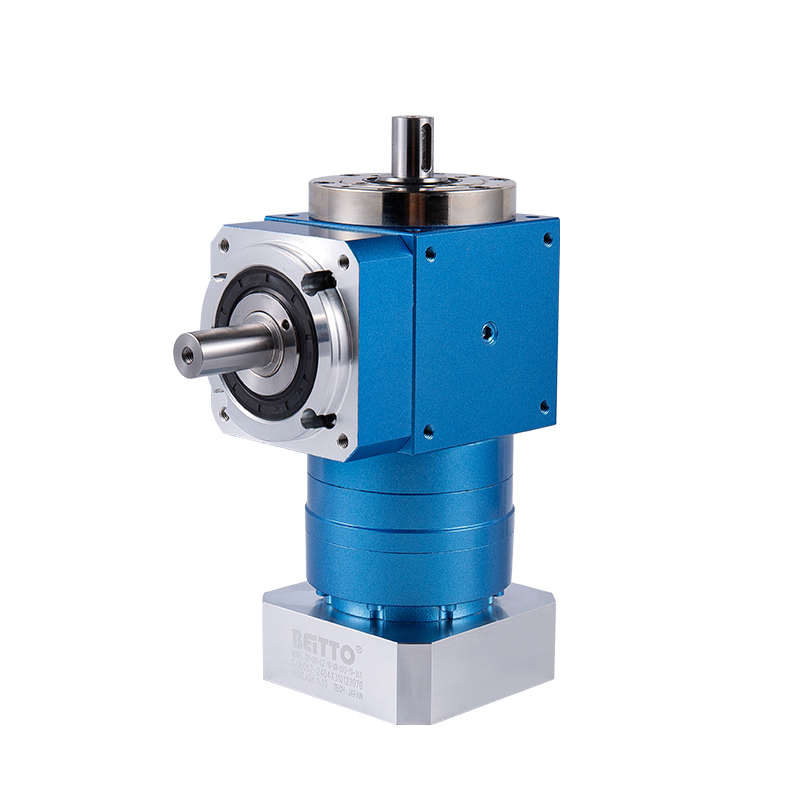
● Various output shaft options● High torque● High efficiency● Long service life● Low backlash● Maint...
See Details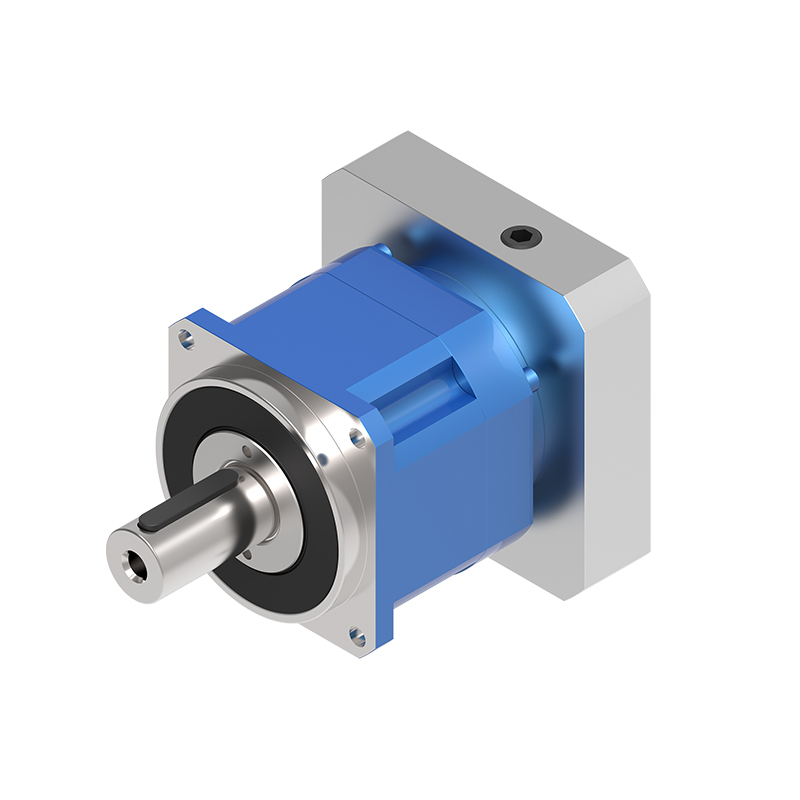
1. Helical gear designThe speed reduction mechanism adopts a helical gear design, and its tooth mesh...
See Details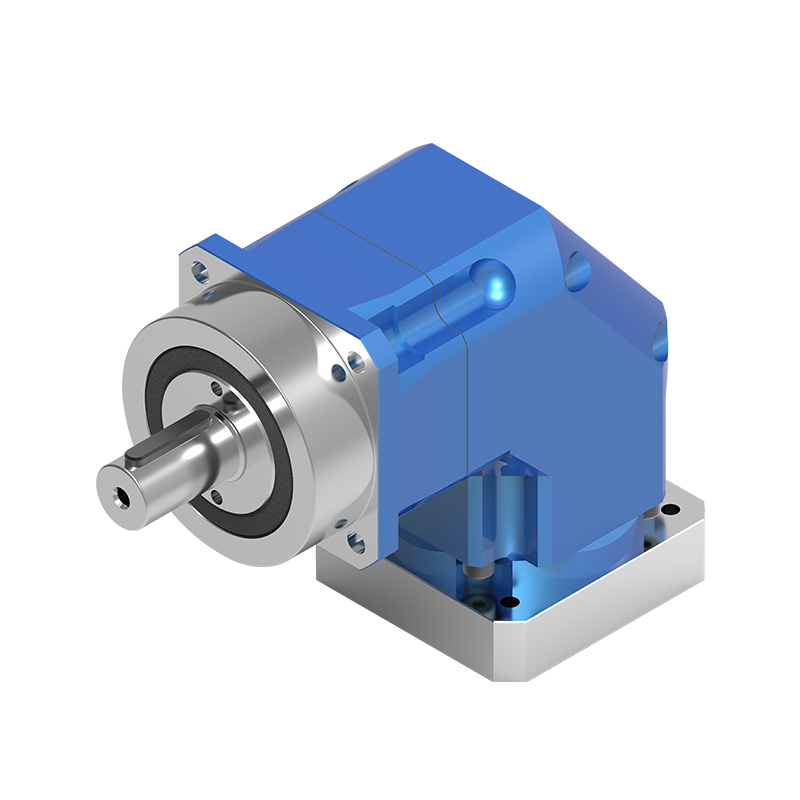
The NSR series planetary reducer adopts a spiral bevel gear design. This innovation not only makes t...
See Details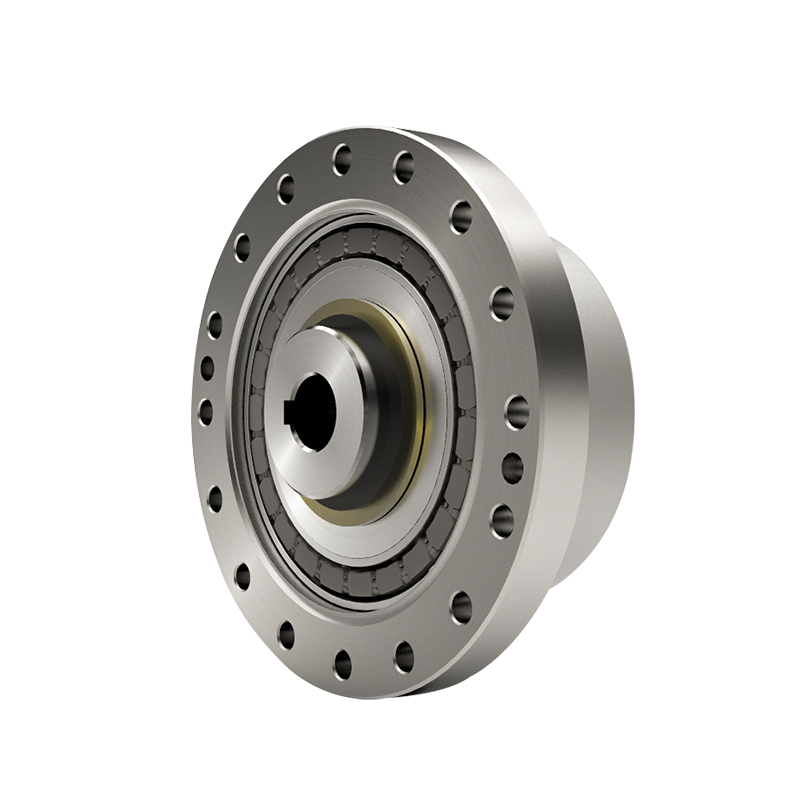
The BCSF series Flexible gear reducer pursues the ultimate lightness and simplicity in design, which...
See Details

