 EN
EN




 English
 русский
 日本語
日本語 Español
Low Backlash High Precision Torque AHB Planetary Gearbox Reducer
Cat:Planetary Reducer
Features of planetary reducer 1. Quiet: Use helical gears to achieve smooth and quiet operation;2. H...
See DetailsAn automation engineer sizing a rotary indexing table for a battery assembly line faces a familiar choice: both planetary and cycloidal reducer datasheets list 10 arcmin precision and similar torque, yet the cycloidal unit tolerates 500% momentary shock while the planetary specifies only 250%. The planetary also runs about 5% more efficient and costs a third less. That contrast is the real planetary vs cycloidal reducers story.
Planetary reducers transmit torque through several planet gears meshing with a central sun gear and a fixed ring gear simultaneously. Cycloidal reducers use an eccentric cam on the input shaft to roll a lobed disc against a ring of cylindrical pins. This single structural difference drives every performance gap between the two types.
Content
Planetary reducers spread torque across three to six planet gears with multiple teeth in mesh at every instant; cycloidal reducers press one eccentric disc against a ring of roller pins, so the load path determines the real capacity and precision of each type.
A four-planet planetary stage keeps 8 to 12 tooth pairs engaged between sun, planets and ring gear, keeping bending stress low on every tooth. A cycloidal stage carries its load through 30% to 50% of its pins, but each contact is a broad rolling surface that converts shock into compression.
| Feature | Planetary | Cycloidal |
| Torque-sharing elements | 3 to 6 planet gears | 1 to 2 lobed discs |
| Active contact points | 8 to 12+ tooth pairs | 30 to 50% of pins |
| Contact type | Involute tooth mesh | Rolling lobe on pin |
| Backlash source | Tooth clearance | Eccentric preload |
For continuous torque at rated speed, planetary reducers carry more load per unit of volume; for momentary shock, cycloidal reducers absorb more than double the peak torque of an equivalent-frame planetary unit.
Continuous load capacity is a thermal and fatigue question. The multiple tooth pairs keep contact stress low and heat generation modest, especially with helical teeth, which raise the contact ratio and spread the load over a larger flank area. China-based gearbox manufacturer Zhejiang Beitto Transmission Technology Co., Ltd. (BEITTO) documents how a planetary gearbox can improve the load capacity of equipment and applies this mechanism in its AHL helical planetary reducer series for continuous-duty automated machines.
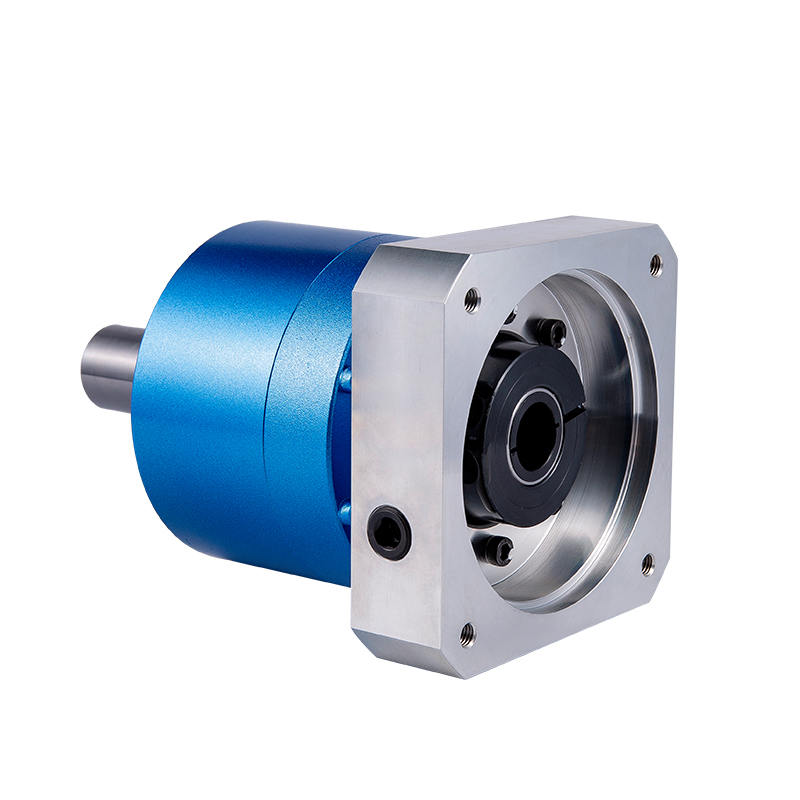 BEITTO AHL Helical Planetary Reducer for Servo MotorsThis planetary gearbox uses helical gears for smooth, quiet operation and high torque density. It suits continuous-duty automated machines that face occasional shock loads, where its rolling-contact design offers greater spike tolerance than conventional gear teeth.View Product →
Shock load capacity follows a different rule. A planetary reducer rated for 200 Nm continuous may survive 400 to 600 Nm spikes for a limited number of cycles before pitting or tooth fracture appears. A cycloidal reducer in the same frame can absorb up to 500% of rated torque in momentary spikes because the disc lobes compress in rolling contact instead of bending gear teeth.
| Criterion | Planetary | Cycloidal |
| Continuous torque density | High | Moderate |
| Momentary shock tolerance | 200 to 300% of rated | Up to 500% of rated |
| Primary failure mode | Tooth pitting or fatigue | Pin or cam brinelling |
| Best duty type | Continuous servo duty | Shock-heavy, low-speed duty |
Precision-grade planetary reducers hold 1 to 3 arcmin backlash with repeatable bidirectional positioning, while cycloidal reducers reach 1 arcmin or less through eccentric preload; under real machining torque, the deciding precision metric is often torsional stiffness, where cycloidal units tend to excel.
Backlash is the angular travel lost when direction reverses. It controls contour accuracy and bidirectional positioning, but it does not tell the whole story: two reducers with identical backlash can move differently under load if their torsional stiffness differs. Stiffness resists elastic windup, and windup appears as position error during acceleration and direction changes.
Planetary backlash comes from tooth clearance, grinding quality, bearing play and assembly control. Precision manufacturers set final backlash on the assembly line. BEITTO documents this step in its guide to assembly accuracy and precise clearance control in planetary reducers, where matched planet sets and preloaded bearings reduce accumulated clearance to a few arcminutes.
Cycloidal reducers eliminate the traditional tooth gap. The eccentric cam constantly preloads the disc against the pins, so no free clearance exists at standstill. As surfaces wear, the mechanism retains much of its stiffness, which is why cycloidal and RV reducers are preferred in robot joints that run millions of cycles without backlash adjustment.
| Metric | Planetary | Cycloidal |
| Standard backlash | 3 to 10 arcmin | 1 to 3 arcmin |
| Precision-grade backlash | 1 to 3 arcmin | Below 1 arcmin |
| Torsional stiffness | High | Very high |
| Backlash drift with wear | Moderate increase | Low, partially self-compensating |
Planetary reducers are typically 3 to 7 percentage points more efficient than cycloidal reducers at the same ratio, and the gap widens as the ratio increases, which means lower heat, a smaller servo motor and a lower lifetime energy bill.
A two-stage planetary reducer at 40:1 usually stays at or above 94% efficiency. A cycloidal reducer at the same ratio is realistically around 88 to 90%, because the eccentric mechanism constantly shears lubricant. At 100:1, precision planetary units still hold roughly 88 to 91%, while cycloidal units commonly fall into the low 80s.
Size comparison reverses at high ratios. Planetary reducers are compact at 3:1 to 20:1 because one stage provides the ratio. At 100:1, a planetary unit needs stacked stages and grows axially, while a cycloidal reducer delivers the ratio in one stage with a short, wide envelope. That is why robotic swivel axes and heavy rotary tables frequently use cycloidal or RV designs despite lower efficiency.
Cost follows manufacturing complexity. A precision cycloidal reducer typically costs 1.5 to 2 times more than an equivalent planetary unit, because the disc profile, cam surface and pin ring require specialized grinding and high-grade bearing steel.
Choose a planetary reducer for continuous precision torque, high efficiency, low cost and compact size at ratios below 60:1; choose a cycloidal reducer when shock loads exceed 300% of rated torque, when a single-stage ratio above 60:1 is required, or when maximum stiffness and near-zero backlash matter more than efficiency.
The decision sequence is short. Record continuous torque, peak torque, input speed and duty cycle. Check whether peak torque exceeds 300% of rated torque more than a few times per hour. Confirm the required ratio. Then compare thermal load: if the motor runs above 50% load for most of the shift, planetary efficiency wins.
For most servo-driven automation equipment, planetary reducers deliver the best balance of precision, efficiency and lifecycle cost. BEITTO's AHB planetary reducer series is applied in automated production lines and robotic actuators, providing repeatable positioning with low backlash across a wide torque range.
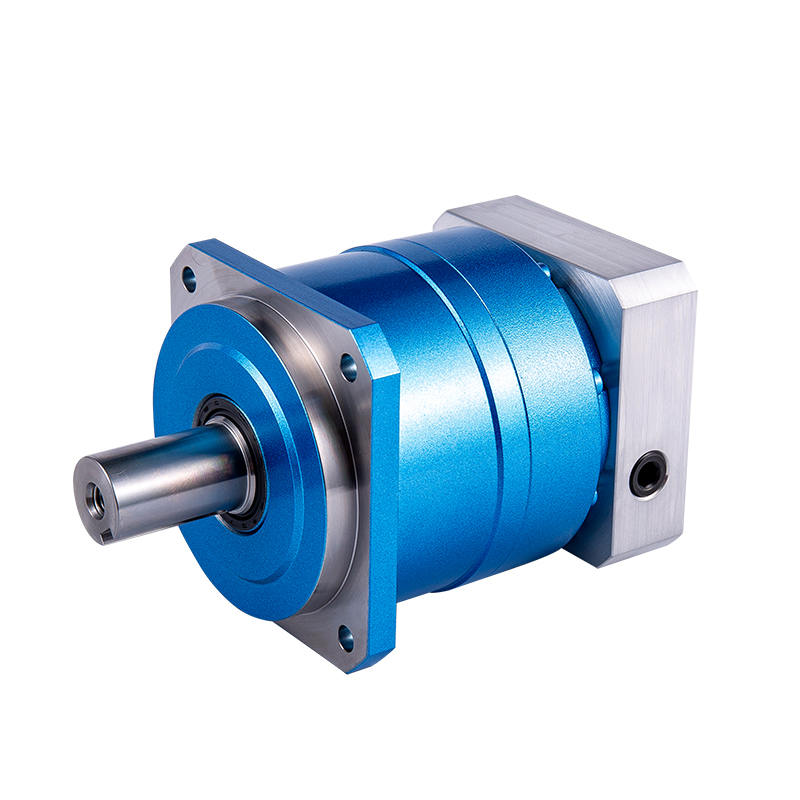 BEITTO AHB Low Backlash Planetary Gearbox for Precision MotionDesigned for servo-driven automation needing accurate positioning, this reducer offers backlash under 3 arcminutes, high rigidity from integral roller bearings, and flange mounting for universal motor compatibility. It suits robotic and high-speed applications where repeatability matters.View Product →
Only after checking three values: maximum input speed, permissible radial and axial load, and thermal rating. Cycloidal reducers often have a lower maximum input speed and lower efficiency, so the same axis may need a larger motor and additional cooling. If the duty cycle is shock-heavy and input speed stays below 1500 rpm, cycloidal can be a drop-in upgrade for torque capacity. For continuous high-speed positioning, planetary remains the better fit.
For continuous rated torque, planetary reducers provide higher torque density and efficiency at ratios below 60:1. For momentary shock, cycloidal reducers tolerate up to 500% of rated torque versus 200 to 300% for standard planetary units. The answer always separates continuous torque from impact survival.
Precision planetary reducers typically reach 1 to 3 arcmin backlash, while cycloidal reducers commonly achieve 1 arcmin or less. Under load, cycloidal units are often stiffer, so real-axis precision can end up similar. Over time, cycloidal preload compensates for wear, whereas planetary backlash can increase as teeth wear unless the unit is adjusted or replaced.
At equal continuous torque, precision and ratio, cycloidal reducers usually cost 1.5 to 2 times as much as planetary units of the same frame size. The gap narrows at ratios above 60:1 because a planetary unit then needs additional stages. For standard automation ratios, planetary is the more cost-effective selection.
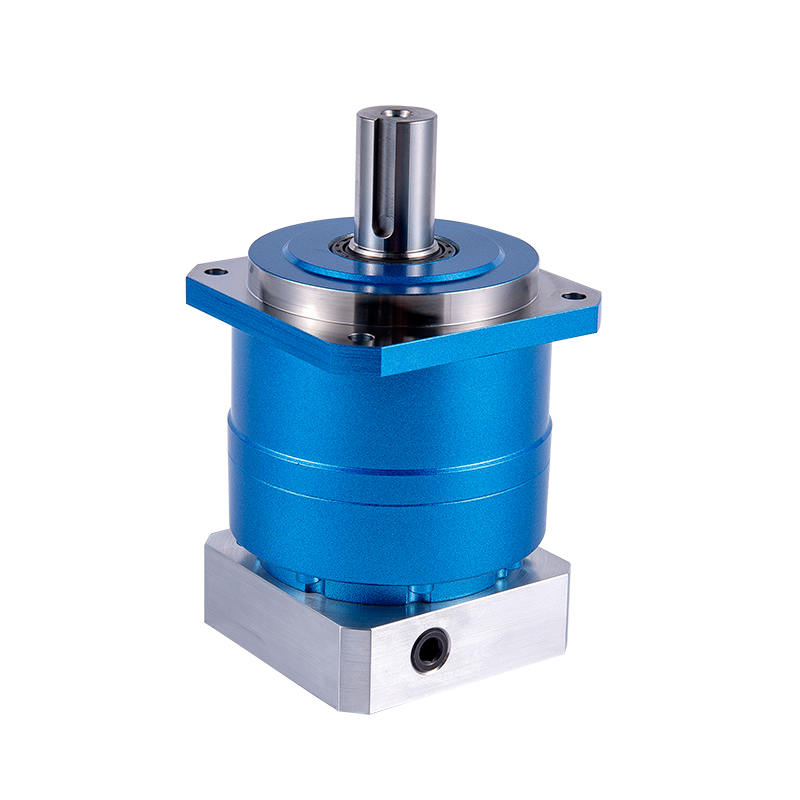
Features of planetary reducer 1. Quiet: Use helical gears to achieve smooth and quiet operation;2. H...
See Details
Planetary reducers have been widely used in many industries for their performance. Their uniquely de...
See Details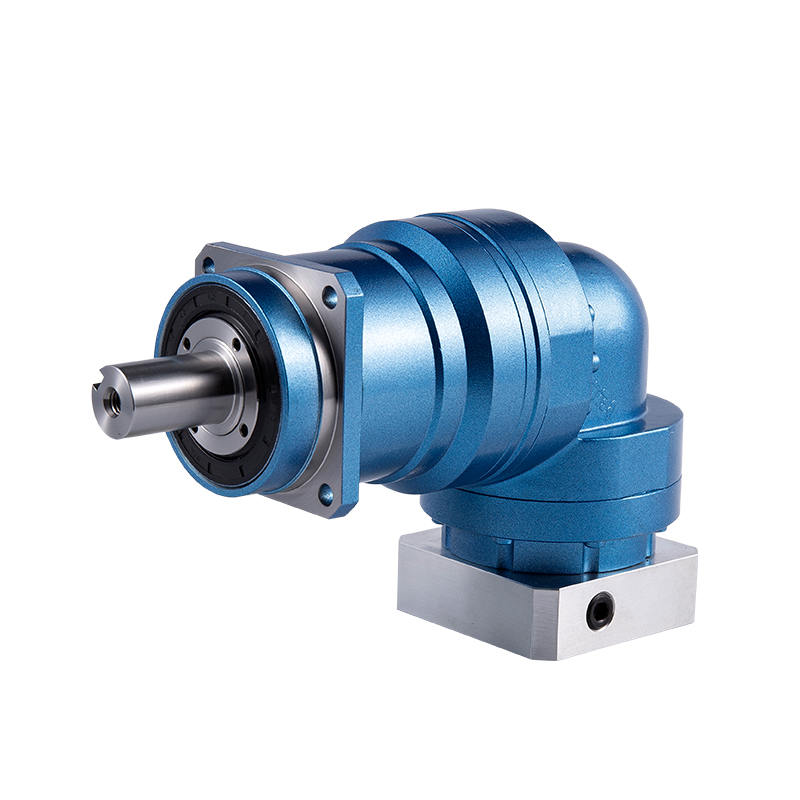
Features of planetary reducer1. Quiet: Use helical gears to achieve smooth and quiet operation;2. Hi...
See Details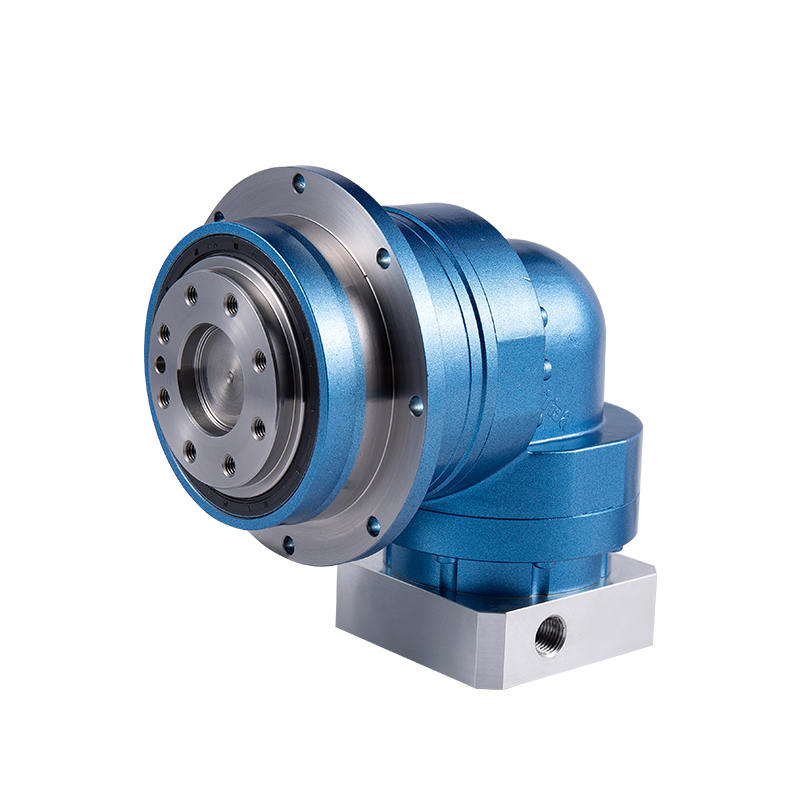
Features of planetary reducer1. High precision: the standard backlash is 4 arc minutes, which is ver...
See Details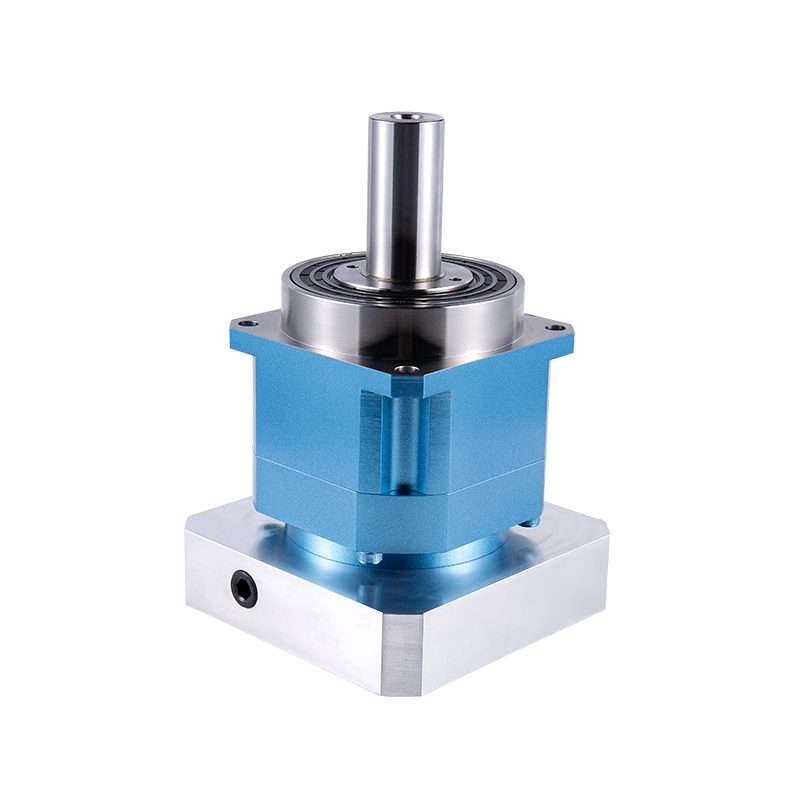
Our reducers incorporate the cutting-edge design concept of helical gears. Compared with traditional...
See Details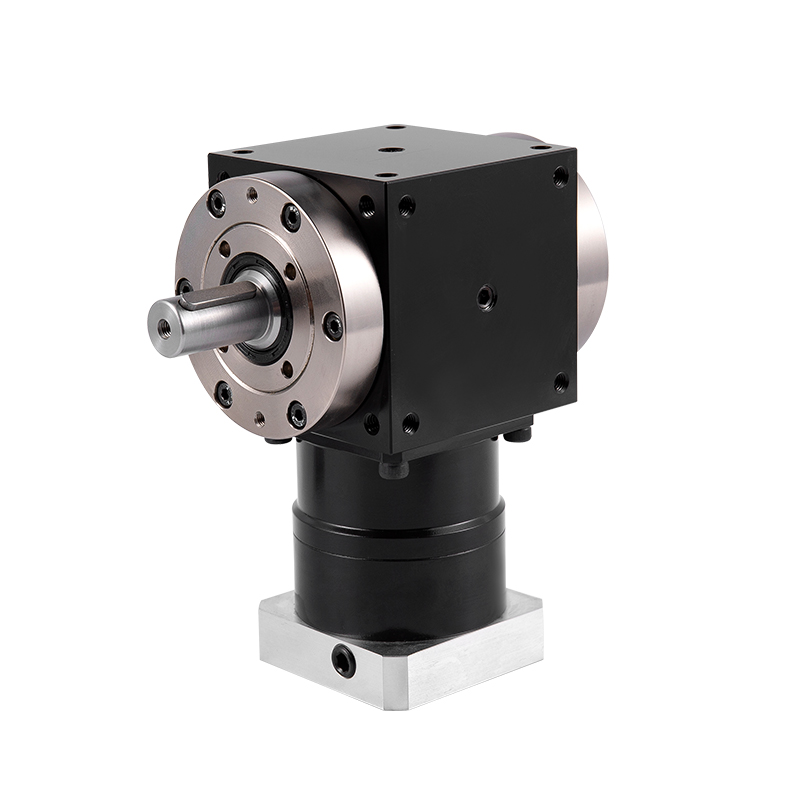
The TD-P series reducer has shown unique advantages in the field of industrial transmission with its...
See Details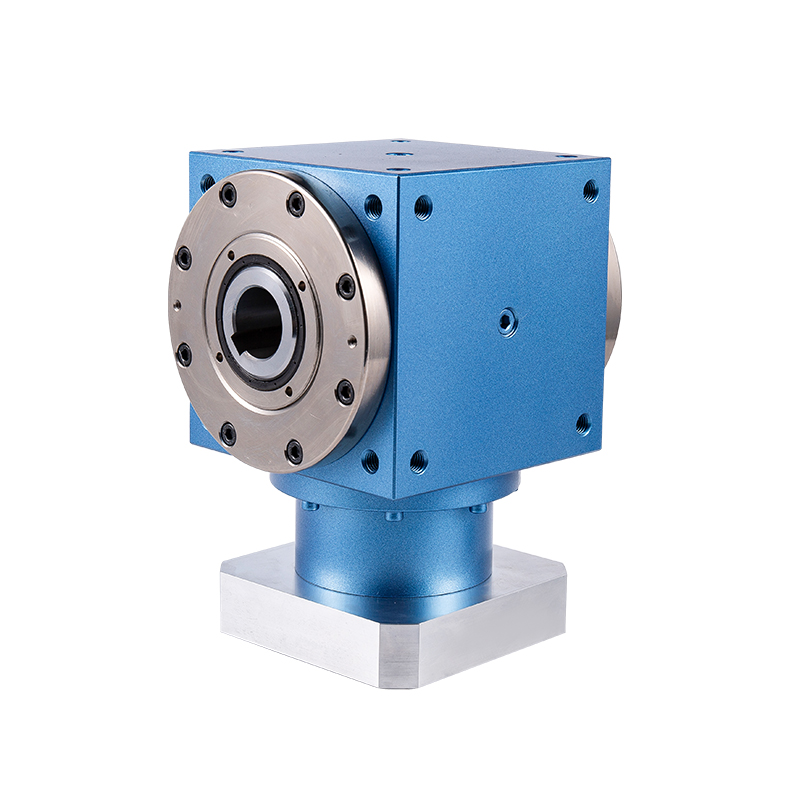
The TD-CR series reducer is centered on the design of hollow shaft output, which not only optimizes ...
See Details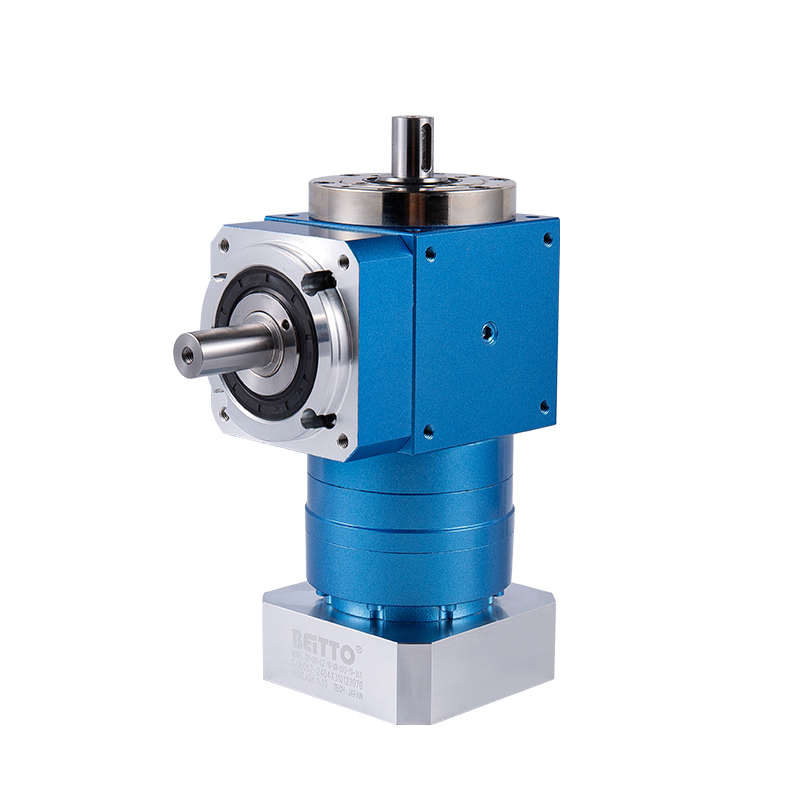
● Various output shaft options● High torque● High efficiency● Long service life● Low backlash● Maint...
See Details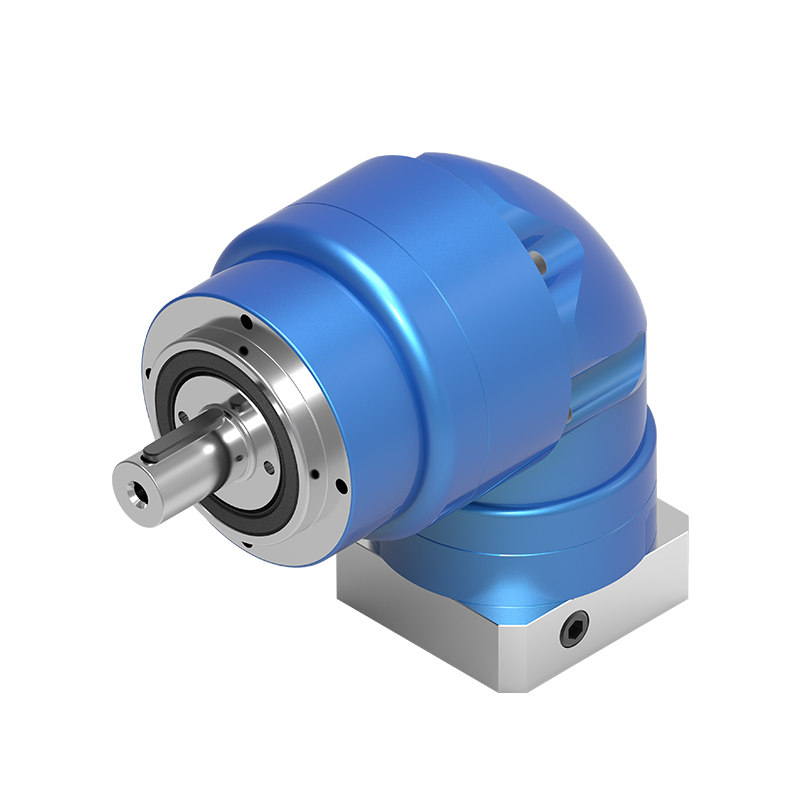
The NLR series planetary reducer adopts a spiral bevel gear design, which allows high-speed input of...
See Details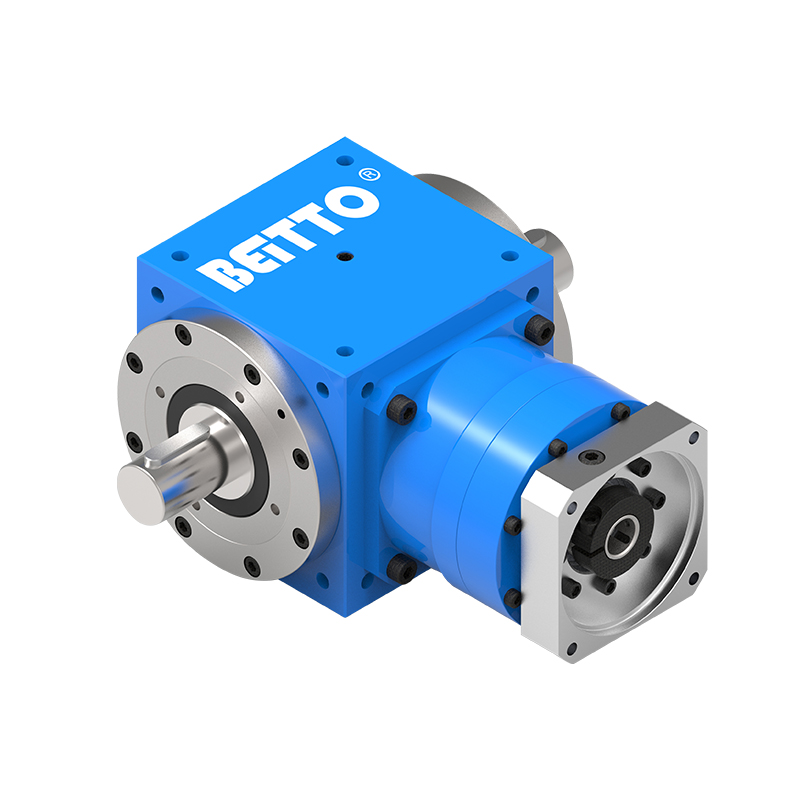
In order to meet the needs of different working conditions, the TD-2P series reducer provides a vari...
See Details

