 EN
EN




 English
 русский
 日本語
日本語 Español
Low Noise Multi specification Integrated-Structure Planetary Reducer AHS Series
Cat:Planetary Reducer
Planetary reducers occupy an important position in the field of industrial automation. The high-prec...
See DetailsWhen a collaborative robot's wrist joint drifts by 0.08 mm under a 1.5 kg load, the failing component is rarely the servo motor. It is the reducer. In robotic joint applications, the harmonic drive vs planetary gearbox decision determines positional accuracy, torque density, compliance, and cost more than any other subassembly. The real question is not which technology is better in the abstract, but which one matches the joint's motion profile.
This guide compares both technologies using measurable parameters: backlash, torsional stiffness, torque density, speed capability, and service life. It ends with a practical selection framework that a design engineer can apply before placing an order.
Content
For robotic joints, a harmonic drive delivers lower backlash and higher torque density, while a planetary gearbox provides higher stiffness and better cost per newton-metre.
Backlash is the free angular movement of the output when the input is held. In a robot joint, it shows up as a dead zone in the control response and as position error when the direction reverses. A harmonic drive deforms a flexspline with a wave generator, creating two meshing zones with almost no gap. A typical harmonic drive reaches backlash of 1 arcmin or better, and many models achieve 0.5 arcmin. A standard planetary gearbox has internal clearance between the sun gear and planet gears, so backlash commonly falls between 3 and 15 arcmin; precision planetary units reach 1 to 3 arcmin at a higher price.
Torque density, meaning rated torque per unit of outer diameter, is the second deciding number. The flexspline of a harmonic drive wraps around a large-diameter circular spline, so the same package size delivers roughly two to three times the torque of a comparable planetary gearbox. For a robot joint, this means a smaller and lighter wrist with the same payload capacity. A planetary gearbox needs more radial space for its planet gears, making it heavier for the same output torque.
| Parameter | Harmonic drive | Planetary gearbox |
| Backlash | 1 arcmin or better | 3-15 arcmin |
| Torque density | 2-3x baseline | Baseline |
| Input speed | 3,000-4,000 rpm | 5,000-10,000 rpm |
| Efficiency | 70-85% | 90-97% |
| Shock load | Low | High |
When the requirement is precision holding, the harmonic reducer deep dive guide covers the control implications of near-zero backlash in more detail.
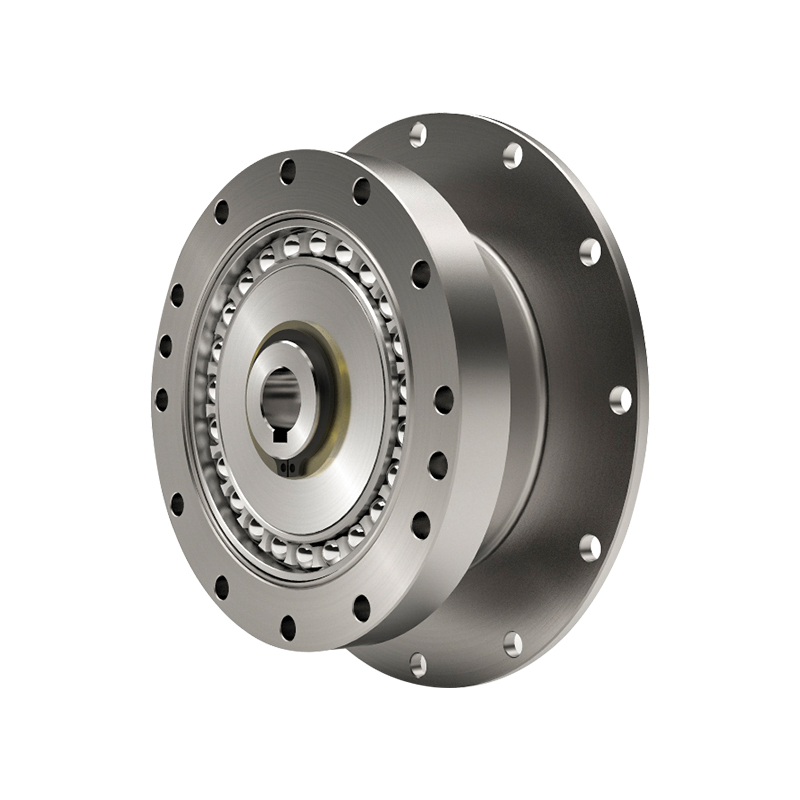 BSHF Series Flexible Gear Reducer with Hollow ShaftThis harmonic reducer offers near-zero backlash and high rigidity, making it ideal for precision holding applications. Its compact hollow-shaft design suits space-constrained robot joints, and the low torsional stiffness affects controller tuning.View Product →
A harmonic drive has lower torsional stiffness than a planetary gearbox, but it also has almost no backlash, and that trade changes how the controller reacts.
Torsional stiffness is the resistance to angular deflection under load. A planetary gearbox, with several planet gears in rolling contact, is stiff; a small unit can show 5 to 10 Nm per arcmin. A harmonic drive is softer, because the flexspline is designed to bend. The lower stiffness, combined with the zero-backlash gap, makes the position loop more predictable but lowers the torsional resonance frequency.
A harmonic drive trades stiffness for zero backlash. For precision holding at low speed, this is almost always the better trade.
If the robot performs point-to-point positioning at low speed with a small payload, the harmonic drive wins. If the joint must reject external forces or handle high acceleration, the stiffer planetary gearbox is easier to stabilise, because the control loop can operate at a higher bandwidth without exciting structural modes.
A planetary gearbox is the correct choice for robotic joints that need input speeds above 4,000 rpm, must survive shock loads, or must stay within a tight budget.
Planetary gearboxes are common in robotics because they are efficient, with 90 to 97% per stage, robust, and affordable. They run at input speeds of 5,000 to 10,000 rpm, while a harmonic drive is normally limited to 3,000 to 4,000 rpm because the flexspline fatigues faster at high speed. The planet gears share load across multiple contact points, so impact forces are distributed. A harmonic drive's thin flexspline can permanently deform under excessive peak torque or a collision. Cost is a third factor: a planetary gearbox of the same frame size typically costs 30 to 50 percent less than a harmonic drive. For a robot with six or seven joints, this difference is significant.
In practice, many robot manufacturers put a harmonic drive on the wrist joints and a planetary gearbox on the shoulder and elbow axes.
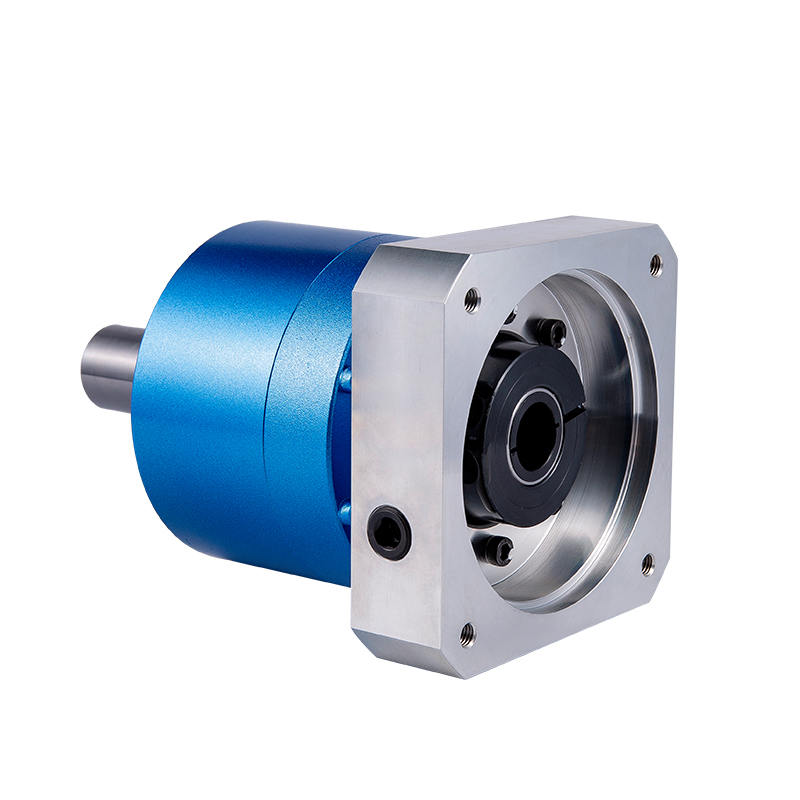 AHL Series Helical Planetary Reducer for Servo MotorsThis helical planetary gearbox provides smooth, low-noise operation and high torque capacity. Its integral bearings and maintenance-free grease reduce downtime, making it a cost-effective choice for shoulder and elbow axes in industrial robots.View Product →
Select the reducer by starting with the positional accuracy requirement, then checking continuous torque and speed, and finally comparing cost and service life.
Working through the joint's real requirements in order prevents the most common mistake, which is ordering a reducer that is oversized for torque but undersized for accuracy.
| Joint function | Recommended reducer | Key spec to verify |
| Wrist rotation | Harmonic drive | Backlash 1 arcmin or better |
| Shoulder axis | Planetary gearbox | Rated torque at max speed |
| Gripper axis | Planetary gearbox | Input speed above 5,000 rpm |
| Tool flange | Harmonic drive | Zero-backlash output |
Order a sample of both technologies on the same frame size and measure closed-loop position error on a loaded test stand. The data will decide faster than a supplier datasheet.
BEITTO manufactures planetary, flexible gear, and multi-output reducers, so a robotic joint can be specified from stocked product families instead of locking into a single technology.
Zhejiang Beitto Transmission Technology Co., Ltd. (BEITTO) builds high-precision planetary reducers in 18 series, flexible gear reducers in the BSHF, BCSF and BCSG series, and a TD series for one-input multiple-output transmission. The company operates a 12,000 square-metre factory with more than 90 employees and over 20 years of gearbox industry experience. BEITTO's production floor follows Japanese precision manufacturing methods and strict quality control, which matters when a joint must hold rated torque over a long service life.
For robot joint flexibility and load capacity, the TDCR series provides a compact multi-output configuration. The TDCR series is designed to improve robot joint flexibility and load capacity while maintaining low backlash.
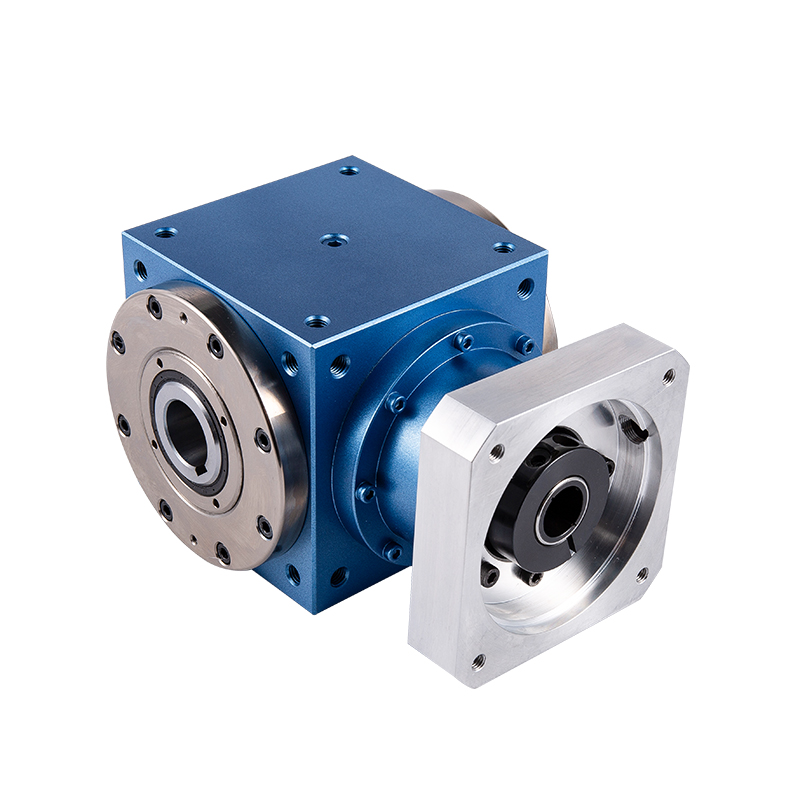 TD-CR Series Hollow-Shaft Spiral Bevel ReducerWith a hollow-shaft output and low backlash, this bevel gear reducer enhances robot joint flexibility and load capacity. Its maintenance-free design and flexible mounting simplify integration, offering a complement to harmonic drives for multi-axis systems.View Product →
Choosing from one supplier that makes both types avoids the part-number churn of mixing two brands on the same robot.
Key takeaway: use a harmonic drive for precision and a planetary gearbox for speed and cost.
A harmonic drive has lower backlash, typically 1 arcmin or better. A precision planetary gearbox reaches 1 to 3 arcmin, but a standard planetary unit usually falls between 3 and 15 arcmin.
It can, but the joint will have higher backlash and lower torque density for the same frame size. The planetary gearbox will also run faster and handle shock loads better, which can be an advantage in a wrist with gripper axes.
The biggest risk is choosing based on rated torque alone. Many engineers forget to check torsional stiffness, input speed, and the joint's actual repeatability. A reducer that is too soft can cause oscillation, and one that is too slow for the motor's maximum speed will shorten its service life.
Start with the continuous torque at the joint, multiply by a peak factor of 2 to 3 for acceleration, then confirm the required input speed. If the joint needs precision holding, also verify the backlash and stiffness against the position control loop.
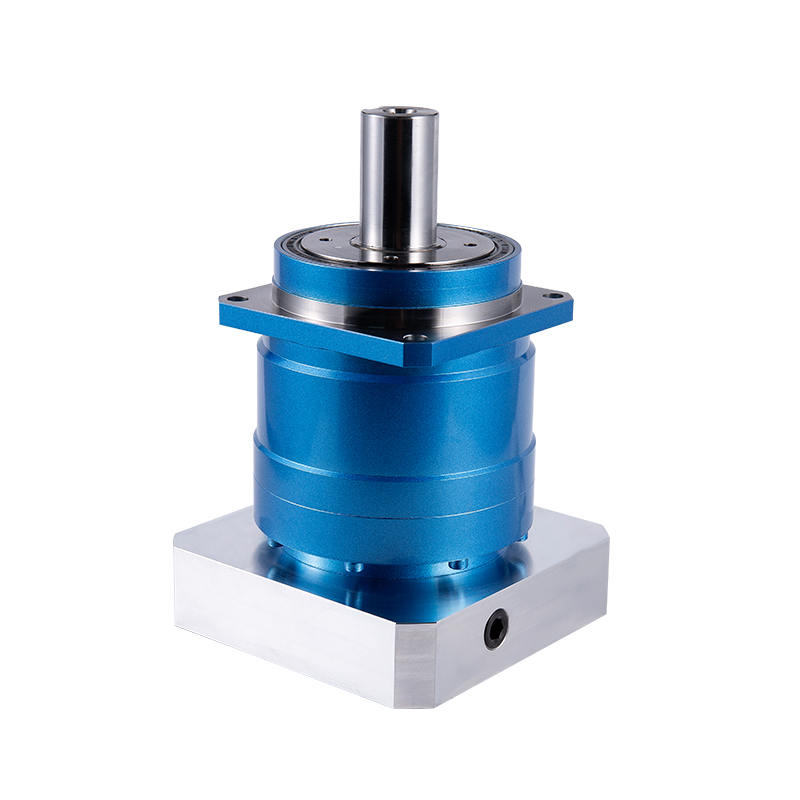
Planetary reducers occupy an important position in the field of industrial automation. The high-prec...
See Details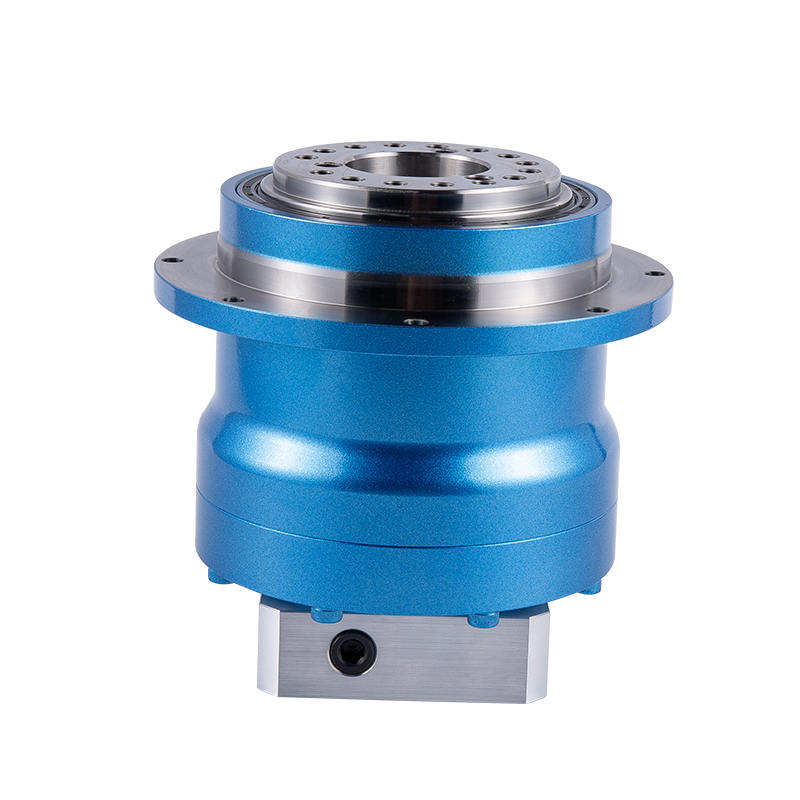
With its high-precision characteristics, the planetary reducer successfully controls the backlash wi...
See Details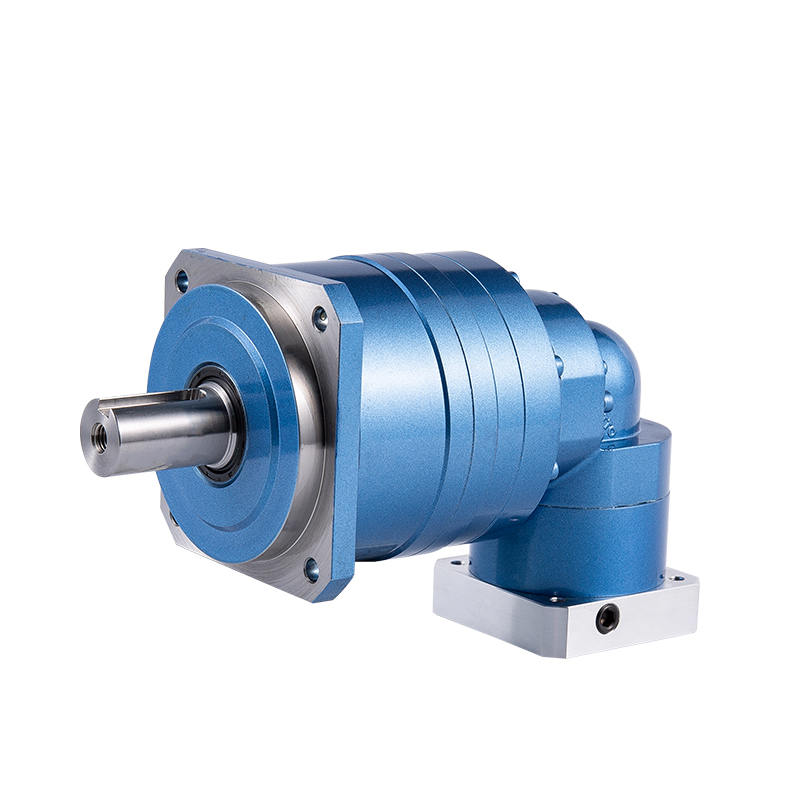
The planetary reducer adopts a helical gear design, which enables smooth and quiet operation and pro...
See Details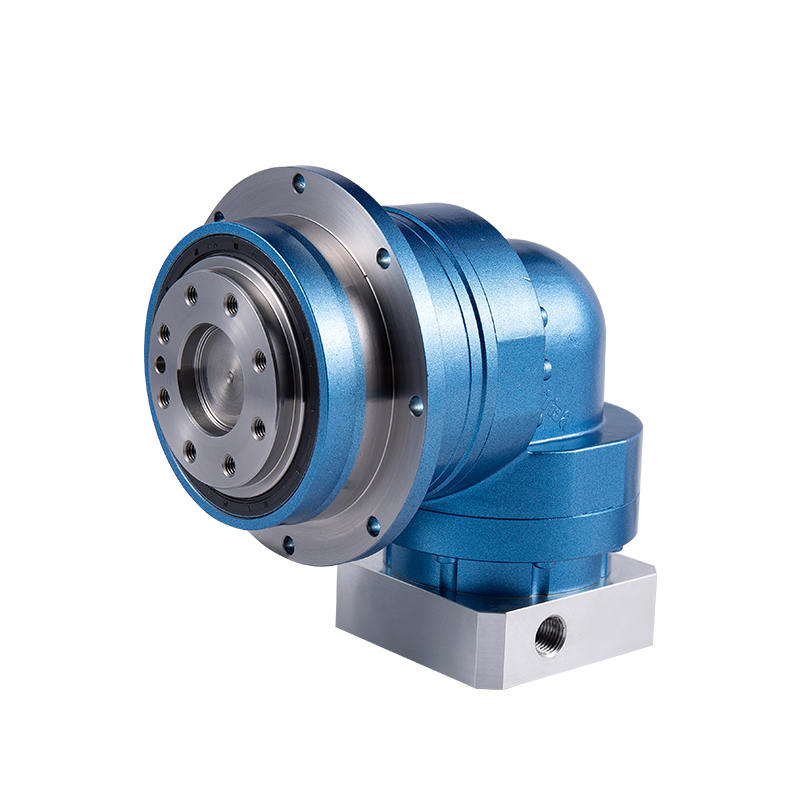
Features of planetary reducer1. High precision: the standard backlash is 4 arc minutes, which is ver...
See Details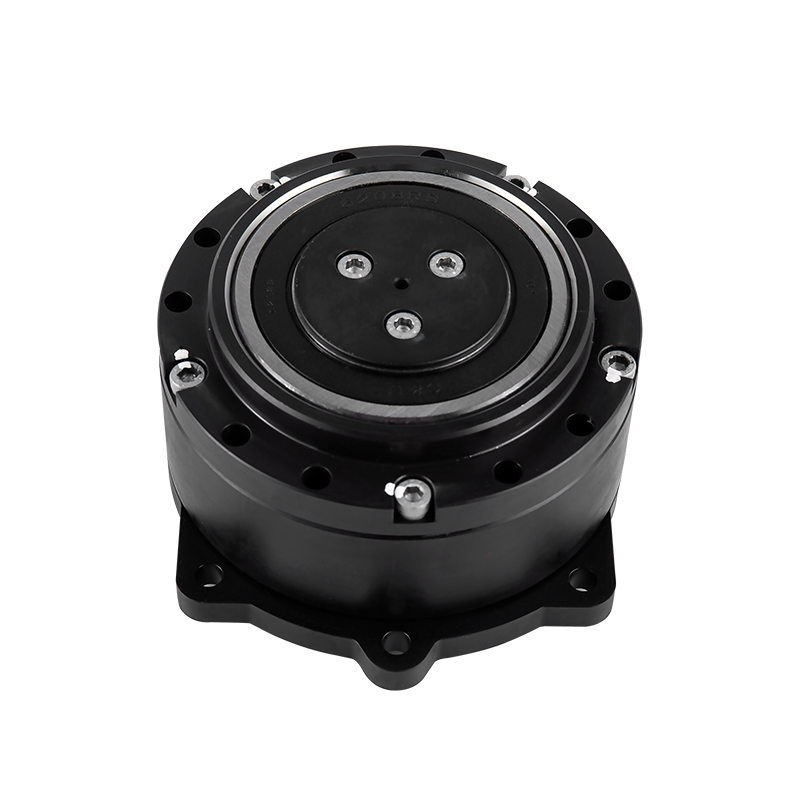
Designed for applications with high radial loads, such as AGV wheel drives, pulley drives. Output op...
See Details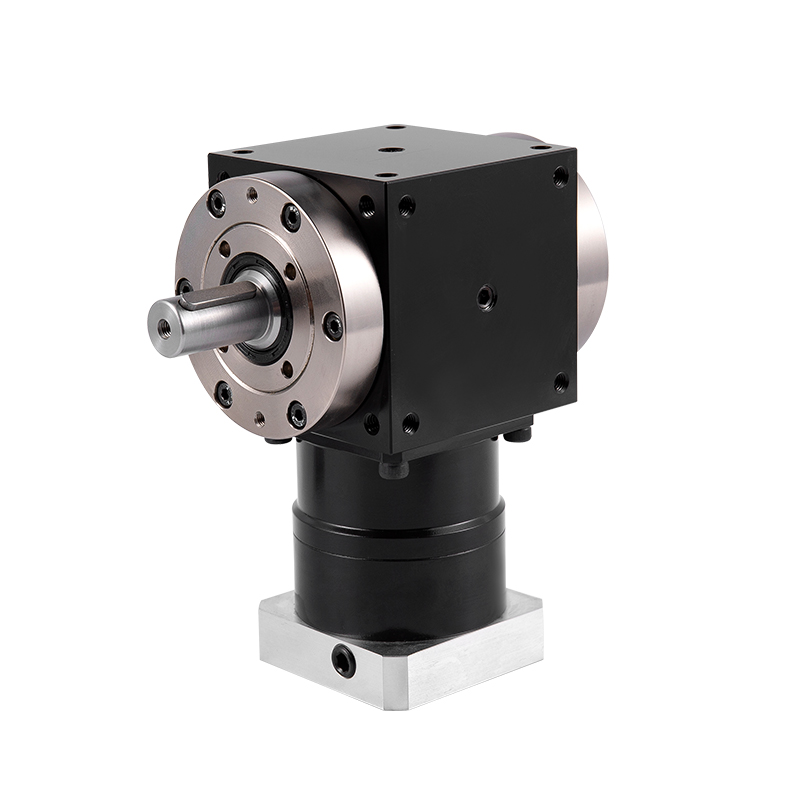
The TD-P series reducer has shown unique advantages in the field of industrial transmission with its...
See Details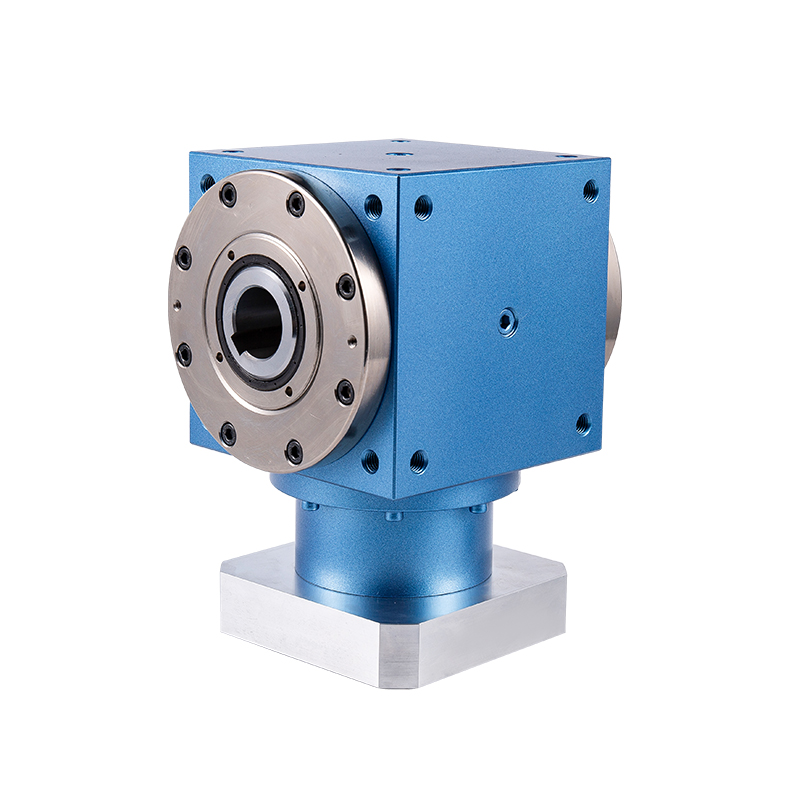
The TD-CR series reducer is centered on the design of hollow shaft output, which not only optimizes ...
See Details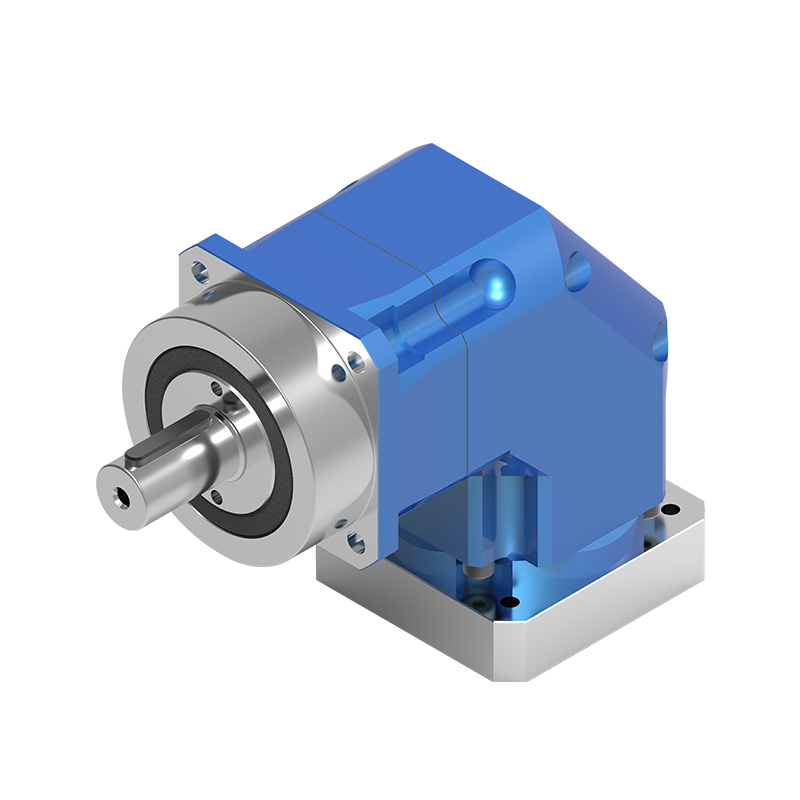
The NSR series planetary reducer adopts a spiral bevel gear design. This innovation not only makes t...
See Details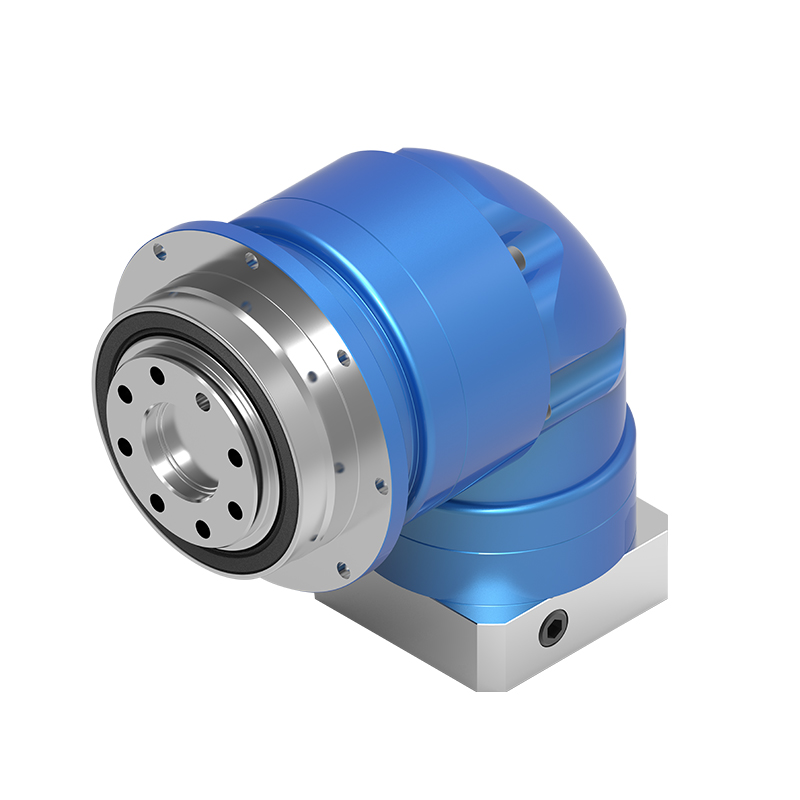
NTR series planetary reducer adopts spiral bevel gear design, which allows high-speed input of servo...
See Details
The BCSG series Flexible gear reducer is designed to be light and simple, which not only effectively...
See Details

