 EN
EN




 English
 русский
 日本語
日本語 Español
Helical Tooth Transmission Gearbox Planetary Reducer AHL Series for Servo Motor
Cat:Planetary Reducer
Planetary reducers have been widely used in many industries for their performance. Their uniquely de...
See DetailsThe industrial landscape is constantly pushing the boundaries of automation, requiring smaller, faster, and more precise motion control solutions. At the heart of this evolution lies the Right-angled Gearbox Reducer, a critical component engineered to transmit power and torque while changing the axis of rotation by 90 degrees. This unique ability is indispensable in space-constrained applications, allowing the motor to be tucked away, leading to a much more compact machine footprint. Modern gearbox design is a sophisticated blend of mechanical engineering, material science, and computational analysis, moving far beyond simple gear trains. Contemporary units offer significantly increased power density, reduced noise levels, and superior thermal management compared to their predecessors. The current 'revolution' is not just about raw power, but about the seamless integration of these mechanical components into high-speed, high-precision electronic control systems, ensuring that every movement is both powerful and perfectly executed. This in-depth guide will navigate the complex engineering principles, key types, and selection criteria that define the modern Right-angled Gearbox Reducer market.
Content
The Right-angled Gearbox Reducer is fundamentally designed around a set of gears that transfer rotational energy at an orthogonal angle. The choice of gearing—such as bevel, worm, or planetary—dictates the unit's core characteristics, including efficiency, torque capacity, ratio capability, and backlash. For instance, bevel gears offer high efficiency but lower ratio ranges, while worm gears achieve exceptionally high ratios but suffer from reduced efficiency due to sliding contact. Planetary systems, when combined with an angular stage, offer high power density and excellent torsional rigidity. The housing, typically made of cast iron or aluminum, serves as a structural backbone and a critical thermal management device, dissipating the heat generated by friction. Furthermore, the selection of bearing type, seal design, and lubrication method are crucial factors that determine the reducer's long-term reliability and maintenance cycle. A comprehensive understanding of these internal mechanisms is paramount for engineers seeking to optimize a mechanical system’s performance and lifespan, especially in demanding, continuous-duty cycles.
The Compact Right-angle Bevel Gear Drive stands out in applications where installation space is severely limited. Its inherent design, utilizing bevel gears (often spiral bevel for smoother, quieter operation), allows for an efficient and relatively high-speed transfer of power. Spiral bevel gears feature a curved, oblique tooth line that engages gradually, leading to higher torque transmission capacity and quieter running compared to straight-cut bevel gears. These compact drives are typically characterized by a 1:1 to 5:1 ratio range and are highly favored in distribution systems, printing machines, and light to medium-duty material handling. Their compact nature is achieved through optimization of gear geometry and the use of high-strength alloys, which reduces the overall envelope size without compromising performance. However, due to the gear geometry, the mounting and shimming of bevel gears require high precision to ensure correct tooth contact, which is vital for long life and minimal noise. When selecting a compact drive, engineers must scrutinize the thermal capacity as the reduced size can limit heat dissipation in continuous operation, potentially requiring external cooling methods.
| Gear Type | Efficiency | Noise Level | Thrust Load | Manufacturing Complexity |
| Straight Bevel | High | Moderate to High | Moderate | Low |
| Spiral Bevel | Very High | Low | High | High |
For applications demanding exceptionally high reduction ratios and significant output torque, the High Torque Right-angle Worm Gearbox is the preferred choice. The mechanical interaction of a worm (a screw-like component) and a worm wheel allows for ratios well exceeding 60:1 in a single stage, which is difficult to achieve with other gear types without compounding. This unique sliding contact mechanism provides a distinct advantage: a built-in "self-locking" capability at high ratios, meaning the load cannot drive the worm, which is invaluable for safety and positioning in lifting or conveyor applications. While this sliding action contributes to the high torque and ratio, it also results in the primary drawback of worm drives: reduced mechanical efficiency and significant heat generation. Consequently, proper thermal rating and lubrication are critical to prevent overheating and premature wear, especially when the gearbox is subjected to continuous high-load cycles. Designers must carefully balance the need for high torque with the required operational duty cycle to select a unit with adequate thermal capacity, often necessitating larger heat-dissipating housing or specialized cooling fins.
| Reduction Ratio (approx.) | Self-Locking Feature | Typical Efficiency Range | Thermal Rating Constraint |
| < 20:1 | Unlikely | 75% - 90% | Torque Limited |
| > 30:1 | Possible/Likely | 50% - 75% | Thermal Limited |
In modern automation, particularly in CNC machinery, robotics, and high-speed indexing, the accuracy of motion is paramount. The term "backlash" refers to the angular clearance, or free movement, between the teeth of meshing gears. While inevitable, excessive backlash can lead to cumulative positioning errors, poor repeatability, and vibration, severely degrading the performance of a machine tool or robot. Addressing this requires specialized design and manufacturing techniques, culminating in the Low Backlash 90 Degree Gearbox. These gearboxes are crucial for achieving the dynamic stiffness and repeatability demanded by precision applications. Reducing backlash involves tighter manufacturing tolerances, high-precision grinding of gear teeth, and often the use of preloaded gear arrangements, such as split-pinion or adjustable-center-distance designs. The focus shifts from merely transmitting power to ensuring that the output shaft moves in exact proportion to the input, without any unwanted lost motion. Engineers often specify backlash in arc-minutes (e.g., < 3 arc-min) to quantify the level of precision required, making this a key metric in drive train selection.
The technology behind a Low Backlash 90 Degree Gearbox represents the pinnacle of gear manufacturing and assembly precision. Precision-grade reducers often incorporate spiral bevel or hypoid gearing with extremely tight tolerances, sometimes utilizing a duplex gear mesh where the pinion is slightly oversized to completely eliminate clearance, albeit at the cost of slight initial heat generation and required run-in. A more common technique involves integrating a secondary planetary stage which inherently offers higher torque density and stiffness, with the angular stage then designed for minimal clearance. The most critical factor for maintaining low backlash throughout the life of the gearbox is the rigidity of the housing and the quality of the bearings, as deflection under load can effectively increase the operating backlash. High-precision units often use large, widely spaced output bearings to handle high radial and axial loads while preventing shaft "whip" or deflection, ensuring the gear mesh remains perfect. Selecting a Low Backlash 90 Degree Gearbox is not simply about specifying a low number; it involves considering the required life, the duty cycle (e.g., continuous vs. intermittent motion), and the operating temperature to ensure the quoted backlash is maintained under real-world operating conditions.
| Application Grade | Typical Backlash Range (arc-minutes) | Required Stiffness | Example Applications |
| Standard/Industrial | 10 to 30 | Moderate | Conveyors, Basic Agitation |
| Precision/Servo | < 5 | High | CNC Axis Drives, Indexing Tables |
| Ultra-Precision/Robotics | < 1 | Very High | Surgical Robotics, High-Speed Pick-and-Place |
Selecting Right-angle Gearbox for Servo Motors is a sophisticated engineering task that demands a deep understanding of the dynamic interplay between the motor and the mechanical load. Servo motors are characterized by high speed, rapid acceleration, and the ability to reverse direction instantly, meaning the coupled gearbox must possess exceptional torsional rigidity and low inertia to translate the motor's command accurately. The gearbox acts as an impedance match, converting the motor's high speed and low torque into the high torque and lower speed required by the application. Key selection parameters include the gearbox's reflected inertia (which should ideally be close to the motor's rotor inertia for optimum control), the torsional stiffness (measured in Nm/arc-min), and the thermal rating, as the rapid acceleration and deceleration cycles generate significant heat. Overlooking these factors can lead to poor servo loop performance, hunting, and ultimately, thermal failure of the unit. The selection process typically involves calculating the load inertia, determining the required output torque (peak and RMS), and then choosing a reducer with the right ratio and thermal capacity that can handle the dynamic stress profiles of the servo system. Planetary-bevel gear designs are often favored in this context due to their high power density and stiffness-to-weight ratio.
| Parameter | Description | Importance in Servo Systems |
| Torsional Stiffness | Resistance to elastic deformation under torque load. | Critical for dynamic accuracy and settling time. |
| Inertia Ratio | Ratio of load inertia (reflected) to motor inertia. | Optimizes servo control loop performance. |
| Maximum Backlash | Free play (lost motion) at the output shaft. | Directly impacts positioning repeatability. |
The future of Right-angled Gearbox Reducer technology is intrinsically linked to the demand for higher efficiency, increased power density, and better integration with smart factory environments. Engineers are constantly pushing the limits of materials science, utilizing specialized gear coatings and high-end ceramics to reduce friction and improve wear resistance, which directly contributes to efficiency gains. The focus on the Efficiency of Right-angle Planetary Reducer is a key trend, as this design minimizes energy loss by distributing the load across multiple planetary gears, resulting in higher mechanical efficiency than many other orthogonal designs. Furthermore, the integration of condition monitoring sensors (e.g., vibration, temperature) into the gearbox housing is becoming standard practice. This allows for predictive maintenance, where the unit can signal an impending failure long before catastrophic breakdown, minimizing costly downtime. The industry is moving towards "smart" gearboxes that communicate their operational status, lubricating needs, and thermal health, making them a true component of the Industrial Internet of Things (IIoT). These trends signal a shift from the gearbox as a purely mechanical component to a sophisticated, data-generating node in an automated system.
Understanding and calculating the Efficiency of Right-angle Planetary Reducer is vital for energy consumption and thermal management, as any lost energy is converted into heat. Planetary reducers, in general, are known for high efficiency (often >97% per stage), which is maintained because the load is shared across multiple gear meshes, reducing the stress and friction at any single point. When a planetary stage is combined with an angular stage (usually a spiral bevel gear set) to create a right-angle unit, the overall efficiency is the product of the individual stage efficiencies. The key to optimizing this performance lies in two main areas: minimizing contact friction and reducing churning losses from the lubricant. Modern designs utilize highly precise, ground gear teeth with optimized profiles to maximize rolling contact and minimize sliding. Furthermore, the use of high-grade synthetic lubricants and sophisticated internal channels minimizes the energy wasted on 'churning' the oil, especially at high input speeds. Engineers calculate efficiency not just at the nominal load, but across the entire operating range, as it can fluctuate significantly. A high efficiency means a cooler running gearbox, allowing for a smaller, more cost-effective unit to be selected for a given application's power throughput.
| Gearbox Type | Single Stage Right-angled Gearbox Reducer Efficiency | Primary Loss Mechanism |
| Planetary (Coaxial) | 96% - 98% | Sliding/Rolling Friction, Bearings |
| Bevel Gear Drive (Right-angle) | 94% - 97% | Thrust Bearings, Sliding Contact |
| Worm Gearbox (Right-angle) | 50% - 90% (Ratio Dependent) | High Sliding Contact (Heat) |
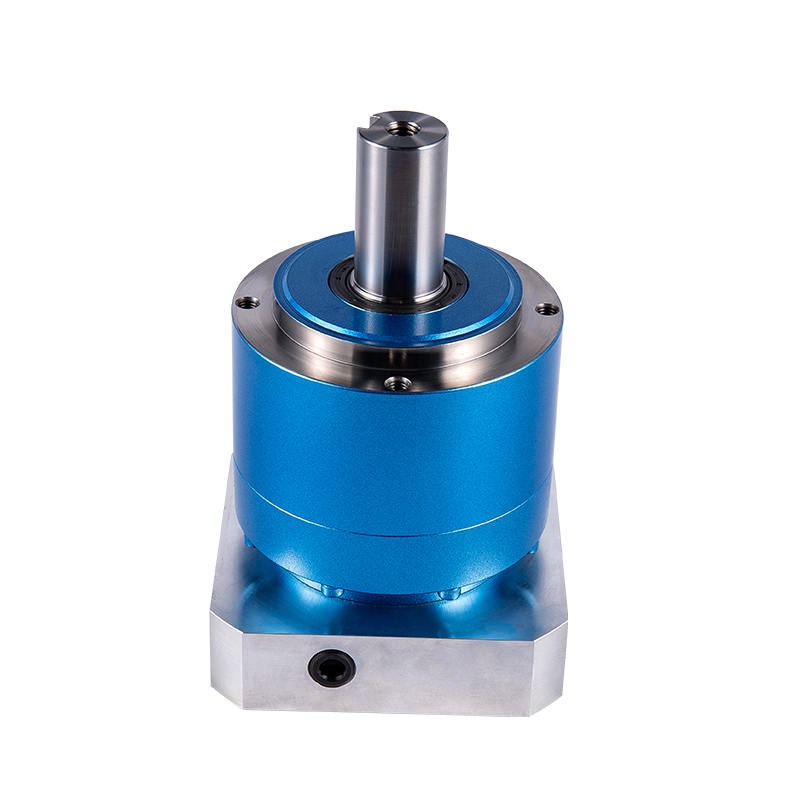
The selection between a bevel gear and a worm gear Right-angled Gearbox Reducer hinges on a critical trade-off between efficiency/speed and ratio/torque density. Bevel gear drives (specifically spiral bevel) offer very high mechanical efficiency (up to 97%) and are suitable for high-speed operation, making them excellent choices for synchronized motion or power transmission where energy conservation is paramount. However, they are generally limited to lower reduction ratios (e.g., 1:1 to 6:1) per stage. Conversely, worm gear reducers provide a much larger reduction ratio in a single, very compact stage (e.g., 5:1 up to 100:1) and offer a self-locking feature at high ratios, which can simplify system design by eliminating external brakes. The drawback is that the sliding contact between the worm and wheel generates significant friction, resulting in considerably lower efficiency (often 50% to 90%) and higher heat output, which can become a thermal limiting factor in continuous, high-power applications. Therefore, the decision is a function of whether your application prioritizes speed/efficiency (bevel) or high ratio/self-locking capability (worm).
Temperature management is arguably the most critical factor influencing the service life and reliability of a High Torque Right-angle Worm Gearbox. Due to the high sliding friction inherent in their design, a significant portion of the input power is converted into heat. Elevated operating temperatures have a detrimental impact in several ways: 1. They dramatically reduce the service life of the lubricant, causing it to break down and lose its protective properties, leading to excessive wear on the gear teeth and bearings. 2. They can accelerate the wear of the bronze worm wheel. 3. Excessive heat can cause thermal expansion of the housing and internal components, potentially altering the precision gear mesh and increasing wear, which leads to premature failure. Manufacturers provide thermal ratings that limit the maximum continuous power the unit can transmit before overheating. Exceeding this thermal rating, even if the mechanical torque limit is not reached, will severely compromise the gearbox's longevity, often reducing it by half for every $10^{\circ}\text{C}$ rise above the recommended operating temperature.
The Ingress Protection (IP) rating is highly significant when Selecting Right-angle Gearbox for Servo Motors, especially in harsh industrial environments such as wash-down areas, food processing, or dusty manufacturing floors. The IP rating, a two-digit code (e.g., IP65, IP67), quantifies the gearbox's resistance to the intrusion of solid foreign objects (dust, first digit) and liquids (water, second digit). For precision servo applications, contamination is a major concern. Dust and fine particles can enter through inadequate seals and contaminate the lubricant, accelerating wear on the high-precision components (gears and bearings). Water ingress, particularly in wash-down areas, can lead to corrosion and immediate bearing/gear failure. A typical industrial-grade servo gearbox will often specify IP65 (dust-tight, protected against water jets), while demanding environments may require IP67 (dust-tight, protected against temporary immersion in water). Ensuring the correct IP rating is selected is a preventative measure crucial for maintaining the low-backlash, high-precision performance required by servo systems over a long operational lifespan.
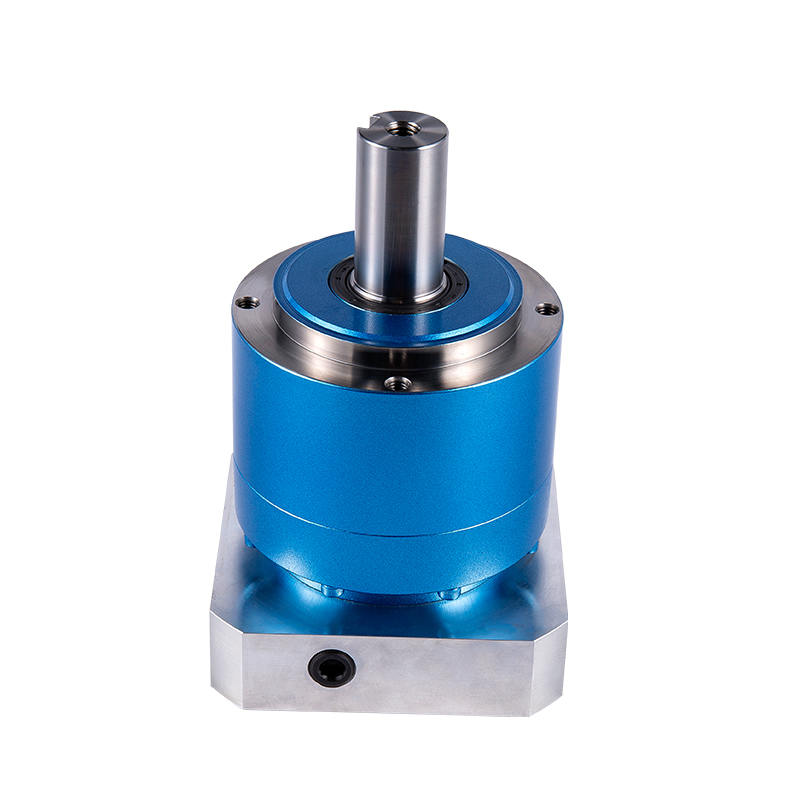
Planetary reducers have been widely used in many industries for their performance. Their uniquely de...
See Details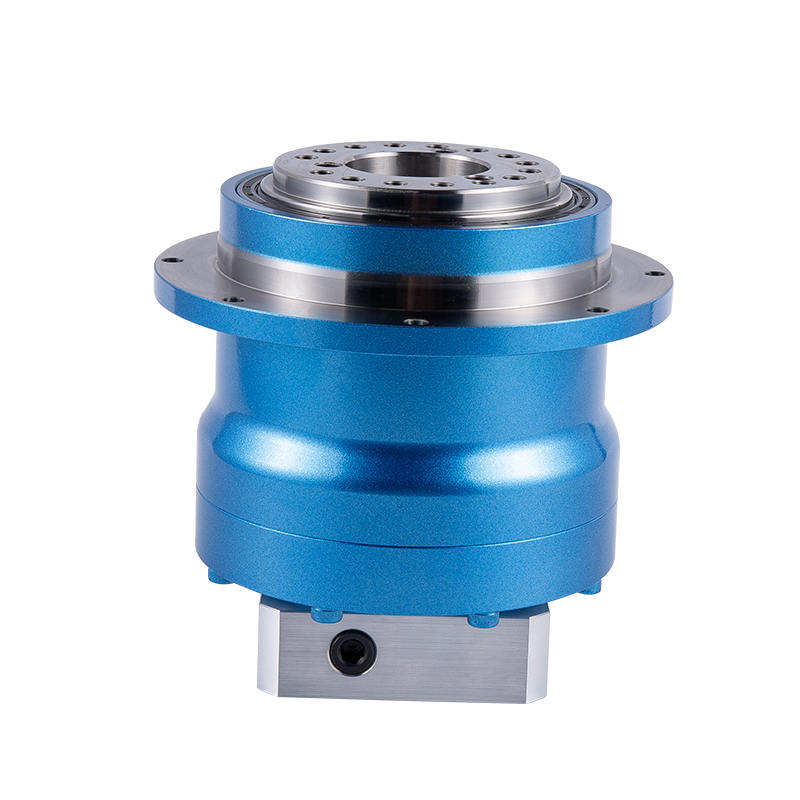
With its high-precision characteristics, the planetary reducer successfully controls the backlash wi...
See Details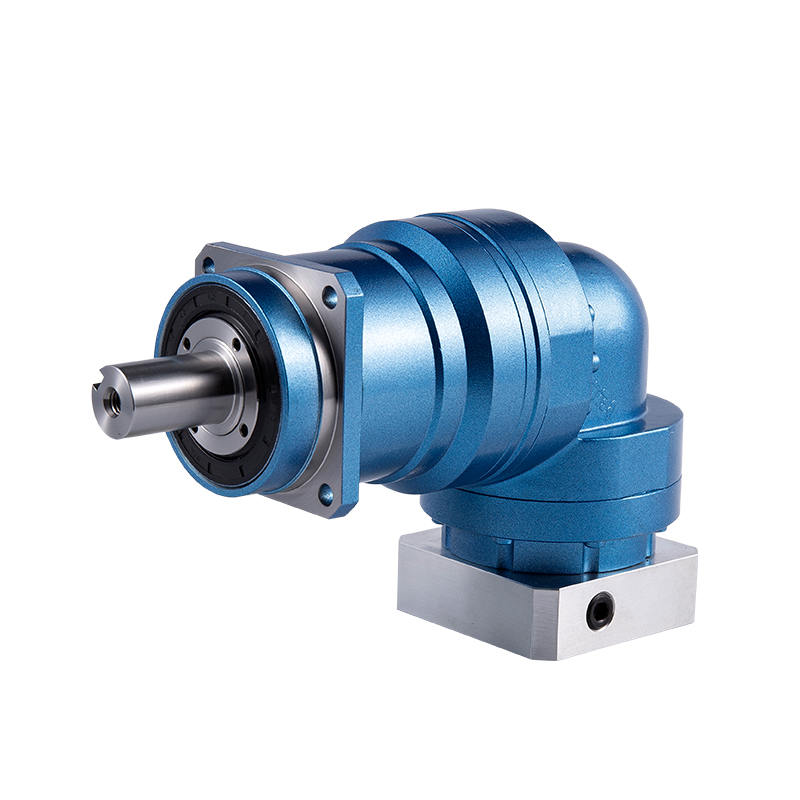
Features of planetary reducer1. Quiet: Use helical gears to achieve smooth and quiet operation;2. Hi...
See Details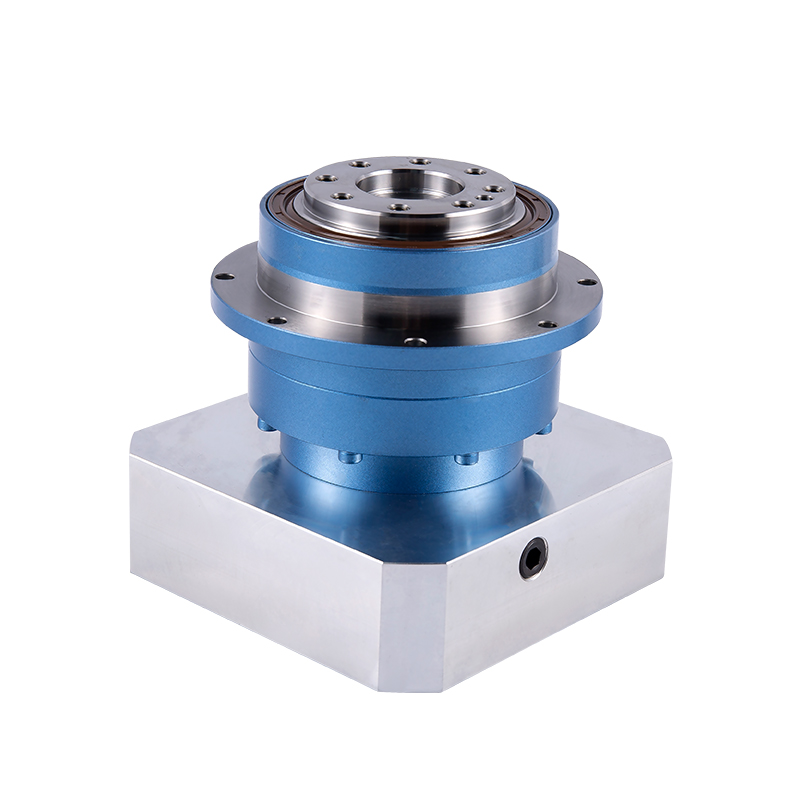
The NHT series planetary reducer adopts an advanced helical gear design, which not only significantl...
See Details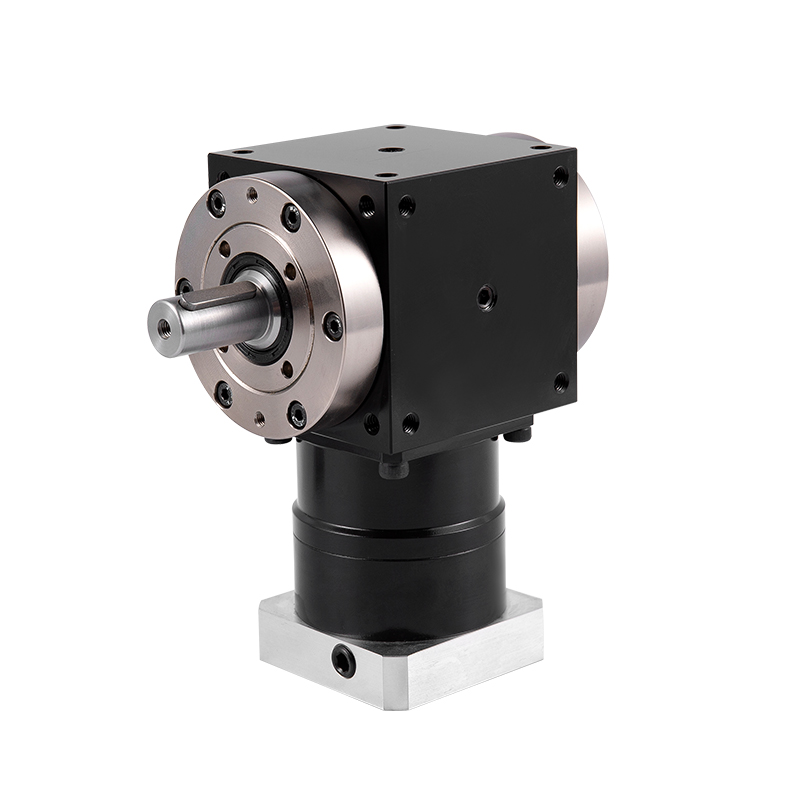
The TD-P series reducer has shown unique advantages in the field of industrial transmission with its...
See Details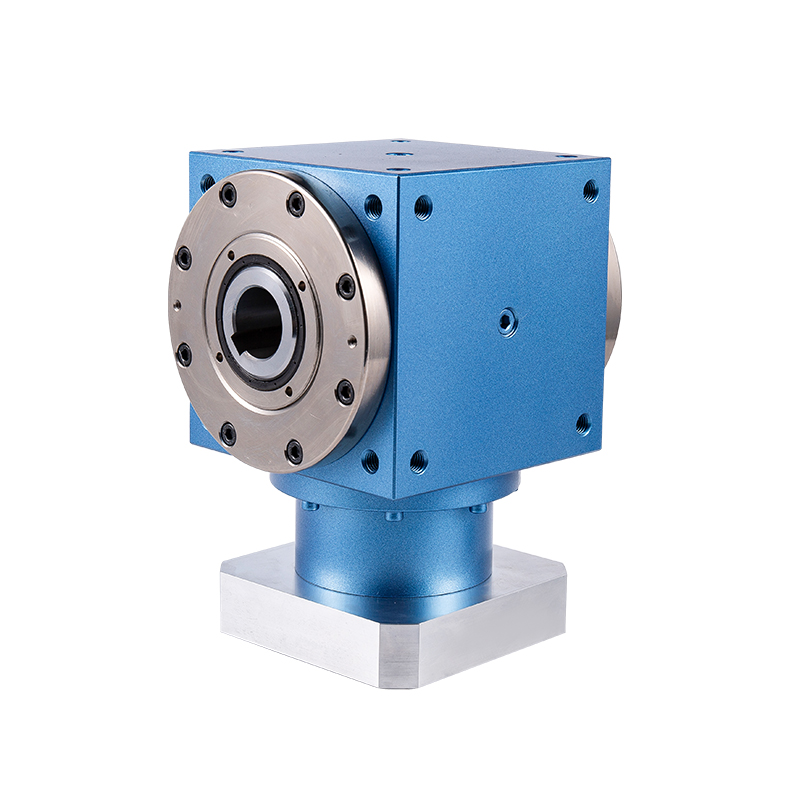
The TD-CR series reducer is centered on the design of hollow shaft output, which not only optimizes ...
See Details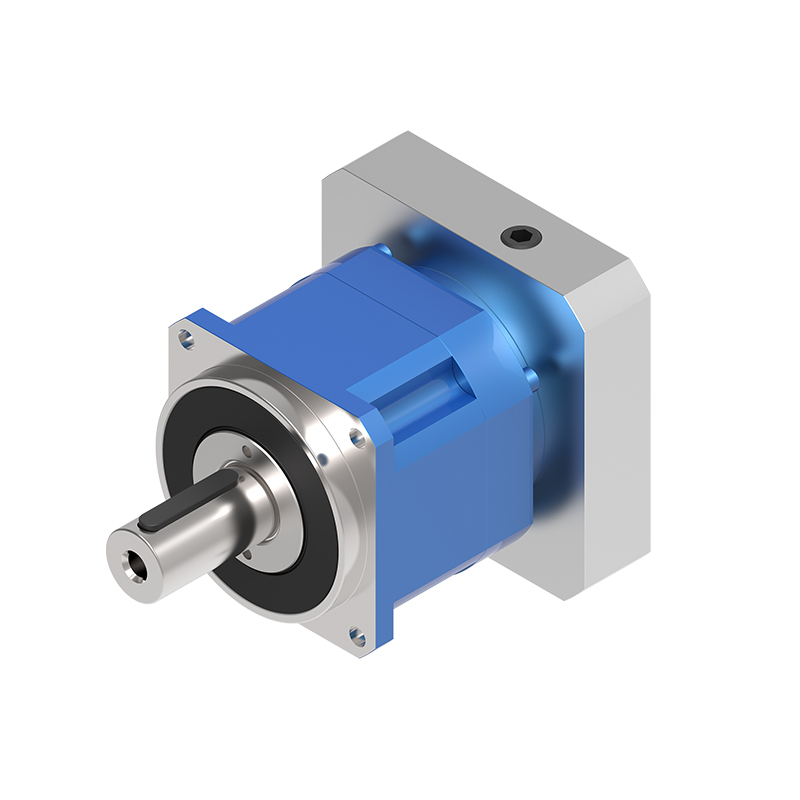
1. Helical gear designThe speed reduction mechanism adopts a helical gear design, and its tooth mesh...
See Details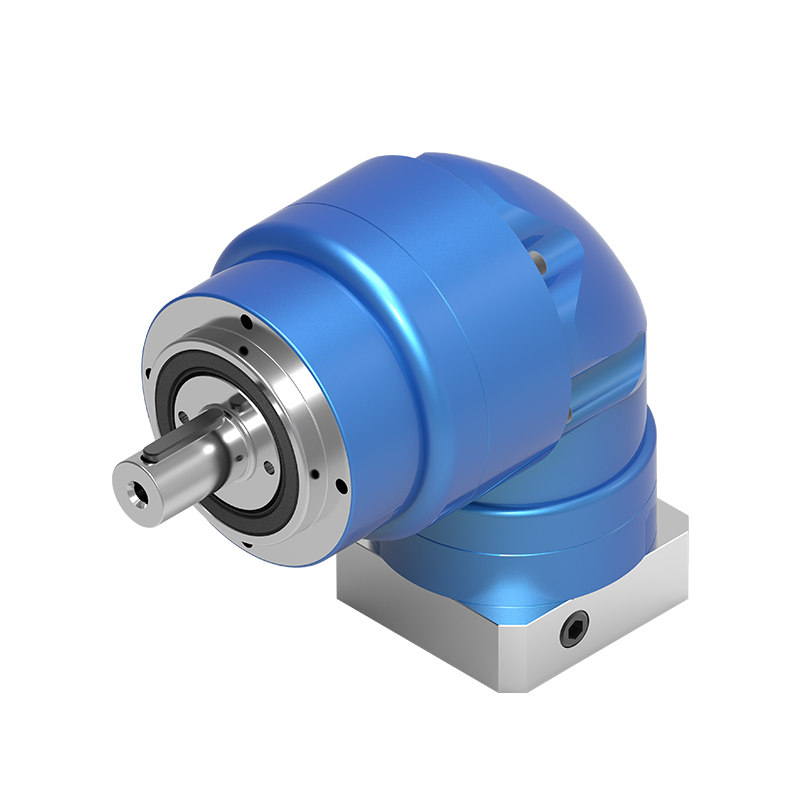
The NLR series planetary reducer adopts a spiral bevel gear design, which allows high-speed input of...
See Details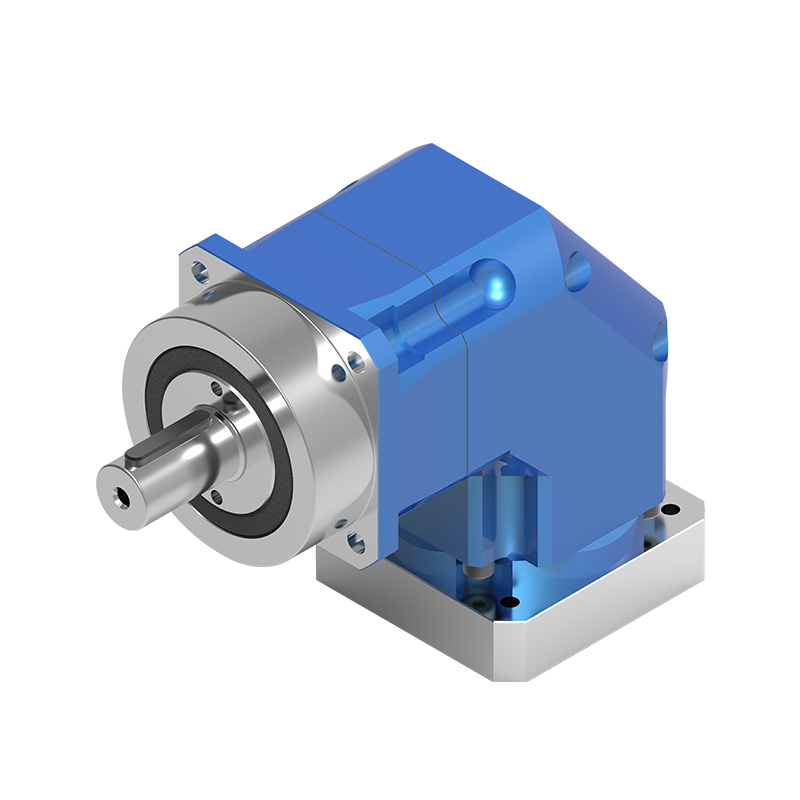
The NSR series planetary reducer adopts a spiral bevel gear design. This innovation not only makes t...
See Details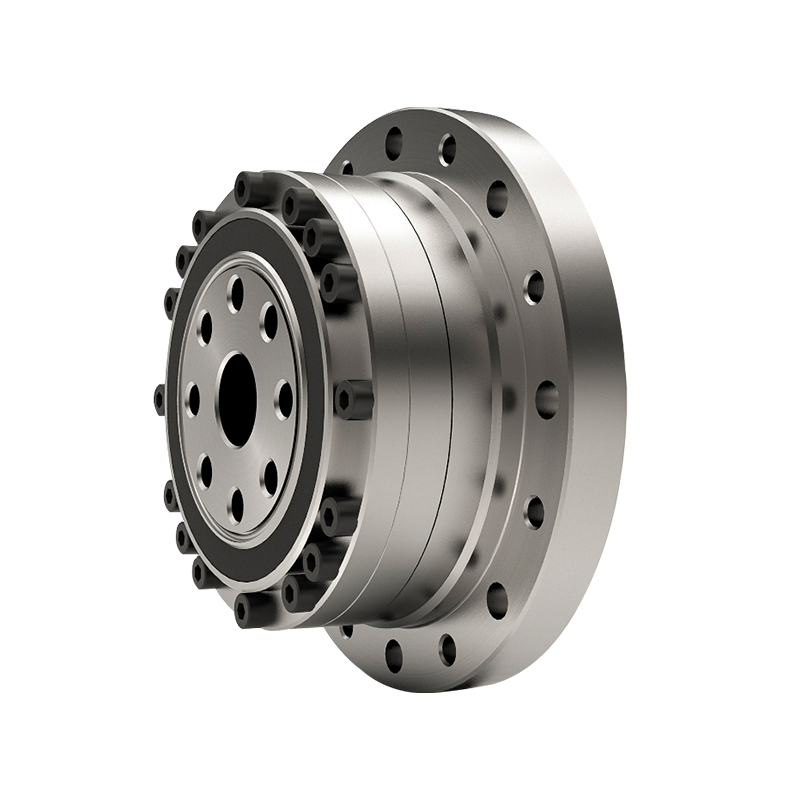
The BCSG series Flexible gear reducer is designed to be light and simple, which not only effectively...
See Details

