 EN
EN




 English
 русский
 日本語
日本語 Español
Helical Tooth Transmission Gearbox Planetary Reducer AHL Series for Servo Motor
Cat:Planetary Reducer
Planetary reducers have been widely used in many industries for their performance. Their uniquely de...
See DetailsIn the world of precision motion control and power transmission, few components are as critical and versatile as the high torque planetary gearbox. Renowned for their exceptional torque density, rigidity, and accuracy, these gearboxes are the backbone of demanding industrial applications. This comprehensive guide delves into the engineering principles, key benefits, and selection criteria for planetary gearboxes, with a focus on high-torque solutions for the most challenging tasks.
Content
At its core, a planetary gear system consists of three primary components arranged concentrically, mimicking a solar system. This unique design is the source of its remarkable capabilities.
The power of the planetary design lies in its ability to distribute load across multiple planet gears. This load sharing is what enables a compact form factor to handle immense forces. When torque is applied to the sun gear, it drives the planet gears, which then "walk" along the stationary ring gear. This action causes the planet carrier to rotate at a reduced speed but with significantly increased torque. The reduction ratio is determined by the number of teeth on the sun, planets, and ring gear. As noted in mechanical engineering texts, the fundamental formula for a simple planetary set's ratio (with a fixed ring gear) is 1 + (Ring Gear Teeth / Sun Gear Teeth), which explains the high ratios achievable in a single stage [1].
Choosing a planetary gearbox over other types, such as parallel shaft or worm gear designs, offers a distinct set of advantages for high-performance applications.
For engineers, understanding the trade-offs between different gearbox architectures is essential. A direct comparison clarifies the planetary advantage:
| Feature | Planetary Gearbox | Worm Gearbox | Parallel Helical Gearbox |
| Torque Density | Very High | Moderate | Low to Moderate |
| Efficiency | Very High (≥97%) | Low to Moderate (50-90%) | High (95-98%) |
| Backlash | Can be very low | Typically higher | Moderate |
| Mounting Flexibility | In-line, coaxial | Right-angle | Parallel shaft |
While planetary gearboxes are robust, their performance and longevity depend on addressing specific design and operational challenges.
Continuous operation under high loads generates significant heat. Effective thermal management is not an option but a necessity. Advanced designs incorporate features like integrated cooling fins, optimized lubrication paths, and the use of high-performance synthetic lubricants. For instance, when specifying a gearbox for continuous duty high torque planetary gear drives, engineers must calculate the thermal power rating to ensure the unit can dissipate heat as effectively as it transmits torque.
Durability is paramount, especially in harsh environments. Key to longevity is the quality of gear teeth machining, bearing selection, and housing integrity. Precision grinding of gear teeth to achieve a perfect profile reduces stress concentrations and minimizes wear. Furthermore, the selection of bearings that can handle both radial and axial loads from the planetary gears is critical. A gearbox built for heavy-duty planetary gearboxes for industrial automation will often feature carburized and hardened gears, large-capacity bearings, and robust, sealed housings to exclude contaminants.
The reduction ratio directly impacts output speed, torque, and system inertia. A multi-stage planetary gearbox allows for extremely high ratios (e.g., 100:1 or more) while maintaining a compact size. Selecting the right ratio involves balancing the motor's operating speed with the desired output speed and torque. It's a critical step in designing systems like low backlash high torque planetary gear systems for precision indexing or robotic arms, where dynamic response and positional accuracy are interdependent.
The unique properties of high torque planetary gearboxes make them indispensable across a wide spectrum of industries.
In robotics, precision, compactness, and reliability are non-negotiable. Planetary gearboxes are the preferred solution for robot joint drives, providing the high torque needed to move manipulators while maintaining precise positional control. Their low backlash is essential for repeatable accuracy. This is why they are central to high torque planetary gearboxes for robotics arms, enabling smooth, powerful, and accurate movements in assembly, welding, and material handling robots.
The renewable energy sector presents some of the most demanding operating conditions. In wind turbine pitch and yaw control systems, gearboxes must withstand enormous and variable loads, harsh weather, and require minimal maintenance over decades. Planetary gearboxes, with their high torque capacity and durability, are ideally suited for these roles. Their design allows them to efficiently transfer and control the massive forces involved in adjusting turbine blades.
For excavators, cranes, and other heavy machinery, power density and ruggedness are key. Planetary gears are often used in wheel drives and slewing rings within these machines. Their ability to handle shock loads and provide high torque in a compact envelope is unmatched. When integrated into planetary gearboxes for mining and construction equipment, they are engineered with enhanced sealing and corrosion resistance to perform reliably in dusty, wet, and abrasive environments.
The pursuit of higher performance continues to drive innovation. Research is focused on areas such as advanced materials (e.g., composites and high-strength alloys), proprietary heat treatment processes, and ultra-precision manufacturing techniques. Furthermore, the integration of sensors for condition monitoring and predictive maintenance is becoming a standard feature in next-generation "smart" gearboxes. These advancements aim to push the boundaries of what is possible for high torque planetary gearbox performance, leading to even greater efficiency, longer life, and smarter integration into interconnected industrial systems [2].
Making the correct selection involves a systematic evaluation of your application's requirements against the gearbox's specifications.
A high torque planetary gearbox is specifically engineered to deliver exceptionally high output torque relative to its size. This is achieved through precision-machined, hardened gear teeth, optimized bearing arrangements, and often multiple gear stages to multiply torque effectively within a compact housing.
You require a low backlash high torque planetary gear system if your application involves precise positioning, repetitive indexing, or rapid reversal of motion. Examples include robotic arms, CNC rotary tables, and precision automation stages where even tiny positional errors are unacceptable.
Yes, but they must be specifically designed for it. Look for gearboxes marketed for continuous duty high torque planetary gear drives. Key features include robust thermal management (cooling fins, efficient lubrication), high-quality bearings, and gears designed for extended life under constant load.
Their high power density allows for powerful, compact joint actuators. The low backlash and high torsional stiffness of high torque planetary gearboxes for robotics arms enable precise and repeatable movement, which is the foundation of robotic accuracy and performance.
Common indicators include increased noise or vibration, rising operating temperature, visible lubricant leaks, and a measurable increase in backlash. For critical equipment like heavy-duty planetary gearboxes for industrial automation, implementing a routine vibration analysis and oil monitoring program is recommended for predictive maintenance.
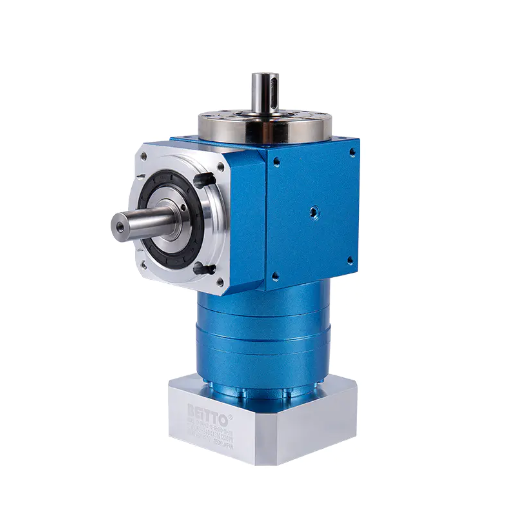
The high torque planetary gearbox stands as a pinnacle of mechanical design, offering an unparalleled combination of strength, precision, and efficiency in a compact package. From the precise joints of industrial robots to the massive drivetrains of construction machinery, its role is indispensable. As industries push for greater automation, higher efficiency, and more robust equipment, the demand for advanced planetary gear solutions will only grow. Manufacturers that combine cutting-edge R&D with meticulous production processes, such as those adhering to stringent standards in precision engineering hubs, are poised to lead this evolution, delivering the reliable power transmission solutions that modern industry depends on.
[1] J. Uicker, G. Pennock, and J. Shigley, "Theory of Machines and Mechanisms," 5th ed., Oxford University Press, 2017. (Explanation of fundamental planetary gear ratio formulas and kinematics).
[2] "Advances in Gear Design and Manufacturing," International Academy for Production Engineering (CIRP) Annals, vol. 68, no. 2, 2019. (Review of modern materials, manufacturing techniques, and integrated sensor technologies in gear systems).
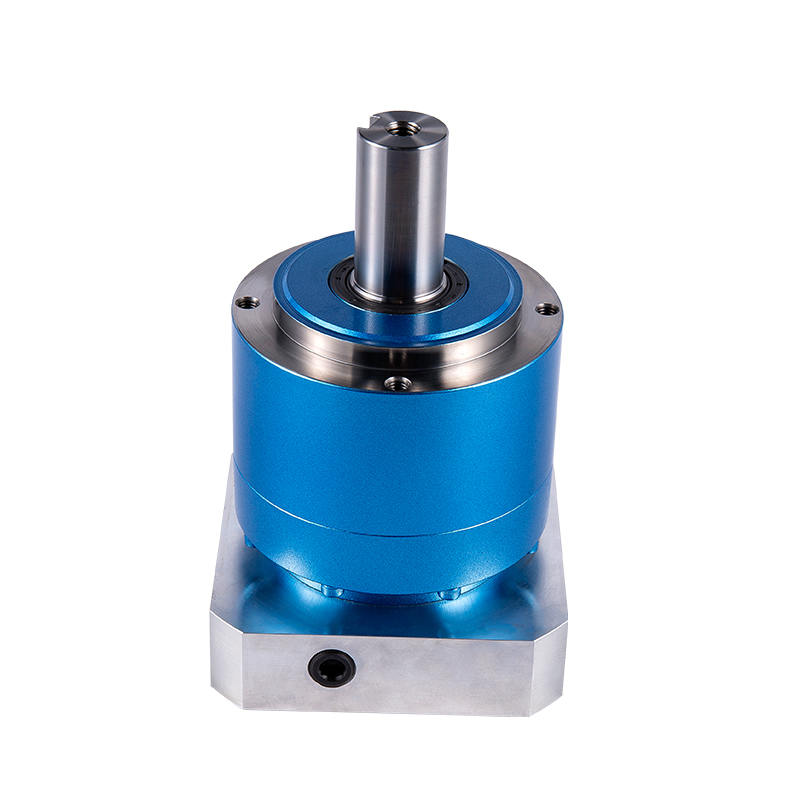
Planetary reducers have been widely used in many industries for their performance. Their uniquely de...
See Details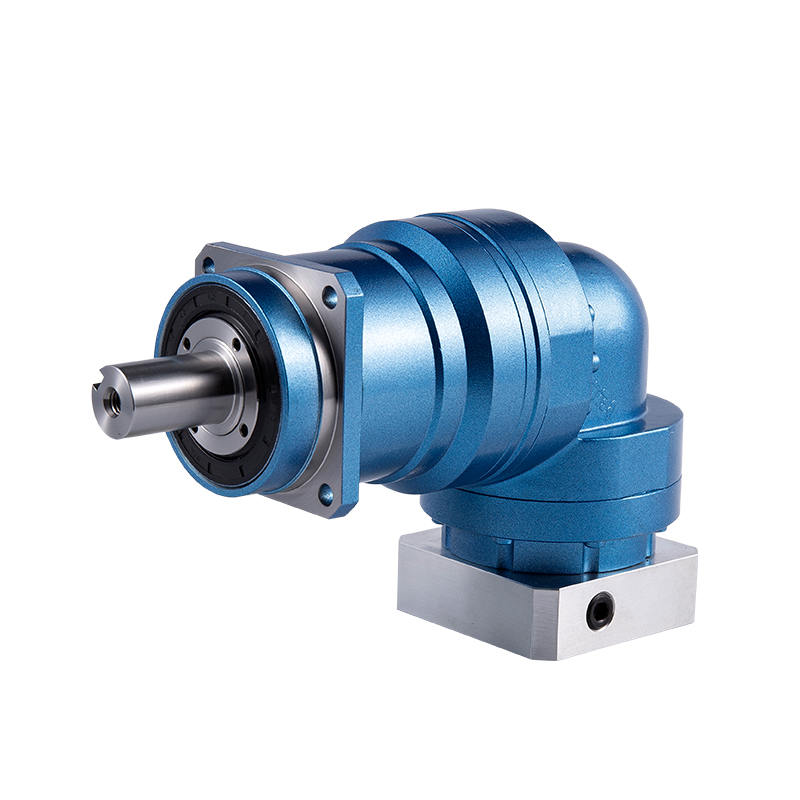
Features of planetary reducer1. Quiet: Use helical gears to achieve smooth and quiet operation;2. Hi...
See Details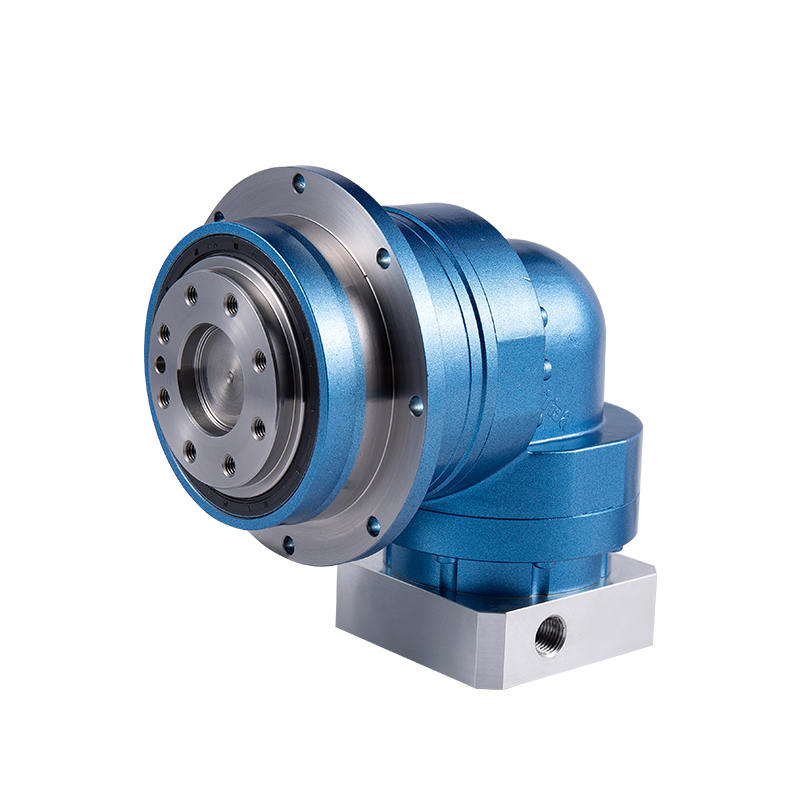
Features of planetary reducer1. High precision: the standard backlash is 4 arc minutes, which is ver...
See Details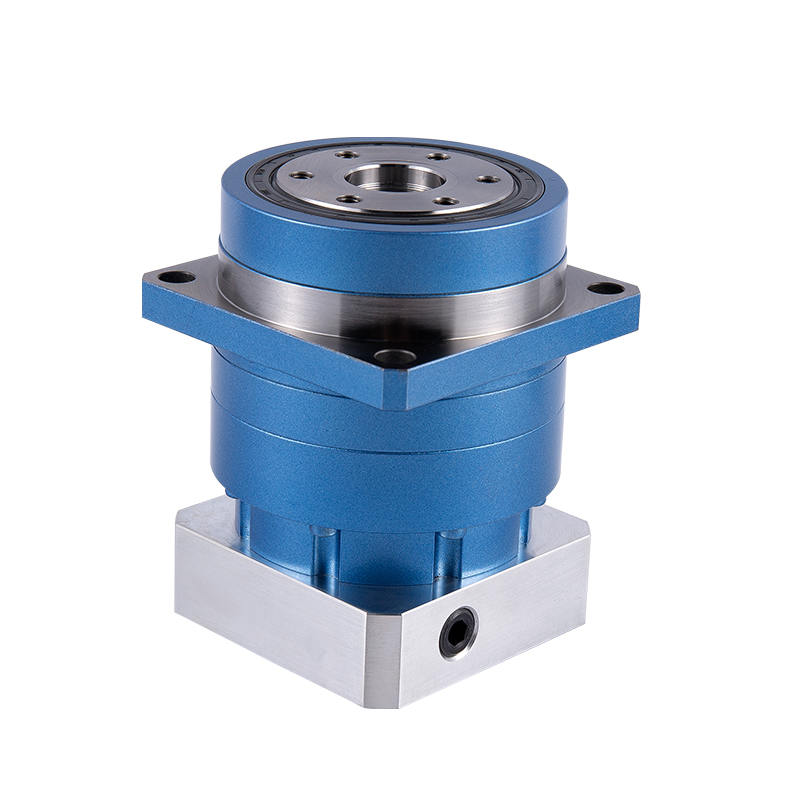
Features of planetary reducer1. Quiet: Use helical gears to achieve smooth and quiet operation;2. Hi...
See Details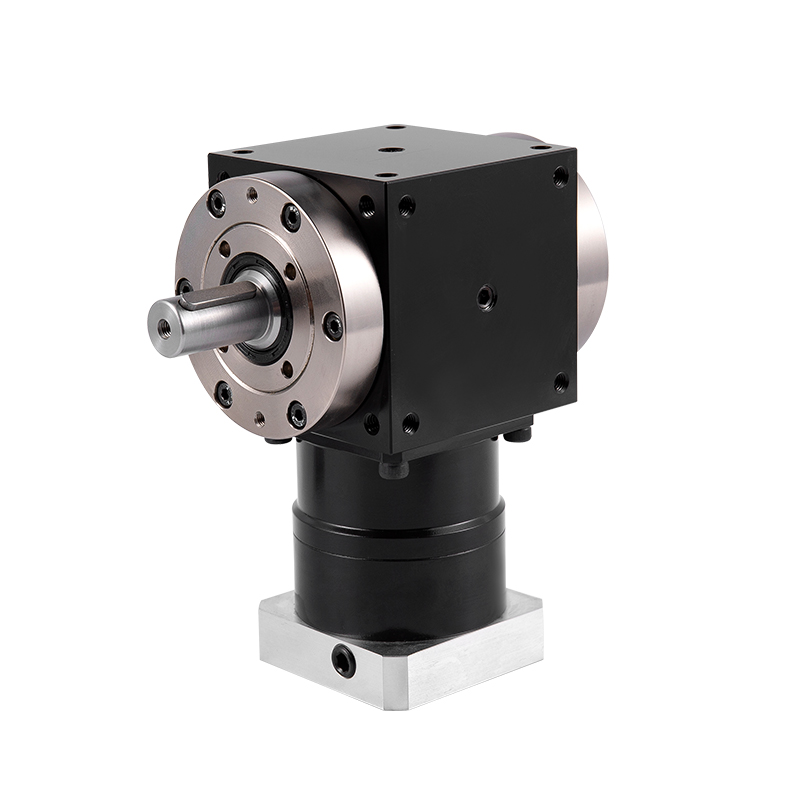
The TD-P series reducer has shown unique advantages in the field of industrial transmission with its...
See Details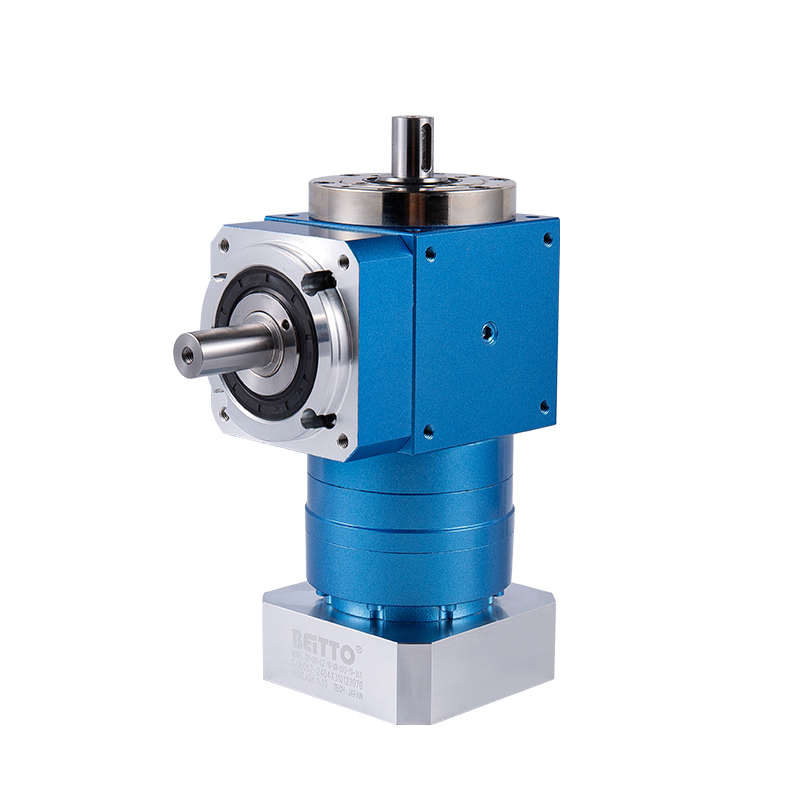
● Various output shaft options● High torque● High efficiency● Long service life● Low backlash● Maint...
See Details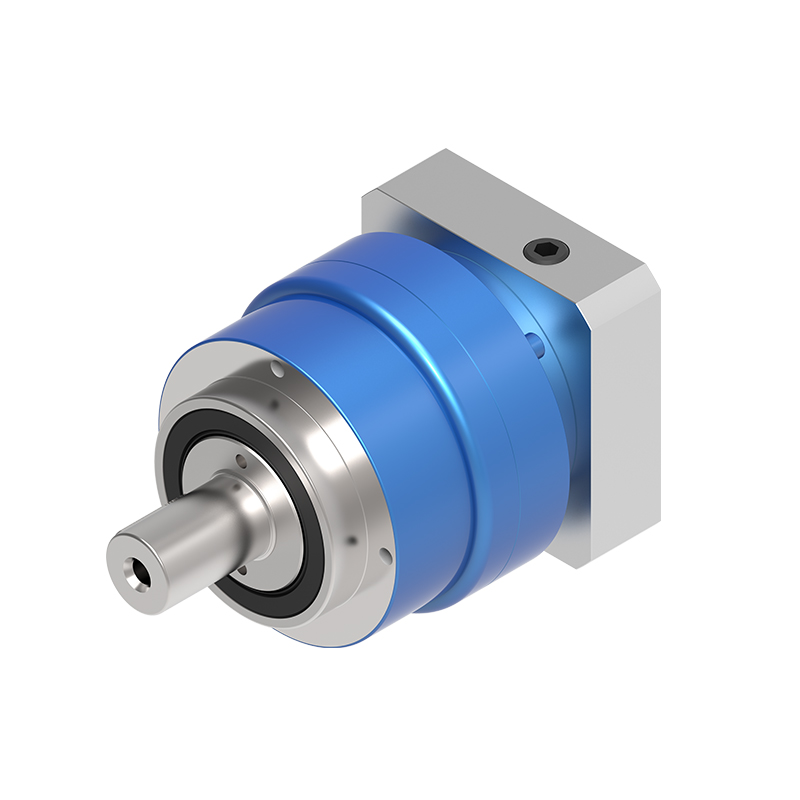
Innovative helical gear structureThe reduction mechanism introduces an innovative helical gear desig...
See Details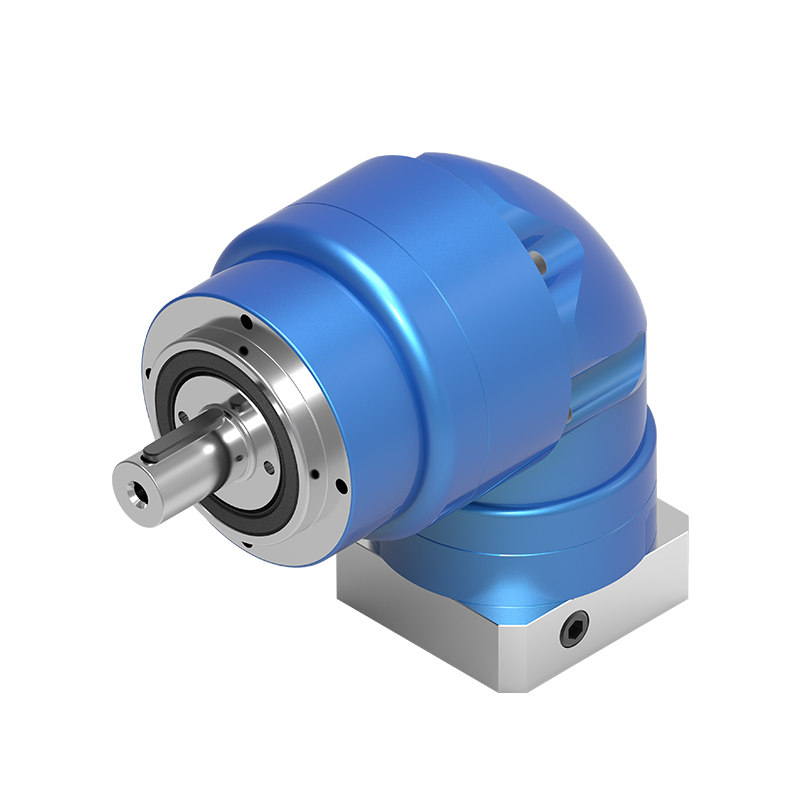
The NLR series planetary reducer adopts a spiral bevel gear design, which allows high-speed input of...
See Details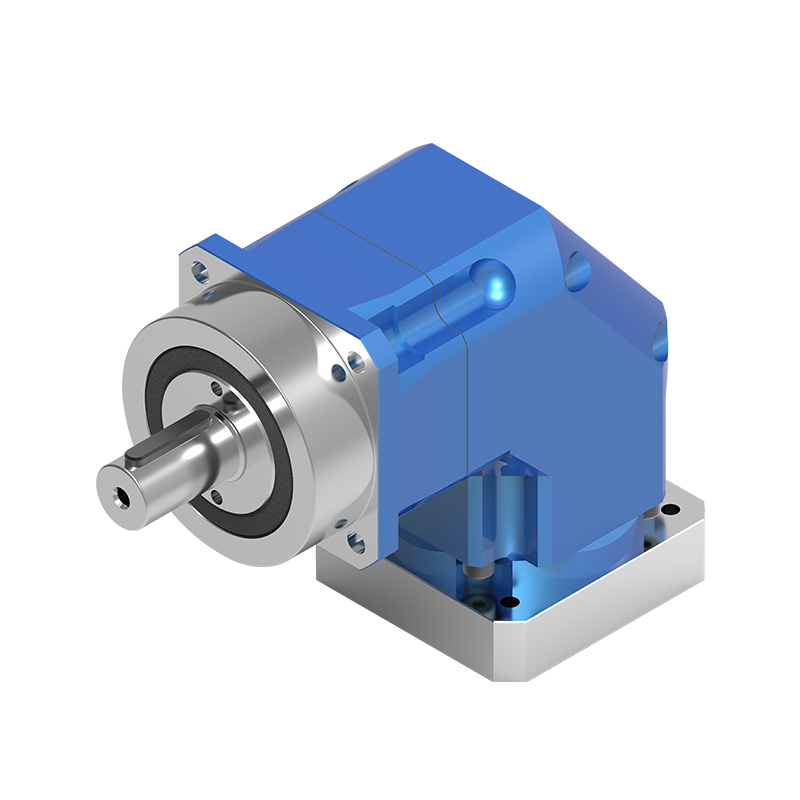
The NSR series planetary reducer adopts a spiral bevel gear design. This innovation not only makes t...
See Details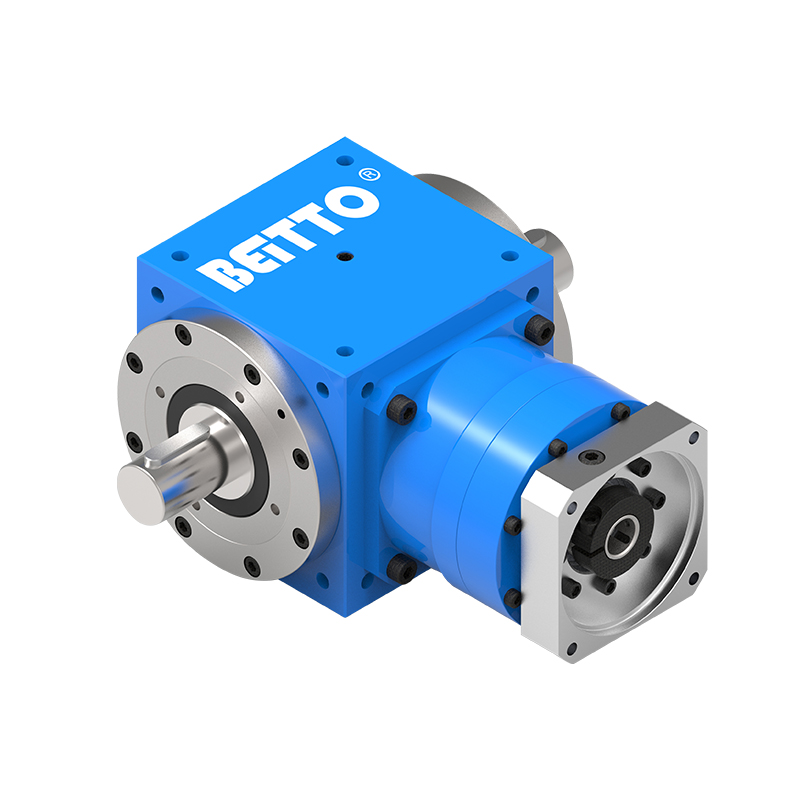
In order to meet the needs of different working conditions, the TD-2P series reducer provides a vari...
See Details

