 EN
EN




 English
 русский
 日本語
日本語 Español
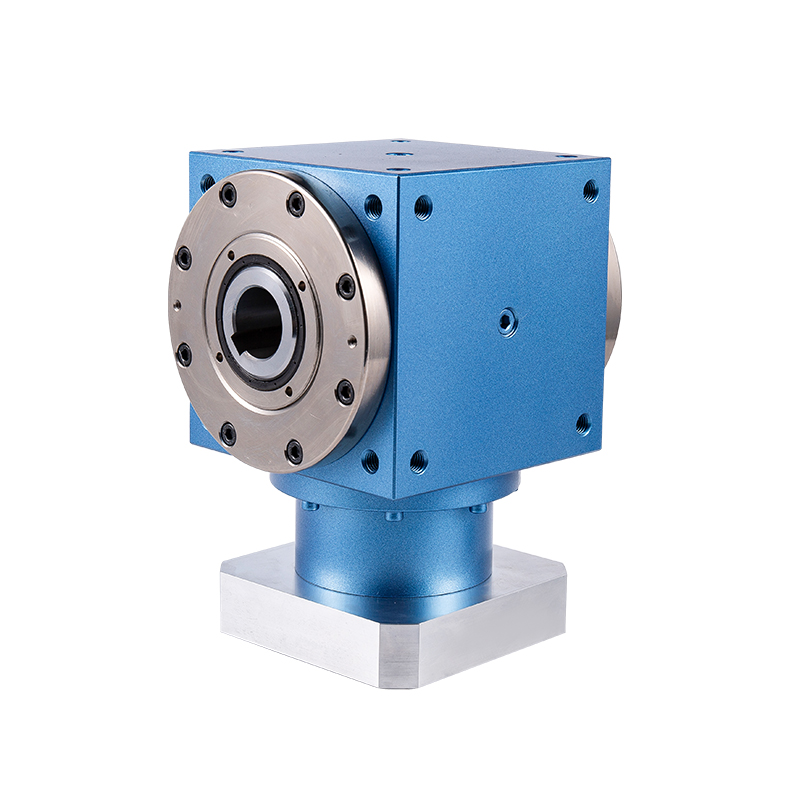
Low Backlash High Precision Torque AHB Planetary Gearbox Reducer
Cat:Planetary Reducer
Features of planetary reducer 1. Quiet: Use helical gears to achieve smooth and quiet operation;2. H...
See DetailsIn the intricate world of mechanical engineering and power transmission, the evolution of components has been driven by the need for greater efficiency, compactness, and durability. A critical component that has seen significant advancement is the Spiral Bevel Gear Commutator. While the term may seem specialized, it refers to the integration of spiral bevel gears with commutation systems, often found in advanced electromechanical applications where precise control of rotational direction and torque is paramount. Unlike standard gears, spiral bevel gears are designed to handle high loads and transmit motion smoothly between intersecting shafts, typically at a 90-degree angle. This makes them indispensable in heavy machinery, automotive differentials, and sophisticated industrial automation. The "commutator" aspect implies a mechanism for switching or reversing the direction of current or motion, often utilized in conjunction with these gears to create complex control systems. As industries demand higher performance standards, the Spiral Bevel Gear Commutator stands out as a testament to precision engineering, offering a solution that reduces noise, increases load-bearing capacity, and extends the operational lifespan of the machinery it powers.
Content
The backbone of modern mechanical systems relies heavily on the quality of the gears employed within them. High precision spiral bevel gears are engineered to exacting standards to ensure that power transmission is as efficient as possible. The primary advantage of these gears lies in their tooth geometry. Unlike straight bevel gears, which make contact abruptly along the entire tooth width, spiral bevel gears have curved teeth that engage gradually. This gradual engagement results in a much smoother contact pattern, significantly reducing the impact forces and shock loading during operation. For applications requiring high speed and high torque, this smoothness is critical to preventing premature wear and failure. Furthermore, the increased contact ratio of high precision spiral bevel gears allows for more teeth to share the load simultaneously. This distribution of force across a larger surface area not only increases the gear's load-carrying capacity but also enhances its overall strength and durability, making it a superior choice for demanding industrial environments.
Torque is the rotational equivalent of linear force, and in heavy machinery, the efficient transmission of torque is non-negotiable. High precision spiral bevel gears are specifically designed to maximize torque density. Because of their optimized tooth curvature and larger surface contact area, they can transmit higher levels of torque without the risk of tooth breakage that plagues straight cut gears. This capability is particularly vital in sectors such as mining, construction, and maritime propulsion, where the equipment is subjected to extreme loads. The ability to maintain consistent torque transmission under fluctuating loads ensures the stability of the entire system, preventing mechanical failures that could result in costly downtime.
| Feature | Impact on Torque |
| Curved Tooth Design | Allows for higher tooth contact ratios, distributing torque loads effectively. |
| Material Hardness | Heat-treated surfaces resist wear, maintaining torque output over time. |
| Precision Grinding | Ensures accurate meshing, minimizing energy loss during torque transfer. |
In today's industrial landscape, noise pollution is a significant concern, driven by both environmental regulations and the need for safer working environments. One of the standout features of high precision spiral bevel gears is their inherent quietness. The spiral cut allows the teeth to slide into contact rather than crashing together. This sliding action significantly lowers the noise frequency generated during operation. When comparing these to straight bevel gears, the difference in decibel levels can be substantial, making spiral bevel gears the preferred choice for consumer-facing applications like elevators and automotive systems, where cabin noise must be minimized for passenger comfort.
The automotive sector is arguably the most prolific user of advanced gear technologies, with spiral bevel gear for automotive applications playing a pivotal role in vehicle dynamics. These gears are fundamental to the differential systems of almost every rear-wheel and four-wheel-drive vehicle on the road. The differential allows the wheels to rotate at different speeds while cornering, which is essential for maintaining traction and control. The use of spiral bevel gear for automotive differentials ensures that the transfer of power from the driveshaft to the wheels is seamless and efficient. Moreover, modern electric vehicles (EVs) utilize these gears in their high-speed reduction units to manage the immense torque output of electric motors. As automotive trends shift towards higher performance and greater efficiency, the demand for precision-manufactured spiral bevel gears continues to rise, pushing manufacturers to develop lighter, stronger, and more efficient gear solutions.
In the specific context of automotive engineering, the spiral bevel gear for automotive applications is a marvel of design. Within the differential, the ring and pinion gears are spiral bevel types. The pinion gear meshes with the ring gear to turn the drive axis by 90 degrees. This arrangement is crucial because the engine is mounted longitudinally, but the wheels are mounted transversely. The strength of the spiral bevel gear for automotive differentials ensures that they can withstand the immense shock loads generated during sudden acceleration or braking. Furthermore, in steering mechanisms, these gears provide the necessary mechanical advantage to allow drivers to turn heavy wheels with minimal effort, ensuring that the vehicle responds predictably and safely.
| Application | Role of Spiral Bevel Gear |
| Differential | Transfers power 90 degrees to axles while allowing wheel speed variance. |
| Steering Gear | Converts rotational motion into lateral movement for steering. |
| Transfer Case | Distributes power to front and rear drive shafts in 4WD systems. |
Efficiency is the holy grail of modern automotive design, driven by the need to improve fuel economy and reduce emissions. Spiral bevel gear for automotive designs contributes significantly to this goal. Because of their high meshing efficiency, less energy is lost to friction and heat compared to older gear designs. This efficiency gain, while seemingly small on a gear-to-gear basis, translates into substantial energy savings across the entire powertrain. By reducing the parasitic losses in the drivetrain, the vehicle requires less fuel to maintain speed, directly impacting the vehicle's overall carbon footprint and running costs.
In industrial automation, controlling the speed and torque of motors is a primary requirement. A spiral bevel gear reducer is a specialized mechanical device designed to reduce the input speed from a motor while simultaneously increasing the output torque. This is achieved through a series of gears enclosed in a housing, with the spiral bevel gears serving as the primary mechanism for changing the direction of the drive shaft. These reducers are favored for their compactness and high efficiency. Unlike worm gears, which can suffer from sliding friction and heat build-up, a spiral bevel gear reducer operates with rolling contact, resulting in higher mechanical efficiency and the ability to handle higher shock loads. They are commonly found in conveyor systems, material handling equipment, and heavy-duty winches, where space is at a premium, and reliability is non-negotiable.
One of the most compelling attributes of a spiral bevel gear reducer is its ability to achieve high reduction ratios within a very small footprint. Industrial designers often face spatial constraints when designing machinery, and the right-angle input/output configuration of spiral bevel reducers allows for versatile mounting options. This compactness does not come at the cost of performance. These reducers can achieve significant speed reductions in a single stage, whereas other gear types might require multiple stages to achieve the same ratio. This simplification of the gear train reduces the number of moving parts, thereby increasing the system's reliability and reducing maintenance requirements.
| Reducer Type | Footprint | Efficiency |
| Spiral Bevel | Compact (Right angle) | High (90-98%) |
| Worm Gear | Compact (Right angle) | Medium (50-90%) |
| Helical | Larger (Parallel shaft) | Very High (95-99%) |
In automated manufacturing, precision is everything. A spiral bevel gear reducer offers exceptional accuracy in motion control. The precise machining of the spiral bevel gears ensures minimal backlash, which is the slight movement between mating gears. Low backlash is critical for applications like robotics and CNC machinery, where the position of the output shaft must exactly match the input signal. By maintaining tight tolerances, these reducers ensure that automated systems perform repetitive tasks with absolute consistency, leading to higher quality production outputs and reduced waste.
When the demands of a project exceed the capabilities of off-the-shelf components, partnering with a custom spiral bevel gear manufacturer becomes essential. Customization allows engineers to optimize gear geometry, material composition, and heat treatment processes to meet specific performance criteria. A reputable custom spiral bevel gear manufacturer will work closely with the client to understand the unique operating environment of the application, whether it involves extreme temperatures, corrosive atmospheres, or high-speed rotations. This collaborative approach ensures that the final product is not just a part, but a solution that enhances the overall performance of the machine. Selecting the right partner involves evaluating their technical expertise, manufacturing capabilities, and commitment to quality control.
The global standard for gear manufacturing is heavily influenced by the precision and rigor of Japanese engineering. When selecting a custom spiral bevel gear manufacturer, it is beneficial to choose one that adheres to these high standards. The company has always adhered to the Japanese electromechanical cutting-edge R & D technology, adhering to the Japanese meticulous production process, the use of leading design and development technology to research new products, to achieve the optimization and upgrading of the product structure renewal. This dedication to Japanese R&D technology ensures that every gear produced meets the strictest criteria for accuracy and reliability. By integrating these advanced methodologies, manufacturers can produce gears that compete on a global level, offering the quietness, durability, and efficiency that define top-tier mechanical components.
| Aspect | Benefit to Customer |
| R&D Technology | Access to the latest gear design software and simulation tools. |
| Meticulous Process | Zero-defect quality control in every manufacturing step. |
| Structure Renewal | Continuously improved gear designs for better performance. |
Logistics and strategic location play a vital role in the timely delivery of custom components. Our operations are strategically situated in Pinghu City, Zhejiang Province, National Economic and Technological Development Zone, the province's only one approved by the provincial government of the Japanese investment zone, the National (Jiaxing) Electromechanical Components Industrial Park and the National Torch Plan Pinghu Optical and Mechanical Industrial Base core area. This prime location is not merely an address; it is a hub of innovation and industrial prowess. Pinghu City is located in China's most dynamic economy of the Yangtze River delta region, is located in the northeastern part of Zhejiang Province, east of China's economic, financial, and information center - neighboring Shanghai to the east and Hangzhou Bay to the south. This proximity to Shanghai facilitates international shipping and access to a vast network of suppliers, ensuring that a custom spiral bevel gear manufacturer can serve global clients efficiently. The city has a land area of 537 square kilometers, a sea area of 1,086 square kilometers and a coastline of 27 kilometers. It has a total population of 800,000 people, providing a rich pool of skilled technical talent to support advanced manufacturing.
While spiral bevel gears are a specialty, the best manufacturers offer a comprehensive portfolio of power transmission solutions. As a Precision Planetary Gear Reducer Manufacturers and Helical Planetary Gearbox Suppliers, we Offer Planetary Gear Drives that complement our bevel gear offerings. The planetary gear system is known for its high power density, excellent efficiency, and low backlash, making it the perfect partner for spiral bevel gears in complex multi-stage reducers. Partnering with experts who understand both technologies ensures that clients receive integrated systems where every component works in perfect harmony. Whether for a robot arm requiring the precision of a planetary drive or a heavy-duty axle requiring the strength of a spiral bevel gear, a comprehensive supplier can deliver a complete package.
The synergy between quality assurance and production capability is what defines a true industry leader. By leveraging the precision of Japanese technology and the manufacturing scale of the Yangtze River Delta, the company delivers products that set benchmarks in the industry. We Offer Planetary Gear Drives that are subjected to rigorous testing protocols to ensure they perform under the toughest conditions. The production facility is equipped with state-of-the-art machining centers that allow for the mass production of high-precision gears without compromising on quality. This balance of craftsmanship and industrial efficiency ensures that whether the order is for a prototype or a bulk shipment, the quality remains consistently high.
| Quality Metric | Production Standard |
| ISO Certification | Adherence to international quality management systems. |
| Machining Tolerance | Micron-level accuracy for consistent meshing. |
| Testing Protocol | 100% inspection of noise and vibration levels. |
In today's interconnected economy, the ability to serve a global clientele is essential. The strategic location in Pinghu and the robust logistics network of the region enable the company to efficiently reach customers across Asia, Europe, and the Americas. By maintaining high standards of communication and adhering to international delivery schedules, the company acts as a local partner to global clients. This global reach ensures that high-quality gear solutions are accessible to industries worldwide, driving innovation and efficiency on a global scale.
The main difference lies in the tooth design. Straight bevel gears have teeth that are straight and taper towards the center, engaging all at once, which can cause noise and vibration. Spiral bevel gears have curved and oblique teeth, which engage gradually. This makes high precision spiral bevel gears much quieter, capable of handling higher speeds, and able to transmit more torque due to the larger contact area between the teeth.
Maintenance of a spiral bevel gear reducer primarily involves regular lubrication and inspection. Since these gears operate under high pressure, ensuring the gearbox is filled with the correct grade of oil is critical. The oil should be checked for contamination or metal shavings, which indicate wear. Periodically, the seals should be inspected for leaks, and the bolts should be retightened to the specified torque to prevent housing vibration. Following the manufacturer's maintenance schedule is key to longevity.
Yes, spiral bevel gears can be used in reverse motion, effectively functioning as a Spiral Bevel Gear Commutator in systems where direction changes are required. Because of their tooth geometry, they transmit power efficiently in both directions. However, it is important to ensure that the gear teeth are designed for the specific load conditions present in both forward and reverse rotations, as reverse thrust loads can sometimes differ depending on the hand of the spiral.
Industries that require high precision and high power transmission benefit the most. This includes the automotive sector for differentials and steering, the aerospace industry for actuation systems, heavy industry for mining and construction equipment, and robotics for precise movement joints. A custom spiral bevel gear manufacturer tailors the gears to the specific needs of these sectors, optimizing for factors like weight, strength, and noise level.
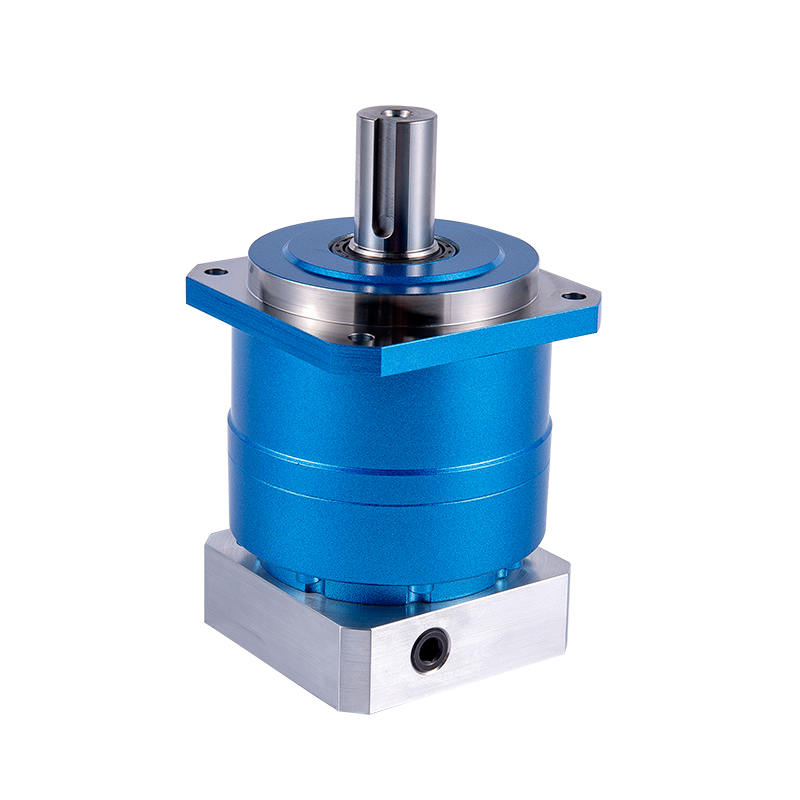
Features of planetary reducer 1. Quiet: Use helical gears to achieve smooth and quiet operation;2. H...
See Details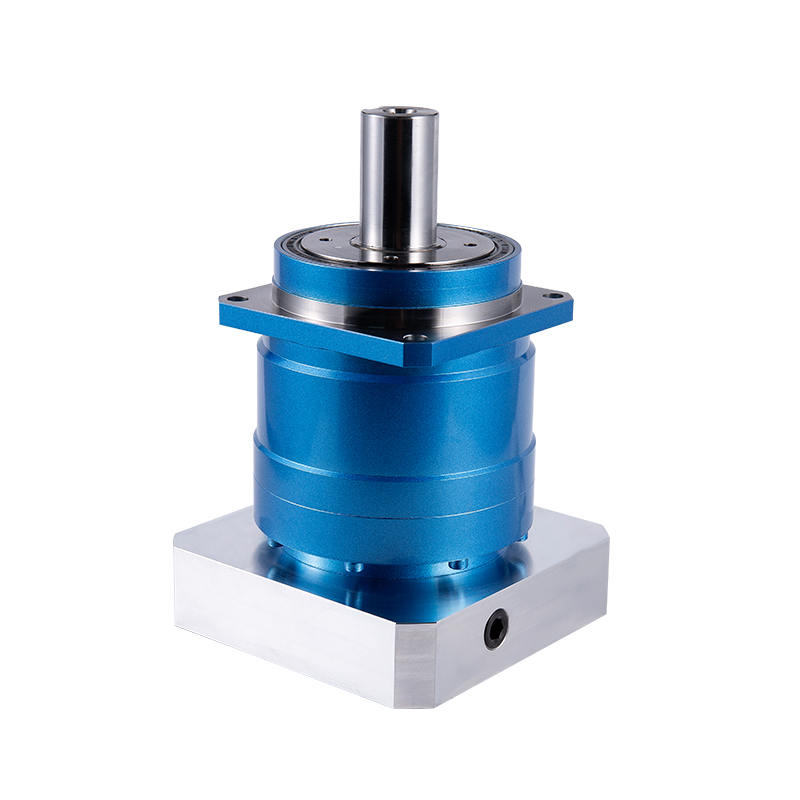
Planetary reducers occupy an important position in the field of industrial automation. The high-prec...
See Details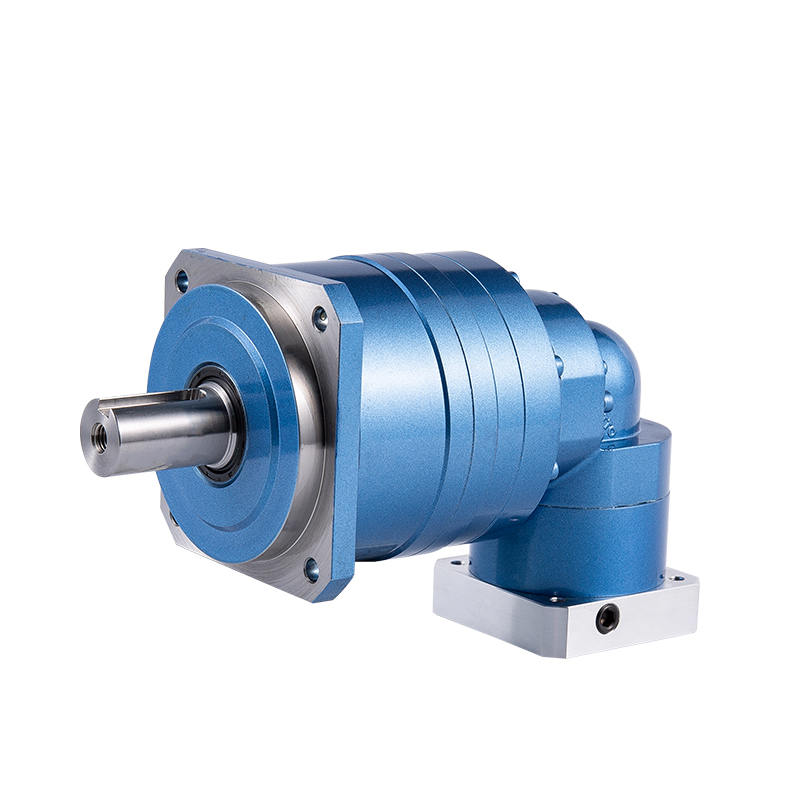
The planetary reducer adopts a helical gear design, which enables smooth and quiet operation and pro...
See Details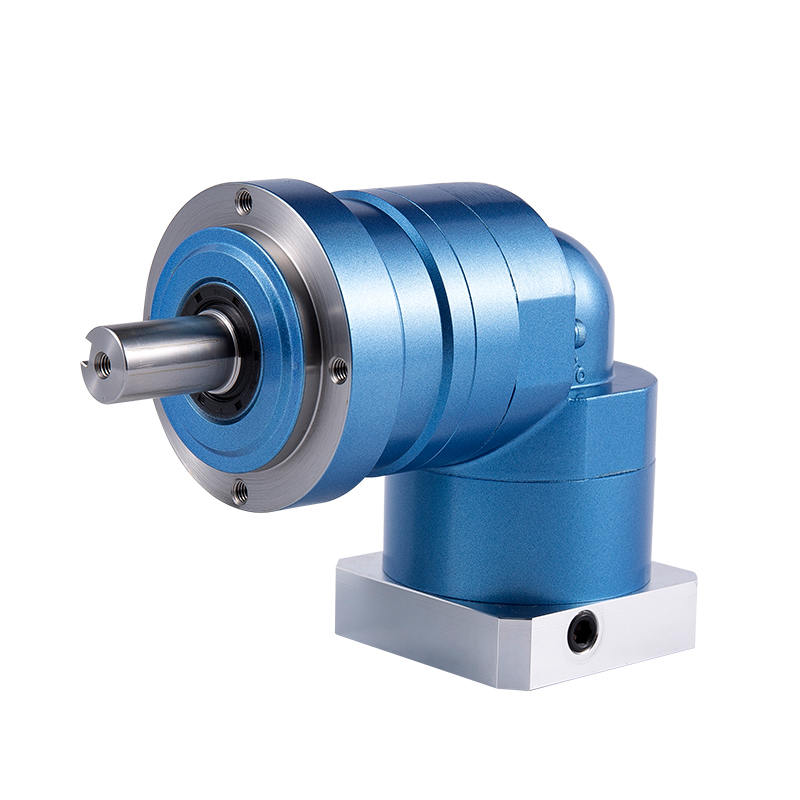
Features of planetary reducer1. Quiet: Use helical gears to achieve smooth and quiet operation;2. Hi...
See Details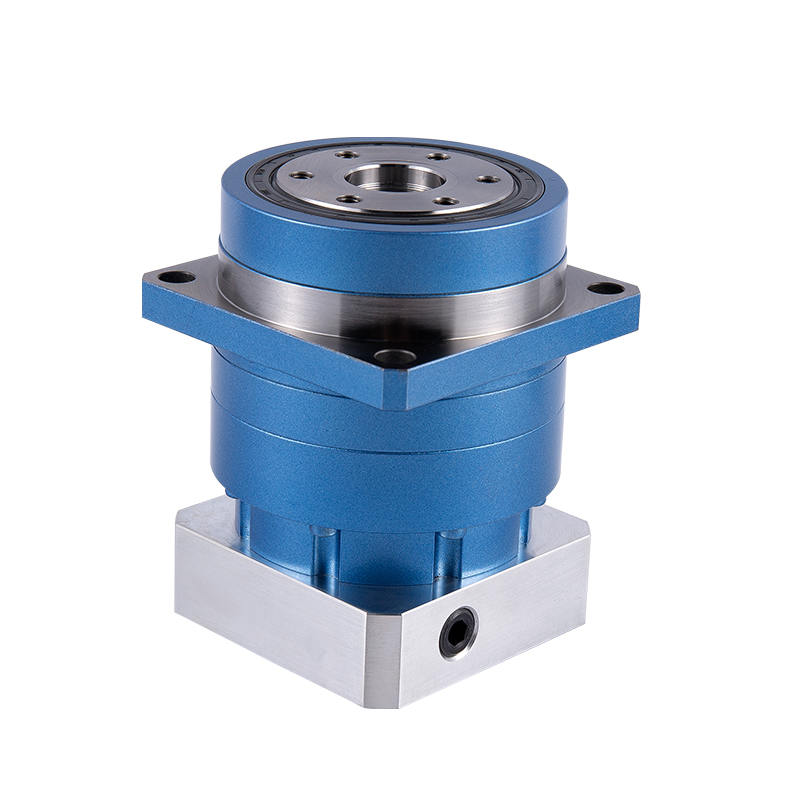
Features of planetary reducer1. Quiet: Use helical gears to achieve smooth and quiet operation;2. Hi...
See Details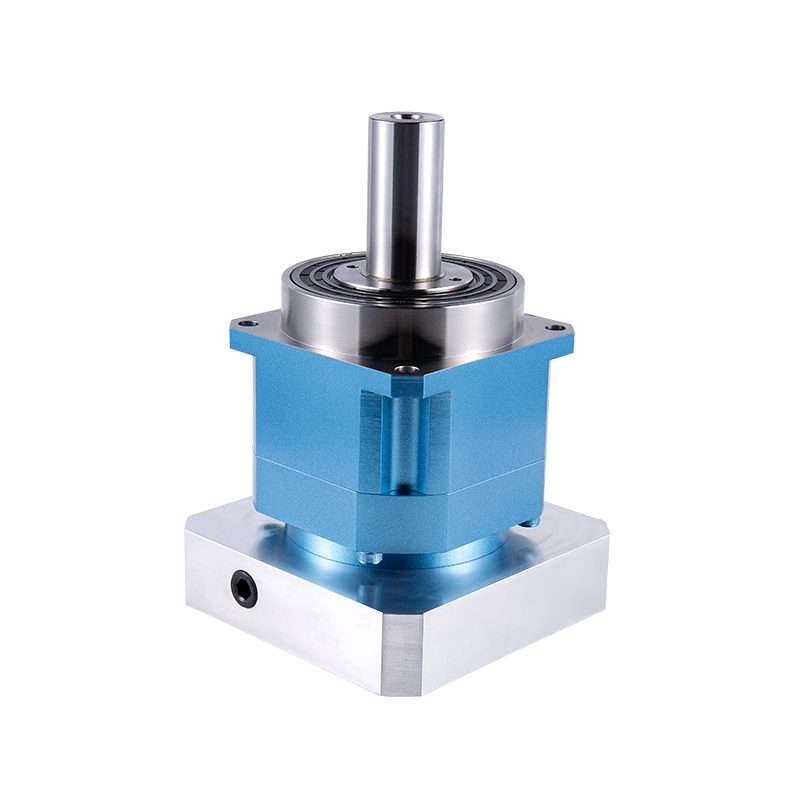
Our reducers incorporate the cutting-edge design concept of helical gears. Compared with traditional...
See Details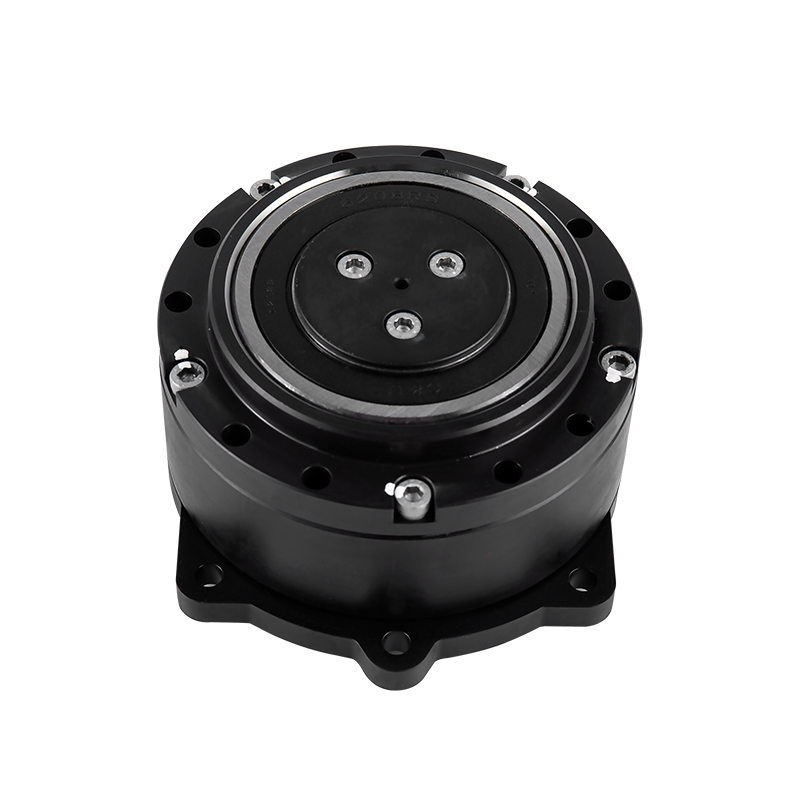
Designed for applications with high radial loads, such as AGV wheel drives, pulley drives. Output op...
See Details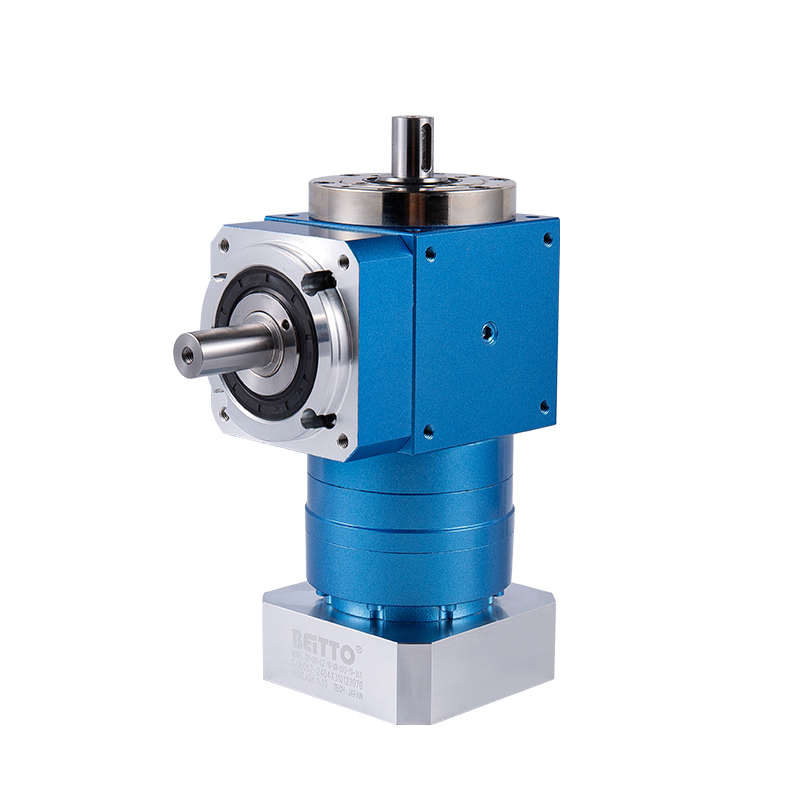
● Various output shaft options● High torque● High efficiency● Long service life● Low backlash● Maint...
See Details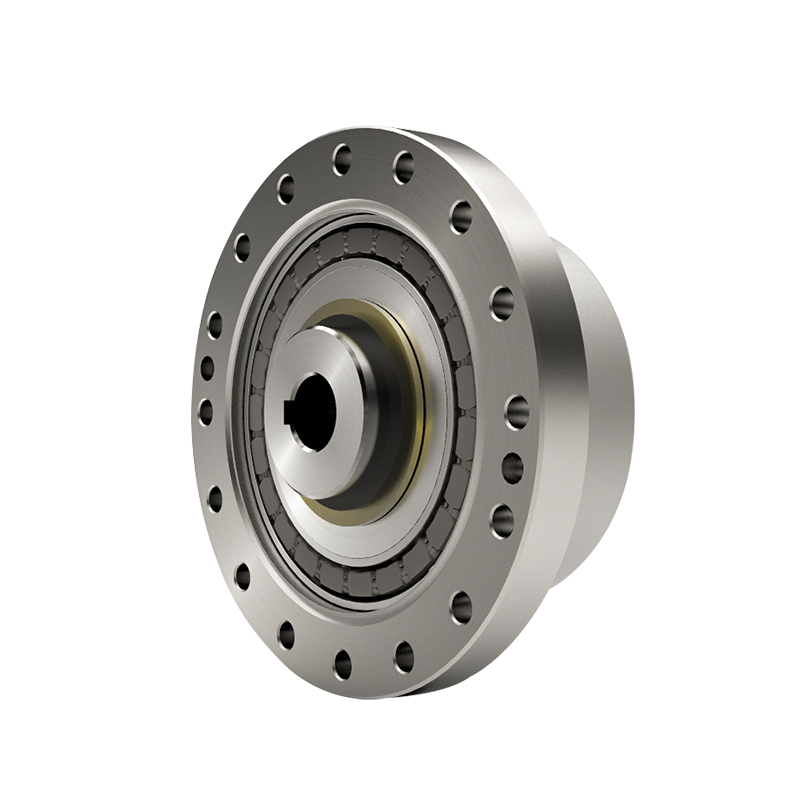
The BCSF series Flexible gear reducer pursues the ultimate lightness and simplicity in design, which...
See Details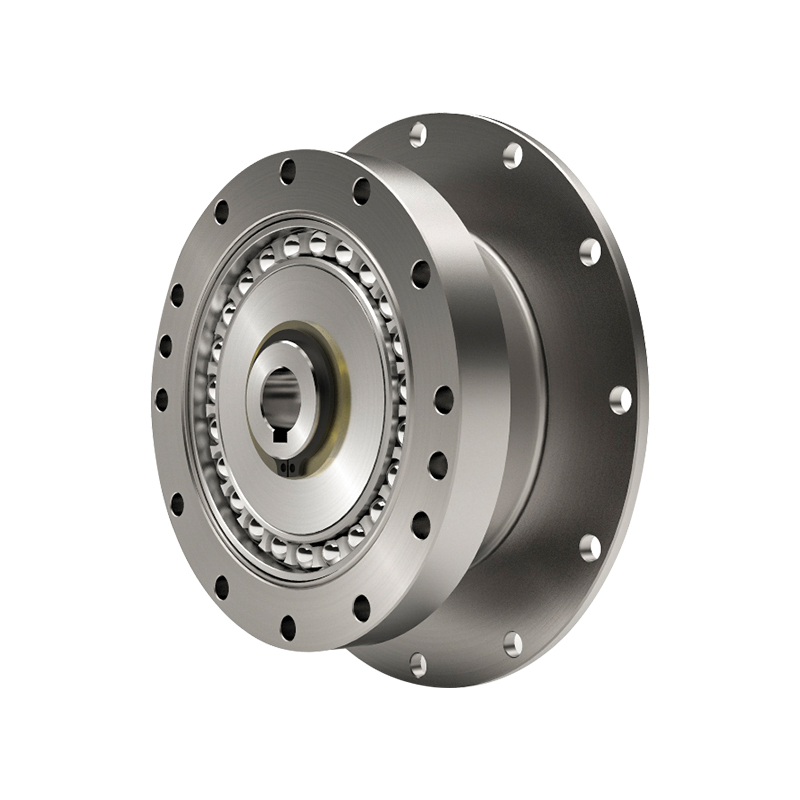
BSHF series Flexible gear reducer adopts a large-diameter hollow shaft design with a compact structu...
See Details

