 EN
EN




 English
 русский
 日本語
日本語 Español
AG series High Torque Planetary Gearboxes with Output Shaft
Designed for applications with high radial loads, such as AGV wheel drives, pull...
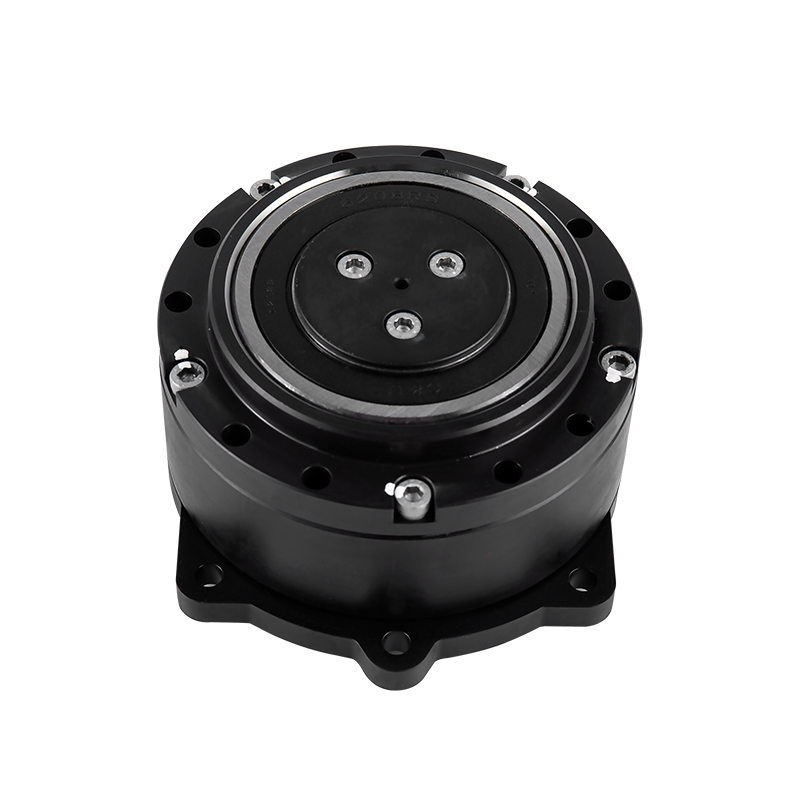
Designed for applications with high radial loads, such as AGV wheel drives, pull...
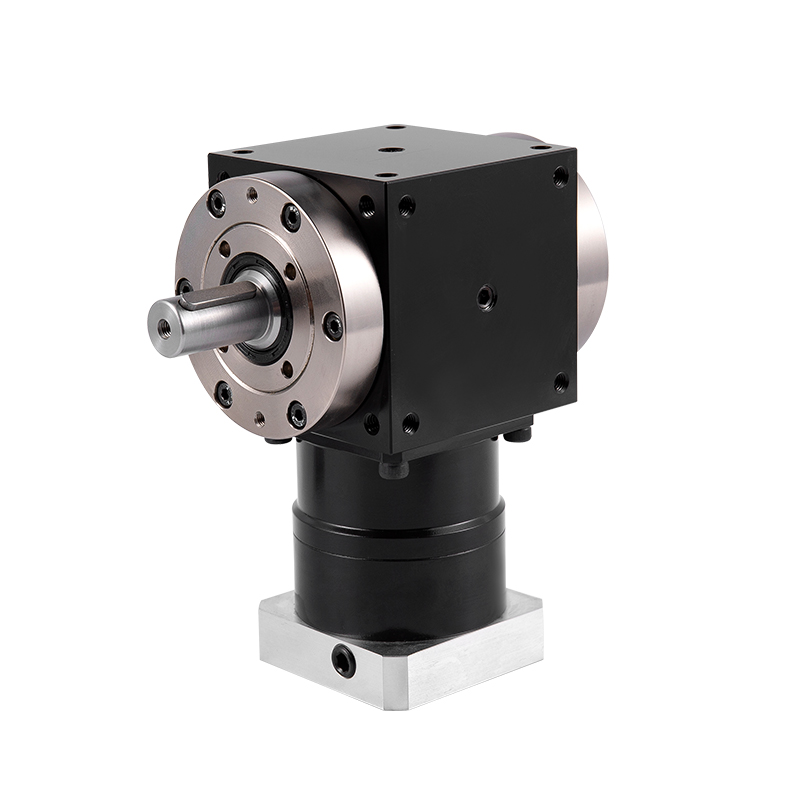
The TD-P series reducer has shown unique advantages in the field of industrial t...
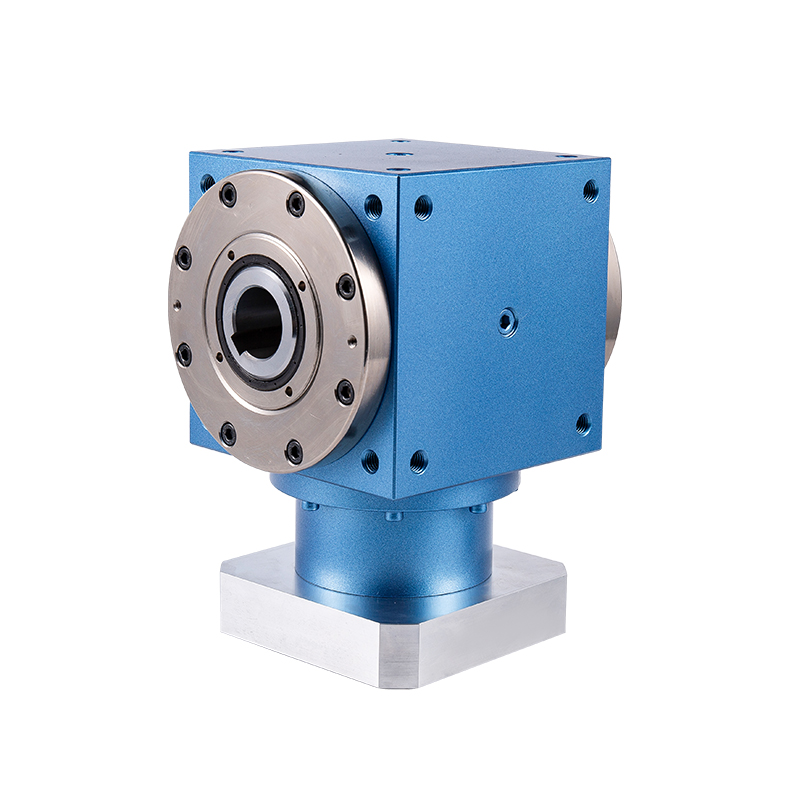
The TD-CR series reducer is centered on the design of hollow shaft output, which...
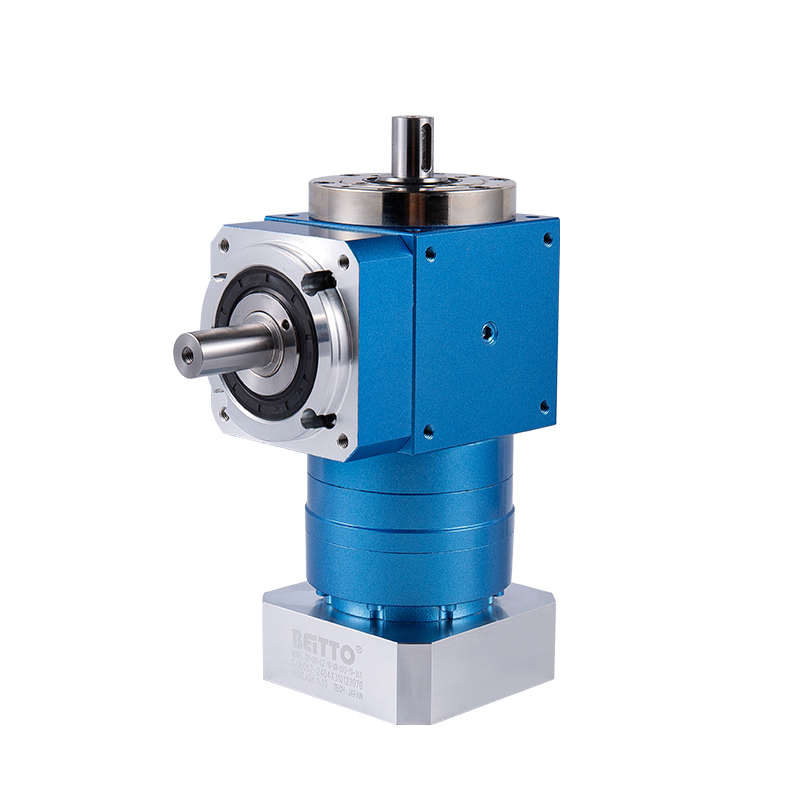
● Various output shaft options● High torque● High efficiency● Long service life●...
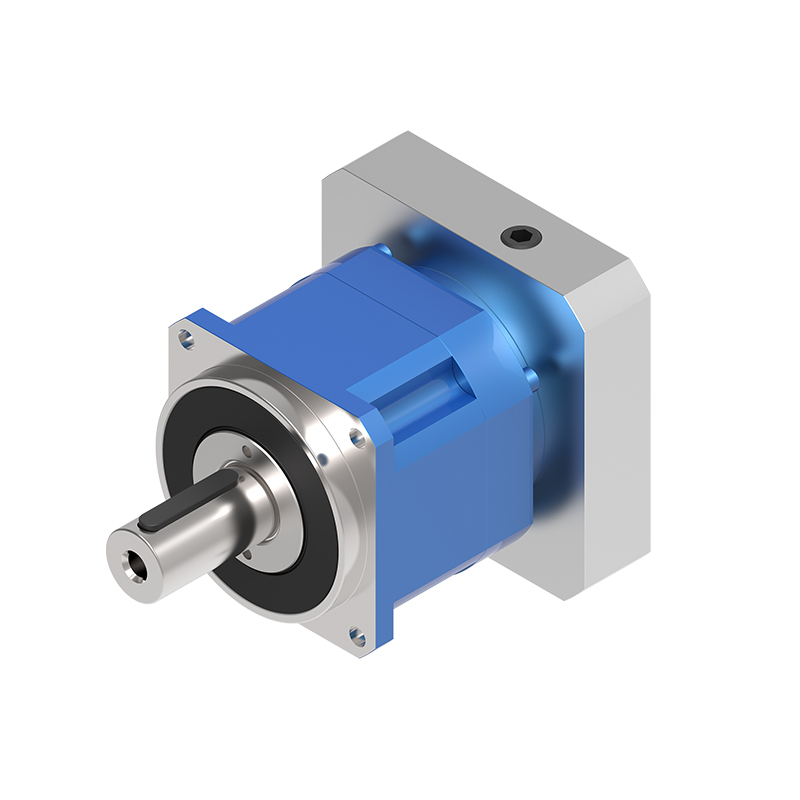
1. Helical gear designThe speed reduction mechanism adopts a helical gear design...
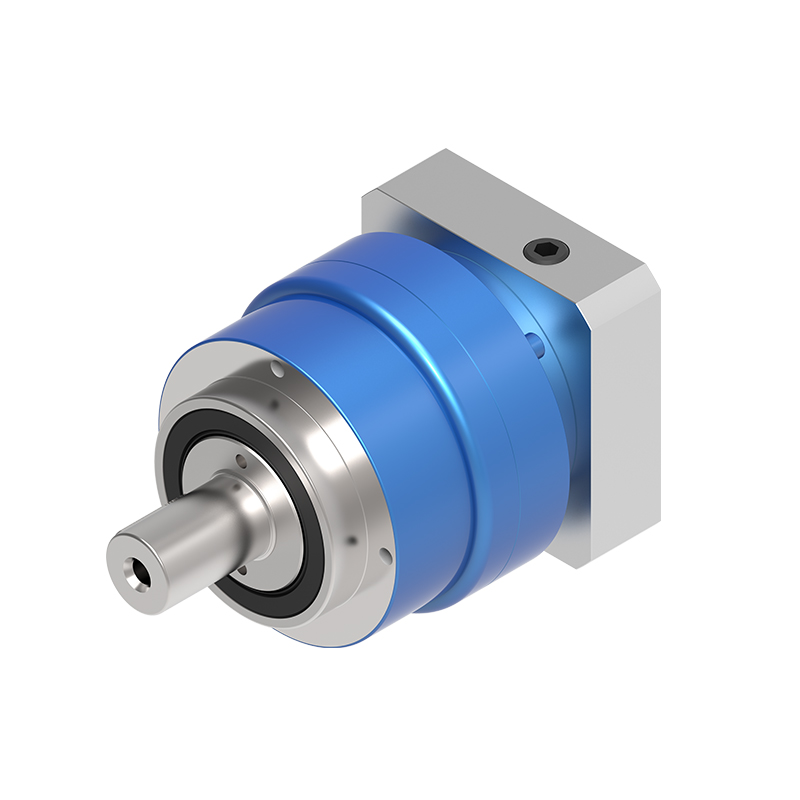
Innovative helical gear structureThe reduction mechanism introduces an innovativ...
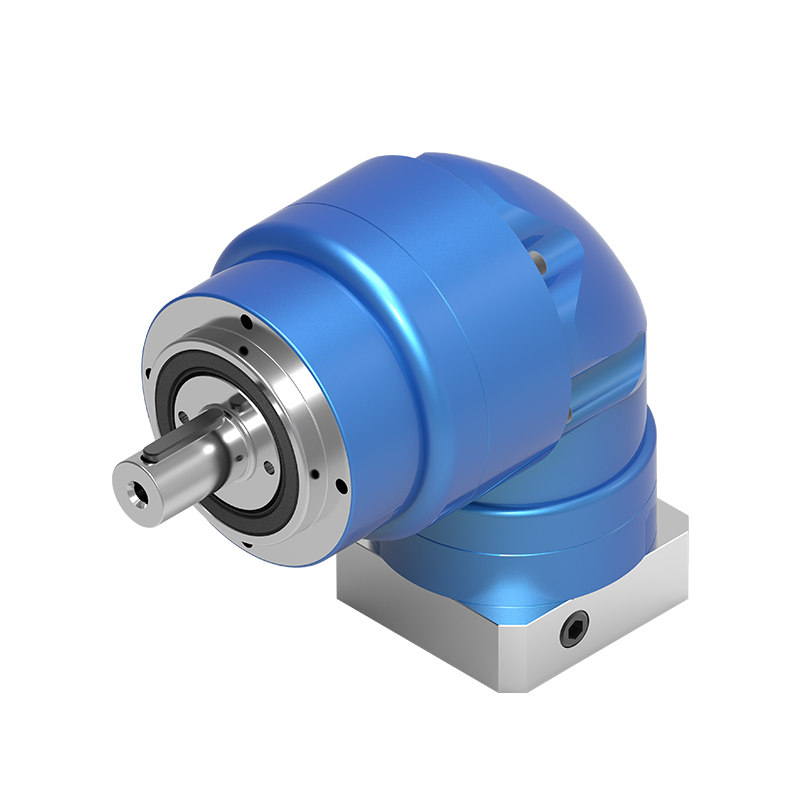
The NLR series planetary reducer adopts a spiral bevel gear design, which allows...
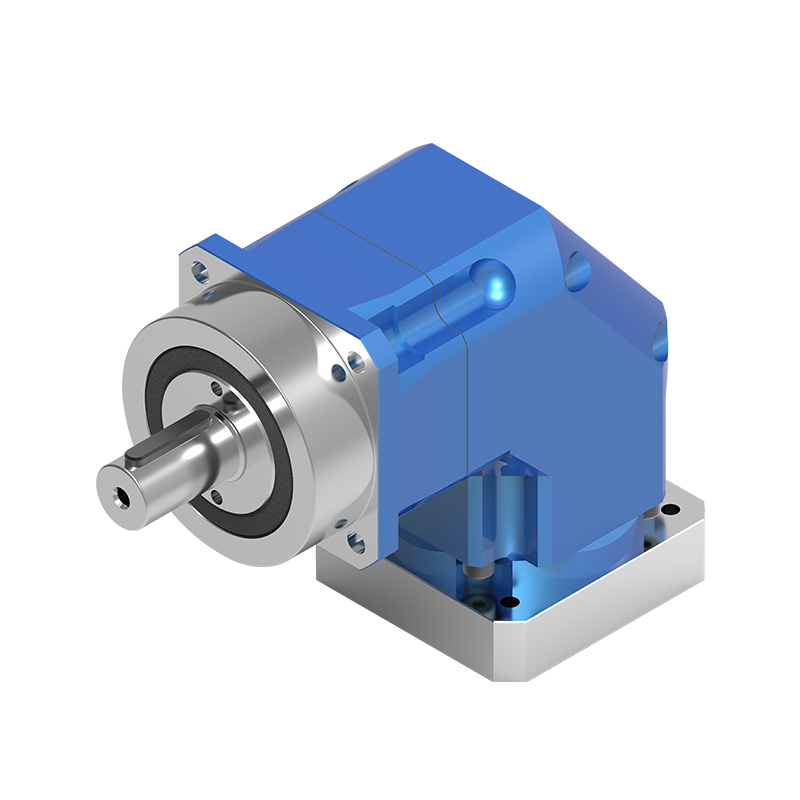
The NSR series planetary reducer adopts a spiral bevel gear design. This innovat...
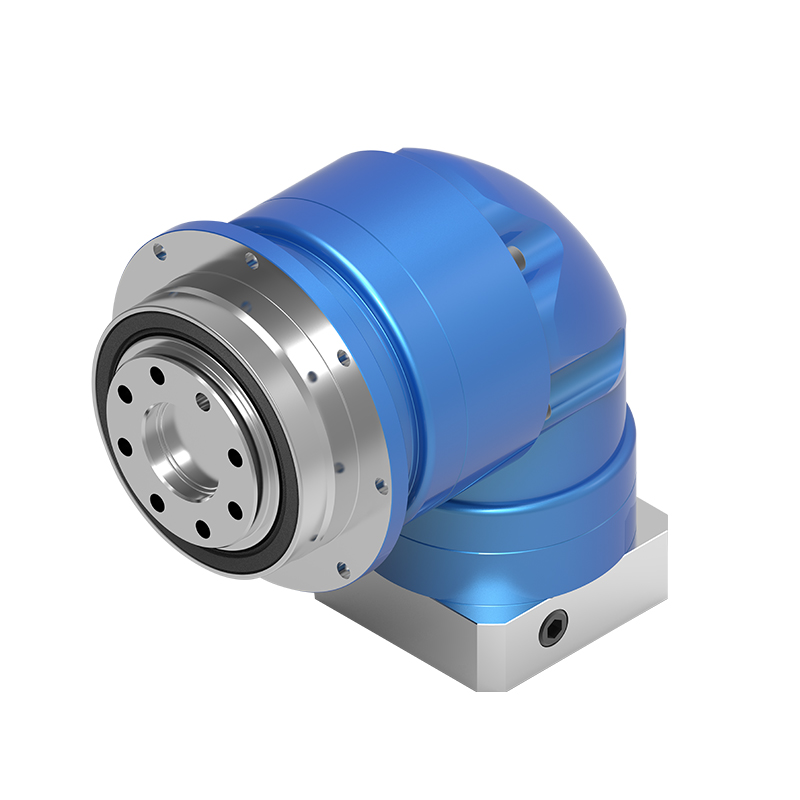
NTR series planetary reducer adopts spiral bevel gear design, which allows high-...
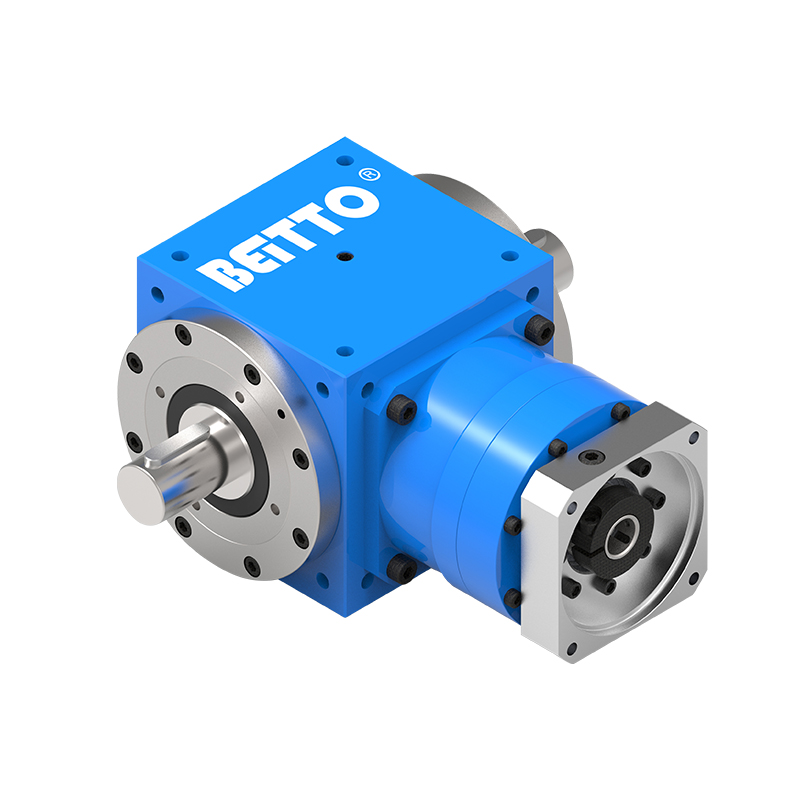
In order to meet the needs of different working conditions, the TD-2P series red...
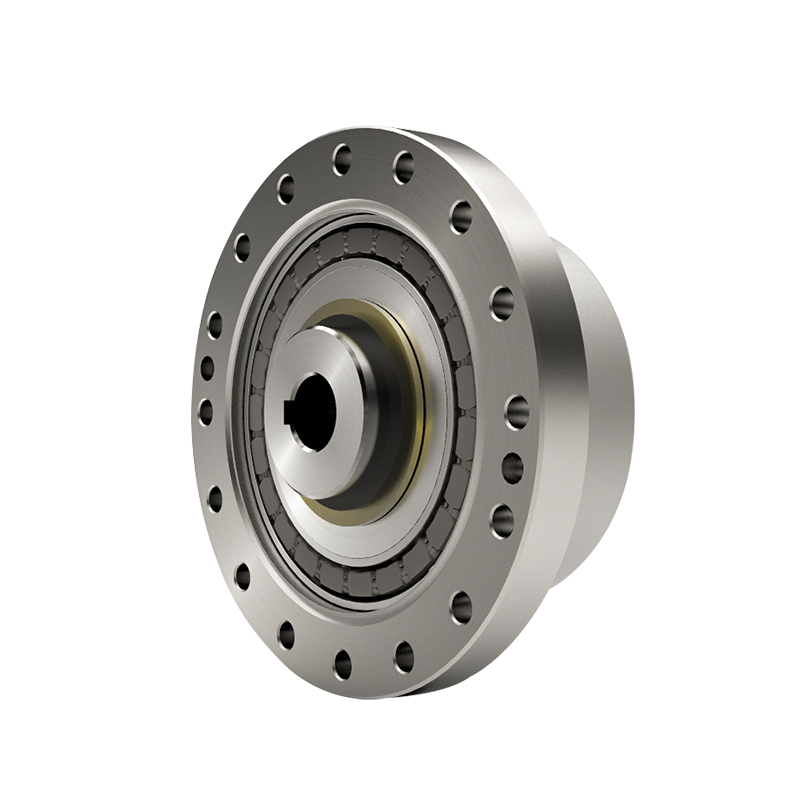
The BCSF series Flexible gear reducer pursues the ultimate lightness and simplic...
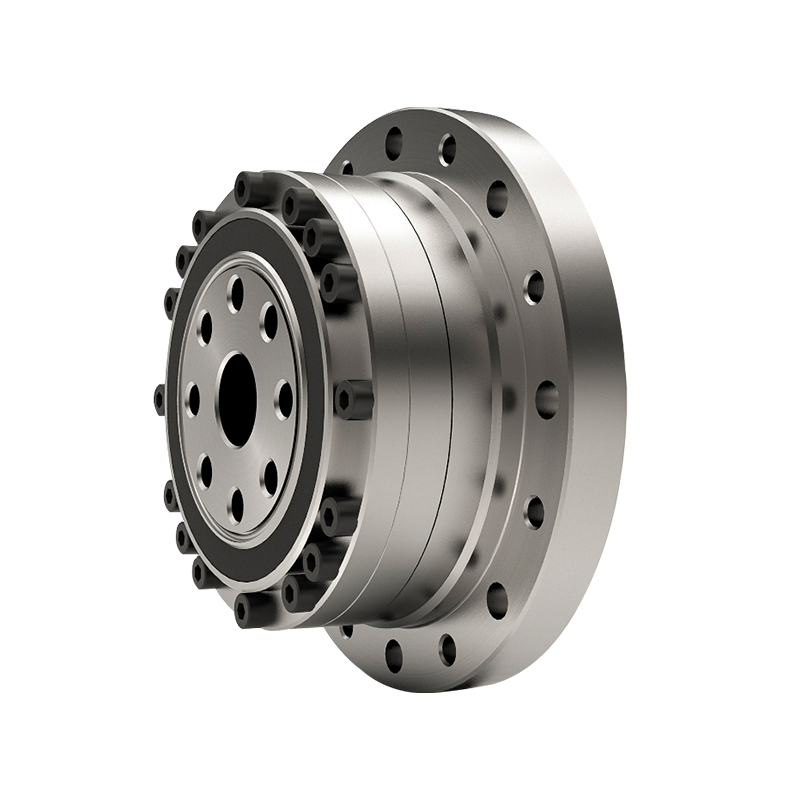
The BCSG series Flexible gear reducer is designed to be light and simple, which ...
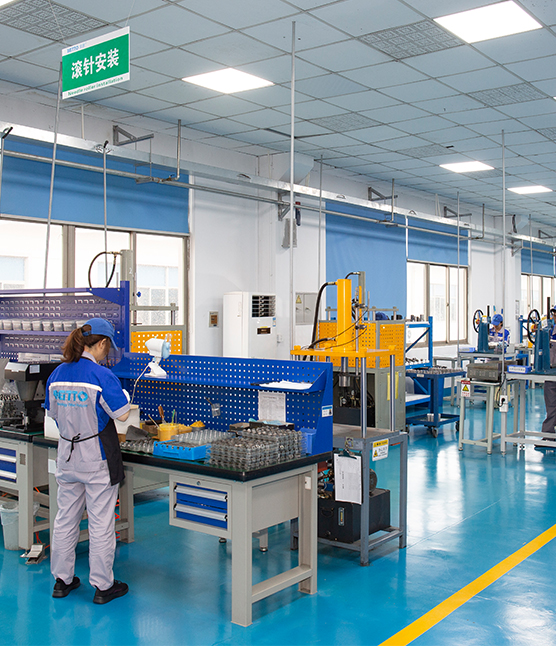
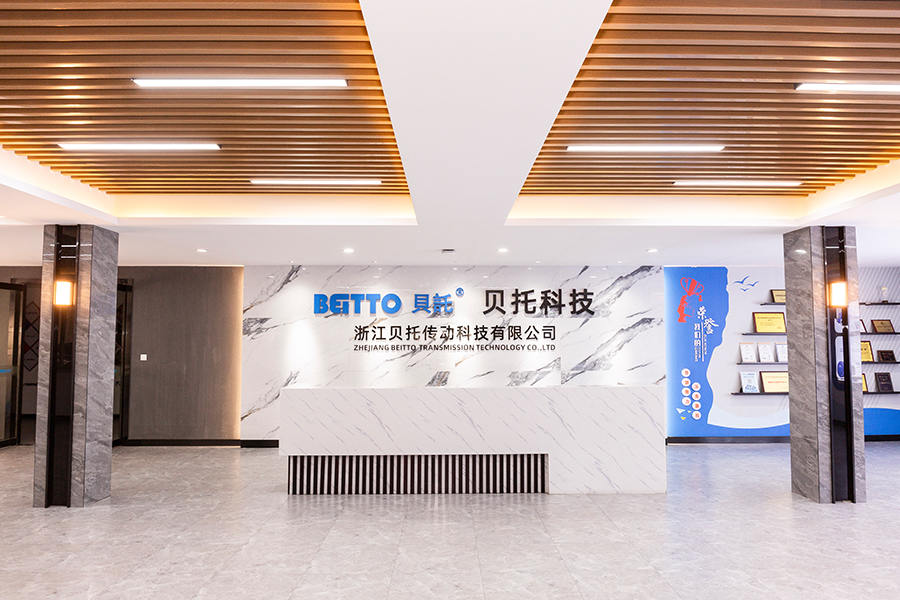
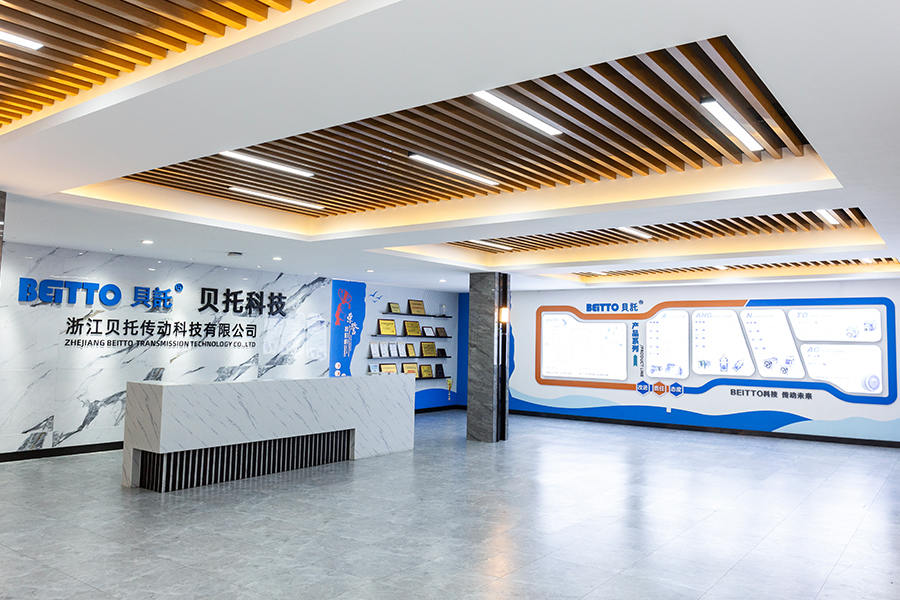
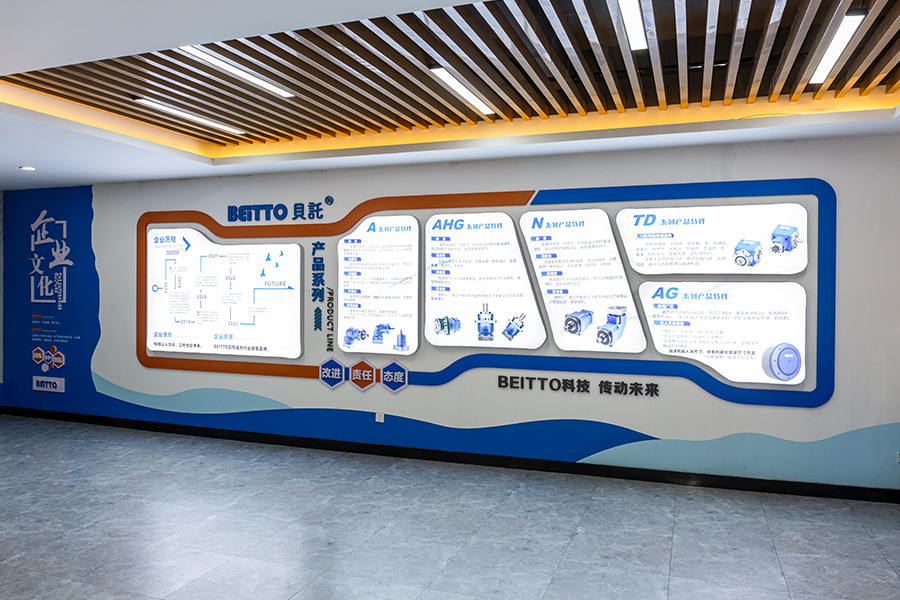
The company has always adhered to the Japanese electromechanical cutting-edge R & D technology, adhering to the Japanese meticulous production process, the use of leading design and development technology to research new products, to achieve the optimization and upgrading of the product structure renewal. As a
High Torque Planetary Gearbox Manufacturers and
High Precision Planetary Gearbox Factory, Suppliers, we Offer
Precision Planetary Gearbox.
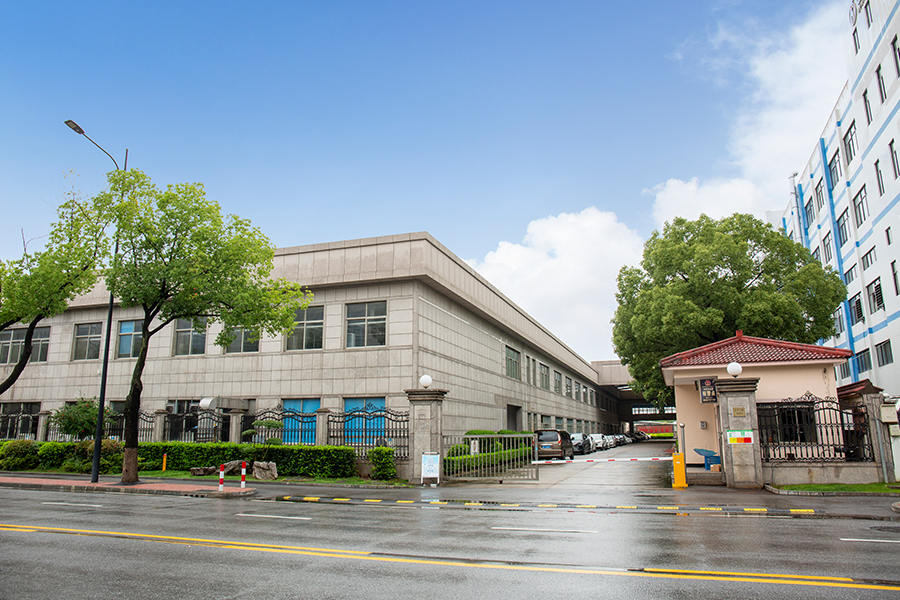
The city - Pinghu City, Zhejiang Province, National Economic and Technological Development Zone, the province's only one approved by the provincial government of the Japanese investment zone, the National (Jiaxing) Electromechanical Components Industrial Park and the National Torch Plan Pinghu Optical and Mechanical Industrial Base core area, Pinghu City is located in China's most dynamic economy of the Yangtze River delta region, is located in the northeastern part of Zhejiang Province, east of China's economic, financial, and information center -It is located in the northeastern part of Zhejiang Province, neighboring Shanghai to the east and Hangzhou Bay to the south. The city has a land area of 537 square kilometers, a sea area of 1,086 square kilometers and a coastline of 27 kilometers. It has a total population of 800,000 people.
A compact SCARA robot arm performing 24/7 pick-and-place at 0.4 s cycle time, with a 2 kg payload and 3,000 hours of continuous operation, makes the...
An engineer sizing a servo-driven rotary table found positioning error climbing past 0.15 degrees, the gearbox case running at 82 C, and the drive t...
At a 40-unit robotic packaging cell, the quarterly re-greasing schedule is a line item of its own: four hours of downtime, two technicians, fresh lu...
Industry News By: Beitto Transmission Technical Team Filed in: Mechanical Engineering & Power Transmission In the domain of industrial automati...
A High Torque Planetary Gearbox is a power transmission system that distributes load across multiple planetary gears, enabling exceptional torque density and torsional rigidity. Unlike standard gearboxes, the planetary design achieves higher torque output relative to its size, making it ideal for heavy-duty applications such as industrial robotics, wind turbine yaw drives, heavy-duty conveyors, and servo-driven automation systems.
The core advantage lies in its force distribution: input torque is shared among three or more planet gears rotating around a central sun gear. This arrangement reduces individual gear tooth stress, allowing the gearbox to sustain intermittent peak torque loads up to three times its rated capacity without failure.
For applications requiring simultaneous high torque and positioning accuracy, a High Precision Planetary Gearbox offers low backlash below 3 arcminutes, often reaching 1 arcminute or less. Precision is achieved through matched gear grinding, preloaded bearings, and rigid housing construction. These gearboxes maintain angular transmission accuracy even under reversing loads, critical for CNC machine tools, medical imaging equipment, and aerospace actuation systems.
Key performance indicators include:
| Parameter | High Torque Planetary Gearbox | High Precision Planetary Gearbox |
|---|---|---|
| Primary Focus | Torque density & overload capacity | Positioning accuracy & repeatability |
| Typical Backlash | 5–10 arcminutes | ≤3 arcminutes (precision ≤1 arcmin) |
| Maximum Torque Range | 500 Nm – 50,000 Nm+ | 50 Nm – 5,000 Nm |
| Reduction Ratio per Stage | 3:1 to 10:1 | 3:1 to 10:1 |
| Number of Stages | 1, 2, or 3 | 1 or 2 (to maintain accuracy) |
| Typical Applications | Heavy load indexing, turntables, extruders | CNC rotary axes, robot joints, laser cutters |
| Service Life (L10h) | 20,000 – 30,000 hours | 15,000 – 20,000 hours |
When selecting between high torque and high precision designs, consider the duty cycle. Continuous high load with occasional shock requires a high torque model with forged steel gears and reinforced output bearings. Conversely, dynamic positioning with frequent start-stop or reversing movements demands a high precision planetary gearbox with split taper roller bearings and zero-backlash options.
Mounting configuration also matters. Right-angle (hypoid or bevel) planetary gearboxes save space but introduce additional 2–5 arcminutes of backlash. Inline designs offer the highest torsional stiffness and are preferred for servo motor integration.
Quality planetary gearboxes use case-hardened and ground alloy steel (typically 20CrMnTi or 18CrNiMo7-6) with hardness of HRC 58–62. The gear tooth profile is generated by CNC gear grinding machines achieving DIN 4 to 5 quality grades. Housing material is high-strength cast iron or aluminum alloy for thermal dissipation.
Sealing systems must prevent contamination. IP65 protection is standard for industrial environments, with double-lipped oil seals and O-rings on all interfaces. For food or chemical processing, stainless steel output flanges and FDA-compliant lubricants are available.
One frequent error is assuming higher torque rating always means better performance. Oversizing a gearbox reduces efficiency and increases reflected inertia, harming servo response. Another misconception: precision gearboxes cannot handle shock loads. While their primary design is accuracy, modern high precision planetary gearboxes with through-hardened gears can withstand moderate shock – but always verify with the manufacturer’s dynamic torque curve.
Servo-matched planetary gearboxes have optimized inertia ratios (typically 3 to 10 times motor inertia) to maintain system stability. The input pinion and motor shaft coupling must be zero-backlash. Bellows couplings or double-flex couplings are recommended. Always verify the maximum input speed – high torque planetary gearboxes often have lower maximum speeds (3,000–4,000 rpm) compared to precision types (6,000 rpm+).
Q1: What is the actual difference between a high torque planetary gearbox and a standard planetary gearbox?
A high torque planetary gearbox uses wider gear faces, larger diameter planet gears, and reinforced bearing arrangements. Standard planetary gearboxes prioritize cost and moderate load, while high torque versions are designed for continuous operation near rated capacity without premature wear.
Q2: Can a high precision planetary gearbox be used for both high torque and low backlash simultaneously?
Yes, but with limitations. Dual-stage precision gearboxes with split planet design can achieve both, but maximum torque rating will be lower than a dedicated high torque model. For critical applications requiring both, consult technical data on torsional stiffness and peak torque values.
Q3: How does Zhejiang Beitto Transmission Technology Co., Ltd. ensure quality in these gearboxes?
Our production follows Japanese electromechanical R&D standards and meticulous assembly processes, utilizing leading design technology. Located in Pinghu’s National Electromechanical Components Industrial Park, we benefit from regional supply chain excellence and rigorous quality control at each stage.
Q4: What maintenance is required for high torque planetary gearboxes in heavy industry?
Periodic lubricant change every 10,000 hours or 24 months, whichever comes first. Use synthetic EP (extreme pressure) oil of ISO VG 220–460 depending on ambient temperature. Inspect output shaft seals annually for leakage, and monitor operating temperature – sustained temperature above 90°C requires investigation.
Q5: How do I calculate the required torque rating for my application?
Multiply the load torque at the output by a service factor of 1.5 to 2.0 for normal operation, or 2.5 to 3.0 for shock or reversing loads. Then divide by the reduction ratio and efficiency (0.97 per stage). The result is the minimum input torque rating required. Always consult the manufacturer’s dynamic torque curve for intermittent and peak ratings.


